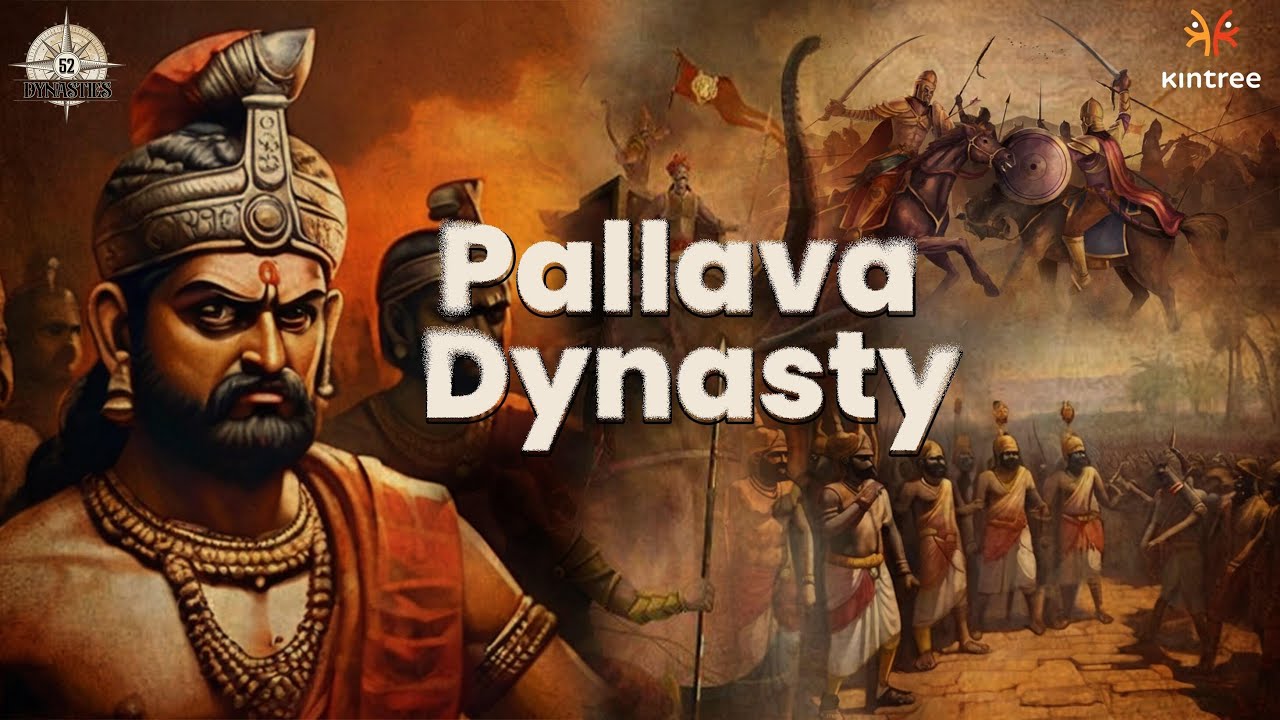
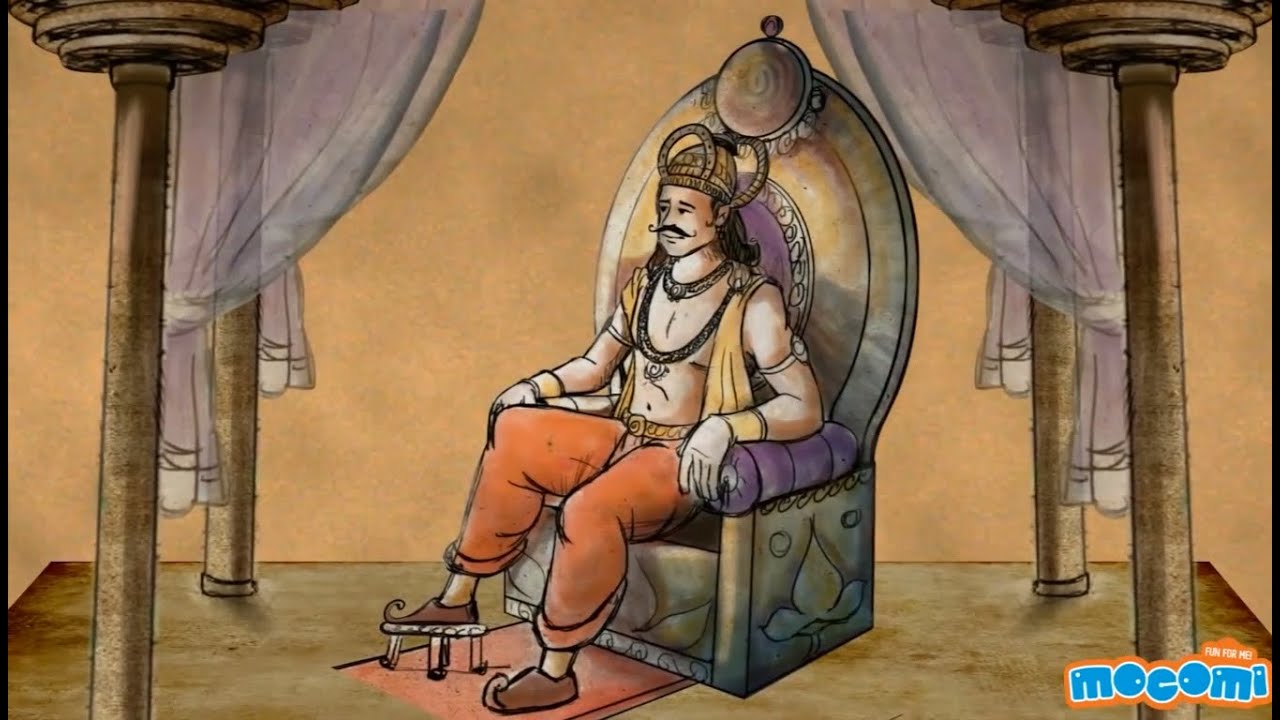
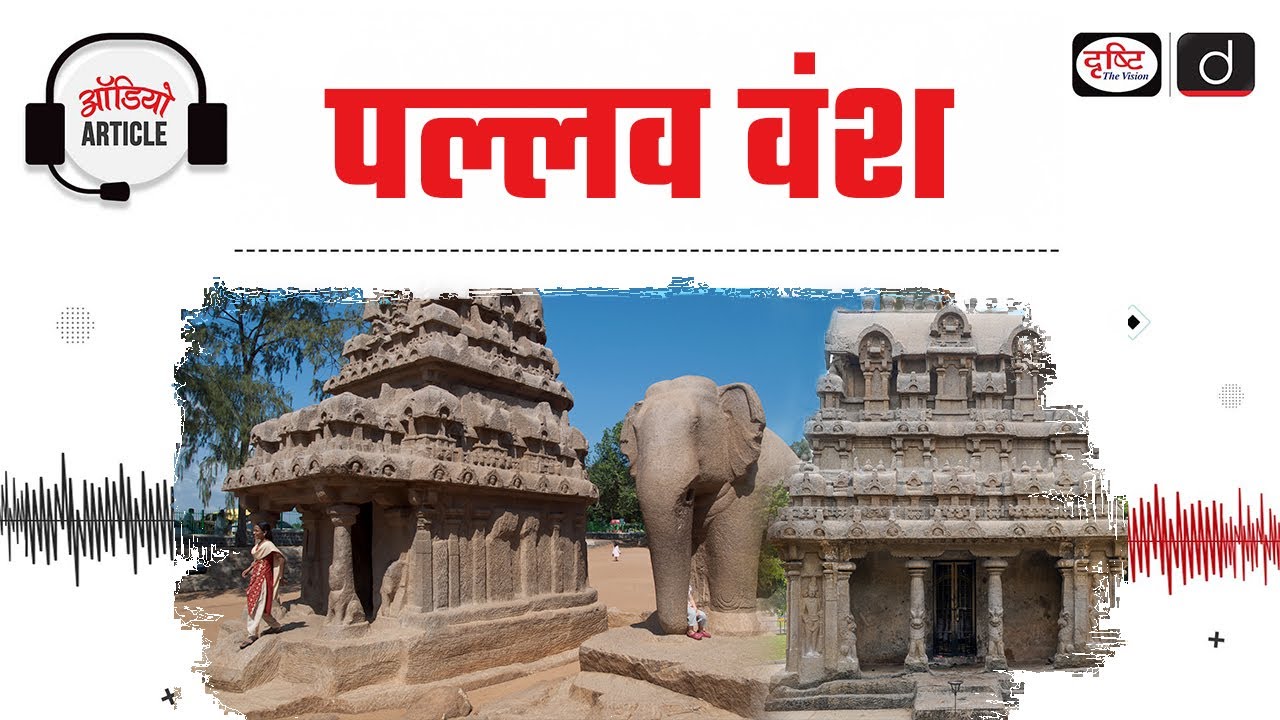
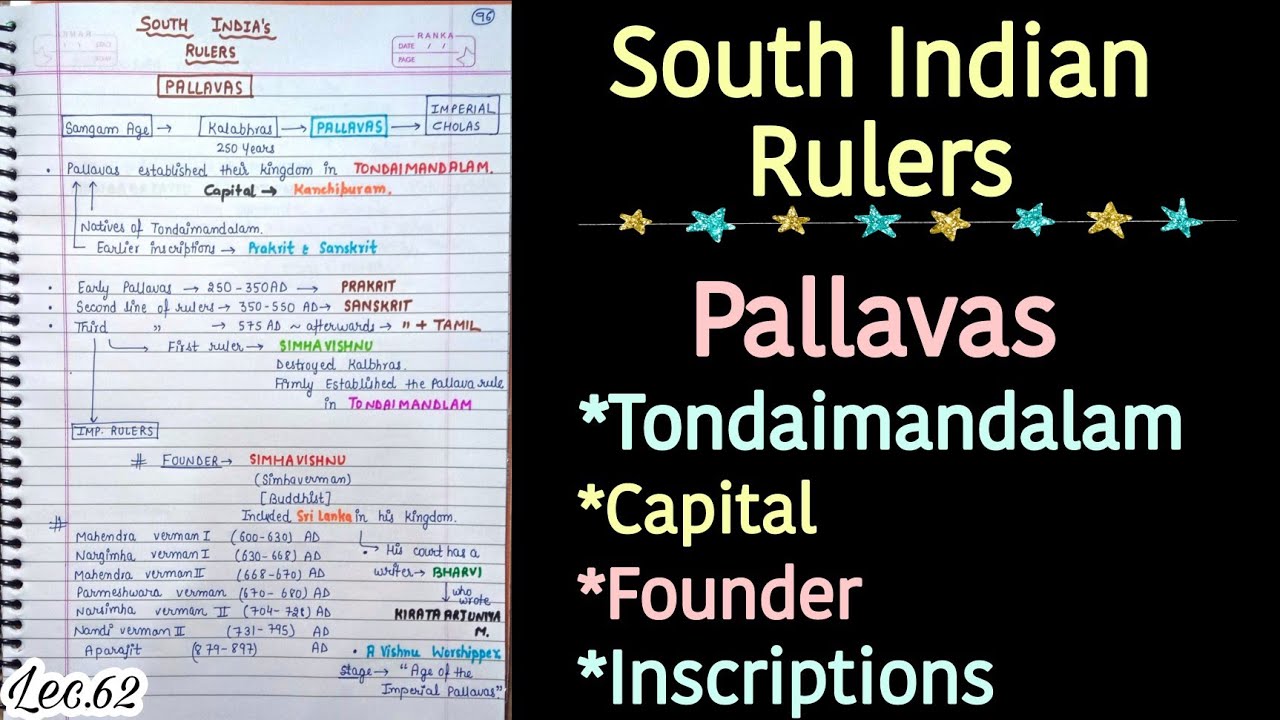
The fall of the Pallava dynasty and the shift in power across South India during the form a vital chapter in medieval Indian history. Following the long reign of Nandivarman II, a string of weak rulers gradually lost control over key territories. Long-standing rivalries with the Chalukyas and aggressive expansion by the Pandyas drained the empire of its wealth and military strength. Eventually, the rising Chola empire annexed the Kanchi region, putting a permanent end to more than three centuries of Pallava supremacy.
In this chapter, you will understand:
- The military and political factors behind the decline of the late Pallava kings
- The impact of Pandyan invasions on Pallava territorial control
- The final overthrow of Aparajitavarman by Aditya Chola I
- The broader geopolitical shifts involving the Chalukyas, Rashtrakutas, Pandyas, and Cholas
Why this topic matters: Questions about South Indian dynasties, regional power shifts, and key battles frequent civil services and university history examinations.
Core Idea: Constant warfare exhausted both the Pallavas and Chalukyas. This power vacuum allowed the Pandyas to weaken the Pallavas from the south, before Aditya Chola I delivered the final blow by capturing Kanchi and establishing Chola dominance.
Successors of Nandivarman II and the Decline of the Pallava Dynasty ( – )
After the ruling era of Nandivarman II, the kingdom entered a slow phase of collapse. Unable to protect their borders, successive kings watched their borders shrink under pressure from neighboring states.
The Line of Ineffectual Kings and the Accelerating Territorial Losses
The monarchs who followed were unable to stabilize the state or rebuild its army, leaving the borders exposed to persistent attacks.
- Failure to consolidate power lost the capital access to critical revenue and trade routes.
Dantivarman's Rule ( – ): The Onset of the Pandyan Threat
The coronation of Dantivarman marked the start of major land losses. His long reign suffered heavily from southern invasions launched by the expanding Pandyan kingdom.
- Dantivarman lost control over most of the southern provinces.
- A major Pandyan expedition overran local garrisons and broke Pallava authority in the region.
- Losing these provinces severely reduced tax collection and military recruitment capacity.
Nandivarman III ( – ): Prolonged but Losing Battle
Nandivarman III spent most of his reign locked in defensive battles against the Pandyan forces to protect what remained of his realm.
- Continuous campaigns failed to turn the tide against the aggressive Pandyan king.
- Defeats in key engagements solidified Pandyan rule over the southern districts.
- Constant mobilization drained the treasury, making long-term recovery impossible.
Kampavarman ( – ): The Obscurity of Final Decline
Historical records contain very few details about Kampavarman, indicating that the state had lost much of its influence in regional affairs.
Aparajitavarman ( – ): The Final Chapter of Pallava Supremacy
The last recognized ruler of the dynasty was Aparajitavarman. Though his name translates to the invincible one, his reign ended in total defeat against a rising power in the region.

The Overthrow by Aditya Chola and the Extinction of the Dynasty
Rather than falling to their traditional Pandyan rivals, the Pallavas met their end at the hands of Aditya Chola I.
- Aparajitavarman was defeated on the battlefield by Aditya Chola I.
- The capture of Kanchi brought over three centuries of Pallava rule to a complete close.
- The sudden downfall ended the line, shifting the political capital of the region toward the Chola heartland.
Geopolitical Consequences: The Fates of the Chalukyas and Pallavas
The centuries-long struggle between the Pallavas and the Chalukyas ended up exhausting both kingdoms, clearing the way for new empires to take control of South India and the Deccan.
The Chalukya Demise and the Rise of the Rashtrakutas
Constant wars on multiple fronts gradually depleted the army and resources of the Chalukyas by the middle of the .
Timeline of regional shifts: Chalukya to Rashtrakuta and Pallava to Chola - The weakened Chalukya state was overthrown by the Rashtrakutas, who became the dominant force in the western Deccan.
Pallava Exhaustion and Chola Ascendancy
Although the Pallavas survived the Chalukyas by about a century, they remained too weak to defend against newer rivals.
- Drained by past conflicts, the state could not stop the combined pressure of Pandyan attacks and the final Chola offensive.
- The dynasty quietly dissolved, leaving Aditya Chola I in total control of the territory.
Quick Revision Capsule
Key historical milestones during the decline of the Pallava dynasty:
| Ruler / Dynasty | Period / Key Event | Historical Impact |
|---|---|---|
| Dantivarman | – | Lost core southern provinces to Pandyan invasions. |
| Nandivarman III | – | Fought long defensive wars against the Pandyas, draining the treasury. |
| Kampavarman | – | Reigned during a period of minimal central influence and limited records. |
| Aparajitavarman | – | Final Pallava king; defeated by Aditya Chola I. |
| Aditya Chola I | Late – Early | Conquered Kanchi and established Chola regional supremacy. |
Summary
The fall of the Pallava dynasty marked a major turning point in South Indian history. Years of warfare with the Chalukyas left the state financially and militarily depleted. Subsequent rulers like Dantivarman and Nandivarman III lost ground to the Pandyas, while Kampavarman's obscure reign reflected a kingdom in deep decline. The dynasty ended around 903 A.D. when Aditya Chola I defeated Aparajitavarman and annexed Kanchi, bringing an end to Pallava rule and laying the foundation for the Imperial Chola Empire.
Quick Revision Notes
Key facts to remember for history examinations:
- (i) The primary external causes of Pallava weakness were Pandyan pressure from the south and earlier conflicts with the Chalukyas.
- (ii) Dantivarman () lost significant southern territory during his reign.
- (iii) Aparajitavarman was the last recognized Pallava ruler, overthrown by Aditya Chola I around
- (iv) The annexation of the Kanchi region laid the geographic base for the rise of the Imperial Cholas.
- Exam Tip: Always remember the chronology of late Pallava rulers (Dantivarman → Nandivarman III → Kampavarman → Aparajitavarman) and link the end of the dynasty directly to Aditya Chola I and the capture of Kanchi around 903 A.D.
Frequently Asked Questions (FAQ)
Q1: Who was the last ruler of the Pallava dynasty?
A1: Aparajitavarman was the final king of the Pallava dynasty. He was defeated and overthrown by Aditya Chola I around 903 A.D.Q2: Which kingdom gained control of Kanchi after the fall of the Pallavas?
A2: The Chola Empire, led by Aditya Chola I, seized the strategic Kanchi region and integrated it into their growing empire.Q3: How did the Chalukya-Pallava conflict affect both dynasties long-term?
A3: The century-long struggle exhausted the financial and military strength of both states, leading to the collapse of the Chalukyas (replaced by the Rashtrakutas) and the eventual decline of the Pallavas.