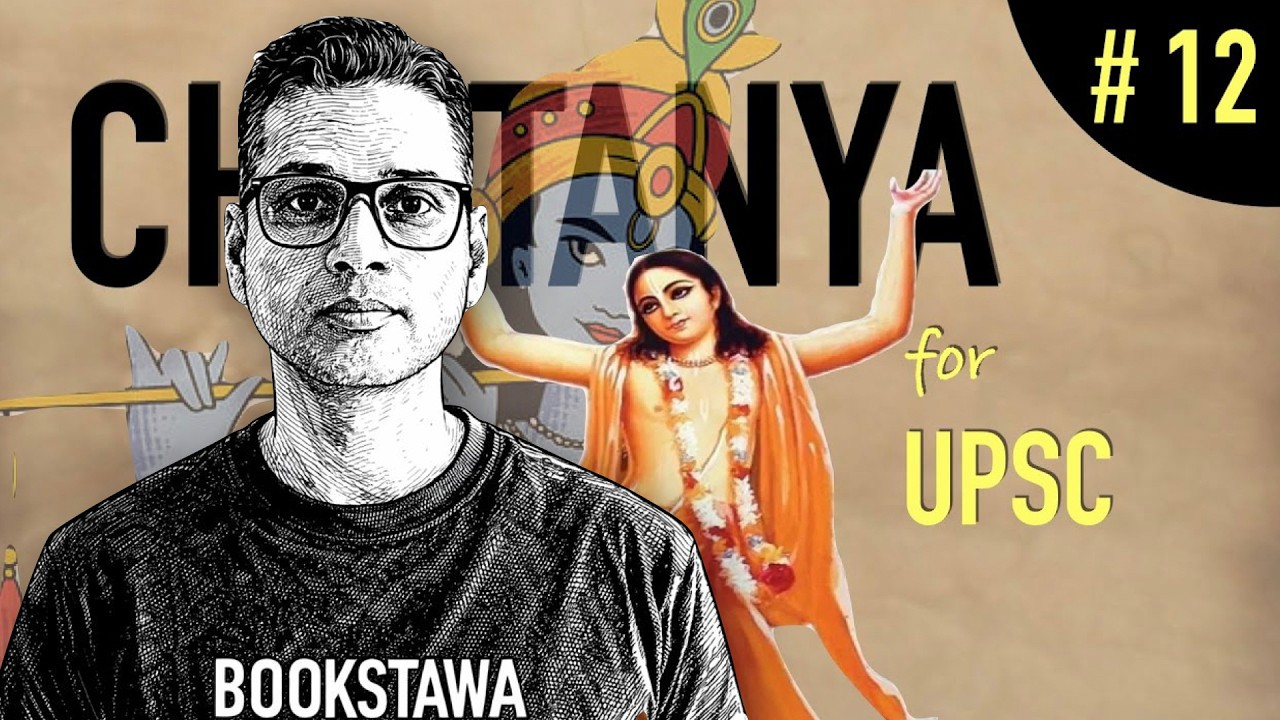
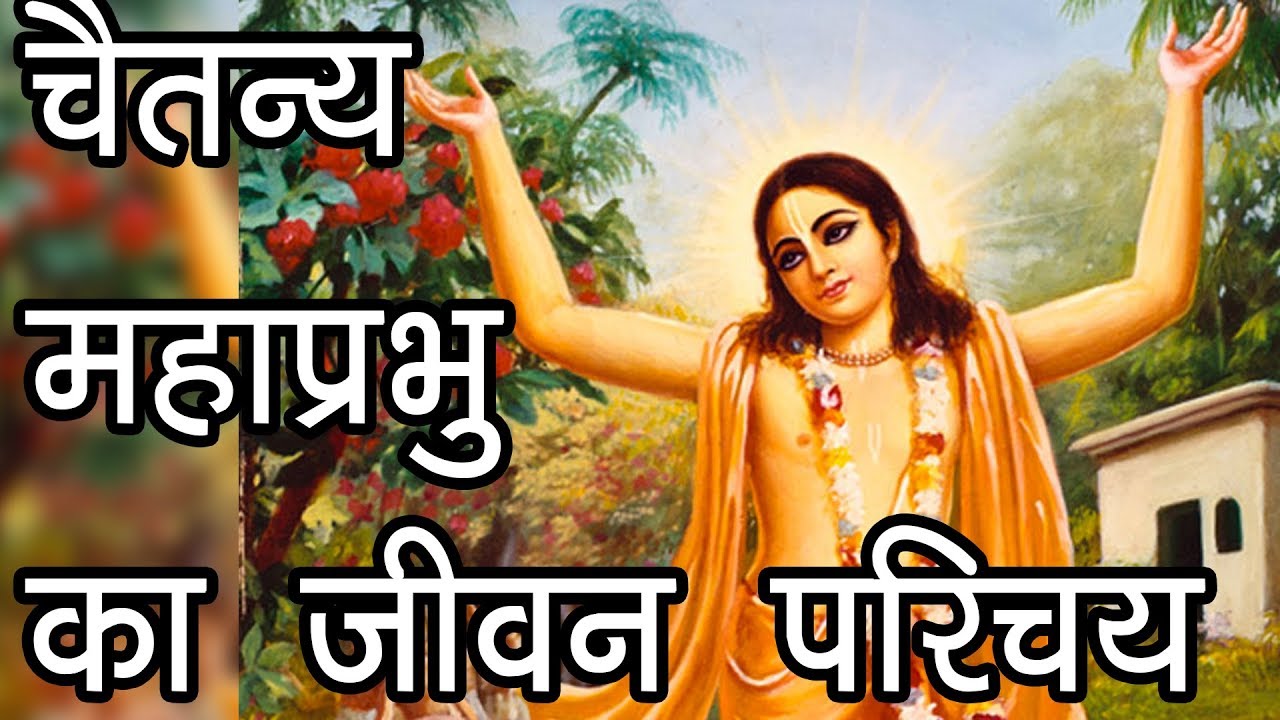
Chaitanya Mahaprabhu, born in , is regarded as one of the greatest saints of India and the founder of the Gaudiya Vaishnavism tradition. His life, filled with devotion to Lord Krishna, emphasized the power of Bhakti Yoga through chanting and kirtan. For students of Indian history and religion, his life, philosophy, and legacy provide a crucial understanding of devotional movements and their lasting cultural influence.
🎯 In this chapter, you will understand:
- The early life and academic brilliant background of Chaitanya Mahaprabhu in Nabadwip.
- His spiritual transformation at Gaya and adoption of Sannyasa.
- The core philosophy of Achintya Bheda Abheda and the Shikshashtakam.
- The cultural impact of the Kirtan movement and his global legacy through ISKCON.
💡 Why this topic matters: Chaitanya Mahaprabhu revolutionized devotional worship in medieval India, breaking social barriers through group chanting and establishing a philosophy that remains active worldwide today.
🧠 Core Idea: Pure devotion (Bhakti Yoga) and public congregational chanting (kirtan) offer the simplest path to spiritual realization and divine love.
Chaitanya Mahaprabhu: Life, Teachings, and Legacy in Indian Spiritual History ()
The life of Chaitanya Mahaprabhu reflects devotion, transformation, and spiritual leadership. Born as Vishvambhara Mishra in Nabadwip, Bengal, he displayed early brilliance in Sanskrit scholarship. His encounter with Īśvara Purī transformed him from a scholar into a spiritual reformer who championed Krishna Bhakti through music, devotion, and humility.
- (i) Birth on in Nabadwip, Bengal.
- (ii) Early mastery in Sanskrit and debate traditions.
- (iii) Turning point after meeting Īśvara Purī in Gaya.
Early Life and Transformation of Chaitanya Mahaprabhu
The early years of Chaitanya Mahaprabhu reveal his dual identity as both a scholar and a seeker of truth. His childhood brilliance in academics was soon replaced by an inner spiritual calling that reshaped his life path.

Childhood and Education in Nabadwip
Chaitanya grew up in a scholarly family under Jagannātha Mishra and Śacī Devī. He developed an early love for Sanskrit grammar, logic, and scriptures, often excelling in debates with learned scholars of Bengal.
- (i) Family originally from Sylhet, present-day Bangladesh.
- (ii) Known for intellectual sharpness as a young boy.
- (iii) Admired locally as a prodigy in Sanskrit learning.
Spiritual Awakening at Gaya
The life-changing moment for Chaitanya Mahaprabhu came during his pilgrimage to Gaya, where he met Īśvara Purī. This encounter marked the shift from scholastic brilliance to devotional spirituality.
- (a) Meeting with Īśvara Purī transformed his worldview.
- (b) Adopted Bhakti Yoga as the supreme spiritual path.
- (c) Focus shifted from knowledge to pure devotion to Krishna.
Spiritual Journey and Renunciation
Leaving behind his life as a scholar, Chaitanya Mahaprabhu accepted the path of a sannyasi. He traveled extensively, spreading Krishna consciousness through the chanting of the Hare Krishna mantra and public kirtans.
Adoption of Sannyasa and Name Krishna Chaitanya
After initiation, he took the name Krishna Chaitanya, symbolizing his dedication to Lord Krishna. His renunciation inspired countless followers to embrace devotional life.
- (i) Became a sannyasi at a young age.
- (ii) Dedicated life to promoting kirtan and devotion.
- (iii) Embodied humility, simplicity, and love for Krishna.
Kirtan Movement and Bhakti Revolution
He popularized kirtan—devotional singing in groups—which became the central practice of Gaudiya Vaishnavism. This movement united communities, breaking social barriers of caste and status.
Public Congregational Kirtan Movement - (a) Introduced public Hare Krishna kirtans.
- (b) Promoted equality through shared devotional practices.
- (c) Established Bhakti Yoga as a path for all people.
Teachings and Philosophy of Chaitanya Mahaprabhu
The philosophy of Chaitanya is rooted in the doctrine of Achintya Bheda Abheda, emphasizing the simultaneous oneness and difference of God and creation. His teachings underline humility, compassion, and chanting the holy names of Krishna.
Doctrine of Achintya Bheda Abheda
This unique philosophy—inconceivable oneness and difference—asserts that Krishna is both the same as and different from the universe. It blends monism and dualism into a harmonious devotional approach.
- (i) God is one with creation yet transcends it.
- (ii) Bridges philosophical schools of Advaita and Dvaita.
- (iii) Basis of Gaudiya Vaishnava theology.
Shikshashtakam and Devotional Literature
Chaitanya Mahaprabhu composed the Shikshashtakam, a set of eight prayers highlighting the stages of devotion and surrender. These verses remain central in Vaishnava devotional practice.
- (a) Outlines essence of Bhakti Yoga.
- (b) Recited in Gaudiya Vaishnava temples globally.
- (c) Inspires daily devotional practices for seekers.
⚡ Quick Revision Capsule: Key Aspects of Chaitanya Mahaprabhu
A quick comparison of the major structural pillars of Chaitanya Mahaprabhu's life and philosophy.
| Aspect | Description | Significance |
|---|---|---|
| Birth & Early Name | Born in as Vishvambhara Mishra in Nabadwip | Laid foundation in Sanskrit logic and scriptural debate |
| Spiritual Guru | Initiated by Īśvara Purī at Gaya | Marked transformation from scholar to devotional reformer |
| Core Philosophy | Achintya Bheda Abheda | Inconceivable simultaneous oneness and difference between God and creation |
| Primary Practice | Sankirtan (Congregational Chanting) | Democratized spiritual practice across all social classes |
| Key Text | Shikshashtakam | Eight core prayers detailing devotion and humility |
📝 Summary
Chaitanya Mahaprabhu () remains a guiding light of Bhakti Yoga, promoting the chanting of Hare Krishna as the simplest path to devotion. His doctrine of Achintya Bheda Abheda, his Shikshashtakam prayers, and his emphasis on kirtan shaped Indian spirituality. For students of Indian history and religion, his teachings show how love, humility, and devotion transformed cultural life and continue to inspire globally.
🚀 Quick Revision Points
Essential facts to review before examinations:
- (i) Founder of Gaudiya Vaishnavism and advocate of congregational kirtan.
- (ii) Transformed from scholar Vishvambhara Mishra to spiritual seeker at Gaya.
- (iii) Formulated the philosophy of Achintya Bheda Abheda (simultaneous oneness and difference).
- (iv) Composed the eight devotional verses known as the Shikshashtakam.
- 💡 Exam Tip: Focus on how Achintya Bheda Abheda bridges the philosophical gap between Advaita (monism) and Dvaita (dualism), and remember that Shikshashtakam represents his primary direct written work.
❓ Frequently Asked Questions (FAQ)
Q1: What is the main philosophy of Chaitanya Mahaprabhu?
A1: His philosophy is Achintya Bheda Abheda, which translates to inconceivable simultaneous oneness and difference between the individual soul and the Supreme God.Q2: What is the significance of Nabadwip and Gaya in his life?
A2: Nabadwip was his birthplace and the site of his early intellectual achievements, while Gaya was where he met Īśvara Purī and underwent his profound spiritual awakening.Q3: What text did Chaitanya Mahaprabhu directly compose?
A3: He composed the Shikshashtakam, eight verses that embody the heart of Bhakti Yoga and divine surrender.