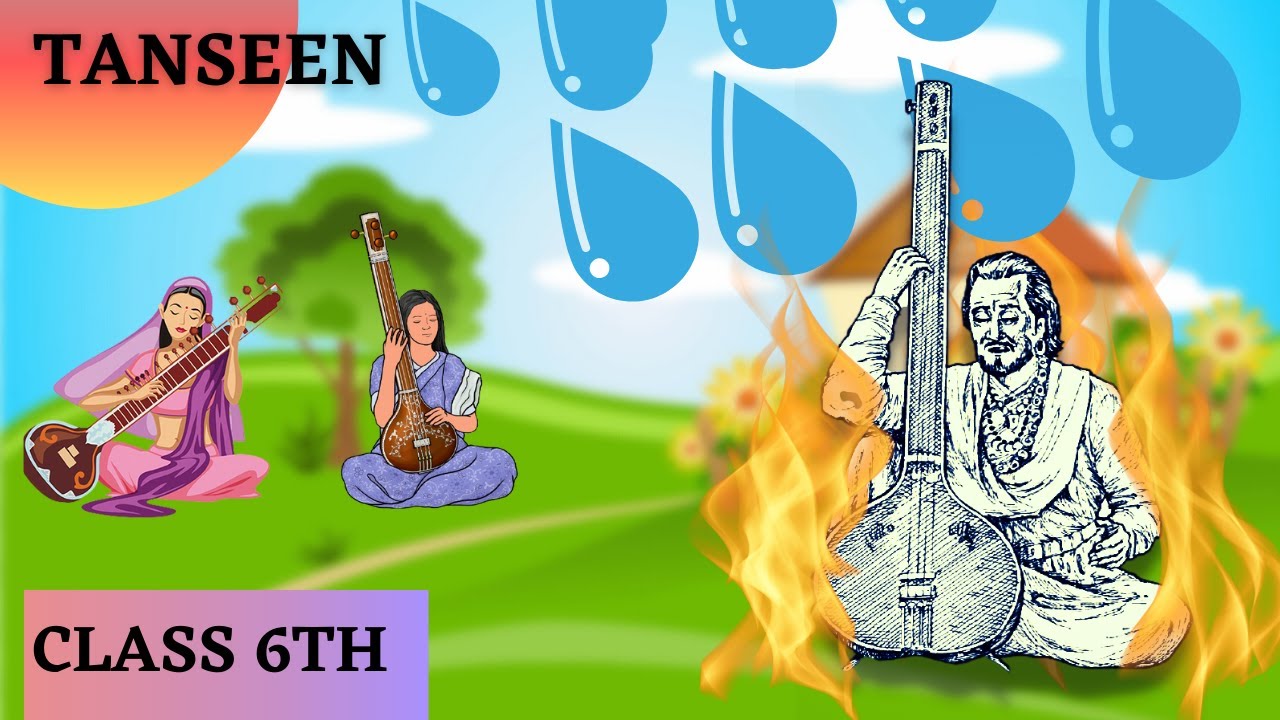
Tansen () remains one of the most influential figures in Hindustani classical music. His complete control over musical scales called ragas and his deep connection with Sufism successfully connected artistic music with personal spirituality. His works helped shape northern Indian classical music and continue to inspire musicians across generations. Students learning about medieval Indian history and cultural heritage study his work because his creative ideas completely transformed Indian music, making this topic very useful for competitive examination preparation and cultural studies.
🎯 In this chapter, you will understand:
- The early background, training, and royal patronage of Mian Tansen.
- His key innovations in Dhrupad singing and creation of seasonal ragas.
- His royal position as one of Emperor Akbar’s nine gems (Navaratnas).
- How his musical style influenced spiritual traditions like Sufism and created new musical lineages (Gharanas).
💡 Why this topic matters: Tansen laid the structural foundation for modern Hindustani classical music by systematically standardizing classical forms and bridging regional folk traditions with formal court music.
🧠 Core Idea: Music is not just court entertainment—through emotional discipline and technical mastery, ragas act as a bridge connecting human feelings, physical nature, and divine spiritual experiences.
Tansen: The Melodic Genius Who Unified Music and Spirituality
Tansen's arrival in medieval Indian court culture changed how classical music was composed, performed, and understood across the subcontinent.
- Tansen’s Life and Context in Indian Classical Music
Tansen, who was widely known as Mian Tansen, was born with the name Rāmtanu around and passed away on in Gwalior. He received his very first lessons in music from his father, Mukund Ram. Over time, Tansen built a strong reputation as a skilled composer, singer, and instrument player. Before he was invited to join the Mughal royal court of Emperor Akbar in —where he became one of the famed nine advisors or Navaratnas—he served in the royal courts of Raja Man Singh Tomar and later Raja Ramchandra Singh of Rewa.
- (i) Early music lessons under his father Mukund Ram helped him build a firm understanding of traditional classical music.
- (ii) His early performances at the royal courts of Gwalior and Rewa helped prepare him for a greater cultural role in the Mughal capital.
- (iii) Joining Akbar’s royal court increased Tansen’s influence over traditional music and sacred spiritual musical practices across India.
Musical Contributions and Innovations
Tansen’s incredible creative ability showed in the way he wrote unique compositions, introduced new musical scales called ragas, and improved the traditional, highly structured singing style known as Dhrupad. His creative work remains at the very center of classical music traditions today.
Legacy in Ragas and Dhrupad
Tansen created famous classical musical modes including Miyan ki Todi and Miyan ki Malhar, which are well-known for their connections to specific weather seasons and deep human emotions. His practical changes completely updated the Dhrupad singing style, putting extra focus on clear musical notes, emotional depth, and spiritual meaning, which created the base for modern classical music learning.
- (i) Developing new ragas greatly expanded the collection of songs available in classical music.
- (ii) Adding clear emotional meaning to his music directly connected natural weather patterns and seasons with musical performance.
- (iii) Writing down clear musical rules and notes helped improve formal ways of teaching music to future students.
Role in the Mughal Court
When Emperor Akbar brought Tansen to his court, Tansen’s place and influence among court artists became greater than anyone else's. He was admired not only for his impressive singing skills, but also for legendary stories about his mystical powers, which were recorded by official court historians in books like the Ain-i-Akbari.
- (a) As an honored member of the royal Navaratnas, he added greatly to the artistic and intellectual atmosphere of Akbar’s court.
- (b) Famous stories about his ability to bring rain or light lamps through music showed his deep spiritual connection to art.
- (c) Receiving the high respect title Mian from the Emperor showed how much people valued his master skills and cultural impact.
Influence on Spirituality and Sufism
Tansen’s music was closely tied to personal spiritual study. He brought the emotional power of classical music into devotional settings and Sufi prayer gatherings, turning musical performances into a path for reaching spiritual closeness with God.
- (i) Learning under his spiritual teacher Swami Haridas guided both his musical skills and his spiritual path.
- (ii) His music was used regularly as an aid for quiet prayer, meditation, and Sufi worship ceremonies.
- (iii) His life inspired later artists to make spiritual devotion an important part of performing and writing music.
Notable Compositions
Tansen’s musical compositions are still treated as high standards in Indian classical music because of their strong feeling, expert craft, and deep spiritual value.

- (i) Raga Miyan ki Todi: Composed especially for Emperor Akbar, this musical mode is famous for creating a deeply peaceful and emotional mood.
- (ii) Dhrupad Compositions: These structured musical pieces gained a strong place in formal classical music through Tansen's careful work.
- (iii) Raga Miyan ki Malhar: A legendary rainy season scale that stories say could invite rain clouds when sung with complete focus.
- (iv) Raga Darbari Kanada: A classical evening scale created for royal court settings, known for its serious, quiet, and thoughtful tone.
Early Life and Training
Born under the childhood name Rāmtanu, Tansen grew up and learned basic music in Gwalior under his father Mukund Ram. Legend states that he overcome early childhood speech difficulties before learning traditional singing forms, building a foundation for a life filled with musical creativity.
Legacy and Influence
Tansen is honored as a founding guiding light for the famous Gwalior Gharana (a formal school of classical music tradition) and a key historical figure in northern classical music. His students and family descendants carried on his teaching lineage, preserving his ideas for artists around the world.
Musical lineage tree tracing classical music schools (Gharanas) back to Tansen. - Early Creative Growth: Early learning in poetry and sound helped build both his artistic imagination and technical singing control.
- Gwalior Environment: Training in Gwalior gave him access to local regional tunes as well as formal palace court music styles.
- Pedagogical Lineage: Setting up formal ways to teach classical music preserved his vocal methods inside royal family music lineages (Gharanas).
- Spiritual Union: Combining musical performance with spiritual worship set a clear path for future Sufi and devotional song traditions.
Summary of Tansen’s Life, Music, and Influence
Tansen () stands as a great example of bringing music and spiritual life together into one art form. From his early learning years in Gwalior to his important position serving Emperor Akbar, he guided the direction of Hindustani classical music by creating original ragas, giving deeply moving court performances, and staying close to spiritual ideals. His work remains essential study material for music learners, history scholars, and students preparing for competitive government examinations.
Tansen: The Enduring Legacy and Impact on Indian Classical Music (16th Century)
Tansen’s artistic power left a lasting impression on generations of singers, instrumentalists, and spiritual seekers across South Asia during and after the .
- His complete life work forms an indispensable part of classical music, connecting old traditional tools with fresh musical expressions.
- (i) He started his path in the rich world of northern classical music, gaining complete control over many different musical modes.
- (ii) He earned great honor as a central court artist for Emperor Akbar, receiving the respectful title of Mian Tansen.
- (iii) He transformed court music into a tool for emotional and spiritual reflection by placing devotion at the center of his compositions.
Impact on Successive Generations of Musicians
Tansen’s effect on Indian art continued long after his life ended. His students, sons, and family descendants carefully preserved and passed along his musical compositions across the Indian subcontinent.
Students and Descendants: Preserving the Legacy
Tansen’s practical techniques were carefully passed directly from teacher to student, making sure his unique vocal styles and inventions were never lost.
- (i) Many of his direct students grew up to become master artists, spreading Tansen's songs and performance style to different states.
- (ii) His artistic approach brought together regional folk songs, temple devotional music, and formal classical styles.
- (iii) Protecting his written and remembered compositions helped build an organized, step-by-step way to teach classical singing.
Global Influence: Mughal Cultural Spread
The wide reach of the Mughal Empire helped carry Tansen’s music across borders, introducing regional listeners outside northern India to high-level classical performances.
- (a) His musical styles influenced local traditional singing across nearby regions in South Asia.
- (b) Cultural trade and historical visits during the Mughal era shared Indian classical music concepts with visitors from foreign lands.
- (c) Musicians in later centuries continued to build their own songs using Tansen's original creative rules and spiritual principles.
Integration with Sufi Traditions
Tansen’s musical pieces matched naturally with the quiet, reflective ideals of Sufism, creating a deep spiritual harmony.
- Musical gatherings: He introduced classical melodies into Sufi prayer meetings, creating peaceful and sacred musical experiences for listeners.
- Emotional depth: His compositions brought out quiet feelings of devotion that matched Sufi ideals of love and divine connection.
- Enduring Legacy: He established a clear pattern of combining music with personal devotion, guiding both classical artists and Sufi singers.
Musical Impact and Innovation
Tansen polished older classical singing methods and made specific musical scales popular so that they remain central parts of live performances today.
Dhrupad Refinement and Popularization of Ragas
Tansen improved Dhrupad—one of the oldest known forms of Indian classical singing—and created several main musical scales that became basic standards for all students of music.
- (i) He introduced clear, organized ways to improvise and present a classical raga during a performance.
- (ii) His vocal compositions served as ideal learning guides for generations of student singers.
- (iii) He set high quality standards for showing deep human emotion through controlled musical notes.
Fusion of Spirituality and Music
His creations proved that musical sound could work as a spiritual tool, bringing together disciplined art and true personal devotion.
- (a) He led the way in uniting classical court singing with daily spiritual reflection.
- (b) He encouraged other artists to view music as a way to reach inner peace and emotional understanding.
- (c) His vocal methods influenced both temple song traditions and Sufi musical worship.
Recognition in the Modern Era
Tansen’s life work is celebrated around the world today through annual musical festivals and respected national honors such as the Tansen Samaroh and the official Tansen Award.
- Global festivals: His original compositions are performed at international events, showing their ongoing value today.
- Government recognition: The yearly Tansen Award honors exceptional living classical vocalists and instrumentalists in India.
- Inspirational figure: His history continues to guide modern classical singers as well as artists who combine classical and modern musical styles.
Philosophy of Tansen
Tansen viewed musical art as a bridge that connects everyday life with the spiritual world, bringing technical mastery and deep feeling together in harmony.
Transformative Power of Music
He strongly believed that carefully controlled musical notes could help humans feel closer to divine peace and experience moments of spiritual clarity.
- (i) He picked and arranged ragas to match specific mental moods, times of day, and spiritual states.
- (ii) His songs balanced technical vocal controls with natural emotional feeling.
- (iii) He used sound as a tool for reaching inner spiritual understanding within Sufi traditions.
Virtues and Spirituality in Composition
Every music performance given by Tansen showed his clear skill in blending artistic excellence with personal spiritual devotion.
- (a) He showed full control over complex classical singing controls and rhythm patterns.
- (b) He created deep emotional connections between the performer and the listening audience.
- (c) He inspired generations of future musicians to perform every song as an act of humble dedication.
Final Summary: The Enduring Influence of Tansen on Music and Spirituality
Tansen’s lifelong contributions to Hindustani classical music and Sufi spiritual culture remain timeless. His control over ragas, his focus on spiritual meaning, and his continuous legacy through student lineages (Gharanas) make him a central historic figure. For students, history scholars, and music lovers, studying Tansen gives deep insight into how classical arts evolved and how music serves as an expression of spiritual devotion.
⚡ Quick Revision Capsule: Tansen & Hindustani Classical Music
Use this revision guide to quickly review Tansen's life events, compositions, and legacy details before examinations.
| Category | Key Historical Facts | Exam Relevance & Significance |
|---|---|---|
| Birth & Early Name | Born as Rāmtanu in Gwalior (); son of Mukund Ram. | Important for biographical MCQs on medieval Indian musicians. |
| Gurus & Mentors | Trained under father Mukund Ram, Sufi saint Muhammad Ghaus, and spiritual guru Swami Haridas. | Highlights the synthesis of Hindu devotional and Sufi spiritual traditions. |
| Royal Patronage | Served Raja Ramchandra Singh of Rewa before joining Emperor Akbar's court in . | Key milestone in Mughal cultural history and court patronage. |
| Key Ragas Created | Miyan ki Todi, Miyan ki Malhar, Darbari Kanada, and Miyan ki Sarang. | Core subject matter for questions regarding classical music origins. |
| Major Legacy | Refined the Dhrupad style and laid foundations for the Gwalior Gharana. Honored today via the Tansen Award. | Essential topic for cultural history and performing arts syllabi. |
📝 Summary
Tansen remains the single most iconic vocalist of India. His life demonstrates how personal musical passion, royal court support under Akbar’s Reign, and spiritual devotion can come together to shape an entire country's cultural tradition for hundreds of years.
🚀 Quick Revision Points
Essential facts to review before examinations:
- (i) Tansen was born Rāmtanu in Gwalior and later received the respectful title Mian from Akbar.
- (ii) He perfected the Dhrupad vocal form and composed foundational seasonal scales like Miyan ki Malhar.
- (iii) He studied under Swami Haridas and Sufi saint Muhammad Ghaus, linking Hindu and Islamic musical elements.
- (iv) His musical descendants led to the formation of major classical musical lineages, including the Gwalior Gharana.
- 💡 Exam Tip: When answering exam questions about Akbar's court, remember that Tansen was one of the primary Navaratnas (Nine Gems). Highlight his role in refining Dhrupad and creating new ragas rather than just focusing on legends about miraculous feats.
❓ Frequently Asked Questions (FAQ)
Q1: Who was Tansen and why is he famous in Indian history?
A1: Tansen was a 16th-century musical master, singer, and composer in North India. He is famous for standardizing Hindustani classical music, creating iconic ragas, and serving as one of Emperor Akbar’s nine chief court advisors (Navaratnas).Q2: Which major ragas were composed or popularized by Mian Tansen?
A2: He created and popularized several major classical modes, including Miyan ki Todi, Miyan ki Malhar, Darbari Kanada, and Miyan ki Sarang.Q3: How did Tansen influence spiritual music and Sufi traditions?
A3: Tansen trained under both the devotional saint Swami Haridas and the Sufi mystic Muhammad Ghaus. He integrated devotional feelings into structured ragas, using music in Sufi assemblies and prayer gatherings as a way to achieve personal spiritual connection.