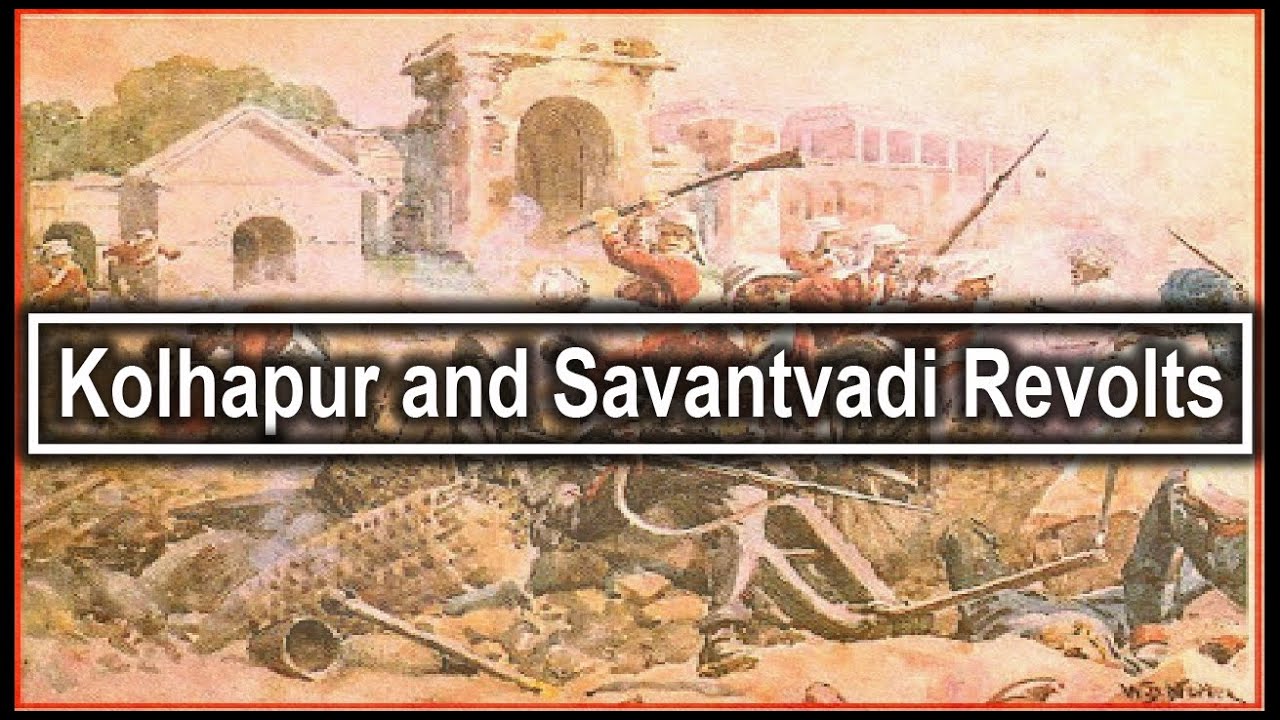
The Civil Uprisings in Kolhapur and Savantvadi show how local soldiers and communities fought back against heavy British interference during the . When colonial rulers altered local administration, it created widespread unemployment among traditional military groups like the Gadkaris. These revolts offer essential insights for students preparing for history examinations about early regional resistance in colonial India.
🎯 In this chapter, you will understand:
- How administrative changes forced hereditary soldiers into open rebellion in .
- The loss of hereditary lands (Watan) and social status suffered by the Gadkaris.
- The causes of repeating revolts in Savantvadi throughout the and .
- How British military power and new laws suppressed local resistance.
💡 Why this topic matters: It highlights how abrupt colonial policy changes damaged traditional livelihoods and triggered early armed rebellions before .
🧠 Core Idea: Removing traditional rulers and disbanding local military forces led directly to fierce regional revolts across western India.
Early Resistance: The Gadkari Revolt in Kolhapur and Recurring Savantvadi Unrest in the 1840s
British administrative restructuring caused widespread unemployment among local military classes, leading directly to armed resistance in Kolhapur and Savantvadi.
Root Causes: Socio-Economic Disruption Fueling Uprisings
The main causes of these revolts were British policies that disbanded hereditary military groups, removed local rulers, and ignored long-standing local customs.
- (i) The Gadkaris served as hereditary garrisons who protected hill forts in Maratha lands. After administrative changes in Kolhapur state in , they lost their jobs and income.
- (ii) Left without work or social standing, the displaced Gadkaris rebelled and captured key mountain forts at Samangarh and Bhudargarh.
Kolhapur's Gadkari Revolt: The Catalyst of Resistance
The rebellion in Kolhapur was a direct reaction to losing customary rights. The Gadkaris took up arms when their long-held duties were canceled without warning.
- (a) Political reorganization in led to the immediate disbandment of the garrison forces.
- (b) Hundreds of armed Gadkaris grouped together to hold strategic hill forts in protest.
- (c) This movement brought them into direct conflict with British troops and local loyalists.
Socio-Economic Impact on Gadkaris
The impact extended beyond lost wages, deeply altering their position in local society:
- Loss of Watan (Hereditary Rights): Disbandment took away traditional land rights linked to fort duty.
- Erosion of Social Status: Losing their roles as traditional guardians created deep personal and community distress.
Persistent Unrest in Savantvadi: Cyclical Political Instability
In Savantvadi, continuous British interference created ongoing instability, making the region prone to repeated uprisings.

- Earlier rebellions in , , and showed clear public discontent with foreign authority.
- The removal of the legitimate local ruler by British officials served as the immediate trigger for renewed unrest in the .
- Unfair land revenue demands and economic struggles further fueled public support for the rebels across the territory.
British Colonial Response: Suppression and Reassertion of Control
British authorities used both legal measures and strong military force to crush the uprisings and restore order.
- (i) Direct emergency laws were passed to stop public gatherings and penalize rebel supporters.
- (ii) Army units were sent to recapture rebel-held forts like Samangarh using artillery.
- (iii) Governance structures were altered after the revolt to keep tight administrative oversight.
Historical Significance: Resistance in Early Colonial India
The uprisings in Kolhapur and Savantvadi clearly highlight the damage caused by sudden colonial reforms and force disbandments. These early local resistance movements provide essential context for understanding the wider peasant and tribal revolts that occurred across India before the major revolt of .
⚡ Quick Revision Capsule: Civil Uprisings in Kolhapur & Savantvadi
Key details of regional uprisings for quick review:
| Event / Group | Time Period | Key Causes & Actions |
|---|---|---|
| Gadkari Revolt | Disbandment of garrison forces; loss of Watan lands; capture of Samangarh fort. | |
| Early Savantvadi Revolts | , , | Ongoing dissatisfaction with British interference and local administration changes. |
| Renewed Savantvadi Unrest | Deposition of the local ruler by British officials combined with heavy land revenue burdens. | |
| British Suppression | – | Military operations to recapture forts and implementation of strict security laws. |
📝 Summary
The civil uprisings in Kolhapur and Savantvadi during the reflect local resistance against rapid British expansion. By removing rulers and disbanding hereditary soldiers like the Gadkaris, colonial policies created severe socio-economic distress, leading to armed conflict prior to .
🚀 Quick Revision Points
Essential facts to review before examinations:
- (i) Gadkaris were hereditary soldiers who guarded hill forts in Maratha territory.
- (ii) The revolt began in after administrative reforms abolished their employment and land rights.
- (iii) Rebel soldiers established centers of defense at Samangarh and Bhudargarh forts.
- (iv) British forces relied on heavy military actions and legislative controls to end the resistance.
- 💡 Exam Tip: Focus on the connection between the loss of Watan (hereditary rights) and the immediate occupation of hill forts by the Gadkaris in .
❓ Frequently Asked Questions (FAQ)
Q1: Who were the Gadkaris?
A1: They were traditional, hereditary soldiers who garrisoned mountain forts in the Maratha region.Q2: What caused the Gadkari Revolt in 1844?
A2: The immediate cause was the British decision to disband the force, causing widespread unemployment and loss of hereditary Watan land rights.Q3: Why was there recurring unrest in Savantvadi?
A3: Persistent unrest was triggered by British intervention, the deposition of the local ruler, and high taxation pressures during the and .