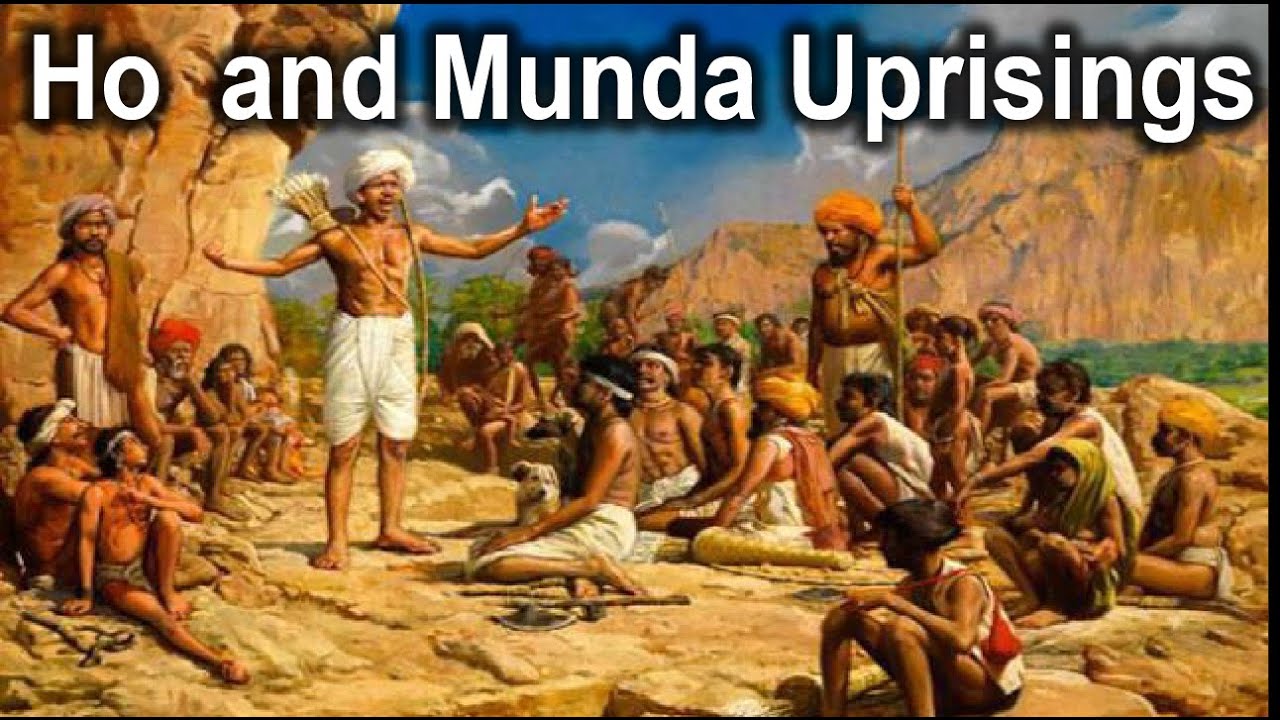
The Ho and Munda uprisings were major tribal revolts that took place across Singhbhum and Chotanagpur between and . They served as a strong show of indigenous resistance against British colonial rules and feudal exploitation. Led by leaders like the Raja of Parahat and Birsa Munda, these events helped shape early tribal political consciousness and remain crucial for students studying India’s freedom struggle.
🎯 In this chapter, you will understand:
- How the Ho tribals fought British expansion in Singhbhum between and .
- The role of Birsa Munda and the Ulgulan movement ().
- The impact of land loss, unfair rents, and outside moneylenders on tribal communities.
- The lasting historical legacy of tribal resistance in India's independence movement.
💡 Why this topic matters: It highlights how early local tribal revolts directly challenged foreign colonial rule and protected native land rights.
🧠 Core Idea: Tribal communities united under traditional leaders to resist economic greed, high land taxes, and external interference in their self-governance.
Detailed Analysis of Ho and Munda Uprisings Against British Colonial Policies and Feudalism in Singhbhum and Chotanagpur (1820s-1900)
The revolts in Singhbhum and Chotanagpur grew out of deep anger over land rights, revenue collections, and colonial expansion into indigenous tribal territories.
Origins and Early Revolts: The Resilience of the Ho Tribals Against Colonial Intrusion
The resistance started when the Ho tribals firmly fought back against British attempts to enter and rule their homeland in Singhbhum to protect their traditional way of living.
- (i) The first phase was led by the Raja of Parahat, who mobilized Ho tribals against the British occupation of strategic areas in Singhbhum (now part of Jharkhand).
- (ii) This early battle went on for several years until , when colonial forces temporarily suppressed the Ho fighters.
- (iii) In , the Ho joined hands with the Mundas of Chotanagpur to start a fresh revolt against British revenue policies and the intrusion of non-tribal outsiders (Bengalis).
- (iv) British forces put down the combined revolt in , but smaller pockets of Ho resistance kept fighting until .
Birsa Munda and the Ulgulan (The Great Tumult): Merging Religious Inspiration with Political Resistance (1899-1900)
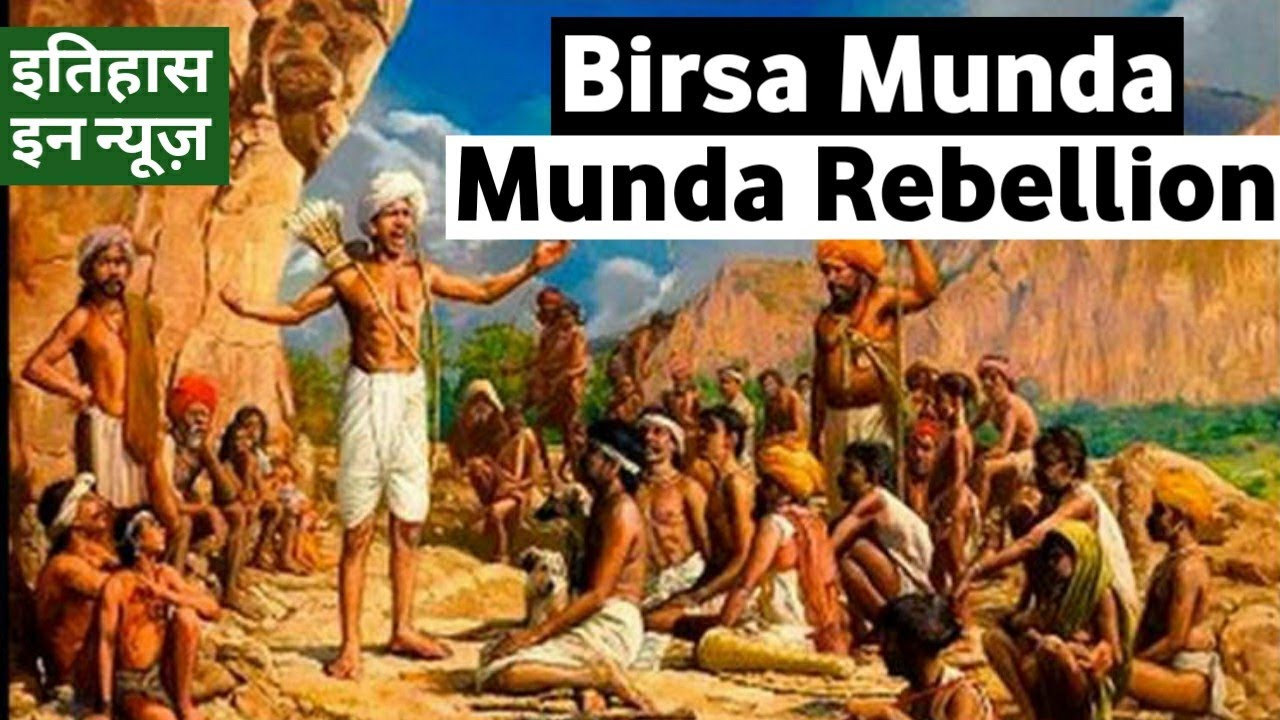
The Munda uprising led by Birsa Munda in is known as the Ulgulan (Great Tumult). It combined spiritual guidance with political action to fight severe colonial oppression and feudal land abuse.

Deep-Rooted Opposition to Feudal Tenures and Economic Exploitation of Munda Lands
The movement was driven by the loss of traditional tribal land systems and the rise of unfair economic practices that harmed local communities.
- (i) The Mundas fought against foreign zamindari tenures, heavy rents, and dishonest money-lenders who tried to seize tribal lands.
- (ii) They opposed corrupt forest contractors and outsiders taking over their ancestral forests and communal fields.
- (iii) They declared that Chotanagpur belonged strictly to them, asserting their right to self-rule and local governance.
The Capture of Birsa Munda, British Suppression, and the Enduring Legacy of Ulgulan
Because the uprising grew so large, the British administration used force to crush it while also recognizing the deep grievances of the tribal population.
- (a) The leader Birsa Munda was eventually captured by British police and imprisoned, ending the active uprising.
- (b) British armed forces used heavy military action to stop the organized revolt across the region.
- (c) Despite military defeat, the Munda uprising left a lasting legacy of tribal unity and early political consciousness.
Summary: Importance of Ho and Munda Uprisings for Understanding India's Early Freedom Struggle
The Ho and Munda uprisings prove how tribal groups in Singhbhum and Chotanagpur strongly resisted British colonial power and local feudal systems. What began as local land disputes grew into broad political movements, setting the stage for future tribal activism. Leaders like Birsa Munda remain national icons of courage, providing vital lessons for students learning about India's freedom struggle.
⚡ Quick Revision Capsule: Tribal Uprisings Overview
A quick comparison of key details surrounding the Ho and Munda tribal movements:
| Movement | Key Leaders & Regions | Main Causes & Timeframe |
|---|---|---|
| Ho Uprising | Raja of Parahat; Singhbhum | British occupation, revenue policies, and non-tribal intrusion (). |
| Munda Uprising (Ulgulan) | Birsa Munda; Chotanagpur | Loss of joint land ownership, zamindari rents, moneylenders (). |
| Key Opponents | British forces, landlords, forest contractors | Exploitative land revenue and destruction of traditional tribal rights. |
| Major Outcomes | Military suppression by colonial forces | Growth of tribal unity, self-rule demands, and long-term political awareness. |
| Historical Impact | National recognition of tribal resistance | Inspirational milestone in India's Freedom Struggle. |
📝 Summary
Between and , tribal uprisings in Eastern India demonstrated strong resistance against British rule and local feudal oppression, as described in historic records of India's Freedom Struggle.
🚀 Quick Revision Points
Essential facts to review before examinations:
- (i) The Ho rebellion began in under the Raja of Parahat in Singhbhum.
- (ii) The Ho and Munda tribes allied in to protest British land revenue policies.
- (iii) Birsa Munda launched the Ulgulan movement in to protect tribal land.
- (iv) These revolts are widely cited in books like History of Modern India as early symbols of freedom.
- 💡 Exam Tip: Focus on the causes (zamindari system, moneylenders, British land tax) and leaders (Raja of Parahat, Birsa Munda) for history exams.
❓ Frequently Asked Questions (FAQ)
Q1: What caused the Ho uprising in Singhbhum?
A1: The uprising was caused by British invasion into tribal areas, high revenue demands, and interference by non-tribal outsiders.Q2: What does Ulgulan mean?
A2: Ulgulan means 'Great Tumult' or 'Revolt', referring to the Munda uprising led by Birsa Munda.Q3: Why are these uprisings important in Indian history?
A3: As documented in India's Struggle for Independence, these revolts highlighted early tribal unity and fighting for self-governance against foreign rule.