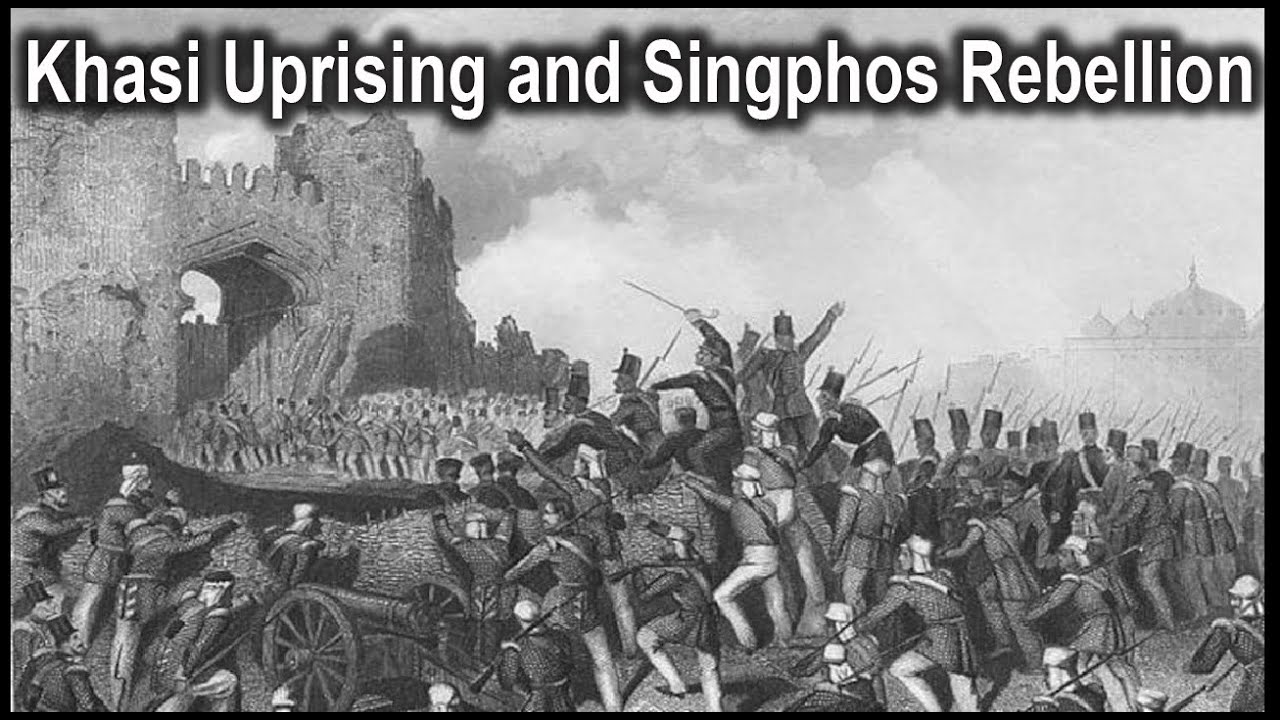
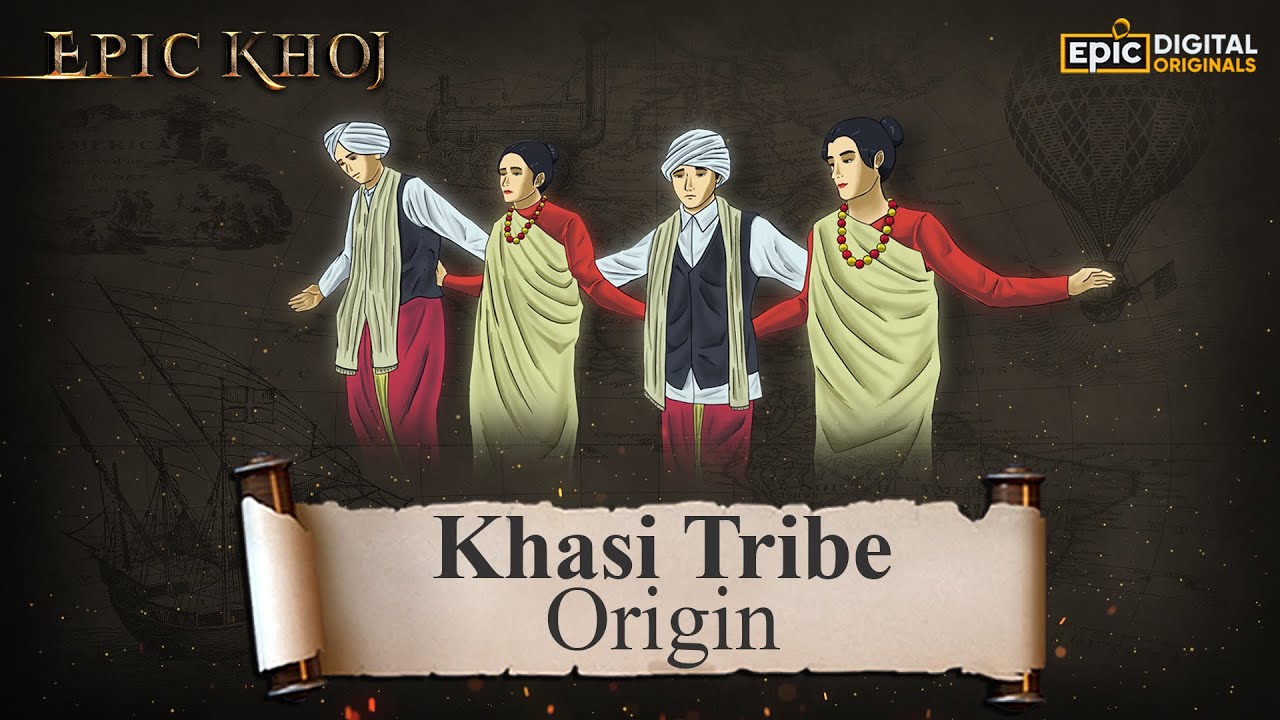
The Khasi Uprising () stands as a key early example of tribal resistance in Northeast India. It focused on protecting local freedom against the expanding roads and posts of the East India Company. This strong movement, led by the brave chief Tirath Singh, built important alliances among the Khasis, Garos, Khamptis, and Singphos. Learning about this struggle in the Garo Hills and Jaintia Hills helps students understand the broader picture of early Indian resistance movements.
🎯 In this chapter, you will understand:
- The main causes and triggers behind the Khasi revolt against British rule.
- The leadership of Chief Tirath Singh and the alliance formed across different tribes.
- How British military power eventually suppressed the four-year resistance.
- The historical impact and lessons this uprising holds for students and historians.
💡 Why this topic matters: It highlights how local tribal communities organized early anti-colonial resistance to safeguard their ancestral land and customs.
🧠 Core Idea: Tribal unity and local leadership challenged British territorial expansion when foreign projects threatened regional independence.
📌 Causes and Background of the Khasi Uprising ()
The Khasi revolt was mainly a direct defense by local people against foreign administrative setups and road projects on sacred tribal land. The root of this conflict lay in the ambitions of the East India Company to gain control over frontier lands in the northeast, which directly disturbed the traditional ways of local communities.
- (i) Geographical Center: The core conflict broke out in the hilly region located between the Garo Hills and Jaintia Hills. The British valued this area highly for its connections and natural resources.
- (ii) The Immediate Trigger (Road Construction): The main cause was the East India Company's plan to build a military and supply road. This road was meant to connect the Brahmaputra Valley directly with Sylhet. Local tribes saw this project as a direct attempt at foreign control.
- (iii) Arrival of Outsiders: Building the road brought in many outsiders, including British officials, Bengali workers, and laborers from the plains. Native hill communities viewed this influx as a threat to their culture, self-rule, and traditional life.
- (iv) Unified Defense: Realizing the shared threat, various tribal groups came together under local leaders to defend their land against colonial military power.
📌 Key Aspects of the Khasi Revolt ()
This period of resistance shows how different tribal groups managed to form a united front, demonstrating the independent spirit of the people living in the northeastern hills.

Strategic and Regional Significance of the Uprising
The resistance was a strong assertion of regional identity. It showed the deep resolve of tribal groups to preserve their ancestral lands and customs from outside rule.
- (i) Strategic Importance: The fierce resistance proved how crucial the Garo Hills and Jaintia Hills were for British control over the northeastern frontier.
- (ii) Protecting Culture: A major goal for the hill people was defending their traditional customs and governance from foreign influence.
- (iii) Roads as Tools of Control: The uprising made it clear that local tribes viewed British development projects, like major roads, as tools for military power rather than local benefit.
Leadership of Tirath Singh and the Tribal Alliance
The revolt gained strength through clear local leadership. Tribal leaders put aside old rivalries to create a multi-tribe coalition that stood up against the colonial army for four years.
- (a) Tirath Singh:Tirath Singh, the Syiem (chief) of Nongkhlaw, became the main leader of the movement. His actions and guidance helped coordinate actions across the difficult hill terrain.
- (b) Cross-Tribal Support: The strength of the fight came from active cooperation among the Khasis, Garos, Khamptis, and Singphos against a common enemy.
- (c) Anti-Colonial Sentiment: The long duration and wide reach of the struggle showed a widespread desire for self-rule among the hill tribes.
Suppression and Lasting Legacy
Despite early success and courageous efforts by tribal forces, British military resources eventually tipped the scale. However, the memory of the struggle inspired later movements.
Military Defeat and End of Resistance
- (i) British Strategy: British forces used stronger weapons along with siege and blockade tactics to weaken the Khasi resistance.
- (ii) End of Organized Resistance: After four years of tough fighting, organized resistance was brought to an end by .
- (iii) Capture of the Chief: The capture and surrender of Tirath Singh marked the end of major fighting, leading to British control over the area.
Historical Example and Value for Students
- (a) Setting an Example: The movement set an example for smaller tribal fights that followed across Northeast India.
- (b) Study Relevance: This event offers valuable insights for students looking into early regional struggles alongside major national events.
⚡ Quick Revision Capsule: Khasi Uprising ()
Here is a quick overview of key facts and figures related to the Khasi resistance movement:
| Aspect | Details | Key Takeaway |
|---|---|---|
| Timeframe | to | A four-year organized tribal struggle. |
| Key Leader | Tirath Singh (Syiem of Nongkhlaw) | Central figure who coordinated multi-tribe resistance. |
| Main Location | Garo Hills and Jaintia Hills | Strategic frontier region in Northeast India. |
| Primary Cause | Road construction connecting Brahmaputra Valley to Sylhet | Resentment against foreign intrusion and land control. |
| Allied Tribes | Khasis, Garos, Khamptis, and Singphos | Example of early cross-tribal unity against colonial power. |
📝 Summary
The Khasi Uprising () was an early tribal movement against the expansion of the East India Company in Northeast India. Led by Tirath Singh, local tribes united across the Garo Hills and Jaintia Hills to defend their land, autonomy, and cultural ways against foreign road construction projects. Although British forces suppressed the movement by , the revolt remains a significant milestone in early regional history.
🚀 Quick Revision Points
Essential facts to review before examinations:
- (i) The revolt was triggered by a British road project linking the Brahmaputra Valley and Sylhet.
- (ii) Tirath Singh, chief of Nongkhlaw, led the unified tribal forces.
- (iii) The resistance brought together the Khasis, Garos, Khamptis, and Singphos.
- (iv) British military tactics suppressed the uprising by .
- 💡 Exam Tip: Focus on the immediate cause (the Brahmaputra-Sylhet road project) and the leadership role of Tirath Singh when answering questions on early tribal movements in Northeast India.
❓ Frequently Asked Questions (FAQ)
Q1: What caused the Khasi Uprising?
A1: The primary trigger was the construction of a British road connecting the Brahmaputra Valley to Sylhet through tribal lands, which local communities saw as an invasion of their autonomy.Q2: Who was the main leader of the Khasi Uprising?
A2: The uprising was led by Tirath Singh, the Syiem (chief) of Nongkhlaw.Q3: Which tribes participated in this resistance?
A3: The resistance included alliances among the Khasis, Garos, Khamptis, and Singphos.