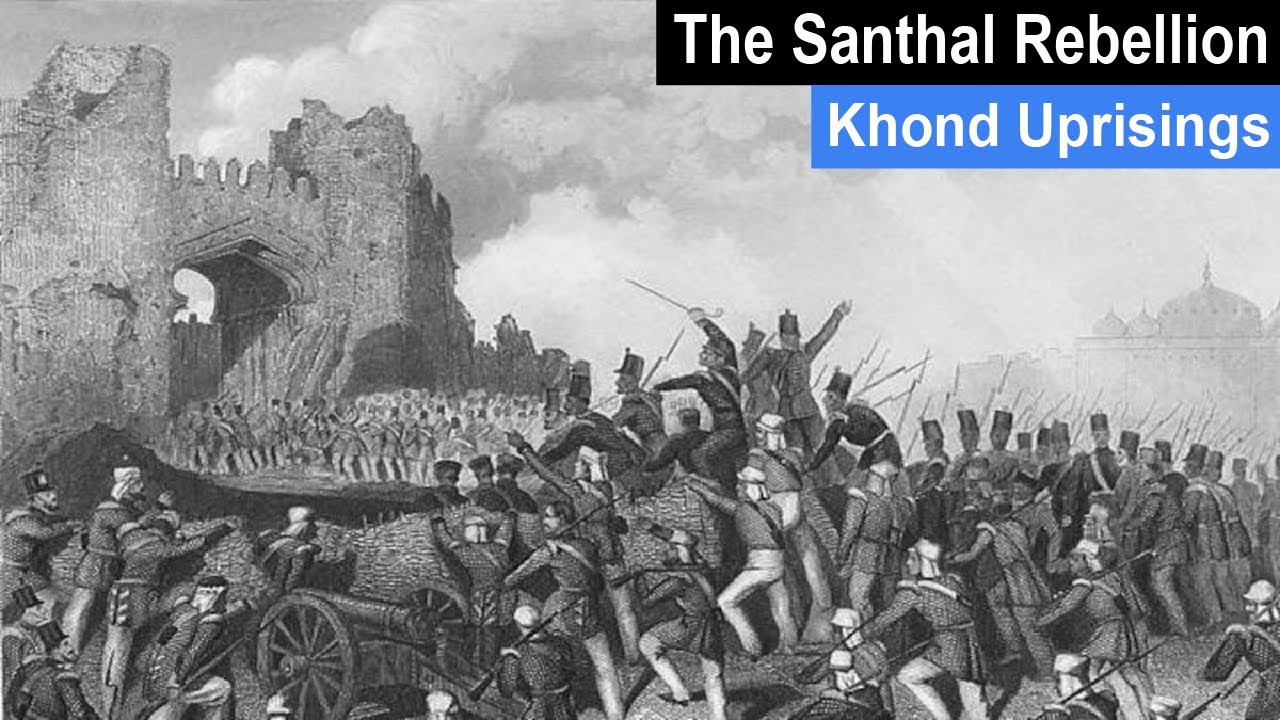
The Khond Uprisings were a series of strong armed clashes from . They form one of the most important tribal rebellions in Indian history under British rule. Led by the independent Khond people of Odisha and Andhra Pradesh, this movement challenged the unfair policies of the British East India Company. The Khonds fought to defend their holy traditions, land, and freedom, making this a vital topic for history exams.
🎯 In this chapter, you will understand:
- The geographic spread and early causes of the Khond rebellion from .
- The leadership of Chakra Bisoi and his alliances with neighboring tribes.
- Socio-economic triggers, including tax burdens, land loss, and British bans on tribal customs.
- The long-term impact of the revolt and its resurgence in .
💡 Why this topic matters: It highlights early tribal unit strength and resistance against foreign administrative rule, showing how native communities defended their identity.
🧠 Core Idea: Tribal populations united under dynamic leadership to protect their social independence, land, and spiritual rituals from British interference.
Khond Uprisings: Tribal Revolt Against Colonial Exploitation (1837–1856) in Odisha and Andhra Pradesh
The Khond tribes launched a sustained resistance between . Their movement covered large, hilly regions stretching from Odisha down to Srikakulam and Visakhapatnam in the south.
- This early phase grew out of tribal anger against growing British control over their local resources and daily life, leading to a long struggle.
- (i) Discontent grew due to systematic Company interference, which damaged traditional tribal farming and social customs built over generations.
- (ii) Fighting spread quickly across dense mountain tracts in eastern India, turning forests into places for guerrilla fighting.
- (iii) Strong tribal unity and broad support among common people kept the movement active for nearly two decades.
Inspirational Leadership and Growing Mobilization under Chakra Bisoi
Separate sparks of resistance united under Chakra Bisoi, a young tribal leader who became the head of the movement. He gained support from nearby non-Khond groups, expanding the region and fighting force of the rebellion.
Crucial Alliances in the Khond Uprisings and Regional Support Base
Chakra Bisoi built strong partnerships with other local groups, turning the struggle into a larger regional movement against British rule.
- (i) The Ghumsar tribe joined the Khonds, adding skilled fighters to the resistance.
- (ii) The Kalahandi people saw the common threat and brought their forces to help fight the East India Company.
- (iii) Other smaller tribal communities provided food, shelter, and fighting support to the main forces under Chakra Bisoi.
Core Socio-Economic Causes Driving the Khond Revolt (1837–1856)
The revolt was a response to damaging colonial policies that harmed tribal culture and financial independence.
- (a) Cultural Interference and Religious Suppression: British officials banned the traditional ritual sacrifice known as Meraih. The Khonds saw this practice as vital for soil fertility and farm well-being, so the ban caused deep cultural outrage.
- (b) Economic Burden through Taxation: The introduction of new land and forest taxes placed heavy financial burdens on poor tribal families, pushing many into debt.
- (c) Land Alienation and Encroachment: Unfair land entry by money lenders and landlords, backed by colonial laws, took away traditional tribal farming lands.
Detailed Impact of Zamindari Encroachment on Tribal Lands
- (1) Land acquisition forced many Khond families to leave their ancestral home areas in the forest.
- (2) Autonomous landowners were turned into tenant workers or landless laborers on their own soil, creating lasting resentment.
Decline of the Uprising and the Enduring Legacy of Khond Resistance
Despite heavy tribal support, the rebellion faced difficulties due to stronger British military equipment and the loss of key leadership.
- Disappearance of Chakra Bisoi: The unexpected disappearance of Chakra Bisoi around left the rebellion without a central coordinator, leading to its eventual decline.
- The 1914 Uprising: The desire for self-rule remained alive. A new major revolt broke out in Odisha in , showing the long-lasting desire of the Khonds to protect their freedom.

⚡ Quick Revision Capsule: Khond Uprisings (1837–1856)
Key information regarding the Khond resistance for quick review:
| Key Aspect | Details & Historical Facts | Impact / Significance |
|---|---|---|
| Primary Leader | Chakra Bisoi | United scattered groups and built regional tribal alliances. |
| Timeframe | (Resurgence in ) | Nearly two decades of primary resistance against British expansion. |
| Key Regions | Odisha, Srikakulam, Visakhapatnam, Ghumsar, Kalahandi | Dense mountain and forest areas used for defense and surprise tactics. |
| Major Grievances | Ban on Meraih custom, new land taxes, landlord encroachment | Sparked deep defense of cultural sovereignty and local land rights. |
| Later Resurgence | 1914 Odisha Khond Movement | Showed enduring tribal commitment to local self-rule. |
📝 Summary
The Khond Uprising remains a landmark struggle against foreign intrusion during the nineteenth century. Centered in Odisha and Andhra Pradesh, it challenged British economic demands and interference in local life. Although organized fighting decreased after the disappearance of Chakra Bisoi around , the movement inspired later struggles like the rebellion.
🚀 Quick Revision Points
Essential facts to review before examinations:
- (i) The uprising lasted from in eastern India.
- (ii) Chakra Bisoi coordinated forces across Ghumsar and Kalahandi.
- (iii) British attempts to suppress the Meraih ritual created strong cultural outrage.
- (iv) Unfair land taxes forced many tribal farmers off their inherited property.
- 💡 Exam Tip: Focus on the underlying causes (cultural bans, new taxes, land entry) and key alliances built under Chakra Bisoi for competitive exam questions.
❓ Frequently Asked Questions (FAQ)
Q1: What was the main cause of the Khond Uprising?
A1: It was triggered by British land entry, new taxes, and government bans on the traditional Meraih ritual custom.Q2: Who led the Khond resistance during this period?
A2: The movement was led by Chakra Bisoi, who united various local tribes across Odisha and Andhra Pradesh.Q3: Did the spirit of rebellion end after 1856?
A3: No, although primary fighting slowed down, a major new rebellion broke out again in Odisha in .
Conclusion: Importance of Khond Uprising (1837–1856) for Exam Preparation
The Khond Uprising serves as a key example of historical tribal resistance to economic and cultural pressure in nineteenth-century India. Spanning regions across Odisha and Andhra Pradesh, the conflict showed resistance to unfair taxes, land alienation, and colonial administrative bans on indigenous rituals. Learning about this revolt helps history students understand early tribal participation in the broader context of Indian independence history.