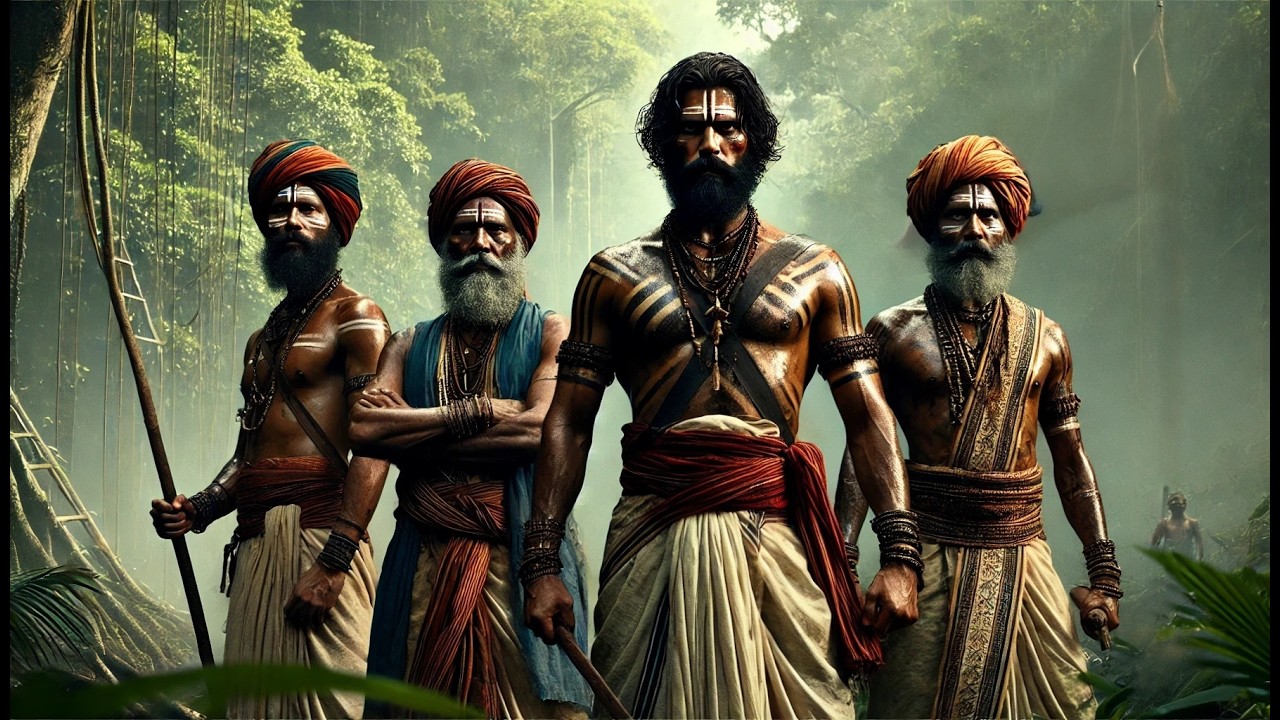
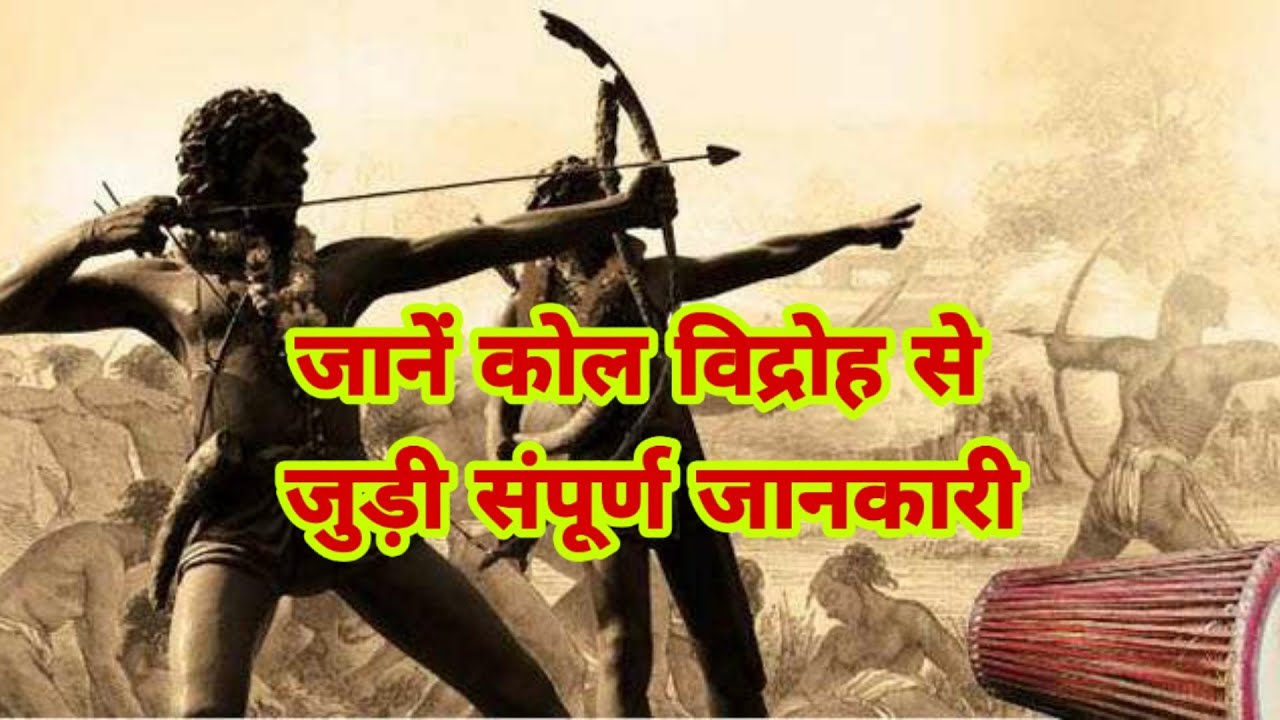
The Kol Mutiny of stands as a major historical turning point. It marked a fierce tribal uprising against colonial oppression across the vast Chhotanagpur plateau. Covering regions such as Ranchi, Singhbhum, Hazaribagh, Palamau, and western Manbhum, this revolt was triggered by the continuous exploitation of the Kol tribes by external settlers—known as outsiders—and the damaging impact of British tax and legal policies on traditional tribal life. Learning about this key event gives students preparing for history exams clear insights into how early tribal resistance movements started in India.
🎯 In this chapter, you will understand:
- How traditional land loss and land alienation ignited the Kol Mutiny in 1831.
- The exploitative practices of non-tribal landlords, moneylenders, and traders.
- The disruptive effects of British administrative and court systems on tribal customs.
- The role of leaders like Buddho Bhagat and the historical impact of the uprising.
💡 Why this topic matters: It highlights the earliest organized tribal resistance against unfair land laws and colonial governance in British India.
🧠 Core Idea: Unchecked land grabs and heavy taxation forced tribal communities to unite under strong leadership to defend their land and traditional rights.
The Kol Mutiny (): A Story of Land Alienation and Resistance in Chhotanagpur
The Kol Mutiny began due to widespread land loss, heavy exploitation by non-tribal settlers, and strict British policies that broke down the traditional way of life. This large uprising grew out of the sudden loss of land rights and economic support among the indigenous Kol communities living in Chhotanagpur.
Key factors that led to the eruption of the revolt across the region included:
- (i) The Kols were the original inhabitants of Ranchi, Singhbhum, Hazaribagh, Palamau, and western Manbhum, managing their lands through customary community rules.
- (ii) In , large areas of ancestral land were taken away from traditional Kol headmen (Mundas and Mankis) and handed over to non-tribal outsiders, including Hindu, Sikh, and Muslim farmers, merchants, and moneylenders.
- (iii) The condition of the tribal people grew worse due to high taxes, illegal fees, forced unpaid labor (Betti or Begari), and unfair treatment by new landlords.
- (iv) Foreign British legal and tax rules ignored traditional tribal customs and weakened local village self-governance.
- (v) Guided by their leader Buddho Bhagat, the Kol rebels launched organized attacks, resulting in nearly a thousand outsiders being killed or driven out and their properties destroyed.
- (vi) The revolt spread rapidly, and the colonial government only managed to regain control after deploying large British military forces.
Root Causes and Revolutionary Leadership of the Kol Mutiny
The rebellion was rooted in a fight for survival against land theft and economic pressure, bringing the tribes together under the leadership of Buddho Bhagat.

The Crisis of Land Alienation and Socio-Economic Exploitation
Taking away ancestral lands damaged both the economic stability and cultural heritage of the Kol people, driving widespread anger.
- (i) Transfer of Headmen's Land: Ancestral lands belonging to traditional Kol village headmen were systematically transferred to non-tribal settlers.
- (ii) Exploitation by Outsiders: Non-tribal landlords and moneylenders charged high interest rates and heavy taxes, trapping the Kols in constant debt.
- (iii) Economic Hardship and Indignity: Losing control over their forests and fields reduced the tribal population to poor, dependent laborers.
The Disruptive Impact of British Administrative and Judicial Policies
New colonial laws and tax collection methods directly clashed with traditional tribal self-governance.
- (a) Undermining Tribal Authority: Official British courts bypassed tribal headmen, taking away their community authority.
- (b) Revenue System Favors Outsiders: Colonial tax systems favored new non-tribal landholders over the original Kol farmers.
- (c) Social and Systemic Disruption: Imposing external laws broke apart the village community structure that had protected tribal societies for generations.
The Revolutionary Leadership of Buddho Bhagat and Rebel Actions
Faced with continuous injustice, the Kols united under strong leadership to push out foreign oppressors and restore their traditional rights.
Leadership and organized action during tribal uprisings in colonial India. - Buddho Bhagat: The main leader who directed the uprising and led attacks against oppressive landholders and colonial officials.
- Rebel Actions and Scale of Violence: The rebels acted quickly and decisively, resulting in nearly a thousand outsiders killed or displaced and extensive property damage.
- Colonial Suppression: The British government responded with strong military force to put down the uprising and restore colonial control.
⚡ Quick Revision Capsule: Overview of the Kol Mutiny (1831)
Key historical facts regarding the 1831 Kol Rebellion in Chhotanagpur:
| Historical Aspect | Key Details | Impact & Significance |
|---|---|---|
| Event Name & Date | The Kol Mutiny () | One of the earliest organized tribal resistance movements against colonial rule. |
| Major Regions Covered | Chhotanagpur Plateau (Ranchi, Singhbhum, Hazaribagh, Palamau, Manbhum) | Spread rapidly across major tribal districts in Eastern India. |
| Primary Leader | Buddho Bhagat | Provided strategic leadership and unified local tribal bands. |
| Main Causes | Land alienation, high taxes, forced labor (Begari), and new courts | Replaced traditional headmen (Mundas and Mankis) with non-tribal outsiders. |
| Colonial Response | Suppressed through extensive British military action | Highlighted the urgent need to protect tribal land rights in future policies. |
📝 Summary
The Kol Mutiny of in Chhotanagpur was a powerful protest against forced land loss, heavy taxes, and forced unpaid labor. Non-tribal landlords and strict British governance disrupted traditional tribal life, prompting the Kol people to unite under Buddho Bhagat. Although the uprising was suppressed by military force, it remains a landmark event in the history of Indian tribal resistance against foreign rule.
🚀 Quick Revision Points
Essential facts to review before examinations:
- (i) Land Seizures: Ancestral land was transferred from traditional Kol headmen to non-tribal settlers.
- (ii) Economic Pressure: High interest rates from moneylenders and forced labor (Begari) caused severe poverty.
- (iii) Administrative Disruption: Foreign British courts replaced traditional tribal governance systems.
- (iv) Leadership:Buddho Bhagat organized the tribes to fight back and reclaim their rights.
- 💡 Exam Tip: Remember that the primary cause of the Kol Mutiny was land alienation—the systematic transfer of tribal land to non-tribal outsiders (dikus)—and the breakdown of the customary Munda/Manki administrative system.
❓ Frequently Asked Questions (FAQ)
Q1: When did the Kol Mutiny take place and which areas were affected?
A1: The Kol Mutiny took place in across the Chhotanagpur region, affecting Ranchi, Singhbhum, Hazaribagh, Palamau, and western Manbhum.Q2: Who was the main leader of the 1831 Kol Rebellion?
A2: The primary leader was Buddho Bhagat, who mobilized the Kol tribes against exploitative landlords and colonial officials.Q3: What were the main reasons for the Kol uprising?
A3: The main reasons were large-scale land transfers to non-tribal outsiders, heavy tax demands, forced unpaid labor (Begari), and British legal policies that dismantled traditional tribal governance.