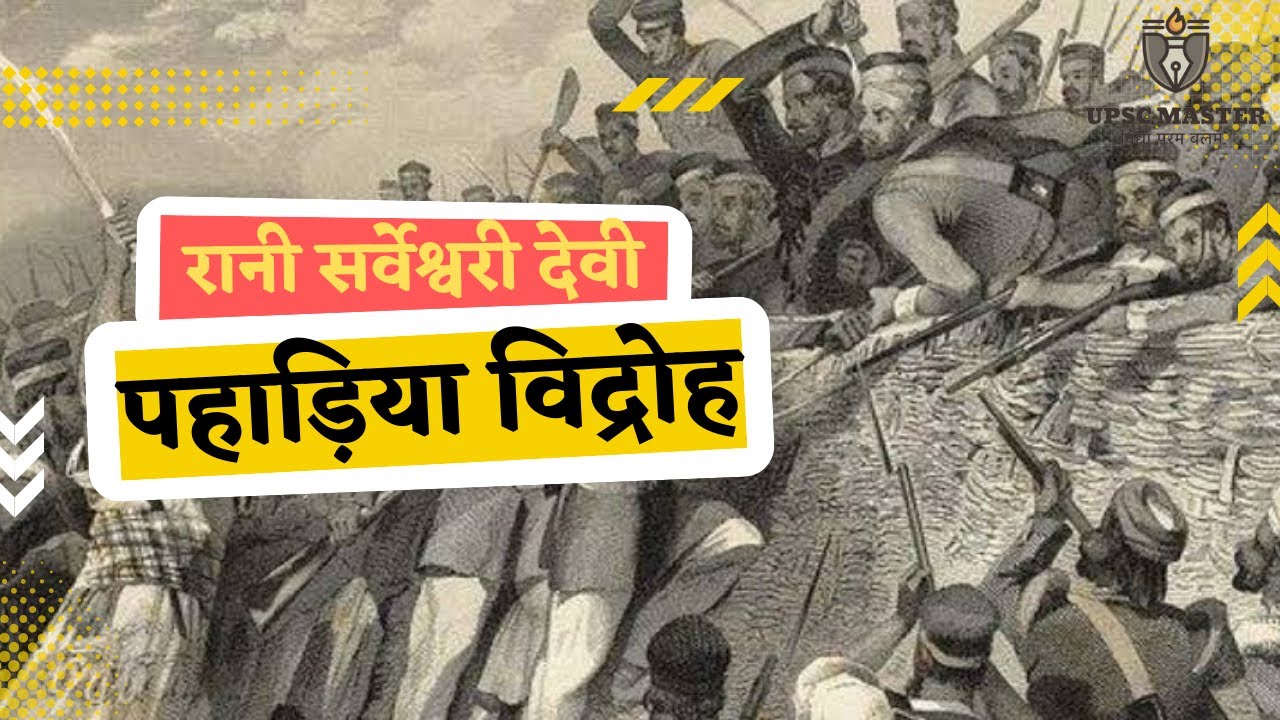
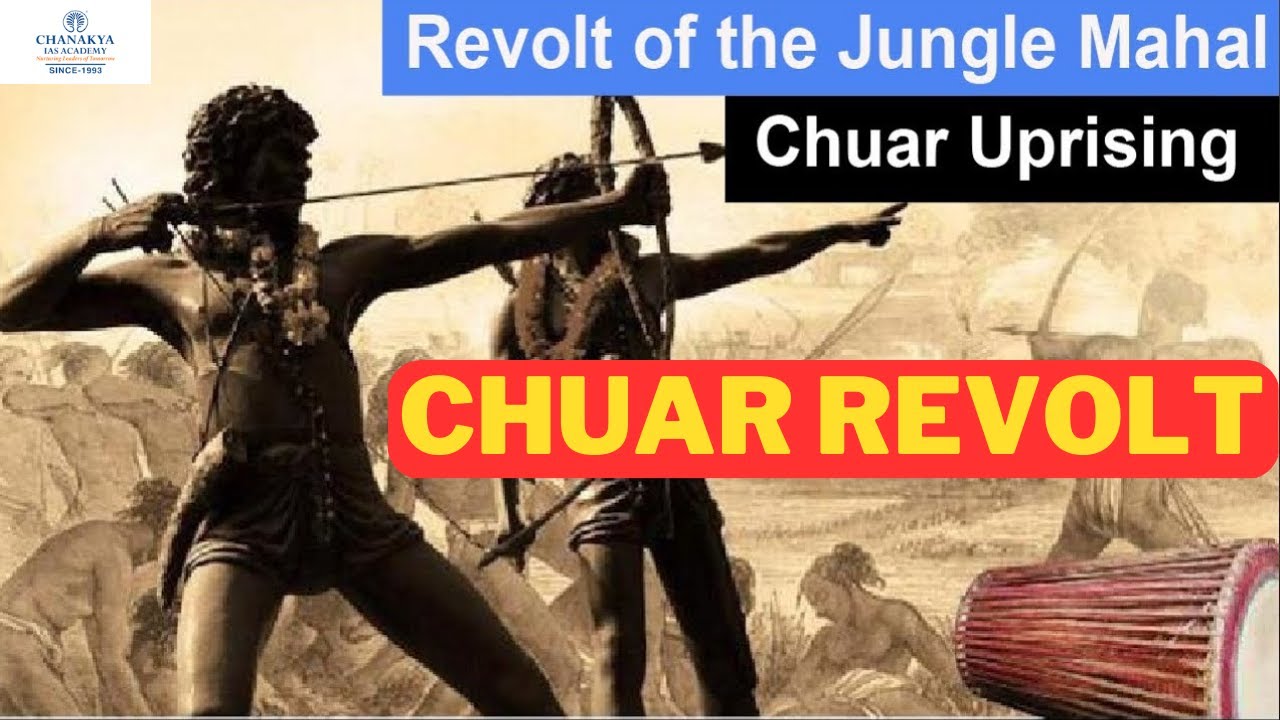
The Pahariya's Rebellion in and the long-drawn Chuar Uprising, which lasted from to , were major moments of tribal resistance against British expansion in eastern India. These conflicts started because the colonial state took over tribal lands, imposed heavy taxes on land, and failed to manage severe famines. These events show how indigenous communities like the Pahariyas and Chuar tribes stood up to protect their homes and traditions. For any student of Indian history, these movements are clear examples of early opposition to foreign rule.
🎯 In this chapter, you will understand:
- The causes and outcome of the Pahariya Rebellion in .
- The socio-economic triggers behind the extended Chuar Uprising ().
- The role of leaders like Durjan Singh and the key phases of resistance.
- Why historians often call this movement the Revolt of the Jungle Mahal.
💡 Why this topic matters: It highlights how early tribal communities actively resisted colonial policies, land loss, and unfair revenue demands long before national freedom movements began.
🧠 Core Idea: High taxes, land takeover, and famine forced indigenous tribes to fight back using local knowledge and guerrilla tactics to safeguard their territorial sovereignty.
Pahariya's Rebellion and Chuar Uprising (1766–1816): Deep-Rooted Tribal Resistance Against British Colonialism
The Pahariya Rebellion of began when British authorities started entering traditional hill areas, disturbing the peaceful life and local authority of the tribes.
This strong reaction happened because British officials wanted more control over land and local resources, which directly hurt the lives of the Pahariya people.
- (i) The movement broke out in as British expansion threatened the freedom and territory of the local hill dwellers.
- (ii) To stop the fights and gain control, British authorities separated the Pahariya lands and created the damni-kol area. While they claimed this was done to restore peace, it was really a tactic to keep the tribe isolated and quiet.
- (iii) The damni-kol area acted as an artificial border that limited the movements and daily work of the Pahariyas, causing ongoing clashes and bigger revolts.
Chuar Uprising: The Extensive Revolt of the Jungle Mahal (1766–1816)
The Chuar Uprising was a wider and longer revolt that lasted for decades across Midnapore and Bankura. It was driven by food shortages, economic hardship, and heavy land taxes collected by the British administration.

Root Causes: Socio-Economic Distress and Colonial Exploitation
The uprising started due to a combination of natural disasters and harsh colonial decisions that took away local freedoms.
- (i) A massive famine destroyed crops and food supplies. Despite this hardship, British officials demanded full and heavy land taxes.
- (ii) This caused severe financial stress, especially for tribal farmers and hunters who lost their traditional land rights and property.
- (iii) The arrival of British courts and administrative rules disrupted traditional governance, making local communities even more determined to fight back.
Key Leaders, Distinct Phases, and Brutal Suppression of Chuar Resistance
The resistance continued in waves over fifty years under the direction of several brave local figures who organized the people.
- (a) Important leaders included Jagannath Singh, Shyam Ganjan, Subla Singh, Dubraj, and Durjan Singh.
- (b) The first phase lasted from to . After a period of quiet, a stronger second wave took place between and .
- (c) The revolt led by Durjan Singh in was one of the largest uprisings, though British forces eventually used heavy military force to crush it.
Nomenclature: The Preference for 'Revolt of the Jungle Mahal'
Historians often prefer a broader name for this long conflict due to the wide range of communities involved.
- (i) Since many local groups joined the fight alongside the Chuars, many scholars use the term Revolt of the Jungle Mahal instead of just Chuar Uprising.
- (ii) This name highlights the combined effort of forest communities across Midnapore and Bankura to protect their rights and livelihoods against British interference.
Long-Term Impact: Indigenous Agency Under Early Colonial Rule
The persistent fights by the Pahariya and Chuar communities proved that native populations would not accept foreign control without a fight.
- Land Dispossession: Unfair tax collection and land loss turned free tribal families into struggling laborers on their own lands.
- Guerrilla Tactics: Tribal fighters used their knowledge of thick forests and local paths to launch surprise attacks and evade British troops for years.
- Failure of Pacification: The long delay in ending these revolts showed that simple military force could not easily break the spirit of local communities defending their homes.
⚡ Quick Revision Capsule: Tribal Uprisings (1766–1816)
Here is a quick overview of the two major early tribal movements in eastern India:
| Movement | Time Period & Leaders | Key Causes & Events |
|---|---|---|
| Pahariya Rebellion | (Pahariya Hill Chiefs) | British entry into hill lands; establishment of the damni-kol area to restrict tribal movements. |
| Early Chuar Phase | (Jagannath Singh, Subla Singh) | First wave of resistance caused by sudden land revenue demands after British expansion. |
| Major Chuar Resurgence | (Durjan Singh in ) | Widespread revolt triggered by severe famine, land auctions, and destruction of traditional rights. |
| Broader Terminology | Also known as Revolt of the Jungle Mahal | Reflects the united fight of multiple forest-dwelling groups across Midnapore and Bankura districts. |
📝 Summary
The Pahariya Rebellion of and the long Chuar Uprising () show how early tribal societies resisted British colonial policies. Led by figures like Durjan Singh, these tribes fought against land loss, heavy taxes, and severe famine. For every student of Indian history, these movements highlight the strength, courage, and determination of indigenous people in protecting their freedom and traditional way of life.
🚀 Quick Revision Points
Essential facts to review before examinations:
- (i) The Pahariya Rebellion in led to the creation of the restricted damni-kol area.
- (ii) The Chuar Uprising spanned five decades between and in Midnapore and Bankura.
- (iii) Natural disasters like famine combined with harsh land taxes were the main causes of tribal discontent.
- (iv) This series of protests is widely studied under the title Revolt of the Jungle Mahal.
- 💡 Exam Tip: Remember that the term Revolt of the Jungle Mahal is preferred by historians because it includes multiple forest communities, not just the Chuar tribe.
❓ Frequently Asked Questions (FAQ)
Q1: Why did the Pahariya Rebellion take place in 1778?
A1: It started because British forces entered traditional hill lands, threatening local independence and restricting tribal movements with the creation of the damni-kol area.Q2: What were the main causes of the Chuar Uprising?
A2: The movement was caused by a severe famine, heavy British land taxes, loss of ancestral lands, and interference with traditional tribal governance.Q3: Why do some historians call it the Revolt of the Jungle Mahal?
A3: They use the name Revolt of the Jungle Mahal because many non-Chuar forest communities across Midnapore and Bankura joined together in the fight.