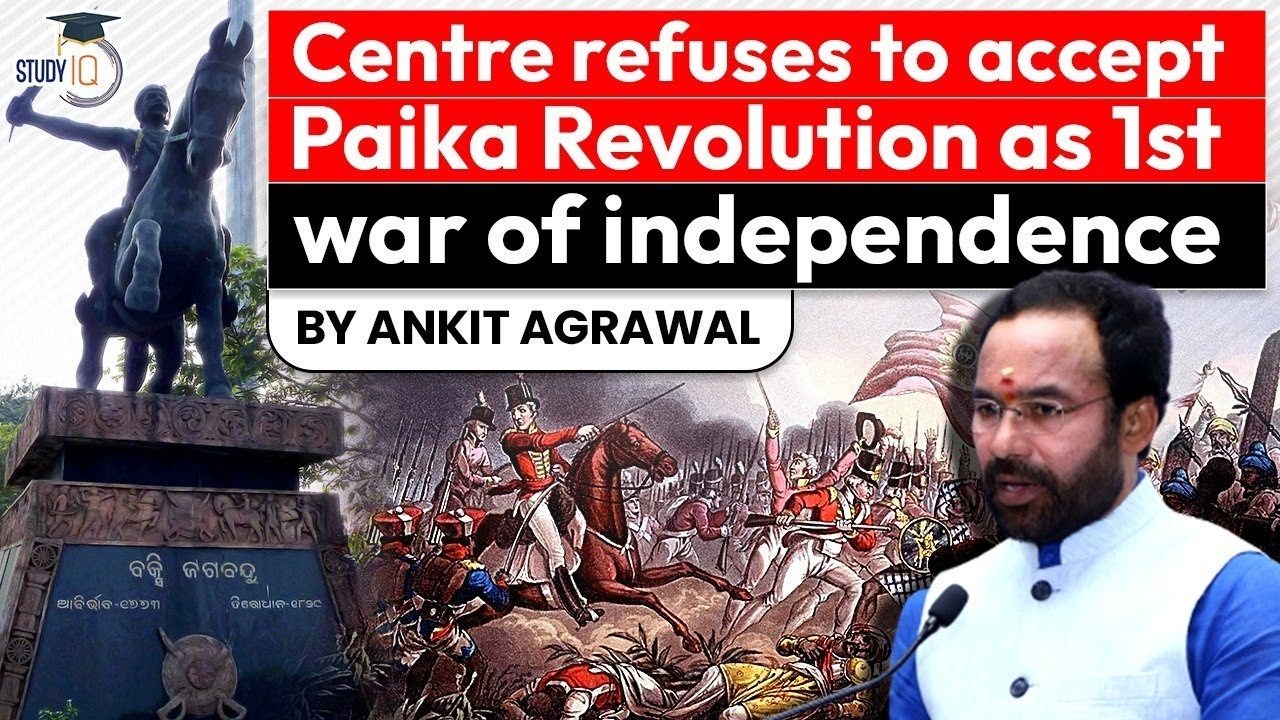
The Paika Rebellion (also known as the Paika Bidroh) of in Odisha stands as a major historic uprising against the harsh policies of the British East India Company. General Bakshi Jagabandhu Bidyadhar led the movement with strong backing from Mukunda Deva, the last ruling king of Khurda, along with local zamindars. Driven by unfair land revenue policies, rising costs, and the sudden end of the traditional cowrie currency, the traditional Paik soldiers rose up in arms. This revolt is a key study for history students showing early regional resistance and unity against foreign rule before the major events of .
🎯 In this chapter, you will understand:
- The historical background of the Paika Rebellion of in Odisha.
- Key economic causes, including land loss, salt monopolies, and currency changes.
- The military and political leadership of Bakshi Jagabandhu Bidyadhar.
- The lasting administrative reforms forced upon the British government.
💡 Why this topic matters: It highlights early anti-colonial resistance in India, serving as a classic example of local community action and military rebellion prior to .
🧠 Core Idea: Traditional soldier-farmers (Paiks) and regional leaders in Odisha united to fight back when British rule destroyed their livelihoods and culture.
Paika Rebellion (1817): Odisha's Fierce Uprising Against British East India Company Exploitation and Revenue Policies
The takeover of Odisha by British forces fundamentally disrupted the local social structure, turning loyal hereditary militias into active rebels.
The Story of the Paika Bidroh: Context and Initial Mobilization Against Colonial Oppression
The Paika Rebellion grew from deep anger following the British takeover, which stripped long-standing rights from traditional local guards and landowners.
- (i) The Paiks of Odisha were traditional foot soldiers who held tax-free lands (called Jagirs) in return for military service to the Raja of Khurda.
- (ii) Their secure way of life was destroyed after the British conquered Odisha in and removed the Raja of Khurda from power.
- (iii) Severe money problems worsened due to heavy tax demands, high salt prices, and the sudden ban on using cowrie currency for trade.
- (iv) This economic collapse led to widespread revolt led by Bakshi Jagabandhu Bidyadhar, supported by Mukunda Deva and local landowners.
The Drivers of Resistance: Causes and Grievances Behind the Paika Bidroh
The rapid collapse of local social and financial systems under British administration acted as the main trigger for the uprising.

Economic Dislocation and the Impact of Currency Abolition on Local People
British tax policies ignored traditional habits, creating severe poverty and a strong demand to bring back the old kingdom system.
- (i) Exploitative Land Revenue: New tax rules demanded strict cash payments, causing many Paiks to lose their ancestral land.
- (ii) Inflation and Salt Monopoly: A government monopoly on salt made this basic daily item expensive, hurting poor families.
- (iii) Abolition of Cowrie Currency: Stopping the use of customary cowrie currency disrupted local daily shop trading across villages.
Political and Military Catalyst: The Leadership of Bakshi Jagabandhu
The uprising gained strength through unified leadership that combined military skill with the authority of the royal house.
- (a) Loss of Jagirs:Bakshi Jagabandhu Bidyadhar lost his own inherited land, giving him strong personal motivation to lead the struggle.
- (b) Royal and Zamindari Support: Backing from the deposed king Mukunda Deva and local landholders gave political legitimacy to the revolt.
- (c) Initial Successes: Using local forest terrain knowledge, the rebels successfully pushed back British units in early encounters.
Community Solidarity and the Struggle Against British Reprisals
The strength of the revolt came from brave community backing, even under severe military crackdowns by British forces.
Deep Local Support and the Shelter Provided to Paika Leaders
British officers offered high cash rewards for rebel leaders, but local villagers steadfastly refused to betray them.
- (i) Raja of Nayagarh's Role: Rebel commanders like Bakshi Jagabandhu received safe shelter from the Raja of Nayagarh and nearby chieftains.
- (ii) Mass Communal Support: Common citizens protected rebel groups, allowing the movement to continue fighting for months.
British Repression and the Final Surrender of Jagabandhu
The British East India Company deployed heavy troops to crush the rebellion and restore complete control over the region.
Brutal Suppression Measures (1818)
Punitive military action was taken across villages to bring the area back under complete colonial control.
- (i) By mid-, large military forces restored order using strict counter-insurgency tactics.
- (ii) Public executions were carried out, including the hanging of priests who offered shelter to rebel leaders.
Fate of Bakshi Jagabandhu
The final phase of the movement saw the leader surrender peacefully after years of hiding.
- (a) Realizing further armed struggle was no longer possible against superior forces, Bakshi Jagabandhu surrendered in .
- (b) He passed away while under restricted house custody in , ending the active military period of the movement.
⚡ Quick Revision Capsule: Paika Rebellion Overview
Key facts and figures regarding the Paika Rebellion of for quick review:
| Key Aspect | Historical Detail | Significance / Impact |
|---|---|---|
| Event Name | Paika Rebellion (Paika Bidroh) | Early regional armed struggle in Odisha against British colonial rule. |
| Time Period | – (Surrender in ) | Pre-dates the Great Revolt of by four decades. |
| Key Leaders | Bakshi Jagabandhu Bidyadhar, Mukunda Deva | United royal authority, military militia, and local zamindars. |
| Primary Triggers | Loss of tax-free Jagirs, salt tax, removal of cowrie currency | Created widespread poverty and economic disruption across all classes. |
| Policy Outcome | Tax reductions, remissions, and new land tenures | Forced British authorities to lower tax burdens and reform administration. |
Lasting Impact and Concessions Following Paika Resistance
Although defeated militarily, the sheer force of the revolt compelled colonial administrators to change their policies.
Reforms and Administrative Changes Post-1817 Revolt
To prevent future uprisings in Odisha, the British introduced several helpful financial reforms.
- (i) Financial Relief: Unpaid land tax debts were forgiven to help struggling farmers recover.
- (ii) Land Assessment Reductions: Land tax demands were lowered significantly across districts.
- (iii) Introduction of New Tenures: Stable, fixed land lease agreements replaced sudden and random tax hikes.
Historical Significance: Paika Rebellion (1817) for Students of Indian History
The Paika Rebellion of remains an important topic when learning about early Indian freedom struggles. Led courageously by Bakshi Jagabandhu Bidyadhar, it brought together traditional Paik soldiers, royal leaders, and farmers against harsh foreign rule in Odisha. The movement demonstrated grassroots planning and local unity, forcing the government to grant financial relief. For history students, this uprising serves as an inspiring example of early anti-colonial resistance long before the famous events of .
📝 Summary
The Paika Rebellion () was a major early uprising in Odisha against the British East India Company. Led by military chief Bakshi Jagabandhu, the revolt was caused by lost land rights, new salt laws, high taxes, and the removal of local cowrie currency. Though British troops put down the fighting by , the revolt forced the administration to lower taxes and offer fixed land agreements, marking a key milestone in pre- Indian history.
🚀 Quick Revision Points
Essential facts to review before examinations:
- (i) Paiks were traditional militia who owned rent-free Jagir lands under the Raja of Khurda.
- (ii) British occupation in abolished Jagirs and ended the use of cowrie currency.
- (iii) Bakshi Jagabandhu Bidyadhar spearheaded the revolt in with wide community backing.
- (iv) British authorities crushed the revolt by , but lowered land taxes and granted debt relief afterward.
- 💡 Exam Tip: Remember the specific economic causes for exam questions: loss of tax-free Jagirs, salt tax monopoly, high cash tax demands, and the abolition of cowrie currency.
❓ Frequently Asked Questions (FAQ)
Q1: Who was the main leader of the Paika Rebellion of 1817?
A1: The uprising was led by Bakshi Jagabandhu Bidyadhar, the military commander of the king of Khurda.Q2: What was cowrie currency and why did its removal cause problems?
A2: Cowrie currency was small sea shells used as traditional local money in Odisha. Stopping its use hurt daily village trading and forced people into difficult cash tax systems.Q3: Did the Paika Rebellion lead to any administrative changes?
A3: Yes, the British reduced land taxes, cleared unpaid tax debts, and introduced stable fixed land tenures for local landholders.