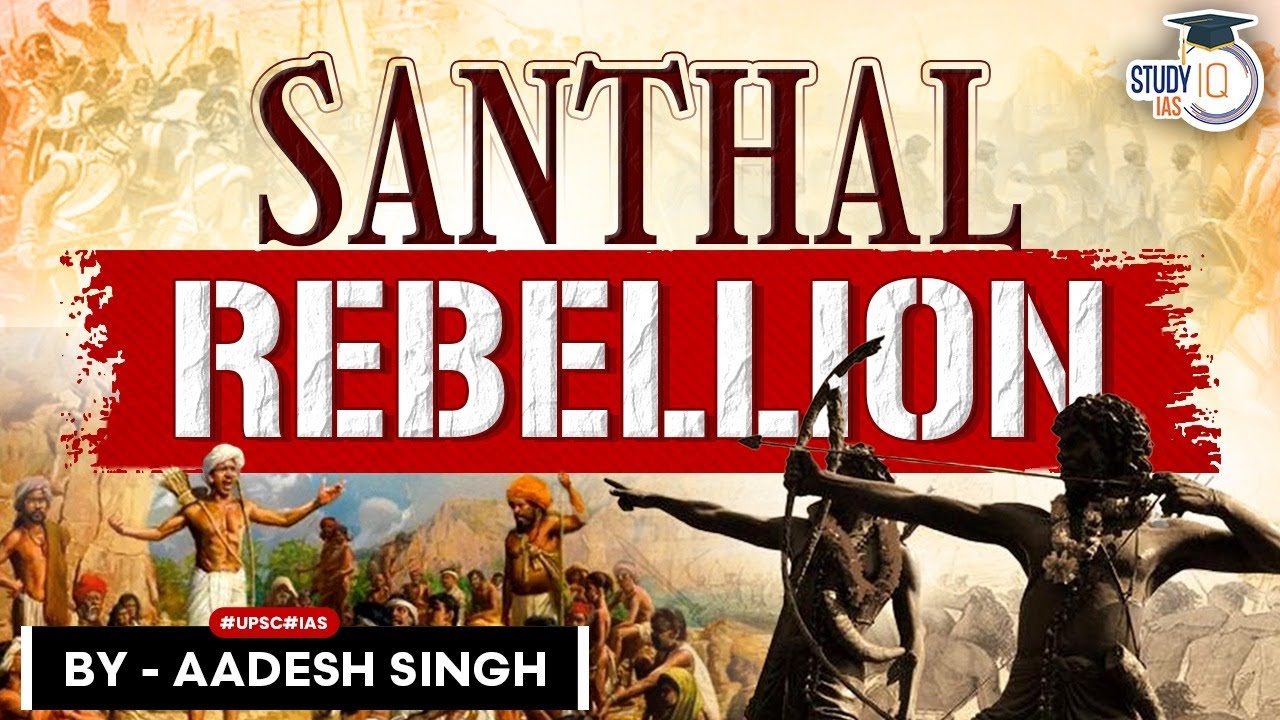
The Santhal Rebellion, a major tribal uprising in , was a courageous fight against greedy moneylenders, unjust landlords, and the strict administration of the British East India Company. Led by the brave brothers Sidhu and Kanhu, this event shows how local communities resisted harsh colonial policies and land loss in the across the Rajmahal Hills and Bihar region.
🎯 In this chapter, you will understand:
- The economic and administrative causes behind the revolt.
- The leadership of brothers Sidhu and Kanhu.
- How colonial forces suppressed the uprising using military force.
- The long-term impact on land laws and the wider Indian Freedom Struggle.
💡 Why this topic matters: It highlights early organized tribal resistance against foreign rulers and local exploiters before the major revolt of .
🧠 Core Idea: Unfair land revenue policies and high-interest loans pushed tribal peasants to unite and demand self-rule in their ancestral homeland.
The Santhal Rebellion (1855-56): Understanding the Causes, Inspirational Leaders, and Brutal Suppression
The movement marked a turning point in tribal resistance in eastern region of India during the colonial era.
The Uprising of the Santhal People: A Fierce Response to Prolonged Exploitation
The large rebellion grew from years of severe hardship suffered by tribal families under powerful local landlords, dishonest moneylenders, and supportive colonial officials.
- (i) The Santhals, who worked hard as forest clearing farmers, settled and cultivated land in the fertile Damin-i-Koh area located in the Rajmahal Hills.
- (ii) Daily life was tough due to ongoing pressure from non-tribal landlords (zamindars), outside moneylenders known as dikus, and police officers who backed the exploiters.
- (iii) What began as local protests soon grew into an organized struggle aimed at removing foreign influence and setting up independent tribal governance.
Root Causes and Triggers of the Santhal Rebellion of 1855
The uprising was the result of long-standing financial and administrative issues that slowly stripped indigenous people of their traditional livelihoods.

Severe Economic Exploitation and Systematic Land Dispossession
At the center of the problem was a system of extreme debt that caused deep poverty throughout the region.
- (i) Outside lenders charged extremely high interest rates, often over 50 percent, trapping farm workers in unpaid debts for generations.
- (ii) Through false legal claims and force, outsiders took over fertile fields, leaving local farmers without land to feed their families.
- (iii) As a result, many proud tribal members were turned into landless workers or forced into bonded labor known as kamiya.
Political, Administrative, and Social Oppression under Company Rule
The administrative system offered no help to the locals and instead protected the interests of wealthy lenders.
- (a) Local police and court officials usually sided with landlords, leaving common villagers with no fair legal help.
- (b) Unfair policies, including heavy taxes and restrictions on collecting forest items, separated people from their traditional home in Damin-i-Koh.
- (c) Growing anger against the injustice of administrative rule led to a unified decision to take up arms for self-defense.
Charismatic Leadership of Sidhu and Kanhu in the Revolt
Two courageous brothers brought unity and clear direction to the widespread anger across local villages.
Sidhu and Kanhu’s Leadership and the Declaration of Autonomy
Brothers Sidhu Murmu and Kanhu Murmu, from the village of Bhognadih, emerged as respected leaders who brought hope and unity to their people.
- (i) In an act of courage, they declared that the land between Bhagalpur and the Rajmahal Hills was free from colonial control.
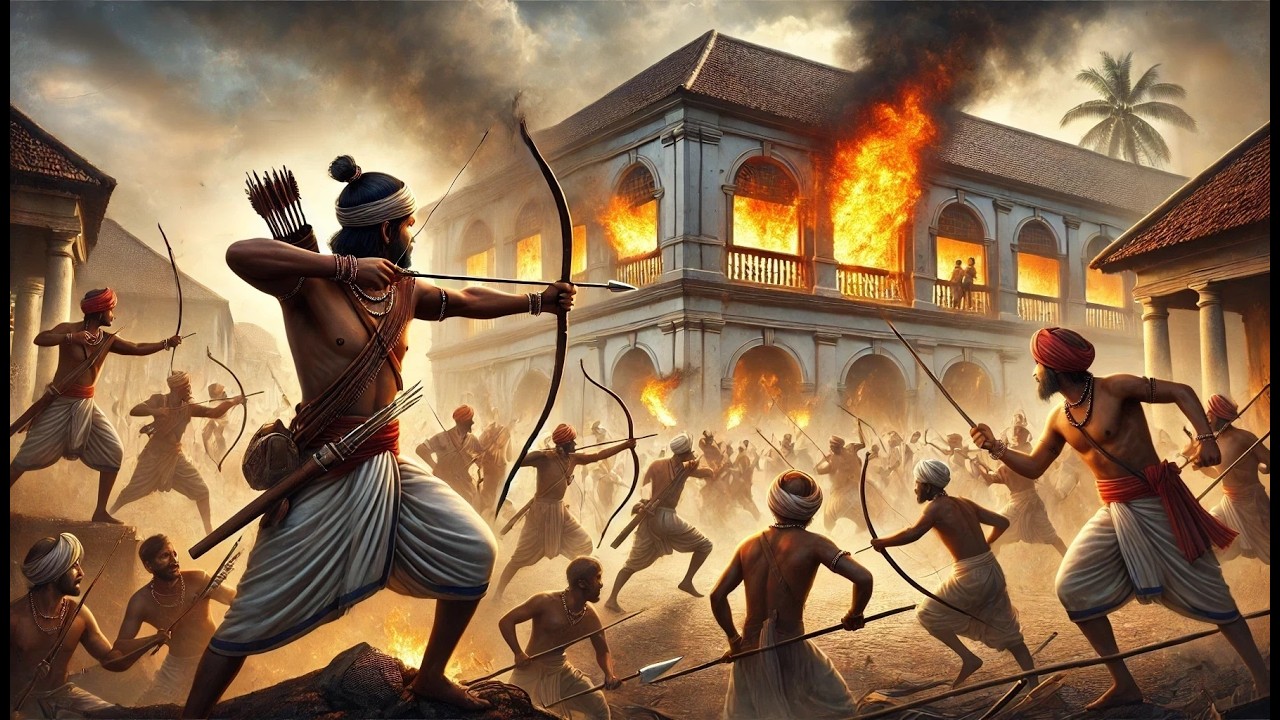
- (ii) They gathered over ten thousand individuals armed mostly with traditional tools like bows and arrows to resist armed military forces.
- (iii) Their leadership and dedication made them lasting symbols of freedom and indigenous dignity in modern history.
Brutal Suppression and Aftermath of the Uprising
Although the movement showed remarkable strength, it faced heavily equipped military regiments sent to end the rebellion.
Military Retaliation and The Fall of the Santhal Rebellion
The authorities reacted strongly by sending well-supplied troops to crush the uprising and restore complete control over the area.
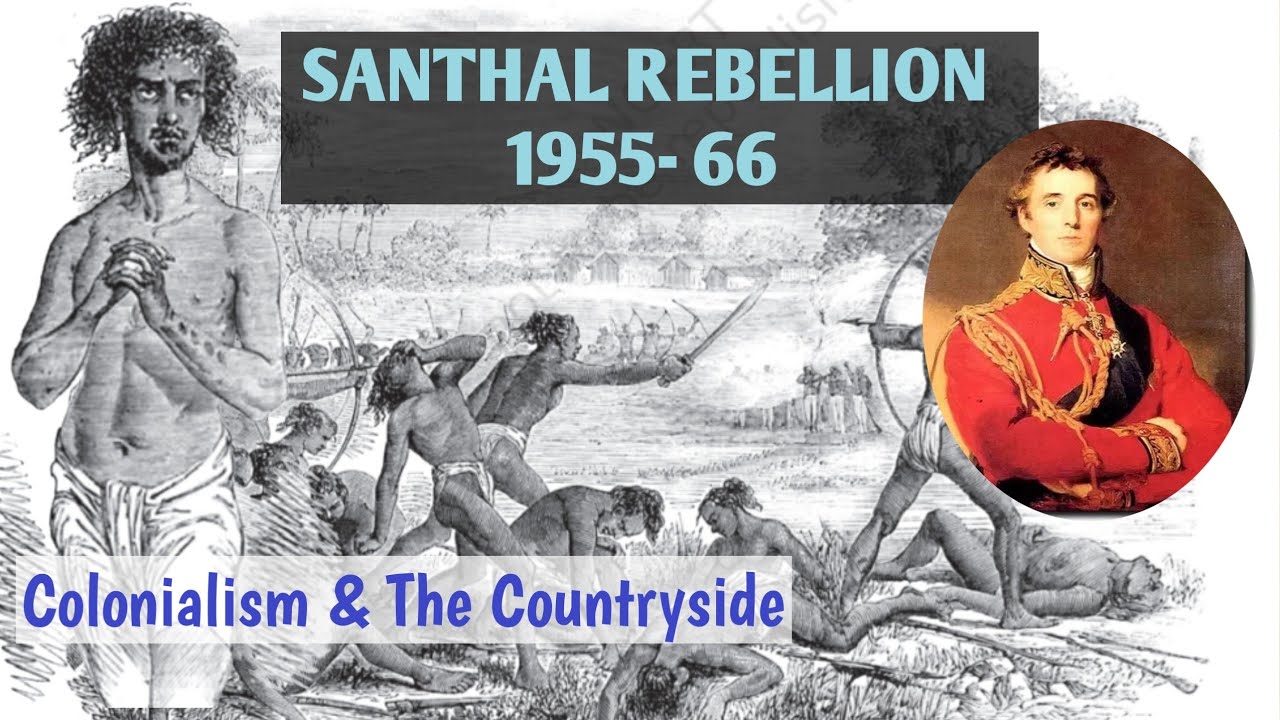
- (i) Armed troops used modern rifles against rebels who relied on simple weapons, resulting in high losses for local villages.
- (ii) By early , after months of hard fighting, the movement was put down, and leaders Sidhu and Kanhu were captured and executed.
- (iii) Despite these losses, the struggle forced government changes, leading to the creation of the Santhal Parganas Tenancy Act, 1876 and establishing the administrative district of Santhal Parganas to protect land rights.
Enduring Significance of the Santhal Rebellion for Modern Indian History
The revolt of stands as a critical event before the conflict of . It highlights how land rights, financial justice, and political freedom are closely linked. Today, it remains an important historical topic that illustrates the strength of local communities against oppressive systems.
⚡ Quick Revision Capsule: Santhal Uprising Key Facts
A quick summary of key facts, dates, and historical figures for study revision.
| Aspect | Details | Historical Significance |
|---|---|---|
| Time Period | – | Early anti-colonial movement before the revolt of . |
| Key Leaders | Sidhu Murmu and Kanhu Murmu | Brothers who declared self-rule from Bhognadih village. |
| Primary Region | Damin-i-Koh (Rajmahal Hills, Bihar) | Ancestral forest lands cultivated by indigenous families. |
| Main Opponents | Zamindars, Dikus (Moneylenders), British Police | Combined oppressive forces targeting rural land rights. |
| Major Outcome | Passage of the Santhal Parganas Tenancy Act, 1876 | Legal recognition and land protection for the local population. |
📝 Summary
The Santhal Uprising of showed how rural communities stood up against extreme financial hardship and biased administration. Under leaders like Sidhu and Kanhu, people fought to protect their ancestral lands. Although suppressed by force, their efforts led to lasting legislative changes, including protective land laws documented in historical studies like the Santhal Parganas Tenancy Act.
🚀 Quick Revision Points
Essential facts to review before examinations:
- (i) The movement took place mainly in the Damin-i-Koh region around the Rajmahal Hills.
- (ii) Outside moneylenders were called dikus by the local population.
- (iii) High interest rates and forced labor (kamiya) triggered widespread anger.
- (iv) The movement led directly to legal reforms recorded in the Santhal Parganas Tenancy Act, 1876.
- 💡 Exam Tip: Focus on the cause-and-effect relationship between heavy debt, land loss, and the resulting administrative reforms like the creation of the Santhal Parganas district.
❓ Frequently Asked Questions (FAQ)
Q1: Who led the Santhal Rebellion of 1855?
A1: The rebellion was led by brothers Sidhu Murmu and Kanhu Murmu from Bhognadih village.Q2: What was Damin-i-Koh?
A2: Damin-i-Koh was a designated area in the Rajmahal Hills where Santhal families settled to practice agriculture.Q3: What major law was passed after the rebellion ended?
A3: The British government passed the Santhal Parganas Tenancy Act, 1876 to protect local land rights from illegal transfers.