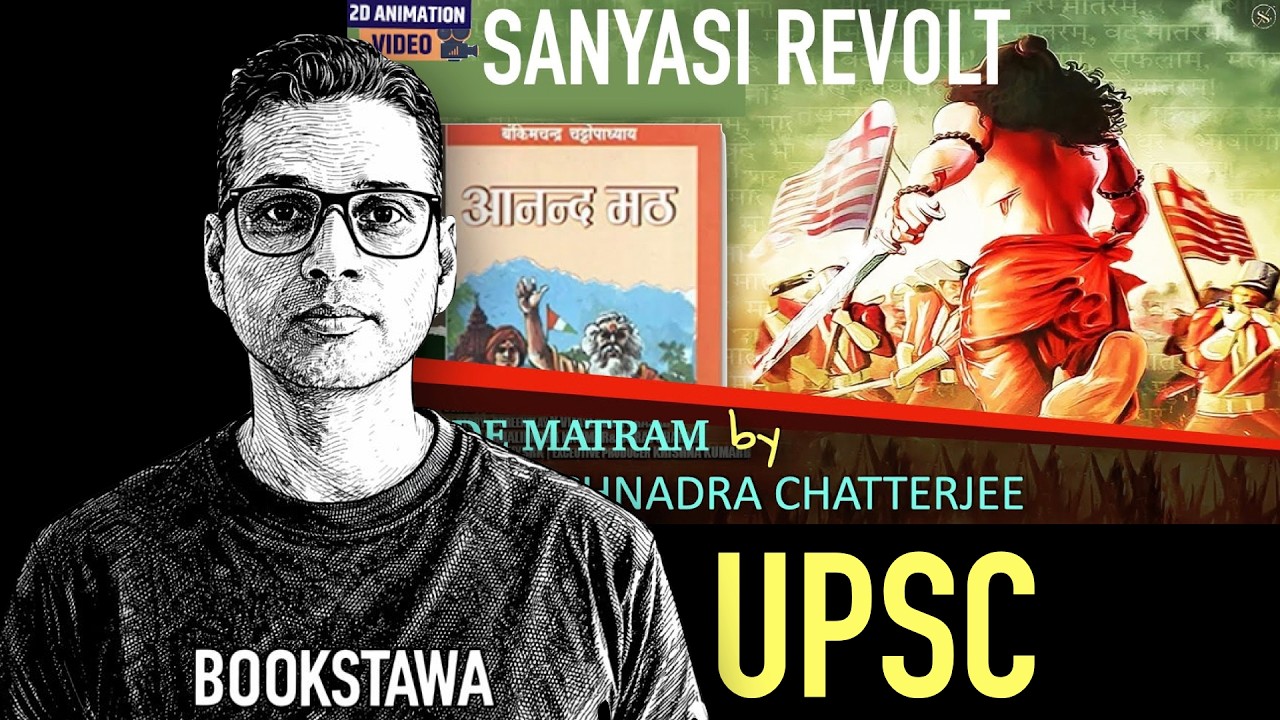
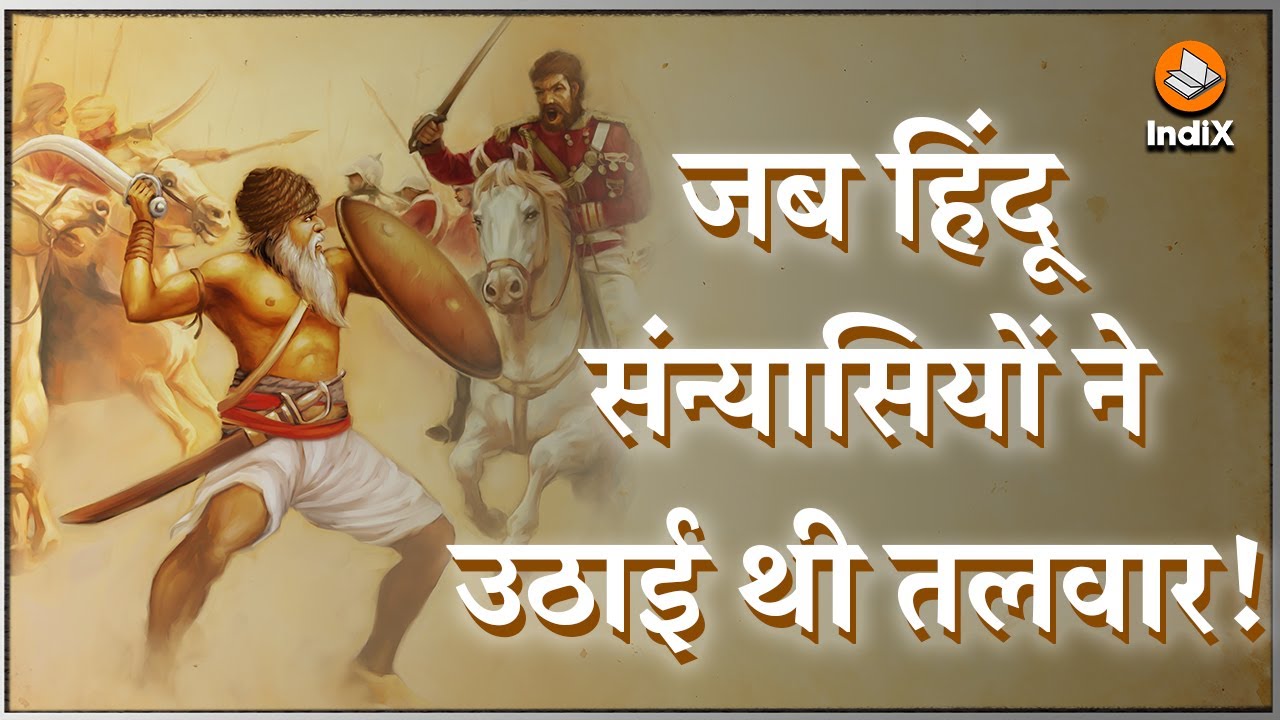
The Sanyasi Revolt (), also called the Fakir Rebellion in some regions, was one of the earliest organized uprisings against British rule in India. It started mainly because of the terrible Great Bengal Famine of 1770 and harsh tax policies set by the British East India Company. Farmers who lost their land, poor sanyasis (Hindu ascetics), fakirs (Muslim mendicants), and small zamindars (landlords) joined hands to fight colonial control. This event is very important for students preparing for exams like UPSC, as it shows how early public anger began during India's fight for freedom.
🎯 In this chapter, you will understand:
- The main economic and social causes of the Sanyasi Revolt.
- How rebels used guerrilla tactics and how the British reacted under Warren Hastings.
- The roles of key Hindu and Muslim leaders, along with women's leadership.
- The lasting impact of the movement on literature and national pride.
💡 Why this topic matters: It highlights the earliest combined resistance of local communities against British tax exploitation.
🧠 Core Idea: Severe famine and unfair British revenue rules forced Hindu ascetics, Muslim fakirs, and local farmers to unite in armed rebellion.
Sanyasi Revolt (1770–1777): Understanding the Causes, Key Figures, and Historical Significance for UPSC History
The core of the rebellion came from the extreme suffering caused by the 1770 Bengal Famine, which became much worse due to strict land revenue demands from the East India Company. This financial distress pushed affected groups—such as sanyasis, fakirs, and small zamindars—to take up arms for relief and fairness.
A Deep Dive into the Meaning and Context of the Sanyasi Revolt
Traditional groups of wandering ascetics found their routine movements and religious collection of alms blocked by new British rules, driving them to open resistance.
- (i) Ascetics Turn to Resistance: Traditional communities of wandering sanyasis and fakirs in eastern India resisted newly imposed British travel limits and rules.
- (ii) Unity of the Dispossessed: Their ranks grew as dispossessed zamindars, former soldiers, and struggling villagers joined their movement.
- (iii) Early Anti-Colonial Expression: Spanning nearly a decade, this uprising was an early example of organized public resistance to British administration.
Course of the Sanyasi Revolt: Key Rebellious Actions and the British Response
Rebels relied on quick guerrilla attacks, raiding government stores and local treasuries. This forced British officials to respond with strong military action.

Rebellious Activities and Guerrilla Warfare Against the Company
Led by experienced ascetics, rebel units moved swiftly across rural districts to disrupt British administration and financial collections.
- (i) Financial Targets: Rebels repeatedly raided Company treasuries and factories, cutting off revenue collections in regional areas.
- (ii) Direct Confrontations: Smaller British forces faced frequent attacks across Bengal and Bihar, giving rebels temporary control over several places.
- (iii) A Climate of Fear: Prolonged fighting made colonial administrators worry about a larger revolt breaking out across rural India.
British Military and Administrative Response under Warren Hastings
To end the threat, senior officials organized a strict military effort across affected districts.
- (i) The Hand of Authority: Governor-General Warren Hastings ordered strict campaigns to defeat the armed bands.
- (ii) Harsh Measures Instituted: British troops used tough methods, including public punishments and targeted raids, to break the rebellion.
- (iii) Precedent for Control: Overpowering the rebels showed how the Company intended to handle future peasant and regional uprisings.
Leaders and Unique Participation: Highlighting Hindu-Muslim Unity and Women's Role
This uprising was notable for clear cooperation between Hindu and Muslim groups, alongside visible leadership from women.
The Early Example of Hindu-Muslim Unity in the Fakir Rebellion
Common economic problems brought Hindu ascetics and Muslim mendicants together against British policies.
- (i) Shared Struggle: Both Hindu sanyasis and Muslim fakirs worked together to protect their livelihoods.
- (ii) Dual Identity: Because Muslim mendicants played a major role, historical records frequently refer to the events as the Fakir Rebellion.
- (iii) Communal Harmony Precedent: This shared fight established an early pattern of unity across communities during regional struggles.
The Inspirational Key Leaders Guiding the Revolt
Resourceful leaders coordinated separate groups into an active fighting force against British troops.
- (a) Majnum Shah (Majnu Shah): A primary leader among the fakirs who planned strategic movements across wide areas.
- (b) Chirag Ali and Musa Shah: Key leaders who helped maintain operations and coordinate regional efforts.
- (c) Bhawani Pathak and Debi Chaudhurani: Important leaders who brought thousands of local farmers into the movement.
Debi Chaudhurani: The Crucial Role of Women in Early Resistance
Leadership from Debi Chaudhurani demonstrated that women actively guided and organized early anti-colonial actions.
- (i) Symbol of Empowerment: Her involvement showed women taking clear roles in early regional struggles.
- (ii) Inspiration for Future Fighters: Her leadership offered an early example for later generations of women active in public movements.
- (iii) Literary Acknowledgment: Her contributions were later highlighted in classic literature, keeping her memory active in national history.
Cultural and Literary Impact: The Enduring Legacy in Anandamath and Nationalist Thought
The events inspired celebrated literary works by writer Bankim Chandra Chattopadhyay, shaping early nationalist ideas in India.
Anandamath: A Novel of Sacrifice and the Birth of Vande Mataram
Written in , the novel Anandamath used the backdrop of the revolt to share themes of service and patriotism.
- (i) Semi-Historical Narrative: The book Anandamath used historical details from the revolt to build its main storyline.
- (ii) The Revolutionary Anthem: The novel introduced the famous song Vande Mataram, which became a key national hymn.
- (iii) Symbolism of the Sanyasis: Characters in the story were presented as dedicated figures serving their land and community.
The Novel Devi Chaudhurani: Acknowledging Female Leadership in Resistance
Another major book focused on female leadership during early regional movements.
- (i) Highlighting Women's Role: The novel Devi Chaudhurani celebrated female leadership during times of conflict.
- (ii) Recognition of Revolutionary Figure: It preserved the story of Debi Chaudhurani for future generations of readers.
- (iii) Reinforcing Societal Participation: These stories reminded readers that people from all parts of society contributed to historical resistance.
⚡ Quick Revision Capsule: Sanyasi Revolt Key Facts
A quick summary of key facts, dates, and details for revision:
| Aspect | Details | Significance |
|---|---|---|
| Timeframe | One of the earliest organized anti-British rebellions. | |
| Primary Causes | Great Bengal Famine of 1770 & British revenue demand | Economic misery turned rural communities into active rebels. |
| Key Groups | Sanyasis, Fakirs, small zamindars, farmers | Demonstrates broad social unity across religious lines. |
| Prominent Leaders | Majnum Shah, Bhawani Pathak, Debi Chaudhurani | Showcased combined leadership and women's participation. |
| Literary Legacy | Anandamath & Devi Chaudhurani by Bankim Chandra | Gave birth to the national song Vande Mataram. |
📝 Summary
The Sanyasi Revolt () was a major early response to British economic pressure and the famine in Bengal. Led by figures like Majnum Shah, Bhawani Pathak, and Debi Chaudhurani, it showed remarkable cooperation between Hindu and Muslim groups. Its story later inspired Bankim Chandra's novel Anandamath and the patriotic anthem Vande Mataram. For history students, it remains an essential example of early regional resistance in India.
🚀 Quick Revision Points
Essential facts to review before examinations:
- (i) Occurred in Bengal and Bihar right after the 1770 Bengal Famine.
- (ii) Joined together Hindu sanyasis and Muslim fakirs in a common cause.
- (iii) Suppressed under Governor-General Warren Hastings.
- (iv) Inspired the national anthem Vande Mataram in Anandamath.
- 💡 Exam Tip: Focus on the economic triggers (famine and taxes), the unique Hindu-Muslim cooperation, and the literary connection to Anandamath for UPSC questions.
❓ Frequently Asked Questions (FAQ)
Q1: What caused the Sanyasi Revolt?
A1: The main causes were the severe famine of and harsh British land revenue collection policies.Q2: Who were the main leaders of the revolt?
A2: Key leaders included Majnum Shah among the fakirs, alongside Bhawani Pathak and Debi Chaudhurani among the sanyasis.Q3: What is the literary legacy of the Sanyasi Revolt?
A3: It provided the historical background for Bankim Chandra Chattopadhyay's novel Anandamath, which featured the song Vande Mataram.