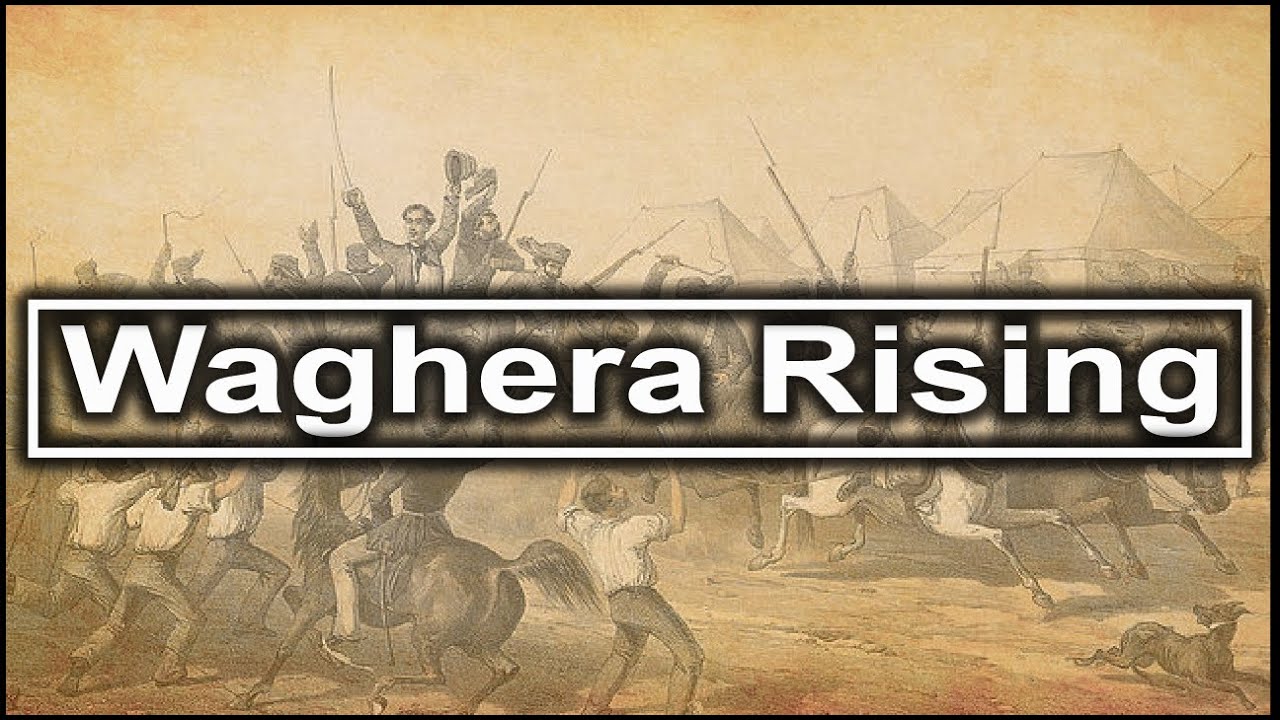
The Waghera Uprising () stands as a monumental, though often overlooked, rebellion against British colonial rule in the Okha Mandal region. This powerful resistance was spearheaded by the indigenous Waghera chiefs and was fundamentally driven by the crushing weight of economic exploitation, the burden of excessive taxation, and the purposeful disruption of their traditional governance systems. The history of this event is essential for students preparing for competitive and academic history examinations, as it illuminates the key causes, critical events, and enduring outcomes of the earliest anti-colonial movements in Western India.
🎯 In this chapter, you will understand:
- The primary economic and political causes behind the Waghera revolt.
- The military raids and guerilla resistance tactics used by the Waghera chiefs between and .
- The terms and immediate outcomes of the peace treaty.
- The historical legacy and role of the uprising in inspiring later anti-colonial movements in India.
💡 Why this topic matters: It highlights how early regional revolts against combined British and princely state oppression laid the foundation for broader Indian national resistance movements.
🧠 Core Idea: Local chiefs and communities took up arms to defend their traditional rights, land, and autonomy against unjust taxation and foreign rule.
Detailed Overview of the Waghera Rising and Local Resistance in Okha Mandal ()
This early and significant rebellion against British rule in the Gujarat area was organized by local Waghera chiefs and showed deep dissatisfaction among the people.
This powerful surge of local resistance was primarily ignited by the imposition of oppressively heavy taxation, rampant economic exploitation, and the perceived threat to the cherished local autonomy and traditional way of life. Despite the display of fierce and courageous defiance by the Waghera forces, the superior strength of the British forces eventually led to the suppression of the movement, which formally concluded with a carefully negotiated peace treaty in .
- (i) The primary causes of the revolt were rooted in the intense opposition to the repressive land and revenue policies enforced by the Gaekwad of Baroda's administration, which was backed by the British, leading to severe economic exploitation.
- (ii) A series of highly organized, strategic attacks and raids were executed by the Wagheras upon British-controlled territories and outposts during the pivotal period between and .
- (iii) The culmination of the conflict was marked by the signing of a formal peace treaty in , an event which, while ending the fighting, solidified the movement's lasting legacy as an inspiration for subsequent regional resistance efforts.
Major Causes of the Waghera Uprising: Economic and Political Instability
The core motivation for the revolt was a deeply felt reaction to economic exploitation, the imposition of excessive, unbearable taxation, and the systematic encroachment on the established local governance structures by the allied forces of the Gaekwad of Baroda and British support.

Economic and Political Causes: Detailed Analysis of Taxation and Exploitation
The Waghera people, traditionally independent and resilient, were pushed to revolt by a series of aggressive policy changes that threatened their livelihood and political existence. The primary aggressors were the Gaekwad of Baroda and the British government, whose combined policies formed a partnership in oppression against the local communities.
- (i) Widespread and intense opposition arose due to the implementation of excessive taxation demands and arbitrary revenue exactions that were ruthlessly imposed by the administration of the Gaekwad of Baroda.
- (ii) There was systematic and harsh exploitation directed against the influential Waghera chiefs and the dependent rural communities, which severely destabilized the agrarian economy of the region.
- (iii) The active support provided by the powerful British government to the Gaekwad's highly oppressive policies significantly escalated the prevailing local resentment and anti-colonial sentiment.
- (iv) A fundamental driving force was the passionate desire of the chiefs and the people to preserve their cherished local autonomy and actively resist the growing threat of foreign domination and control.
Key Events of the Waghera Rebellion (): Military Raids and Organized Resistance
The critical phase of the rebellion was defined by a sequence of organized, targeted resistance movements and highly effective raids strategically executed against the established British authority, serving as a powerful demonstration of the burgeoning local dissent.
Military Actions and Raids: Waghera Resistance Against British Authority
The Waghera chiefs employed guerilla-style tactics, leveraging their deep knowledge of the terrain to strike decisive blows against the colonial power structure, making the period between and particularly tumultuous for the British.
- (i) Throughout the critical timeframe between and , the determined Waghera chiefs successfully carried out multiple, calculated attacks on vulnerable British-controlled territories and revenue collection centers.
- (ii) The sustained uprising was characterized by a combination of structured raids on convoys and supply lines, complemented by persistent, widespread local resistance efforts across the region.
- (iii) In response, the British forces were compelled to launch rigorous military campaigns, which strategically combined overwhelming force with simultaneous negotiation efforts to effectively suppress the large-scale revolt.
Resolution and Historical Significance of the Waghera Uprising: A Source of Future Inspiration
Although the active phase of the rebellion was brought to an end through a carefully drafted peace treaty, its underlying legacy of defiance profoundly influenced and inspired subsequent anti-colonial movements, unequivocally highlighting the deep-seated dissatisfaction with foreign rule.
Peace Treaty and Consequences: The Conclusion in
The formal agreement marked the cessation of hostilities but failed to address the core grievances of the local population, setting the stage for future unrest.
- (i) The signing of a formal peace treaty in served to officially conclude the widespread Waghera uprising, normalizing the political situation on the surface.
- (ii) Crucially, the underlying and fundamental issues that had ignited the revolt, such as widespread exploitation and systemic poor governance, remained largely unresolved following the treaty.
Legacy of the Rebellion: Early Spark of Anti-Colonial Movement
The Waghera resistance cemented its place in history as a powerful demonstration of local communities' willingness to fight for their rights and autonomy against overwhelming colonial power, contributing directly to the future trajectory of Indian freedom struggle.
- (a) The uprising served as an undeniable testament to the pervasive and deep-seated dissatisfaction felt by the local populace toward the increasingly rigid and oppressive structure of British colonial rule.
- (b) It established itself as a potent, early example of highly organized and resolute local resistance specifically directed against the brutal economic and political colonial exploitation.
- (c) The spirit and events of the rebellion directly contributed to inspiring future localized anti-colonial uprisings and played a significant, albeit regional, part in fostering the initial sentiments of Indian nationalism.
Summary and Importance of the Waghera Uprising: Historical Relevance for Students
The Waghera Rebellion, spanning the years , holds a distinguished place in the historical narrative of India, profoundly highlighting the vigor of local resistance against aggressive British colonial rule and unchecked economic exploitation. This event is extremely relevant and important for students preparing for history exams, as its study demonstrates the key initiating causes, strategic events, and long-term consequences of the earliest significant anti-colonial movements in the region, leaving an indelible and lasting legacy that demonstrably inspired many future uprisings.
⚡ Quick Revision Capsule: Waghera Uprising Key Details
A quick summary table outlining key attributes of the Waghera Rebellion for fast examination review:
| Key Aspect | Details & Description | Historical Significance |
|---|---|---|
| Event Name | Waghera Uprising (or Waghera Rising) | Early anti-colonial revolt in Western India |
| Time Period | Pre-1857 resistance movement | |
| Location | Okha Mandal region, Gujarat | Strategic coastal region under regional tension |
| Key Leaders | Indigenous Waghera chiefs | Local rulers resisting foreign and princely interference |
| Opposing Forces | British East India Company and Gaekwad of Baroda | Alliance between foreign colonial powers and local princely state |
📝 Summary
The Waghera Uprising () in Okha Mandal stands out as an early symbol of armed resistance against British colonial expansion and local princely exactions in Gujarat. Fueled by high taxation and economic disruption, the Waghera chiefs conducted targeted attacks against British outposts. Though formally concluded with a peace treaty in , the rebellion inspired later anti-colonial movements in India.
🚀 Quick Revision Points
Essential facts to review before examinations:
- (i) Occurred between and in the Okha Mandal region of Gujarat.
- (ii) Spearheaded by indigenous Waghera chiefs against heavy taxes and loss of autonomy.
- (iii) The oppressive revenue collection was carried out by the Gaekwad of Baroda with British support.
- (iv) Formally ended with a peace treaty in , leaving a legacy of anti-colonial defiance.
- 💡 Exam Tip: Focus on the dual role of the British and the Gaekwad of Baroda as joint causes of the uprising, and note the timeframe () for matching/chronology questions.
❓ Frequently Asked Questions (FAQ)
Q1: What caused the Waghera Uprising?
A1: The uprising was caused by heavy land taxes, economic exploitation, and threats to local autonomy imposed by the Gaekwad of Baroda with British support.Q2: Who led the Waghera Uprising?
A2: The rebellion was led by the indigenous Waghera chiefs of the Okha Mandal region.Q3: How did the Waghera Uprising end?
A3: Fighting ended after British military operations led to the signing of a formal peace treaty in .