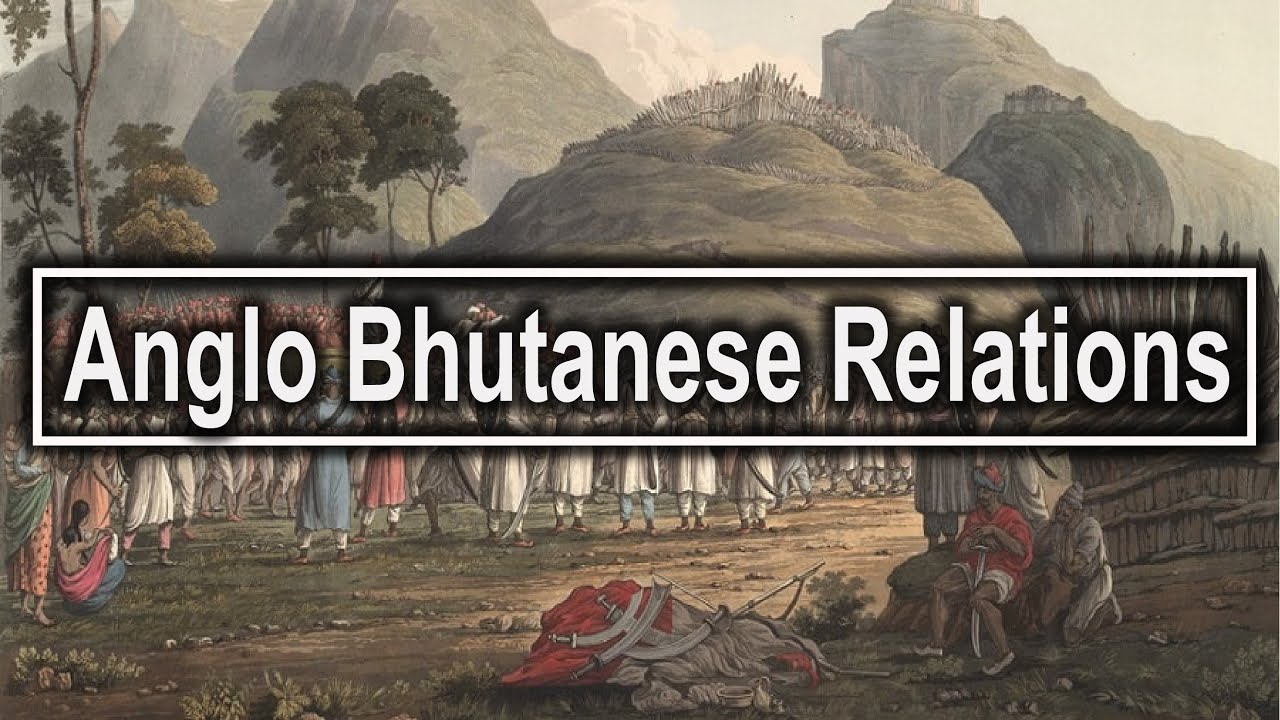
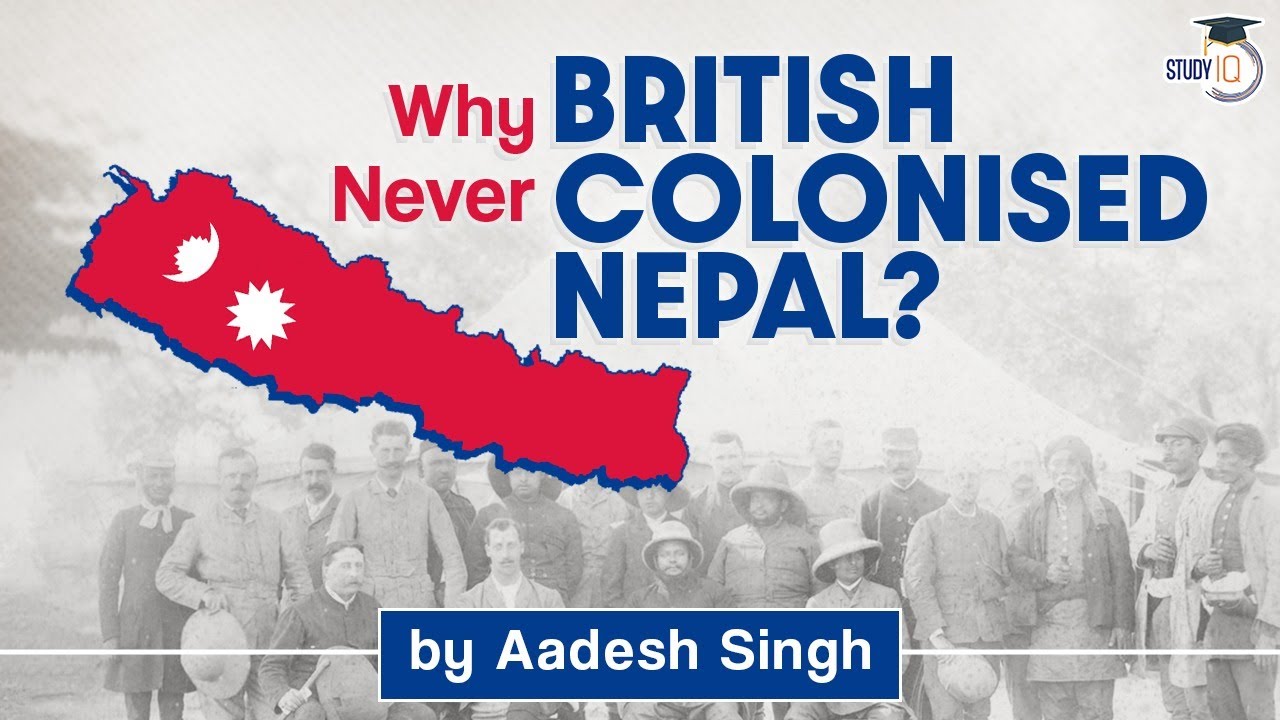
The history of relations between the British, Bhutan, and Nepal during the shows how British power expanded across the Himalayan foothills. Beginning with early clashes in Assam and Bengal and leading up to the Anglo-Nepalese War () and the Treaty of Sagauli (), the British East India Company gained firm political and land control. For students, understanding this topic is key to learning about British frontier policies and how modern South Asian borders were formed.
🎯 In this chapter, you will understand:
- How British power expanded into Bhutan and Nepal during the .
- The causes and events of the Anglo-Nepalese War ().
- The major terms and consequences of the Treaty of Sagauli () and Treaty of Sinchula ().
- How British hill stations and Gorkha army recruitment began.
💡 Why this topic matters: It explains how strategic Himalayan mountain passes were brought under British control, securing northern trade routes and creating key hill settlements.
🧠 Core Idea: The East India Company used a mix of military action and treaties to secure its northern borders, shaping modern South Asian geopolitics.
British Consolidation on the Himalayan Frontier: Anglo-Bhutanese and Anglo-Nepalese Conflicts (18th–19th Century)
As British influence moved toward the Himalayan border, the East India Company clashed with the kingdoms of Bhutan and Nepal, altering political boundaries across the region.
After acquiring Assam through the Treaty of Yandaboo in , the British came into direct conflict with the expanding Gorkha Kingdom of Nepal and neighboring Bhutan.
- (i) Repeated Bhutanese raids into the plains of Assam and northern Bengal created ongoing friction with British authorities.
- (ii) Relations broke down further when envoy Lord Elgin's mission to Bhutan between faced bad treatment, leading to British military action.
- (iii) The British responded by taking over strategic mountain passes known as the Duars and stopping annual payments to Bhutan.
- (iv) This pressure led to the Treaty of Sinchula in , where Bhutan surrendered the Duar passes in return for a higher annual subsidy.
- (v) The annexed land was brought under British rule and developed into successful tea plantations.
The Gorkha Challenge: Anglo-Nepalese War and the Historic Treaty of Sagauli (1814–1816)
The rapid expansion of the Gorkhas in Nepal brought them into conflict with British territories, culminating in the Treaty of Sagauli.

The Rise of the Gorkhas and Territorial Expansion in Nepal (Post-1760)
The Gorkhas unified Nepal and expanded outward until physical boundaries redirected their focus toward British lands.
- (i) Around , the Gorkhas defeated Ranjit Malla of Bhatgaon to begin unifying the region.
- (ii) Blocked from moving north by Chinese forces, the Gorkhas shifted their expansion southward toward the Indian plains.
- (iii) In , the Gorkha annexation of Gorakhpur made their territory border directly with British-controlled land.
Key Battles and the Conclusion of the Anglo-Nepalese War (1814–1816)
Border disagreements led to a two-year war during the administration of Governor-General Lord Hastings ().
- (a) The war started when Gorkha forces took control of the border areas of Butwal and Sheoraj.
- (b) After two years of fighting, the war ended with the signing of the Treaty of Sagauli in .
- (c) Under the treaty, Nepal agreed to station a permanent British Resident at its capital in Kathmandu.
Lasting Political and Military Consequences of the Treaty of Sagauli
The treaty redrew boundaries and created long-term political and military arrangements.
The recruitment of Gorkha regiments into the army began after the Treaty of Sagauli. - Territorial Losses for Nepal: Nepal handed over the hill districts of Garhwal and Kumaon and dropped claims to the Terai region and Sikkim.
- British Imperial Expansion: The British border reached the Himalayas, opening potential trade routes into Central Asia.
- Founding of Hill Stations: The acquired areas led to the growth of hill stations such as Shimla, Mussoorie, and Nainital.
- Military Recruitment Impact: The British began recruiting Gorkha soldiers into the British Indian Army, a tradition that continues today.
Conclusion: British Frontier Dominance Over Bhutan and Nepal in the 19th Century
During the , the British established control over the Himalayan border regions through fighting and formal treaties. The Treaty of Sinchula () limited Bhutanese presence in the plains, while the Treaty of Sagauli () reset relations with Nepal. Together, these actions secured the northern border, opened trade links, and shaped the political geography of South Asia.
⚡ Quick Revision Capsule: Anglo-Bhutanese & Anglo-Nepalese Relations
A summary of key treaties, dates, and outcomes along the Himalayan frontier:
| Event / Treaty | Year / Timeframe | Key Outcomes |
|---|---|---|
| Annexation of Assam | Followed the Treaty of Yandaboo; brought British into direct contact with Bhutan and Nepal. | |
| Anglo-Nepalese War | Fought under Lord Hastings over border areas like Butwal and Sheoraj. | |
| Treaty of Sagauli | Nepal ceded Garhwal and Kumaon, accepted a British Resident in Kathmandu, and enabled Gorkha recruitment. | |
| Treaty of Sinchula | Bhutan surrendered the Duar passes to the British in exchange for an annual subsidy. | |
| Growth of Hill Stations | Development of Shimla, Mussoorie, and Nainital on newly acquired lands. |
📝 Summary
Between the , British power expanded into the Himalayan frontier through conflicts with Bhutan and Nepal. Treaties like the Treaty of Sagauli () and the Treaty of Sinchula () secured key mountain passes, fixed northern borders, and led to the creation of hill stations and Gorkha military recruitment.
🚀 Quick Revision Points
Essential facts to review before examinations:
- (i) The Gorkhas unified Nepal starting around under rulers like Ranjit Malla's conquerors.
- (ii) Disagreements over Butwal and Sheoraj triggered the Anglo-Nepalese War ().
- (iii) The Treaty of Sagauli () placed a British Resident in Kathmandu and transferred Garhwal and Kumaon to the British.
- (iv) The Treaty of Sinchula () secured the Duar passes from Bhutan, which were later used for tea plantations.
- 💡 Exam Tip: Remember that the Treaty of Sagauli () led directly to three major outcomes often asked in exams: stationing a British Resident in Kathmandu, ceding Garhwal and Kumaon, and starting Gorkha army recruitment.
❓ Frequently Asked Questions (FAQ)
Q1: What caused the Anglo-Nepalese War (1814–1816)?
A1: The war was caused by border disputes over control of Butwal and Sheoraj as Gorkha expansion met British-controlled lands.Q2: What were the main terms of the Treaty of Sagauli?
A2: Nepal gave up claims to Garhwal, Kumaon, Sikkim, and the Terai, accepted a permanent British Resident in Kathmandu, and allowed Gorkha recruitment.Q3: How did the Treaty of Sinchula impact Bhutan?
A3: Signed in , the Treaty of Sinchula required Bhutan to cede the strategic Duar passes in exchange for an annual subsidy from the British.