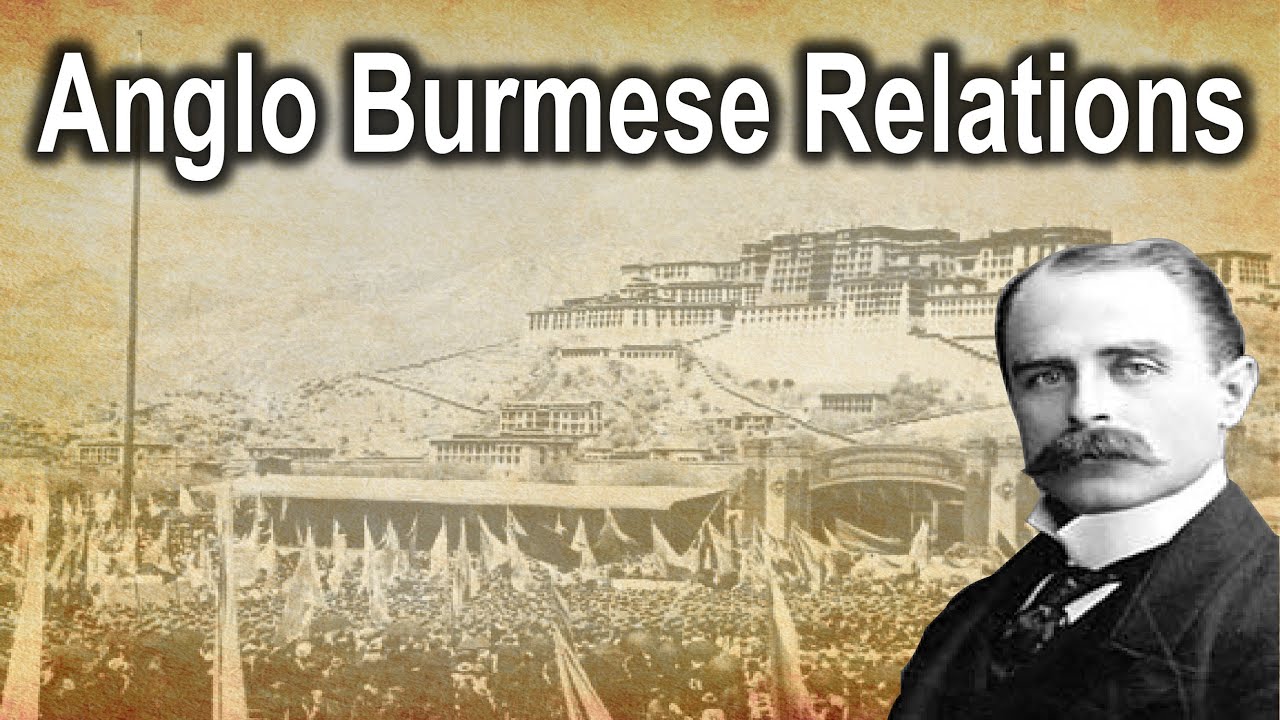
The British Mission to Tibet, launched in the early under the strategic direction of Lord Curzon, stands as a critical juncture in India's colonial foreign policy. This assertive maneuver was primarily designed to counter the perceived threat of expanding Russian influence in the region, simultaneously securing vital commercial and geopolitical interests near the Himalayan frontier. The expedition culminated in the forced signing of the Treaty of Lhasa (1904), fundamentally altering Anglo-Tibetan-Chinese relations and providing indispensable study material for students of colonial and geopolitical history seeking to understand the Great Game.
🎯 In this chapter, you will understand:
- The geopolitical drivers behind Lord Curzon's expedition to Tibet (1903–1904).
- The key terms and provisions dictated in the Treaty of Lhasa (1904).
- Subsequent diplomatic modifications regarding war indemnity and Chumbi Valley.
- The long-term impact on Anglo-Russian rivalry and Chinese suzerainty.
💡 Why this topic matters: Understanding this mission highlights how colonial rivalries shaped modern Himalayan borders and historical diplomatic claims across South Asia and Tibet.
🧠 Core Idea: Britain used forward military force led by Younghusband to block Russian influence, forcing Tibet to sign a treaty that unintentionally strengthened Chinese diplomatic standing.
📌 British Military Expedition to Tibet: Curzon’s Strategic Diplomacy and Anglo-Tibetan Relations (1903-1904)
This ambitious military-diplomatic mission was a bold move by Lord Curzon, the Viceroy of India, to assert British influence and prevent Russian advancement into Tibet. The background involved years of diplomatic frustration and safety concerns from the British side regarding the lack of clear authority in Tibet, which was viewed as a natural border buffer for British India.
- (i) Historically, Tibet operated as an independent country under a Buddhist theocracy led by the Dalai Lama, while acknowledging symbolic Chinese suzerainty.
- (ii) Previous British attempts to establish trade and political ties with Tibet met firm resistance from the Tibetan government, leading to a complete diplomatic standstill when Curzon took office.
- (iii) The situation grew concerning for Britain because Chinese suzerainty over Tibet was weak, and reports suggested growing Russian influence, including Russian arms entering Lhasa.
- (iv) In response, Curzon sent a strong Gorkha contingent led by Colonel Francis Younghusband to force negotiations. The mission pushed forward despite Tibetan resistance, reaching Lhasa in and causing the 13th Dalai Lama to leave the capital.
📜 Treaty of Lhasa (1904): Imposed Terms and Strategic Provisions
The resulting agreement, dictated by Colonel Younghusband to Tibetan officials in Lhasa, was a strict set of conditions designed to secure British trade and block foreign interference in Tibet.

Major Stipulations Dictated by Younghusband at Lhasa
The original terms were strict, reflecting the costs of the military campaign and the goal of controlling Tibetan foreign dealings.
- (i) Financial Penalty:Tibet was forced to pay a war compensation of Rs 75 lakh to the Indian Government over 75 years at one lakh rupees per year.
- (ii) Territorial Occupation: As security for this payment, the Indian Government took control of the strategic Chumbi Valley—located between Bhutan and Sikkim—for 75 years.
- (iii) Border Recognition:Tibet agreed to respect the official border line with Sikkim, securing the boundary area.
- (iv) Trade Access: New trade markets were opened for British trade at Yatung, Gyantse, and Gartok.
- (v) Foreign Policy Control:Tibet was barred from giving land, railways, roads, telegraphs, or mining rights to any foreign power without British consent.
Subsequent Adjustments: Reduction of Indemnity and Chumbi Valley Evacuation
After the signing, these harsh terms were eased due to political pressure from London, where officials wanted to reassure Russia that Britain did not intend to annex Tibetan land.
- (a) Indemnity Reduction: The total payment was reduced from Rs 75 lakh to Rs 25 lakh.
- (b) Early Evacuation: The occupation of Chumbi Valley was cut short, and British troops withdrew after three years in .
⚖️ Long-Term Significance: Power Dynamics Between China, Russia, and Britain
Although Curzon achieved his immediate goal of blocking Russian progress and opening trade, the broader outcomes unexpectedly helped China's position over Tibetan diplomacy.
- (i) Increased Chinese Authority: Surprisingly, China gained the most diplomatically over time. The Anglo-Russian Convention of 1907 stated that neither Britain nor Russia would negotiate with Tibet directly without going through China, strengthening claims of Chinese suzerainty.
- (ii) Stopping Russian Expansion: The expedition successfully stopped immediate Russian ambitions in Tibet, protecting the border zone of British India and securing trade links.
⚡ Quick Revision Capsule: Treaty of Lhasa (1904) Key Features
A structured quick review of the major aspects, provisions, and revisions of the British expedition to Tibet.
| Feature Aspect | Original Term (1904) | Revised Outcome / Long-Term Impact |
|---|---|---|
| Expedition Leader | Colonel Francis Younghusband | Successfully entered Lhasa in under Lord Curzon's directions. |
| War Indemnity | Rs 75 lakh payable over 75 years | Reduced to Rs 25 lakh by British authorities in London. |
| Chumbi Valley Status | Occupied for 75 years as security | British forces evacuated early in . |
| Trade Centers | Opened at Yatung, Gyantse, and Gartok | Secured British commercial access across Himalayan passes. |
| Diplomatic Status | Direct Anglo-Tibetan agreement (Treaty of Lhasa) | Replaced by Anglo-Russian Convention of 1907, confirming Chinese suzerainty. |
📝 Summary
The British Mission to Tibet (1903–1904) led by Colonel Younghusband was initiated by Lord Curzon to clear potential Russian influence near India's border and open commercial access. The resulting Treaty of Lhasa (1904) established trade markets, set border recognitions with Sikkim, and placed economic penalties on Tibet. However, political choices in London modified the treaty terms, reducing the payment and ending the occupation of Chumbi Valley by . Later agreements like the Anglo-Russian Convention of 1907 recognized Chinese suzerainty, shaping the geopolitical framework of South Asia for years to come.
🚀 Quick Revision Points
Essential facts to review before examinations:
- (i) Directed by Viceroy Lord Curzon and led by Colonel Francis Younghusband.
- (ii) Aimed to secure British trade and counter Great Game expansion by Russia.
- (iii) Resulted in the Treaty of Lhasa (1904), opening trade centers at Yatung, Gyantse, and Gartok.
- (iv) War indemnity lowered from Rs 75 lakh to Rs 25 lakh; Chumbi Valley evacuated in .
- 💡 Exam Tip: Note the diplomatic shift: Curzon dealt directly with Tibet through Younghusband, but subsequent agreements like the Anglo-Russian Treaty of 1907 required dealing through China, reinforcing Chinese suzerainty.
❓ Frequently Asked Questions (FAQ)
Q1: Why did Lord Curzon organize the military mission to Tibet in 1903?
A1: Curzon wanted to stop potential Russian influence in Tibet and force the Tibetan government to open secure trade routes with British India.Q2: What were the main changes made to the Treaty of Lhasa after its initial signing?
A2: The war indemnity was lowered from Rs 75 lakh to Rs 25 lakh, and the occupation period for the Chumbi Valley was shortened, ending in .Q3: How did the expedition affect Chinese influence in Tibet?
A3: Though intended to establish direct British contact with Lhasa, later diplomatic agreements like the Anglo-Russian Convention (1907) required working through Beijing, formally strengthening Chinese suzerainty.