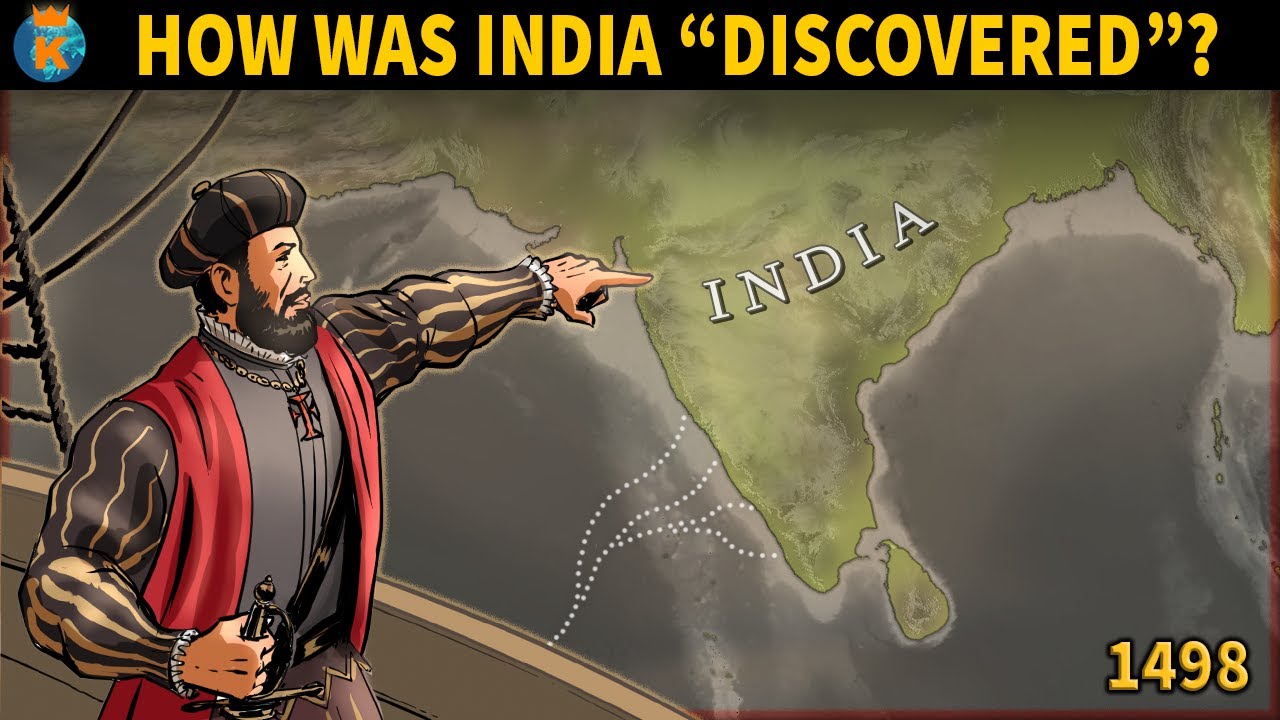
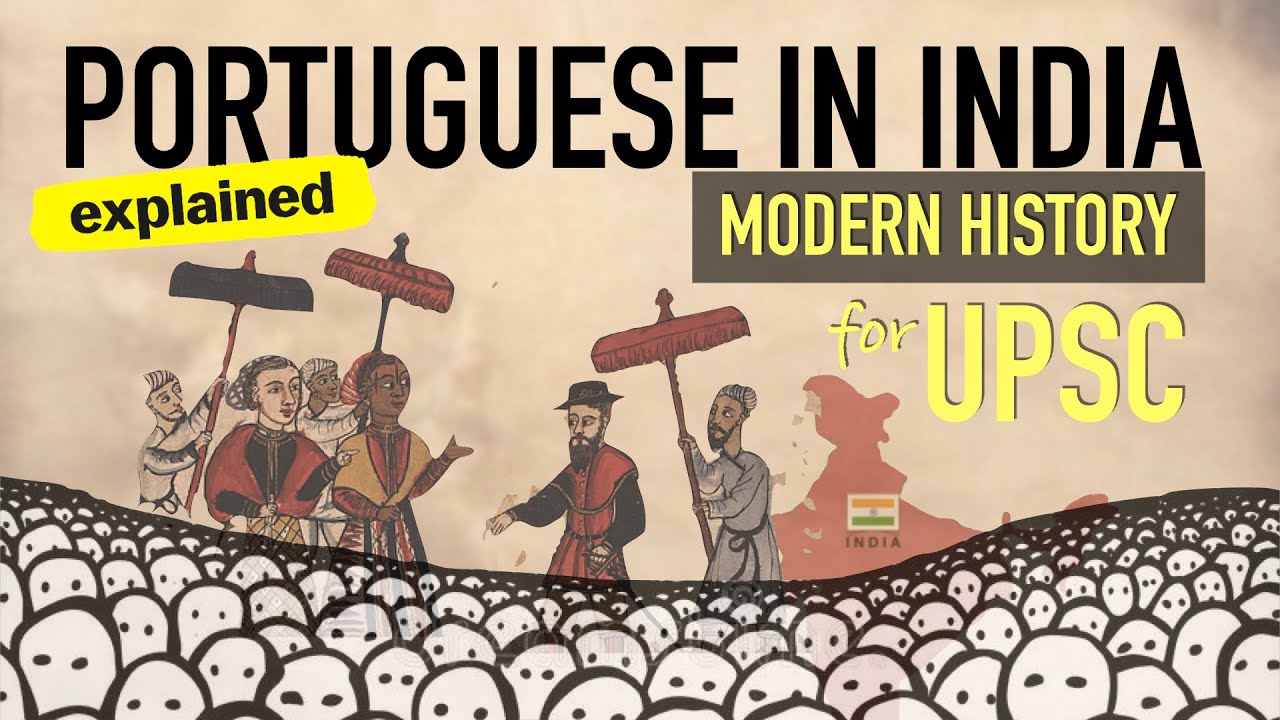
The arrival and fast expansion of the Portuguese in India, starting with the landing of Vasco da Gama in , completely changed the trade and political map of the Indian Ocean. Through their official administration called the Estado Português da Índia, they took control of key locations from Goa to Daman and Diu. They built strong trade, military, and religious power, even sending envoys to the Mughal court of Akbar. Understanding this first phase of European rule is crucial for students preparing for competitive exams on modern Indian history.
🎯 In this chapter, you will understand:
- How the Portuguese established their rule and naval base in Goa.
- The governance system of the Estado da Índia and the Cartaz trade pass system.
- The shift in religious policy leading to the Goa Inquisition and Jesuit court missions.
- Why the Portuguese were the first Europeans to arrive and the last to leave in .
💡 Why this topic matters: Portuguese colonization marks the start of modern European influence in Asia, creating trading methods and diplomatic ties that lasted nearly 450 years.
🧠 Core Idea: The Portuguese built a sea-based empire using fortified coastal ports, direct sea passes, and naval power rather than conquering large inland territories.
📌 Portuguese Influence, Trade, Settlements, and Diplomacy in India: From Vasco da Gama's Arrival (1498) to Final Departure (1961)
The Portuguese built a powerful sea empire in the Indian subcontinent and held key coastal areas for almost 450 years.
From the moment Vasco da Gama stepped onto the coast of Calicut in , the Portuguese set up a ocean-based empire called the Estado da Índia. Their armed ports and trading points allowed them to control the valuable spice trade and sea routes until they finally left in .
- (i) Just fifty years after Vasco da Gama’s first journey, major coastal areas of India, mainly in the west and south, came under Portuguese naval control.
- (ii) Their main land base was a sixty-mile strip of coast around Goa, which became the capital of the Estado da Índia and the center of their eastern administration.
- (iii) These controlled places ran along the western coastline, from the area near Mumbai up to Daman and Diu in the north, and down south to busy ports like Mangalore, Cochin, and Calicut.
🏛️ The Estado da Índia: Diplomacy, Regional Engagements, and the Lengthy Portuguese Presence
The Portuguese were more than mere merchants. They took an active role in local politics, making treaties, fighting regional wars, and forming alliances with Indian rulers to keep their rule long after other powers shifted.
Establishing the Maritime Empire and Diplomatic Relations with Indian Kingdoms
Running the Estado da Índia meant dealing with local rulers constantly. They sent official messengers, signed treaties, and took part in regional rivalries to guard their trade monopoly.
- (i) Official messengers and representative officials regularly traveled between the Portuguese headquarters in Goa and the royal courts of major Indian kingdoms, showing they were a real political force in the region.
- (ii) Major agreements, like the detailed peace treaties signed with the Deccan Sultans in , were regularly updated to ensure steady trade and local peace.
- (iii) The Portuguese also used their navy to join local battles involving the Vijayanagara Empire, the growing Mughals, and the powerful Marathas.
The Longest European Presence and the Final Departure from India in 1961
A unique fact about Portuguese rule in India is its long duration, remaining far longer than other European forces like the Dutch, French, and English.
- (a) The Portuguese stand out in history as the first Europeans to land on Indian shores in .
- (b) They were also the last to leave. In , years after Indian independence, the Indian military took back Goa, Daman, and Diu.
- (c) This military action brought an end to nearly of unbroken Portuguese presence in India.

⚖️ Administrative Structure, Trade Control, and Portuguese Maritime Dominance
To run their sea empire, the Portuguese setup a centralized administrative framework based in Goa that focused on collecting revenue and controlling ocean trade routes.
The Viceroy, Vedor da Fazenda, and Central Administration in Goa
The administration of the Estado da Índia relied on top officials stationed in Goa whose authority covered many sea routes and coastal bases.
- (i) Head of Administration: The Viceroy, appointed for a three-year term, held complete civil and military power as the representative of the Portuguese Crown.
- (ii) Support Structure: The Viceroy was helped by a secretary and a formal Council to guide policy across settlements.
- (iii) Financial Control: The Vedor da Fazenda (Chief Revenue Officer) managed royal revenue, supervised naval fleets, and handled cargo sent back to Europe.
Governance of Fortresses, Local Captains, and Trade Monopoly
The network of fortresses was run by local captains. Because they were far from headquarters, many used their positions for personal gain.
- Fortress Network: A chain of Portuguesefortresses stretching from Africa to China was managed by appointed Captains.
- Misuse of Power: Local officers called Factors assisted the Captains. Due to long distances from Goa, these leaders often operated with little oversight, leading to corruption.
- Cartaz System: To control sea trade, the Portuguese forced local merchant ships to buy official passes called cartazes. Ships without a pass were attacked or captured by the Portuguese navy.
⛵ Portuguese Religious Policy, Forced Conversion, and the Goa Inquisition
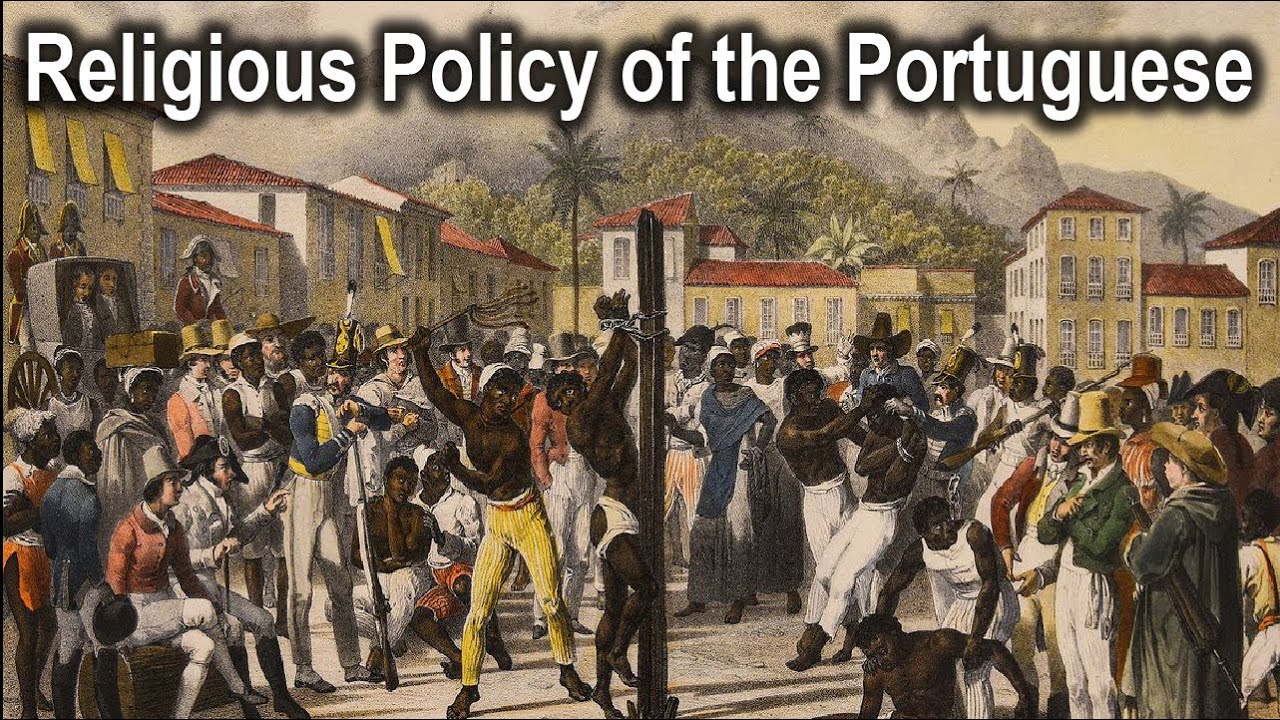
While fairly tolerant at first, Portuguese religious policy grew strict over time, leading to forced conversions and religious courts like the Goa Inquisition.
Evolution of Religious Policy: From Initial Tolerance to the Inquisition
The change in Portuguese religious rules altered how local communities viewed them, turning them from simple trade partners into strict religious rulers.
- (i) Hostility towards Muslims: The Portuguese showed opposition to Muslims from the start, driven by earlier conflicts in North Africa and a desire to take over Arab trade routes in the Indian Ocean.
- (ii) Initial Hindu Tolerance: Under early leaders like Afonso de Albuquerque, policies toward Hindus were relatively peaceful and cooperative.
- (iii) The Inquisition: This flexible approach ended with the start of the Goa Inquisition in , a religious tribunal that punished non-believers and enforced conversions.
Jesuit Missions at the Mughal Court: Akbar and Jahangir
Beside their strict actions in Goa, Catholic priests called Jesuits traveled to the Mughal Court to build political favor and share religious ideas.
The Missions of Akbar (1579 onwards)
Emperor Akbar was curious about different religions and invited Portuguese priests to explain Christianity.
- (i) In , Akbar invited Jesuit priests, including Father Aquaviva and Father Monserrate, to his court in Fatehpur Sikri.
- (ii) Although priests hoped he might convert, Akbar studied religions purely out of personal interest, later launching his own philosophy called Din-i Ilahi.
- (iii) Still, the Jesuits earned respect and occasionally offered advice on political matters.
Religious Relations under Emperor Jahangir
Relations with the Mughal court changed over time based on diplomatic goals.
- (i) Emperor Jahangir was cautious with the Jesuits at first, but later granted them permission to continue their work.
- (ii) He allowed them to build a church in Lahore and set up a residence for their priests.
- (iii) By , the Jesuits felt secure enough to carry out public baptisms in Agra.
⚡ Quick Revision Capsule: Portuguese Rule in India
A quick summary of key facts, dates, and administrative roles of the Portuguese era in India.
| Key Aspect | Details & Terminology | Historical Significance |
|---|---|---|
| First Arrival | Vasco da Gama landed at Calicut in | Opened direct sea trade routes between Europe and Asia. |
| Administrative Capital | Goa (captured in ) under Estado da Índia | Served as the central hub for Portuguese governance in Asia. |
| Key Officials | Viceroy (Head) & Vedor da Fazenda (Finance) | Managed civil, military, and trade affairs from Goa. |
| Trade Regulation | Cartaz Pass System | Enforced naval dominance by requiring passes for merchant ships. |
| Religious Policy & Exit | Goa Inquisition (); Final departure in | Marked the longest European colonial presence in Indian history. |
📝 Summary
The Portuguese in India (), operating under the Estado Português da Índia, played a major role that extended beyond trading. They shaped Indian history through strategic fortified posts, structured administration, naval rule via the cartaz pass system, and religious events like the Goa Inquisition. Their diplomatic visits to the Mughal court of Akbar show their early political influence. As the first European power to arrive and the last to leave in , their legacy in Goa, Daman, and Diu remains an important topic for history examinations.
🚀 Quick Revision Points
Essential facts to review before examinations:
- (i) Vasco da Gama arrived in Calicut in , starting European sea trade in India.
- (ii) Goa served as the official capital of the Estado da Índia.
- (iii) The Cartaz system required merchant ships to buy passes to navigate Indian Ocean trade routes.
- (iv) Jesuit missions visited Emperor Akbar at Fatehpur Sikri starting in , as noted in historic records like Commentarios.
- 💡 Exam Tip: Remember that the Portuguese were both the first Europeans to arrive in India (1498) and the last to leave (1961 via Operation Vijay).
❓ Frequently Asked Questions (FAQ)
Q1: What was the primary capital of the Portuguese empire in India?
A1: Goa served as the capital and central administrative hub of the Estado da Índia.Q2: What was the Cartaz system?
A2: The Cartaz was an official pass issued by the Portuguese that merchant ships had to purchase to trade safely in the Indian Ocean.Q3: When did the Portuguese finally leave India?
A3: The Portuguese left in after the Indian military reclaimed Goa, Daman, and Diu.