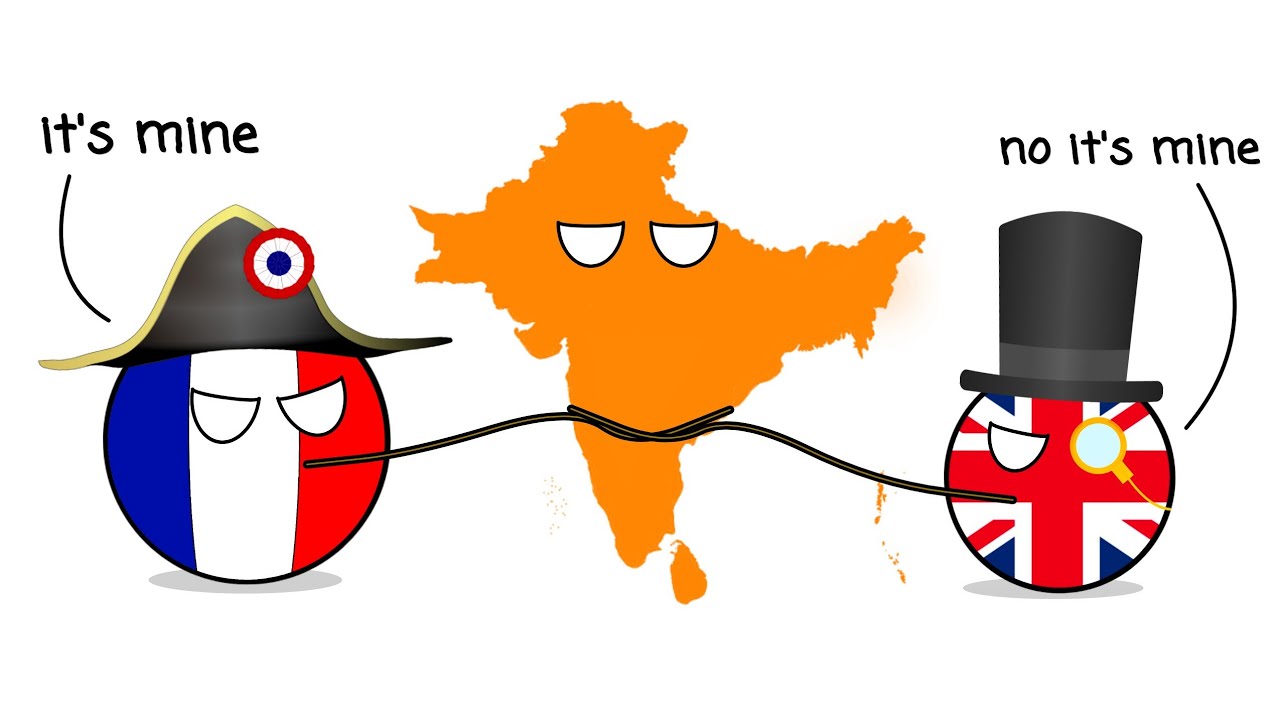
The rise of the French East India Company in India marked an important chapter in colonial history. From setting up early factories in key trading ports like Surat and Masulipatnam to building Pondicherry as a strong administrative base, French efforts brought both early successes and major challenges. Understanding this historical progression is helpful for students exploring European competition in India during the .
🎯 In this chapter, you will understand:
- How royal initiative led to the founding of the French company in .
- The establishment of major trading centers at Surat, Masulipatnam, and Chandernagore.
- How Pondicherry developed into the main hub of French operations.
- The impact of European wars and the major revival in .
💡 Why this topic matters: It explains how late-arriving European powers built trade networks and military strongholds across the Indian subcontinent.
🧠 Core Idea: State-sponsored trade expansion combined with strategic coastal strongholds allowed France to challenge Dutch and English dominance in East Indian trade.
Foundation and Expansion of the French East India Company in India
French colonial ambitions in India grew out of direct decisions by the French royal court, starting later than those of other European powers.
Guided by King Louis XIV and finance minister Jean-Baptiste Colbert, the French East India Company was formed in . This step aimed directly at competing with established Dutch and English influence in East Indian trade.
- (i) Known natively as the Compagnie des Indes Orientales, the French East India Company was created in with strong government funding and resources.
- (ii) The enterprise received a 50-year monopoly, granting exclusive rights for French trade across the Indian Ocean and Pacific Ocean.
- (iii) The company gained full administrative rights over Madagascar alongside any additional overseas lands it acquired or settled.
Early French Settlements and Trading Factories in India
The company focused on establishing coastal trading bases across India to build commercial networks and gain local footholds.

Initial French Expeditions and the First Factories
Led by capable leaders, initial French voyages led to the quick creation of trading settlements along key coasts.
- (i) An expedition led by Francois Caron reached India in and built the first French factory at the port of Surat.
- (ii) In , Mercara obtained a patent from the Sultan of Golconda to set up another trading factory at Masulipatnam.
- (iii) By , French officials received permission from Shaista Khan, the Mughal subahdar of Bengal, to establish a trading post at Chandernagore.
Pondicherry: The Foundation and Consolidation of French Power in India
Developing Pondicherry became the turning point for French presence, converting a single site into an administrative and military center.
Foundation and Strategic Significance of Pondicherry
Securing this land provided a strong base for extending French territorial reach across southern India.
- (i) The original site was granted to Francois Martin in by Sher Khan Lodi, a governor under the Bijapur Sultan.
- (ii) Pondicherry was officially established in when Francois Martin took charge as French governor, starting its growth as a central hub.
Expansion and Strengthening of French Trading Outposts
French traders added smaller coastal posts to strengthen connections with their primary bases.
Pondicherry developed into the chief stronghold of French operations in India. - (i) The network of factories expanded to include Mahe, Karaikal, Balasore, and Qasim Bazar.
- (ii) Continuous efforts transformed Pondicherry into a fortified stronghold representing French regional influence.
Early Setbacks and Struggles of the French East India Company
European conflicts often extended into overseas colonies, repeatedly disturbing operations and weakening positions in India.
The Impact of European Conflicts and Loss of Territories
Tensions in Europe directly affected trade settlements in India, leading to temporary losses of territory.
- (i) Fighting against combined Dutch and English forces led to the capture of Pondicherry by the Dutch in .
- (ii) Although the Treaty of Ryswick () restored Pondicherry to France, Dutch troops held administrative control until .
Commercial Decline and Leadership Crisis (Early 18th Century)
Extended wars and changing leadership created difficulties in maintaining steady trade operations.
- (i) War in Europe forced the company to pull back from factories in Surat, Masulipatnam, and Bantam.
- (ii) The passing of governor Francois Martin in brought a leadership crisis that slowed overall organizational progress.
Reorganisation and Revival of the French Company in India
To preserve trade rights, the French Crown restructured the company to rebuild stability and capital strength.
The Revival as the 'Perpetual Company of the Indies' (1720)
Administrative reforms gave the company new resources to stabilize its coastal activities.
- (i) In , the organization was restructured and renamed as the Perpetual Company of the Indies.
- (ii) Capable direction under governors like Lenoir and Dumas restored operational stability between and .
- (iii) Nearby island bases at Mauritius and Reunion provided strategic supply hubs across the Indian Ocean.
⚡ Quick Revision Capsule: French East India Company Key Milestones
A quick summary of key historical milestones and coastal developments of the French in India.
| Year / Period | Key Event / Milestone | Historical Significance |
|---|---|---|
| Foundation of Compagnie des Indes Orientales | State-backed company established under King Louis XIV and Colbert. | |
| – | First factories at Surat and Masulipatnam | Initial commercial entry into western and eastern coastal trade. |
| – | Establishment of Chandernagore and Pondicherry | Founding of central administrative strongholds in Bengal and South India. |
| – | Dutch capture and return of Pondicherry | Disruption caused by European wars resolved via the Treaty of Ryswick. |
| Reorganization into Perpetual Company of the Indies | Rebuilt financial backing and expanded regional maritime influence. |
📝 Summary
The French East India Company established a notable presence in India during the . By establishing key commercial centers at Surat, Masulipatnam, Chandernagore, and Pondicherry, French forces became major trade competitors. Despite struggles caused by European conflicts, leadership shortages, and factory closures, the reorganization in restored French power and set the stage for subsequent Anglo-French rivalries in South Asia.
🚀 Quick Revision Points
Essential facts to review before examinations:
- (i) Established in by royal initiative under King Louis XIV and Jean-Baptiste Colbert.
- (ii) First factory created at Surat (), followed by Masulipatnam ().
- (iii) Pondicherry founded in by Francois Martin, becoming the administrative center.
- (iv) Restructured in as the Perpetual Company of the Indies under governors Lenoir and Dumas.
- 💡 Exam Tip: Focus on key dates (, , ), founder names (Francois Martin, Colbert), and the geographical sequence of factory setups for competitive exam questions.
❓ Frequently Asked Questions (FAQ)
Q1: When and by whom was the French East India Company founded?
A1: It was founded in under King Louis XIV and his finance minister, Jean-Baptiste Colbert.Q2: Where was the first French factory established in India?
A2: The first French factory was established at Surat in by Francois Caron.Q3: What was the significance of the reorganization in 1720?
A3: In , the company was reformed into the Perpetual Company of the Indies, helping overcome financial decline and stabilizing trade under governance by Lenoir and Dumas.