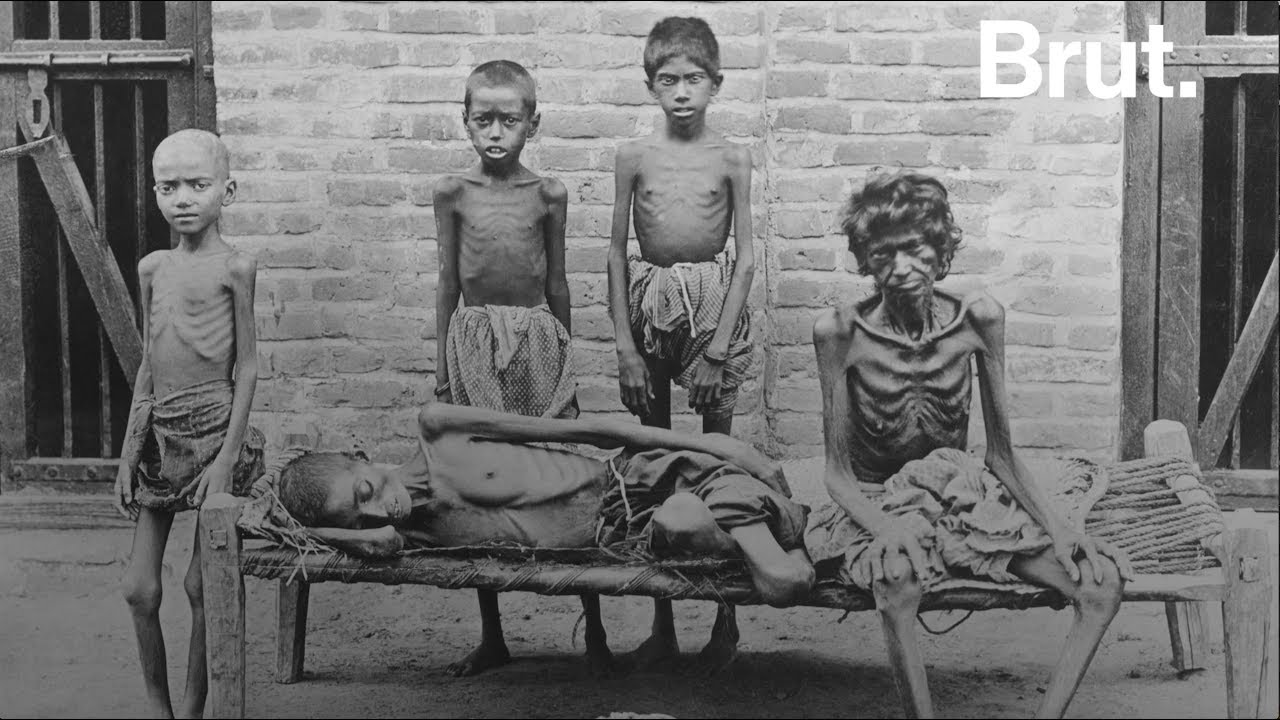
The tragic narrative of the famine in India serves as a stark reminder of how man-made disasters can devastate a nation, especially when compounded by the geopolitical pressures of World War II. This detailed analysis of the Bengal Famine is essential for students preparing for history and social studies examinations to understand the intersection of colonial policy and civilian suffering.
🎯 In this chapter, you will understand:
- The geographic reach and staggering human loss of the famine.
- How wartime military supply policies diverted essential food supplies.
- The economic impact of losing rice imports after the fall of Burma.
- How administrative delay, urban bias, and trader hoarding worsened the crisis.
💡 Why this topic matters: It highlights how administrative choices and wartime prioritization can create catastrophic social human suffering even without a total absence of food.
🧠 Core Idea: The famine was not just a natural failure, but a complex administrative collapse driven by imperial war needs and market failures.
📌 The Horrors and Causes of the 1943 Indian Famine during World War II Context
The year stands out as a dark turning point in modern Indian history, where the global impacts of World War II merged with an internal humanitarian disaster.
- A Nation Caught Between Global Conflict and Internal Catastrophe
While armies fought on distant battlefields, people across India faced severe hunger. This created a widespread social breakdown that shaped the civilian experience of that decade.
- (i) The famine worsened wartime suffering, leaving ordinary citizens in extreme vulnerability and despair.
- (ii) Destruction was worst in south-west Bengal, hitting districts like Tamluk-Contai-Diamond Harbour, along with Dacca, Faridpur, Tippera, and Noakhali.
- (iii) The loss of human life was vast, with deaths estimated between people due to starvation and rampant outbreaks of epidemic diseases such as malaria, cholera, and smallpox.
📌 Fundamental Causes of the 1943 Famine in India: A Systemic Collapse
This crisis was not caused by natural factors alone. It grew out of major administrative and logistics failures by the British Raj during wartime.

The Burden of the Army's Food Requirements during World War II
The military-first policy of the colonial administration placed the supply needs of the Indian Army above the survival of local farmers and city workers.
- (i) Large stocks of grain were removed from open markets so that the Armed Forces remained well supplied, which drained local food stocks.
- (ii) This policy created an artificial shortage that struck rural villages in Bengal first, as surplus grain was moved into military storage.
📌 Interruption of Rice Imports from Burma and South-East Asia
The invasion of Burma and expanding control of the Japanese Empire across South-East Asia cut off external food supplies that India depended on.
The Collapse of the Asian Rice Market
Losing overseas trade partners left local administrations with no emergency food buffer.
Disruption of major maritime grain supply lines from Burma to Indian ports. - (i) Historically, Bengal bought extra rice from Burma to cover domestic supply gaps. When these shipments stopped, local deficits became impossible to fill.
- (ii) The sudden loss of these imports meant there was no fallback support when domestic crop yields dropped.
📌 Mismanagement and Profiteering Aggravating the Famine Conditions
In addition to grain shortages, ethical and leadership failures prevented available food from reaching needy families.
Inefficient Administration and Urban Rationing Bias
Official relief efforts focused primarily on urban centers to prevent public protests.
- (a) The rationing system favored major industrial cities like Calcutta to keep urban workers quiet, leaving village communities without help.
- (b) Delayed intervention by government authorities meant that relief arrived only after deaths had reached severe numbers.
Economic Sabotage through Deliberate Profiteering
Commercial speculation made basic food items unaffordable for ordinary workers.
- (a) Wealthy merchants and local traders engaged in hoarding, keeping grain off the market to force prices higher for personal profit.
- (b) Unchecked profiteering drove rice prices so high that even when food was physically available, poor families could not buy it.
⚡ Quick Revision Capsule: Key Factors of the 1943 Famine
A structured breakdown of the causes, locations, and systemic issues surrounding the Bengal Famine:
| Factor Category | Key Elements | Impact / Outcome |
|---|---|---|
| Primary Location | South-west Bengal (Tamluk, Contai, Dacca, Faridpur) | Widespread starvation and community dislocation. |
| Mortality Estimate | lives lost | Caused by starvation and epidemic diseases like malaria & cholera. |
| Wartime Policy | Military prioritization and grain redirection | Depleted local village grain stores for military use. |
| External Shocks | Fall of Burma during World War II | Halted vital rice imports from South-East Asia. |
| Market Behavior | Trader hoarding & urban rationing bias | Unaffordable prices in rural areas despite available food in cities. |
📝 Summary
The famine in Bengal stands as a critical historical event during . It demonstrated how military priorities, import disruptions, delayed government relief, and trader price gouging created a immense human tragedy in colonial India.
🚀 Quick Revision Points
Essential facts to review before examinations:
- (i) The famine took place in in the region of Bengal during World War II.
- (ii) Major causes included military grain diversion, loss of Burmese rice imports, and urban-focused rationing.
- (iii) Speculation and hoarding by local traders caused extreme inflation in food prices.
- (iv) Total mortality is estimated between people from hunger and severe disease outbreaks.
- 💡 Exam Tip: Focus on how administrative policy decisions and economic factors transformed a harvest shortage into a major humanitarian catastrophe.
❓ Frequently Asked Questions (FAQ)
Q1: What were the main causes of the 1943 Bengal Famine?
A1: The famine was caused by a combination of wartime grain diversions for the military, the loss of rice imports after Burma fell, delayed government action, and widespread trader hoarding.Q2: How did World War II contribute to the famine?
A2: Imperial defense priorities diverted food reserves to troops, while Japanese occupation in South-East Asia cut off India's main external rice supply lines.Q3: Why was the death toll so high in rural areas?
A3: Rationing programs favored major cities like Calcutta, leaving rural populations without price controls or food supplies when prices rose sharply.
📌 Historical Significance and Educational Relevance of the 1943 Famine
The famine in India remains a vital case study for students of modern history and political science. It illustrates the severe outcomes of administrative failure and the prioritization of imperial war efforts over civilian lives. Understanding the Bengal Famine is crucial for grasping the socio-political context that led toward Indian Independence. This man-made disaster emphasizes the vital necessity of food security and responsible governance in times of global crisis.