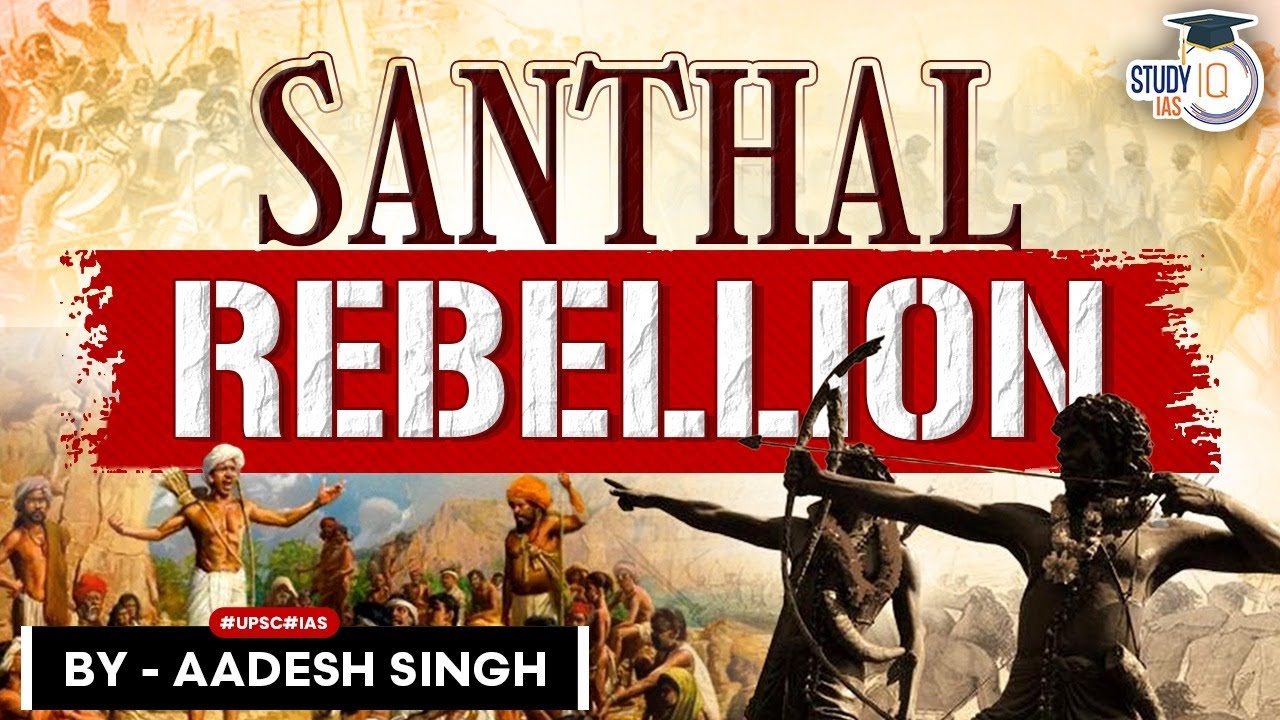
The Bhil Revolts represent a cornerstone of tribal resistance movements in India, specifically occurring within the Western Ghats. For students preparing for competitive examinations, understanding how the British Company rule was challenged from is essential. These uprisings, fueled by famine and political displacement, eventually evolved into a structured movement for a Bhil Raj under the leadership of Govind Guru.
🎯 In this chapter, you will understand:
- The strategic and geographic role of the Bhils in controlling the Western Ghats.
- Socio-economic catalysts behind the uprisings, including famine and oppressive colonial taxation.
- The British military responses and diplomatic conciliatory attempts like the Bhil Corps.
- The transformation of the movement under Govind Guru into a organized call for a sovereign Bhil Raj in .
💡 Why this topic matters: It reveals how early indigenous groups actively resisted colonial expansion using geographical advantages and strong communal ties long before larger national movements gained momentum.
🧠 Core Idea: Tribal resistance evolved from localized survival revolts against famine and taxation into organized political demands for sovereign self-governance.
Bhil Revolts: A Saga of Tribal Resistance Against British Rule in India (1817–1913)
The Bhils stood as the indigenous guardians of the rugged terrains of the Western Ghats, challenging the encroaching British hegemony. The story of the Bhils is one of strategic dominance and unyielding spirit. Settled deep within the mountain ranges, they held the keys to the gates of the Deccan, creating a natural barrier that the British found difficult to breach without conflict. Their history is not merely one of isolation but of active defense of their ancestral sovereignty.
- (i) The Bhils were the original inhabitants of the Western Ghats, living in harmony with a landscape that was as defiant as their spirit.
- (ii) Their strategic position allowed them to control the mountain passes that served as the primary trade and military arteries between northern India and the Deccan plateau.
- (iii) The transition of power to the British East India Company threatened this autonomy, sparking a fire of rebellion that would last for decades.
The Strategic and Geographical Power of the Bhil Tribes
The success of the Bhil resistance was deeply rooted in their profound connection to the complex geography of their homeland.

The Natural Fortress of the Western Ghats
The Western Ghats provided a sanctuary and a battlefield where the Bhils were unmatched. Their lifestyle was intertwined with the cliffs and forests, making them masters of the environment. Guerrilla warfare became their primary tool against the structured military of the British.
Tactical Mastery of the Hillside
Using their environment, the Bhils mounted swift, defensive maneuvers against colonial armies.
- (a) Utilizing the dense forest cover, the Bhils launched surprise attacks on British supply lines.
- (b) Their intimate knowledge of hidden tracks allowed them to vanish before the British Company forces could retaliate effectively.
The Catalysts of Rebellion: Famine and Economic Exploitation
The shift from traditional local governance to the rigid, profit-driven British Company rule brought immediate distress to the tribal heartlands.
Economic Hardship and the Shadow of Famine
The onset of famine in the early 19th century acted as a catalyst for the first major wave of unrest. While the land grew dry, the British administrative demands remained relentless, pushing the Bhils to the brink of survival.
- (i) Severe famine and a drastic scarcity of resources stripped the community of their livelihood, leaving them with no choice but to revolt.
- (ii) The exploitative land and revenue policies introduced under British Company rule ignored traditional tribal rights, worsening the economic distress.
The Burden of Misgovernment and Unfair Taxation
As the British attempted to consolidate their hold, they introduced alien administrative structures that were fundamentally oppressive to the tribal way of life.
- (i) Arbitrary and heavy taxation fueled a deep-seated resentment against the foreign occupiers.
- (ii) This climate of misgovernment and blatant oppression led directly to the first major organized revolt spanning from .
The British Strategy: Confrontation and Coaxing
The British realized that the Bhils could not be subdued by force alone, leading to a dual strategy of military suppression and diplomatic outreach.
The Cycle of Violence and Suppression
The British employed significant military action to crush the uprisings, yet the spirit of the Bhils remained unbroken, leading to recurring cycles of conflict throughout the mid-1800s.
British military expeditions entering tribal territories in the 1800s. - (i) Despite heavy-handed military intervention, the flames of rebellion were reignited in , , and again in .
- (ii) The British attempted various conciliatory measures, such as forming Bhil Corps to integrate them into the military, but trust remained elusive.
Political Evolution: The Rise of Govind Guru and the Dream of Bhil Raj
By the turn of the 20th century, the resistance shifted from spontaneous uprisings to a structured political movement seeking self-governance.
Social Reform and Mobilization in South Rajasthan
The entry of Govind Guru marked a transformative era. He worked tirelessly among the Bhils of south Rajasthan, specifically in the Banswara and Sunth states, to instill a sense of pride and unity.
- (i) Govind Guru acted as both a spiritual and political reformer, helping the Bhils organize their scattered strength into a cohesive force.
- (ii) His teachings promoted social upliftment, which became the foundation for their political demands.
The 1913 Movement and the Vision of Bhil Raj
The movement reached its zenith in when the quest for identity transformed into a demand for sovereign territory.
The Struggle for Sovereignty
The desire for self-determination culminated in a defined political goal.
- (a) By , the Bhils were fully mobilized, demanding the establishment of a Bhil Raj to govern their own affairs.
- (b) This demand represented a sophisticated shift from mere survival to a nationalist-tribal identity that challenged the very foundations of the colonial state.
⚡ Quick Revision Capsule: Bhil Revolts Timeline & Features
Key details summarizing the causes, key dates, and leadership of the Bhil resistance movements.
| Period/Year | Key Factor / Leader | Core Event & Significance |
|---|---|---|
| British Company Rule | Initial major uprising triggered by tax burdens and misgovernment. | |
| Hill Tribe Leaders | Repeated waves of uprising and defensive guerrilla warfare across passes. | |
| Mid-19th Century | British Administration | Attempted creation of the Bhil Corps as part of conciliatory policies. |
| Early 20th Century | Govind Guru | Social upliftment and political unity drive in south Rajasthan. |
| Govind Guru & Bhils | Organized demand for a sovereign Bhil Raj challenging colonial rule. |
📝 Summary
The Bhil Revolts from stand as a testament to the enduring power of tribal resistance against British Company rule. For students, this history highlights the intersection of geography, economic hardship, and the visionary leadership of Govind Guru. Understanding the struggle for a Bhil Raj is crucial for grasping the broader narrative of Indian tribal movements and their role in the freedom struggle.
🚀 Quick Revision Points
Essential facts to review before examinations:
- (i) The Bhils controlled vital trade passes in the Western Ghats.
- (ii) Early revolts () were caused by drought, famine, and harsh tax regimes.
- (iii) The British attempted both force and recruitment into the Bhil Corps to pacify the region.
- (iv) Govind Guru transformed the struggle in south Rajasthan into a unified movement for self-rule.
- 💡 Exam Tip: Highlight the shift from economic self-defense in to political demands for a Bhil Raj in when writing answers on tribal movements.
❓ Frequently Asked Questions (FAQ)
Q1: What was the primary cause of the early Bhil Revolts in 1817?
A1: Severe famine combined with oppressive tax demands and land policies introduced under British Company rule provoked the uprisings.Q2: What military tactics made the Bhils successful against British forces?
A2: The Bhils mastered guerrilla warfare in the dense forests and steep terrain of the Western Ghats, attacking lines of supply and retreating safely.Q3: Who was Govind Guru and what was his contribution?
A3: Govind Guru was a social and political reformer who organized the Bhils in south Rajasthan, elevating their revolt into a structured demand for a Bhil Raj in .