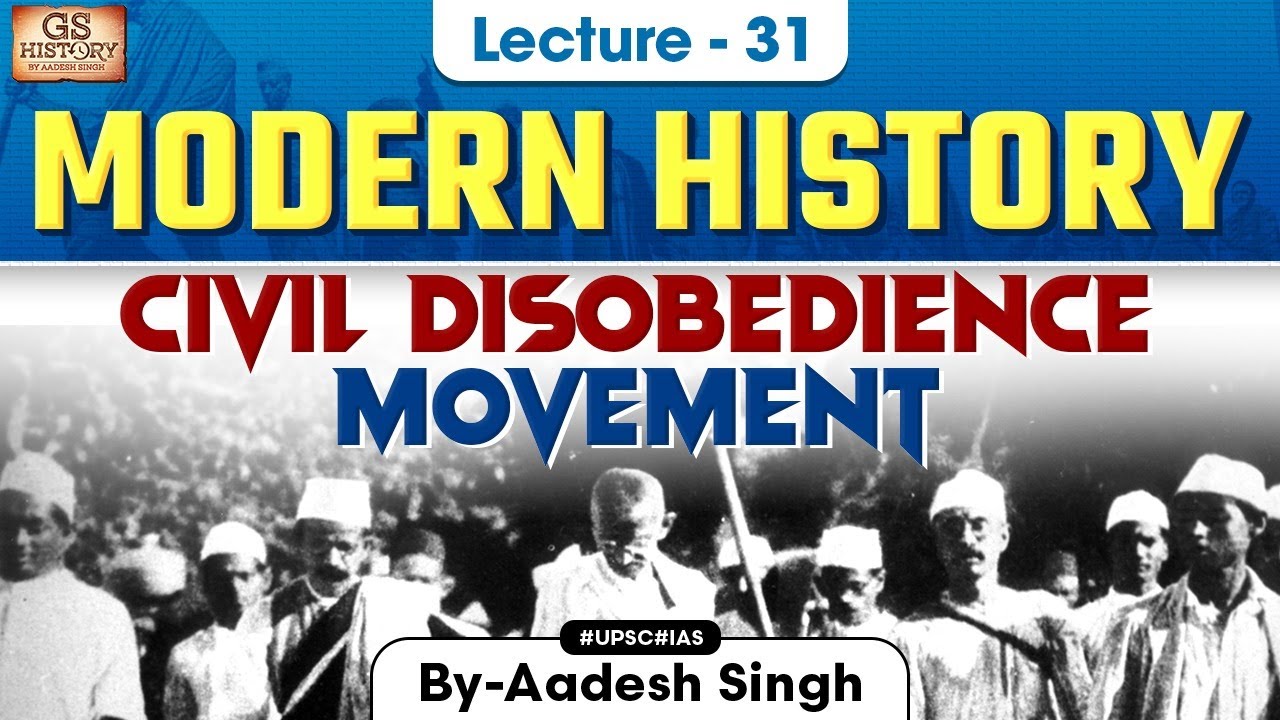
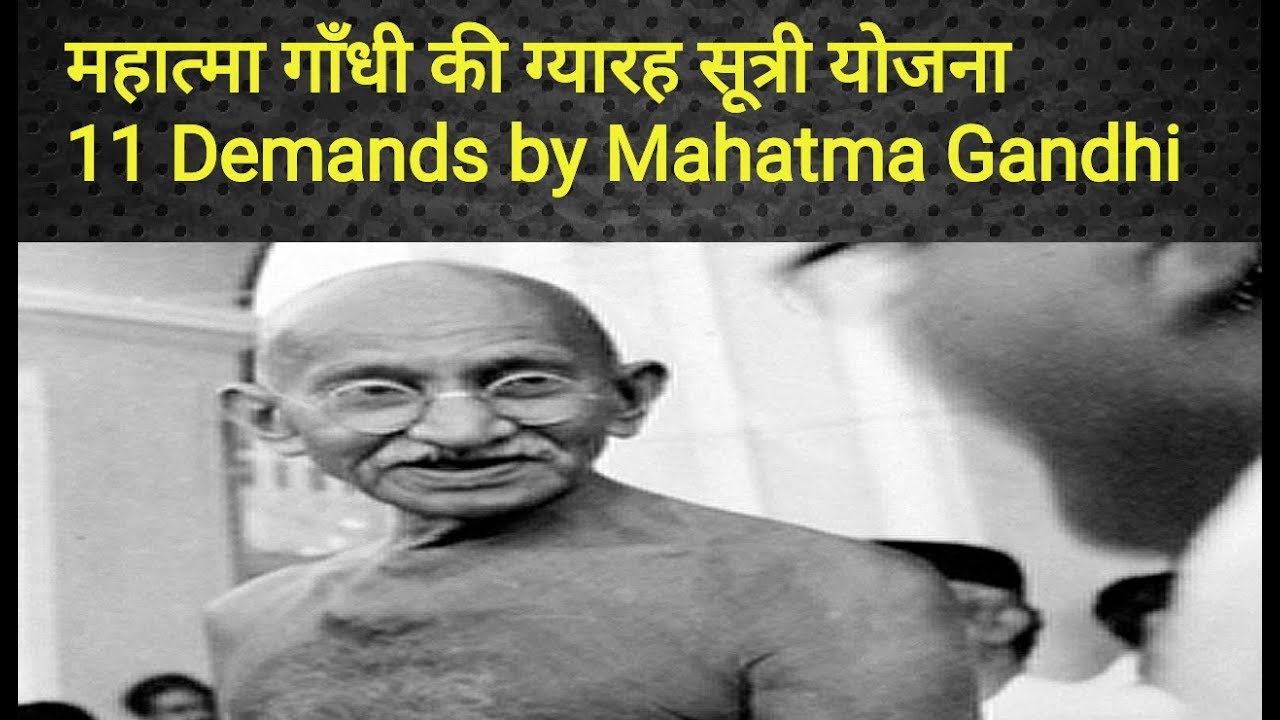
The Civil Disobedience Movement stands as a crucial chapter in India's fight for freedom, started by Mahatma Gandhi’s Eleven Demands in . By addressing key financial, social, and political problems, this movement brought people together across the country through the historic Salt Satyagraha and Dandi March. For students and learners, understanding this time is essential because it shows how different groups united for the common goal of Purna Swaraj (complete self-rule).
🎯 In this chapter, you will understand:
- The strategy behind Mahatma Gandhi’s Eleven Demands presented to Lord Irwin.
- Why salt was chosen as a nationwide symbol of protest against British rule.
- How the Dandi March triggered protests across different regions of India.
- The lasting impact of civil resistance on British administration and the Indian freedom struggle.
💡 Why this topic matters: It highlights how non-violent resistance and clever symbolic choices brought people from all walks of life together to challenge colonial authority.
🧠 Core Idea: Combining diverse economic demands into one non-violent movement made the struggle for Indian self-rule a truly nationwide effort.
The Genesis of Resistance: Gandhi’s Eleven Demands and the Civil Disobedience Movement ()
In early , political tension in India was high. Mahatma Gandhi put forward eleven key demands to the British Viceroy, Lord Irwin. These points were designed to bring together farmers, business owners, and everyday citizens into one unified movement against colonial economic policies.
A Strategic Ultimatum: Prelude to Revolution
The refusal of British officials to accept these simple requests left Indian leaders with no option but to launch a direct protest.
- (i) The movement began because the colonial government completely rejected these core requests.
- (ii) Gandhi used these demands to build a strong national front against British financial exploitation.
- (iii) The lack of room for peaceful discussion led directly to the start of the Salt Satyagraha.
Navigating the Architecture of Gandhi’s Eleven Demands for Freedom
The eleven demands were carefully organized into clear groups so that every person in society felt supported in the fight for freedom.

The General Interest Demands: A Call for Administrative Reform
These points asked for direct changes in how the British managed administration and policing in India.
Fiscal and Moral Reform
Focusing on administrative savings and social well-being.
- (i) A 50% cut in military and civil service expenses to save public money.
- (ii) A complete ban on alcohol sales to prevent social damage in families.
Justice and Civil Liberties
Protecting citizen rights and political freedom.
- (i) Changes to the Criminal Investigation Department (CID) to stop unfair spying.
- (ii) Changes to the Arms Act of so Indian citizens could carry firearms for protection.
- (iii) Immediate release of all political prisoners jailed during earlier peaceful protests.
- (iv) Passage of the Postal Reservation Bill to support local shipping.
Specific Bourgeois Demands: Strengthening the Indian Economy
To gain support from Indian business owners and traders, Gandhi added points to protect local business interests.
- (i) Adjusting the rupee-to-sterling exchange rate to 1s 4d to help local exporters.
- (ii) Adding protective duties on imported cloth to safeguard Indian textiles.
- (iii) Reserving coastal trade for Indian-owned ships.
The Peasantry Mandate: Relieving the Agrarian Burden
Farmers formed the main force of the movement, and their support relied on ending heavy taxes.
- (i) A 50% reduction in land tax collections.
- (ii) Complete removal of the salt tax and an end to the government monopoly on salt production.
The Salt Satyagraha: Crafting a Universal Symbol of Defiance
Salt was selected as the main focus of protest because every household needed it daily, rich or poor.
- (i) The tax on salt affected everyone, making it an easy way to bring citizens together.
- (ii) This peaceful action turned a simple daily need into a powerful sign of non-violent resistance against unfair rules.
The Iconic Dandi March: A 240-Mile Journey to Defiance
The Dandi March was the official opening event of the Civil Disobedience Movement, drawing global notice.
Execution of the Historic Pilgrimage
On , Gandhi and 78 followers started their historic walk.
Mahatma Gandhi leading the historic 240-mile trek from Sabarmati to Dandi. - (i) A 240-mile journey on foot from Sabarmati Ashram in Ahmedabad to the village of Dandi on the coast.
- (ii) On the morning of , Gandhi picked up a lump of natural salt, breaking the British salt law.
The Global and National Ripple Effect
This single action inspired mass non-cooperation across the entire nation.
- (i) It started protests nationwide, with millions choosing not to follow unfair colonial laws.
- (ii) Many Indian officials resigned from government jobs as national pride grew rapidly.
The Fire Spreads: Nationwide Mobilization and Regional Leaders
The protest was not limited to Gujarat; it spread from the north-west region down to southern India.
Mapping the Regional Resistance
Different regional leaders organized local marches using non-violent methods.
- (i) Tamil Nadu:C. Rajagopalachari led a march from Trichinopoly to Vedaranyam.
- (ii) Malabar:K. Kelappan led a march to Payyanur, where protestors faced police action.
- (iii) Bengal: Despite local differences, many people were arrested as the government tried to stop protests.
Crucial Flashpoints of the Struggle
Key moments demonstrated the calm determination of peaceful protestors.
- (i) Dharasana Raid: Peaceful volunteers faced harsh police beatings without fighting back.
- (ii) United Provinces: Farmers refused to pay land taxes and rent, lowering government income.
⚡ Quick Revision Capsule: Civil Disobedience Movement ()
A quick summary of key events, leaders, and regional centers during the movement.
| Region / Event | Key Leaders | Main Impact |
|---|---|---|
| Dandi March (Gujarat) | Mahatma Gandhi | Broke the salt law on , starting the national protest. |
| Tamil Nadu Coast | C. Rajagopalachari | Led the Vedaranyam Salt March from Trichinopoly. |
| Malabar Region | K. Kelappan | Organized the salt march to Payyanur. |
| Dharasana Salt Works | Sarojini Naidu & leaders | Showed peaceful resistance despite heavy police force. |
| United Provinces | Local peasant groups | Organized successful non-payment of rent and land taxes. |
📝 Summary
In summary, the Civil Disobedience Movement () was one of the largest peaceful protests in Indian history. By starting with Gandhi’s Eleven Demands and focusing on the Salt Satyagraha, Mahatma Gandhi united people across India in their demand for freedom. For students, this history shows how clear symbols and peaceful protest can bring about major political change.
🚀 Quick Revision Points
Essential facts to review before examinations:
- (i) Gandhi presented 11 demands to Lord Irwin in early covering social, business, and farming issues.
- (ii) The Dandi March covered 240 miles from Sabarmati Ashram to Dandi between and .
- (iii) Salt was chosen because it was needed by all citizens, making it an effective symbol for unity.
- (iv) The movement saw wide support from women, students, workers, and farmers across India.
- 💡 Exam Tip: Remember key dates like (start of Dandi March) and (breaking of the salt law), along with regional march leaders like C. Rajagopalachari and K. Kelappan.
❓ Frequently Asked Questions (FAQ)
Q1: Why did Gandhi choose salt as the main symbol of protest?
A1: Salt was used every day by rich and poor families alike. Taxing salt hurt everyone, making it an effective symbol to unite people against colonial rules.Q2: What were the main groups covered in Gandhi's Eleven Demands?
A2: The demands were divided into general administrative reforms, business protection for Indian traders, and land tax relief for farmers.Q3: How did regional leaders support the Salt Satyagraha outside Gujarat?
A3: Leaders like C. Rajagopalachari in Tamil Nadu and K. Kelappan in Malabar organized local salt marches following the pattern set at Dandi.