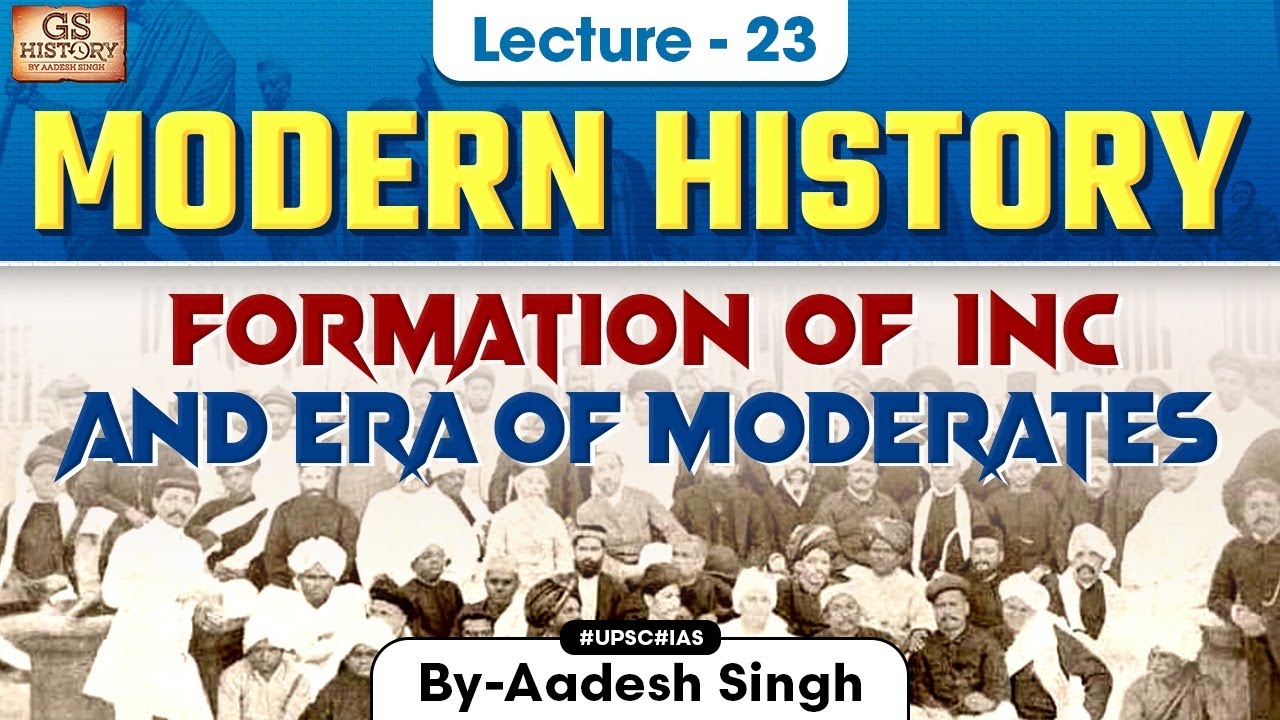
The early nationalists provided a profound economic critique of British imperialism in India during the late , marking a pivotal shift in the freedom struggle. Leaders such as Dadabhai Naoroji, R.C. Dutt, and Dinshaw Wacha utilized the drain of wealth theory to expose colonial exploitation, while demanding constitutional reforms and civil rights, making this a fundamental topic for students and competitive exams.
🎯 In this chapter, you will understand:
- How early nationalist thinkers analyzed colonial economic exploitation through the drain theory.
- The structure, progress, and limitations of legislative reforms in 1861 and 1892.
- The major campaigns for civil service Indianisation, tax reductions, and administrative justice.
- The defense of civil liberties and individual freedoms during the Indian national movement.
💡 Why this topic matters: It reveals how early Indian leaders shifted public thinking from accepting British rule as beneficial to recognizing it as an extractive economic system.
🧠 Core Idea: Colonial policies systematically drained India's wealth, driving leaders to demand financial fairness, administrative representation, and basic civil rights.
Economic Critique of British Imperialism and Early Nationalist Demands in India: A Path Towards Economic Sovereignty
Early nationalist thinkers meticulously analyzed British rule to show how colonial economic systems drained wealth from India.
In the late , Indian leaders began to look beyond basic administration to understand the deep poverty across the nation. They showed that economic stagnation in India was a deliberate outcome of British imperial policies created to enrich Britain at the expense of the colony.
- (i) The transformation of a self-sufficient Indian economy into a supplier of raw materials and a market for British investments was the main tool of colonial control.
- (ii) These leaders helped build an all-India public opinion, showing that widespread poverty was the direct result of foreign rule.
- (iii) To reduce the burden on common people, they demanded lower land taxes, the abolition of the salt tax, and better working conditions for plantation labor.
- (iv) Their economic program called for cutting heavy military spending and providing government financial aid and tariff protection for modern local industries.

Constitutional Reforms and Legislative Propaganda by Early Nationalists
Early leaders strategically used limited legislative councils to raise economic issues and criticize government policies, preparing the ground for future democratic reforms.
The Imperial Legislative Council and the Indian Councils Act 1861
The early framework for Indian political participation was very restricted, but it offered a small space for leaders to start campaigning for higher representation and administrative accountability.
- (i) The council was created mainly to make official measures look representative, even though Indian members remained very few between .
- (ii) Nominated Indian members, such as Syed Ahmed Khan, Kristodas Pal, and Rashbehari Ghosh, represented the first steps in engaging with British legislative bodies.
- (iii) Between and , nationalist demands focused on expanding these councils, asking for more Indian representation and real financial power for members.
The Indian Councils Act 1892: Structural Provisions and Critical Limitations
The Indian Councils Act 1892 was a partial response to nationalist pressure, making small changes to council structures while keeping ultimate British control over Indian affairs.
Provisions of the Indian Councils Act 1892
Key updates introduced under this act brought early political steps forward:
- (a) The act increased non-official members in both Imperial and Provincial Legislative Councils.
- (b) It allowed a limited form of representation through recommendations from universities, municipalities, and commercial bodies.
- (c) For the first time, it permitted discussion of the budget and let members ask questions on public policy.
Limitations of the Legislative Reforms of 1892
Despite minor changes, major restrictions kept real power out of Indian hands:
- (a) Official British members held a permanent majority, keeping Indian voices mostly powerless in final decisions.
- (b) Legislative sessions were very short, and procedural rules limited active participation.
- (c) Members could not vote on or amend the budget, and follow-up questions were strictly forbidden.
Campaign for General Administrative Reforms and Economic Justice
Nationalist leaders worked beyond economic theories alone, demanding broad administrative changes so that public systems served Indian citizens rather than imperial goals.
- (i) They campaigned for the Indianisation of civil services to save public funds on foreign salaries and give Indians a direct say in governance.
- (ii) A major demand was the total separation of the judiciary from the executive to ensure legal fairness and prevent government overreach.
- (iii) Leaders strongly criticized the costly, oppressive administrative systems and expensive courts that burdened everyday citizens.
- (iv) They opposed costly British military expeditions in Burma, Afghanistan, and border areas that spent money from the Indian treasury.
- (v) They repeatedly asked for higher public investment in education, health, sanitation, irrigation, and agriculture to improve lives.
- (vi) The campaign also defended the civil rights of Indian workers abroad, standing against racial discrimination within the British Empire.
Protection of Civil Rights and the Defense of Liberty
Defending individual freedoms became a central goal of the early movement, as leaders recognized that political growth required free speech and organization.
- (i) Nationalists emphasized basic rights of speech, thought, assembly, and the press as foundation stones for a modern nation.
- (ii) They organized public protests against arbitrary arrests, such as the arrest of Tilak in and the deportation of the Natu brothers without trial.
- (iii) Civil rights became a core demand, connecting democratic ideals directly to the Indian freedom struggle.
⚡ Quick Revision Capsule: Early Nationalist Movement
This capsule summarizes the core pillars, key acts, and primary demands of early Indian nationalist leaders.
| Focus Area | Key Demand / Concept | Impact & Limitation |
|---|---|---|
| Economic Policy | Abolition of drain of wealth, lower land taxes, and salt tax removal. | Exposed colonial exploitation; built nation-wide economic awareness. |
| Legislative Reform | Council expansion via Indian Councils Act 1892. | Allowed budget discussion but prohibited voting or amendments. |
| Administrative Reform | Indianisation of civil services and judiciary separation. | Aimed to reduce salary drain and secure impartial justice. |
| Public Welfare | Higher spending on health, education, and irrigation. | Challenged heavy imperial military expenditure. |
| Civil Liberties | Freedom of speech, press, and protection from arbitrary arrest. | Mobilized public support during arrests like Tilak in . |
📝 Summary
The economic critique formulated by early nationalist leaders formed the intellectual foundation of organized Indian nationalism. By explaining the drain theory, running campaigns for council expansion, demanding administrative accountability, and defending civil rights, they exposed the exploitative nature of colonial rule. Their groundwork during the late set the stage for the broader mass movements of the .
🚀 Quick Revision Points
Essential facts to review before examinations:
- (i) Early leaders used the drain of wealth concept to explain widespread economic poverty under British rule.
- (ii) The Indian Councils Act 1892 introduced limited non-official representation and budget discussions.
- (iii) Indianisation of civil services was demanded to lower administrative costs and increase local governance.
- (iv) Defense of civil rights grew stronger following the arrest of Tilak in .
- 💡 Exam Tip: When writing answers on early nationalists, emphasize that their biggest contribution was intellectual—they transformed public perception of British rule from beneficial to economically harmful.
❓ Frequently Asked Questions (FAQ)
Q1: What was the main purpose of the Drain of Wealth theory?
A1: It demonstrated how Indian economic resources and money were continuously transferred to Britain without an adequate return, causing national poverty.Q2: What were the main changes brought by the Indian Councils Act 1892?
A2: It increased non-official council members, introduced indirect recommendations for seats, and allowed members to discuss the annual budget and ask limited questions.Q3: Why did early nationalists demand the Indianisation of civil services?
A3: They wanted to reduce the heavy drain of money spent on European salaries and pensions while increasing Indian participation in national administration.