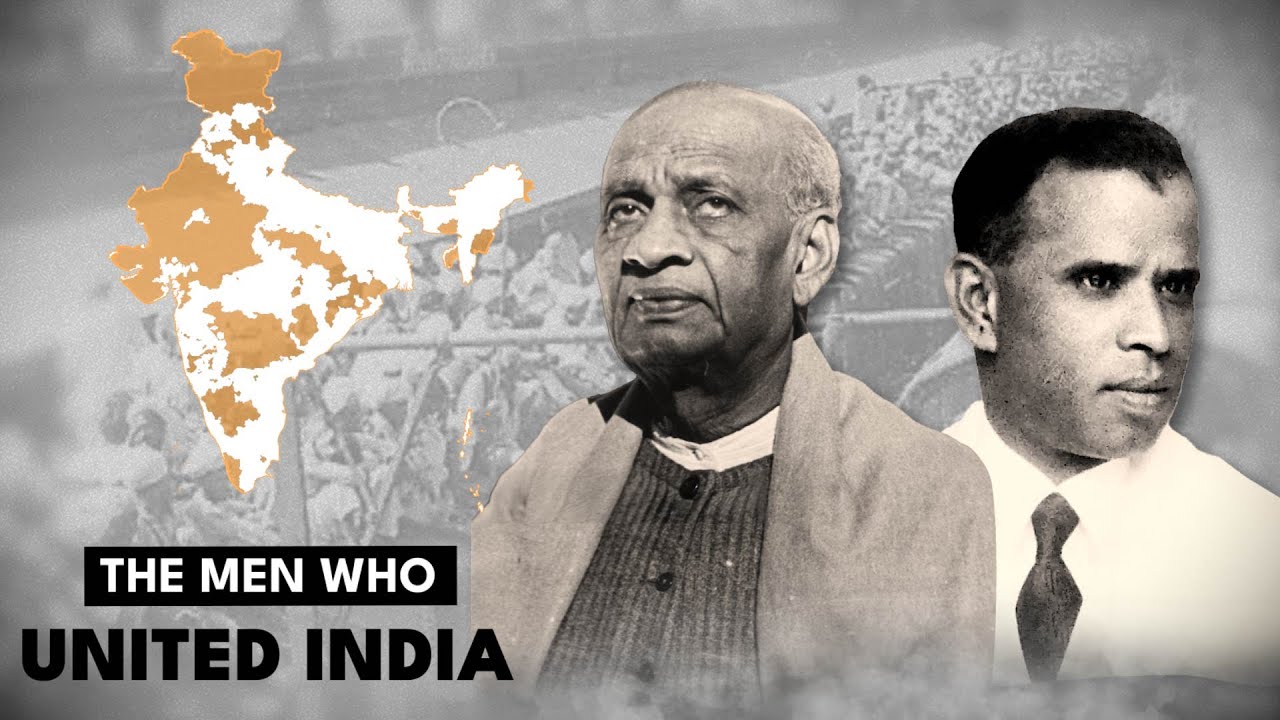
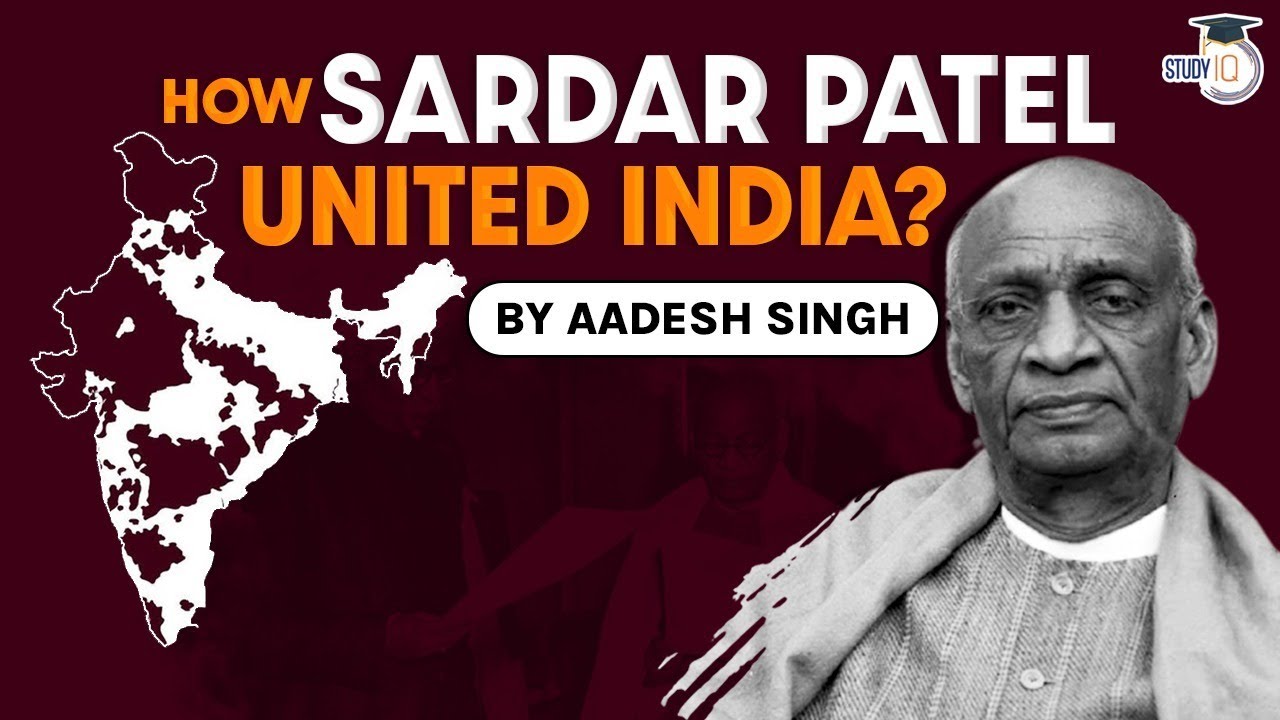
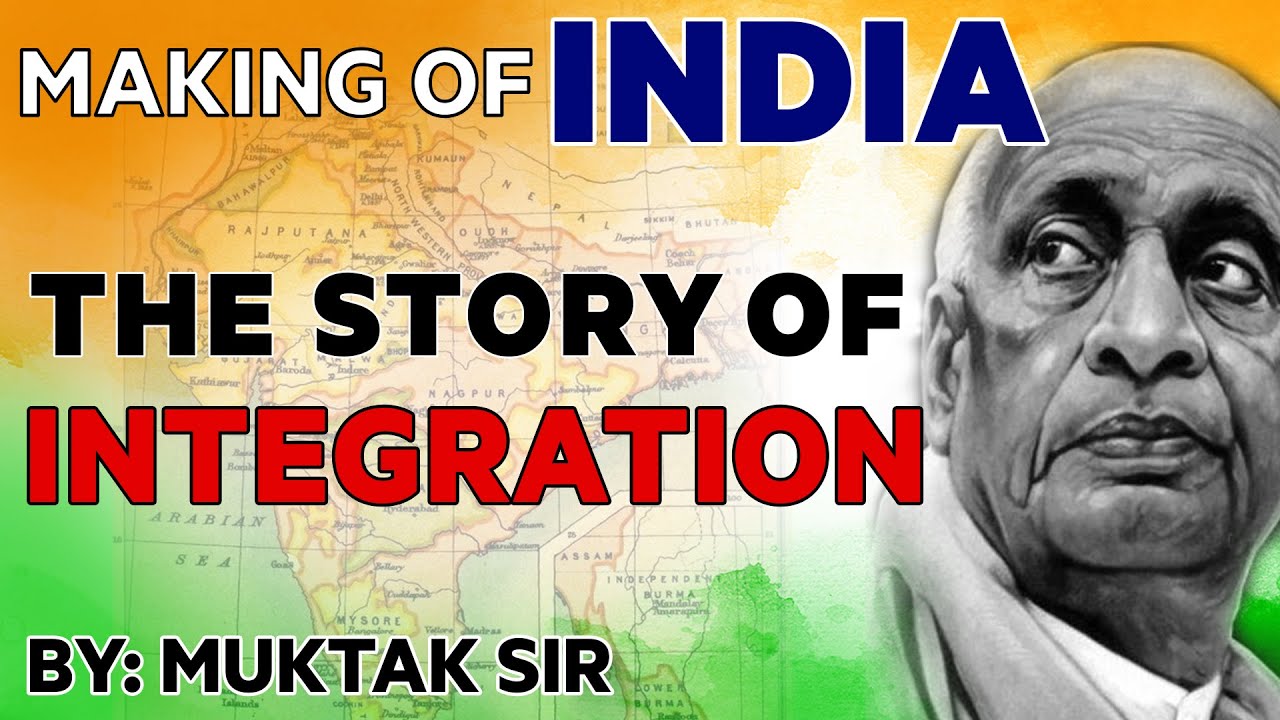
The integration of the princely states stands as a major pillar in the history of post-independence India. It highlights the strategic skill of Sardar Vallabhbhai Patel. This analysis explores the unification of India, the work of the States Department, and the legal Instrument of Accession, offering essential insights for history students and exam preparation. Through a mix of diplomacy and political firmness, India successfully avoided becoming a divided country.
🎯 In this chapter, you will understand:
- How public movements and political decisions set the stage for unifying the princely states.
- The two main phases of accession and internal administrative reorganization.
- The risks posed by Plan Balkan and how firm leadership prevented the division of the country.
- The lasting historical legacy of Sardar Patel and V.P. Menon in building modern India.
💡 Why this topic matters: Understanding how hundreds of independent territories were joined into one democratic republic helps explain the administrative unity of modern India.
🧠 Core Idea: Combining peaceful diplomacy with clear political firmness allowed India to unify smoothly without violent conflict.
Integration of Indian States after Independence: Phases, Challenges, and Patel’s Leadership
The work to build a single nation was carefully started even before the British fully left India. The story of joining these regions began with growing public demand and smart planning by Indian leaders. The State People's Movement played a key role by demanding that royal rulers align with the democratic goals of the Constituent Assembly. This period marked the change from being colonial subjects to becoming citizens of a free, united, and democratic India.
- (i) During the important years of , the State People's Movement grew strong, calling for political rights and public representation inside various princely territories.
- (ii) Jawaharlal Nehru, while leading several conferences, gave a clear warning to the rulers: any state that chose to boycott the Constituent Assembly would be treated as a hostile power.
- (iii) The government efforts moved faster in when Sardar Patel took charge of the newly created States Department.
- (iv) Working with V.P. Menon, Patel used a practical policy offering benefits while making the consequences of not joining very clear.
Phases of Accession and Integration
The dynamic mapping of India changed in two separate yet overlapping phases, moving from initial agreements to full local administration.

Phase I: Accession and Initial Political Integration
This first step focused on signing legal papers that linked the states to India. It centered on defense and foreign affairs without changing local governance right away.
- (i) By the key date of , most princely states signed the Instrument of Accession, except for Kashmir, Hyderabad, and Junagarh.
- (ii) Under these agreements, rulers handed over control of defense, foreign relations, and communications to the central government.
- (iii) This change went smoothly because many rulers already had these areas managed under British rule.
- (iv) This starting phase kept local political setups unchanged for a brief period.
Phase II: Consolidation and Internal Administrative Changes
The second phase brought deeper changes. It involved combining smaller areas to build organized administrative regions for modern India.
The Process of Merger and Unions
Smaller states were joined with existing provinces or brought together into larger regional unions.
- (i) Smaller areas merged into nearby provinces or joined together as new state unions like Kathiawar (Saurashtra) Union, Vindhya Pradesh, Madhya Pradesh, Rajasthan, and Himachal Pradesh.
- (ii) Larger regions like Hyderabad, Mysore, and Travancore-Cochin carried out internal reforms to match democratic systems.
Incentives for the Royalty
To keep the process peaceful, the central government offered specific arrangements to former rulers.
- (a) Sardar Patel offered rulers a guaranteed annual payment called the Privy Purse.
- (b) Some rulers were given official roles as Rajpramukh (Governor).
- (c) This peaceful unification within one year stands as a major success in nation-building during the .
Plan Balkan and the Historical Significance of Unity
The path to a united nation was nearly interrupted by British proposals that could have broken the country into many tiny pieces.
- (i) Under Lord Mountbatten between , an alternate proposal called Plan Balkan was considered.
- (ii) This plan suggested giving power directly to individual provinces, allowing regions like Punjab and Bengal to vote separately on partition.
- (iii) It would have allowed princely states to stay fully independent, creating many separate territories inside India.
- (iv) Strong opposition from Jawaharlal Nehru led to dropping this proposal, leaving Patel's integration plan as the main path forward.
Evaluation and the Eternal Historical Legacy
The integration of states prevented a dangerous splitting of the nation. By combining clear communication with strong resolve, Sardar Patel kept the Indian Union intact. His efforts transformed a divided set of territories into a single, sovereign democratic republic.
⚡ Quick Revision Capsule: Princely States Integration
A structured quick review of the key elements, leaders, and agreements involved in unifying post-independence India.
| Key Aspect | Details & Key Terms | Historical Significance |
|---|---|---|
| Primary Leadership | Sardar Vallabhbhai Patel & V.P. Menon | Guided the administrative and diplomatic strategy to unify over 500 princely states. |
| Key Legal Document | Instrument of Accession | Transferred control of defense, foreign affairs, and communications to the Indian government. |
| Administrative Body | States Department (Established ) | Managed direct negotiations with royal rulers to secure peaceful agreements. |
| Royal Incentives | Privy Purse & Rajpramukh positions | Ensured a smooth transition by providing financial security and official roles to rulers. |
| Alternative Threat | Plan Balkan () | Proposed provincial independence; defeated by strong political opposition from Indian leaders. |
📝 Summary
The integration of princely states was a crucial step in building modern India after . Through careful diplomatic work and clear choices, Indian leaders brought hundreds of independent regions under one central government, forming a strong sovereign republic.
🚀 Quick Revision Points
Essential facts to review before examinations:
- (i) The State People's Movement helped push royal states toward democratic representation.
- (ii) The initial phase centered on defense, foreign affairs, and communications through legal agreements.
- (iii) The second phase merged smaller territories into organized states and regional unions.
- (iv) Financial security through the Privy Purse encouraged rulers to join peacefully without conflict.
- 💡 Exam Tip: Focus on the differences between Phase I (Accession via legal agreement) and Phase II (Administrative merger into state unions) when writing exam answers.
❓ Frequently Asked Questions (FAQ)
Q1: What was the main purpose of the Instrument of Accession?
A1: It was a legal document through which princely state rulers agreed to join India, handing over authority over defense, foreign affairs, and communications.Q2: What role did the States Department play in integration?
A2: Formed in under Sardar Patel and V.P. Menon, the States Department led negotiations with rulers to bring them into the Indian Union.Q3: Why was Plan Balkan rejected by Indian leaders?
A3: Plan Balkan would have allowed individual provinces and states to claim complete independence, risking severe division across the country.