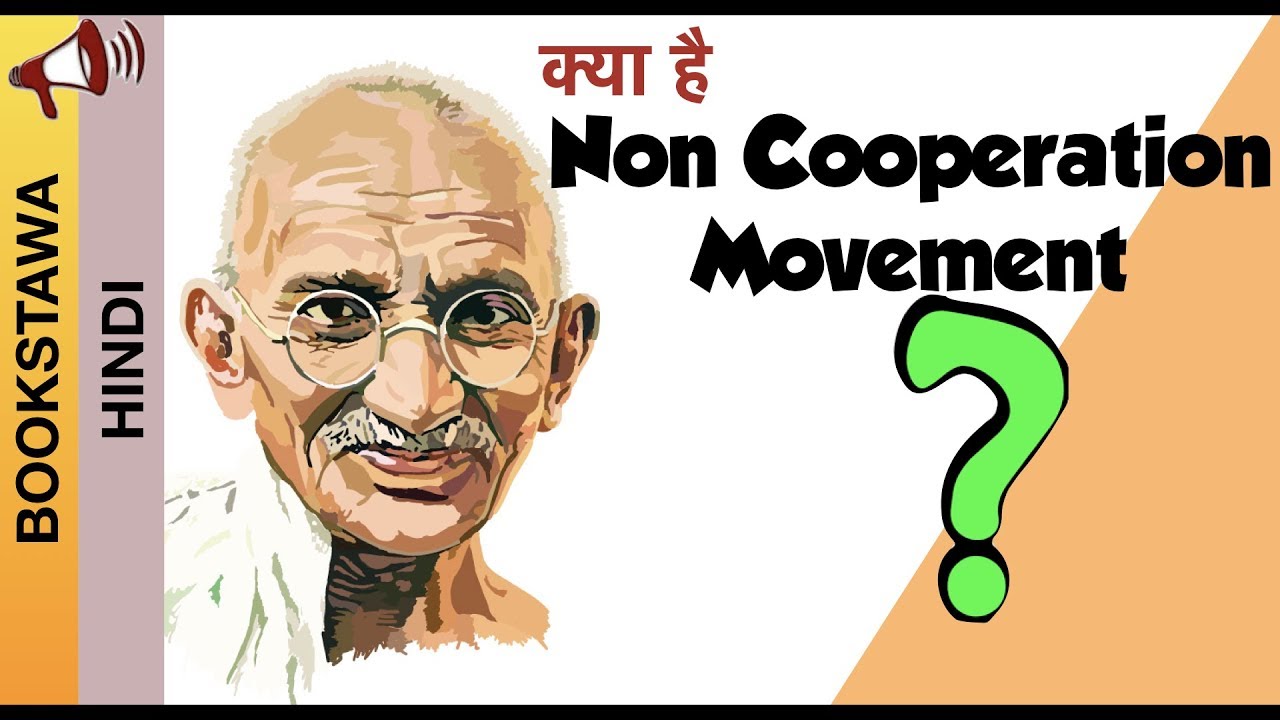
The Khilafat and Non-Cooperation Movements represent a pivotal epoch in India’s freedom struggle (), marking the first truly mass-scale challenge to British authority. Led by Mahatma Gandhi’s leadership, this era blended religious sentiment with political aspiration, making it a vital study area for students preparing for competitive exams. However, the movement eventually faced a complex decline due to violence at Chauri Chaura, the collapse of the Khilafat question, and movement fatigue, providing a deep lesson in the dynamics of religion, politics, and non-violence.
🎯 In this chapter, you will understand:
- How the merger of nationalist and religious sentiments created a mass movement.
- Why misunderstandings of Ahimsa led to strategic setbacks.
- The geopolitical changes in Turkey that ended the Khilafat cause.
- The overall legacy and long-term impact on India's independence struggle.
💡 Why this topic matters: This period demonstrates how nationwide non-violent protests can unite diverse communities, while highlighting the delicate balance required to sustain peaceful mass movements.
🧠 Core Idea: The strategic union of the Khilafat Movement and Non-Cooperation Movement transformed Indian politics into a popular struggle against colonial rule.
The Rise and Fall of the Khilafat and Non-Cooperation Movements (1920–1924)
A transformative yet turbulent chapter in Indian History defined by the merger of Nationalist and Pan-Islamic sentiments.
The Non-Cooperation and Khilafat Movements fundamentally altered the landscape of British India. While they successfully mobilized diverse social strata, the initial fire began to dim as the masses struggled with the rigid demands of Satyagraha and external geopolitical shifts rendered the Khilafat issue obsolete.
- (i) A fundamental gap appeared in the masses' comprehension of Ahimsa or non-violence.
- (ii) Long-term agitation led to natural fatigue among the peasantry and urban poor.
- (iii) Global shifts in Turkey dismantled the religious foundation of the movement.
- (iv) The eventual evaluation reveals a legacy of mass politicization despite strategic limitations.
The Philosophical Divide: Non-Violence Misunderstood
At the heart of the Gandhian strategy was the strict adherence to non-violence, a concept that proved difficult for a frustrated populace to maintain under provocation.

The Catastrophic Turning Point at Chauri Chaura
The Chauri Chaura incident () served as a grim reminder that the movement was straying from its core ethical foundation, leading to an immediate tactical retreat by the Indian National Congress.
The Mechanism of Colonial Repression
Understanding how outbreaks of violence weakened the movement against state power:
- (a) Violent outbreaks in Chauri Chaura allowed the British regime to claim moral high ground.
- (b) Gandhi feared that stray acts of violence would provide a perfect excuse for armed suppression by colonial authorities.
- (c) The leadership realized that an unorganized, violent mob could not withstand the disciplined might of the state.
The Cracks of Endurance: Movement Showing Signs of Fatigue
No mass movement can be sustained at a fever pitch indefinitely without tangible concessions or political breakthroughs.
Challenges in Maintaining Long-Term Agitation
As the movement stretched into its second and third years, the initial euphoria began to give way to the harsh realities of economic hardship and political stalemate.
- (i) The prolonged nature of the campaign led to exhaustion among dedicated Satyagrahis.
- (ii) A total lack of negotiation or flexibility from the colonial government discouraged those seeking immediate Swaraj.
The End of an Era: Dissipation of the Khilafat Question
The Khilafat issue, which served as the bridge for Hindu-Muslim unity, was unexpectedly resolved not in India, but through a revolution in Turkey.
Mustafa Kemal Pasha and the Secularization of Turkey
The rise of Mustafa Kemal Pasha brought about radical changes that effectively removed the religious cause for which Indian Muslims were agitating.
The Modernization of the Turkish State
Geopolitical transformations in Turkey leading to the abolition of the Caliphate - In , the Sultan was stripped of political power, and by , the Caliphate was officially abolished.
- This abolition removed the very raison d'être of the Khilafat Movement in the Indian subcontinent.
- The new regime in Turkey prioritized women’s rights, modern industries, and a European legal system, nationalizing education and side-lining religion.
⚡ Quick Revision Capsule: Key Factors of the Movement
A quick comparison of the major drivers behind the escalation and eventual suspension of the struggle:
| Phase / Aspect | Primary Cause | Historical Outcome |
|---|---|---|
| Chauri Chaura () | Violent clash leading to death of policemen | Gandhi suspended the national Non-Cooperation Movement |
| Khilafat Issue | Protection of the Ottoman Caliphate | Abolished internally by secular Turkish government in |
| Public Engagement | Prolonged boycott and civil resistance | Movement fatigue set in due to economic stress and no concessions |
| Mass Mobilization | Integration of peasants, workers, and women | Permanently changed the freedom struggle into a mass movement |
| Political Alignment | Joint Hindu-Muslim anti-colonial platform | Demonstrated power of unified action despite later communal challenges |
📝 Summary
The Khilafat and Non-Cooperation Movements stand as a testament to the power of unified mass action in India’s national struggle. Despite their decline through movement fatigue and the fall of the Khilafat issue, they ignited an anti-imperialist awakening that never truly extinguished. For students, understanding this period is essential to grasping how Gandhian principles and grassroots mobilization paved the way for future Satyagraha and eventual independence in the decades leading up to .
🚀 Quick Revision Points
Essential facts to review before examinations:
- (i) The merger of the Khilafat Movement and Non-Cooperation Movement created the first nationwide mass protest.
- (ii) The violent incident at Chauri Chaura in led Gandhi to call off the campaign.
- (iii) Reforms under Mustafa Kemal Pasha in Turkey abolished the Caliphate in .
- (iv) Despite its sudden end, the movement successfully expanded national consciousness across rural and urban India.
- 💡 Exam Tip: Focus on the strategic reasons why Gandhi withdrew the movement after Chauri Chaura, as well as how secular reforms in Turkey impacted the Khilafat agitation in India.
❓ Frequently Asked Questions (FAQ)
Q1: Why did Mahatma Gandhi withdraw the Non-Cooperation Movement?
A1: Following the Chauri Chaura incident in , where a violent mob set fire to a police station, Gandhi called off the movement because it violated the fundamental rule of non-violence (Ahimsa).Q2: What was the main objective of the Khilafat Movement?
A2: The Khilafat Movement was launched by Indian Muslims to pressure the British government to preserve the authority and territory of the Ottoman Caliph, who was considered the spiritual leader of Sunni Muslims.Q3: How did events in Turkey affect the Khilafat Movement in India?
A3: Under Mustafa Kemal Pasha, Turkey adopted secular reforms, deposed the Sultan, and officially abolished the Caliphate in , which removed the central cause of the movement in India.