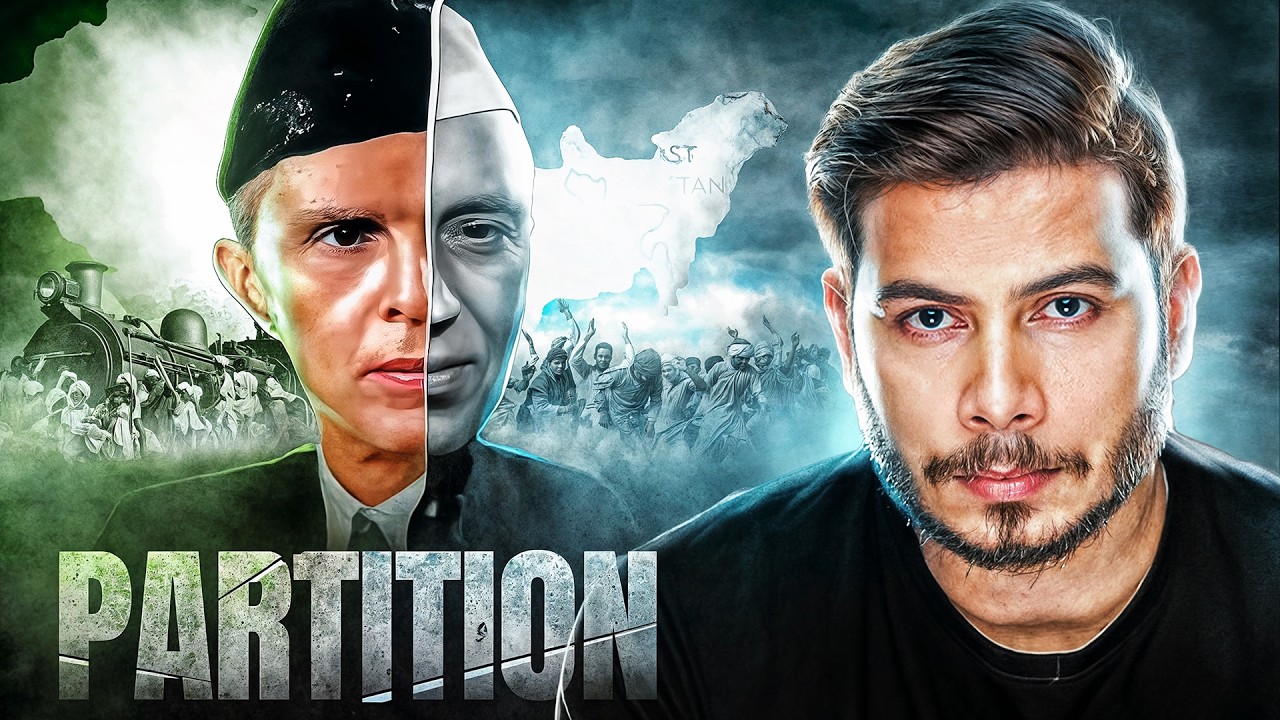
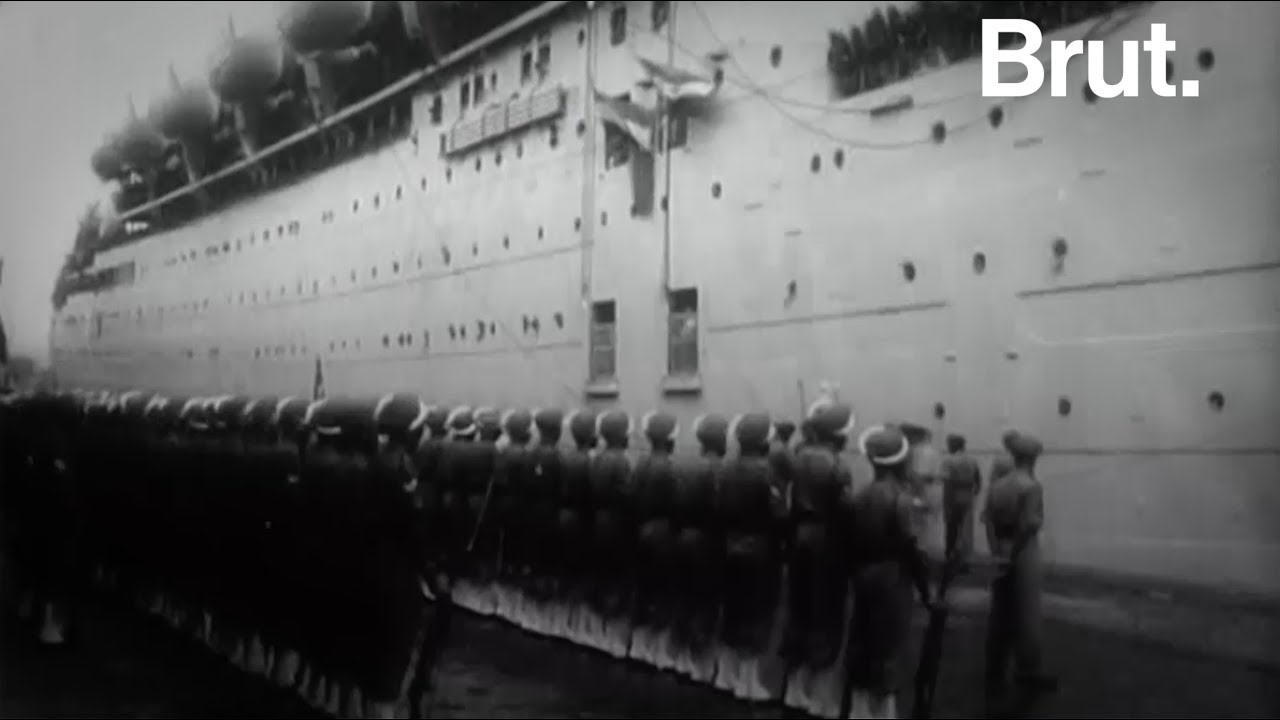
The Partition of India in stands as a major historical turning point, showing what happens when political unity breaks down and shared governance fails. It is a critical subject in the Indian freedom struggle that every history student and competitive exam candidate must understand. This detailed discussion looks into why division became unavoidable, how widespread violence changed political choices, and how leaders like Mahatma Gandhi and Muhammad Ali Jinnah guided their parties during this time of big political changes.
🎯 In this chapter, you will understand:
- Why the partition of India became politically unavoidable by .
- Different scholarly views on whether partition was caused by British policies or domestic failures.
- The step-by-step political steps from the Cripps Mission to the .
- The opposing views held by Gandhi and Jinnah regarding the division of the country.
💡 Why this topic matters: It explains how modern South Asia was formed and helps answer important historical questions about Indian independence and communal relations.
🧠 Core Idea: Partition resulted from political disagreements, rising communal tension, and the failure to build a shared political consensus before British power was transferred.
Comprehensive Narrative of the Partition of India: Inevitability, Diverse Perspectives, and the Road to 1947
The journey toward independence in was shaped by political setbacks and the growing realization that the Indian National Congress could no longer hold a fully united political front. The vision of an undivided nation broke down as internal differences over community representation became too large to bridge.
A Story of Political Necessity: The Growing Inevitability of Indian Partition
Political efforts to form a unified movement met serious challenges over time.
- (i) Congress leaders eventually realized that past attempts at political inclusion had not fully united all communities within the national movement, leaving room for growing communalism.
- (ii) Historical analysis shows that Partition had two sides: it marked the success of the independence movement against British Rule, but also reflected the struggle to build a single secular national identity.
- (iii) By the mid-, widespread communal unrest showed that a quick transfer of power was necessary to prevent wider disorder.
- (iv) The practical breakdown of the Interim Government served as a final turning point, making the creation of Pakistan look like an unavoidable political outcome rather than just a potential threat.
The Multi-Dimensional Debate: Scholarly Perspectives and the Gradual Path to Division
Accepting the division plan was not an instant choice. It was a gradual response to real societal divisions and changing political decisions made during late British rule.

Scholarly and Leadership Interpretations of the Great Divide
Historians and political figures continue to discuss whether division was mainly caused by imperial policy or domestic political failures.
External and Structural Theories
- (i) Historian Wali Khan suggested in his writings that British leaders supported the creation of Pakistan to protect their long-term strategic goals in South Asia.
- (ii) Scholar R.J. Moore argued that transferring power in a strongly divided political environment made the final division a logical outcome of British administrative policies.
Internal Psychology of the Congress Leaders
- (i) Jawaharlal Nehru later shared that deep personal fatigue, fear of ongoing violence in Punjab, and the threat of long political delays weakened attempts to keep the country united.
- (ii) Sardar Patel viewed accepting Pakistan as a difficult choice necessary to keep the remaining Indian states together and avoid smaller divisions.
- (iii) Maulana Azad noted in his recollections that party leadership accepted the plan out of despair and frustration rather than a change in core beliefs.
The Chronological Evolution: From Proposals to the 3rd June Plan
The path to division was marked by several official proposals and unsuccessful negotiations that step-by-step made separate regional governance more likely.
- (i) The Cripps Mission (): This was the first official instance where British proposals formally mentioned possible autonomy for provinces with Muslim majorities.
- (ii) The Gandhi–Jinnah Talks (): These discussions focused on regional self-determination, which indirectly brought attention to the Two-Nation Theory.
- (iii) The Cabinet Mission Plan (): Although it aimed for a loose federation, its provisions eventually led toward a separate constituent assembly.
- (iv) March Resolutions: Political discussions began focusing directly on dividing the provinces of Bengal and Punjab.
- (v) The 3rd June Plan: The final plan presented by Lord Mountbatten, under which Congress leadership formally agreed to the Partition of India.
Critical Factors Compelling the Congress toward Concession
The Congress leadership changed its long-standing position opposing division because of growing pressure on the ground and the strong push for immediate independence.
- (a) The Crisis of Communal Riots: Widespread public violence created fear of an all-out internal war if a political agreement was not reached quickly.
- (b) Nehru's Optimism:Jawaharlal Nehru believed that once foreign rule ended, social tensions would naturally calm down, leading him to view division as an administrative step.
- (c) Misjudging Communalism: Leaders later acknowledged that they had underestimated how fast public support for community-based politics had grown during the .
The Duel of Ideologies: Contrasting the Standpoints of Gandhi and Jinnah
As British rule ended, two major leaders of the era held fundamentally different views on the outcome of Partition.
Gandhi's Moral Dilemma
Mahatma Gandhi felt deeply saddened by the outcome. While he accepted the political reality because public support had shifted, he urged people not to accept division in their hearts.
Jinnah's Political Triumph
In contrast, Muhammad Ali Jinnah viewed the result as a major political achievement, seeing the formation of Pakistan as a successful result of his long political campaign.
⚡ Quick Revision Capsule: Key Milestones on the Road to Partition
This table summarizes the major political events and plans that shaped the outcome in .
| Year | Key Mission / Event | Historical Significance |
|---|---|---|
| Cripps Mission | First British proposal acknowledging provincial option to opt out of the union. | |
| Gandhi–Jinnah Talks | Discussions centered on regional self-determination. | |
| Cabinet Mission Plan | Proposed a three-tier federal structure, which ultimately failed to secure consensus. | |
| Partition Resolutions | Formal proposals to divide the major provinces of Punjab and Bengal. | |
| Mountbatten Plan (3rd June Plan) | Final blueprint accepted by leaders for the transfer of power and partition. |
📝 Summary
The Partition of India in was a complex historical event caused by political disagreements, public unrest, and rapid decisions made during the final days of British rule. It marked the end of colonial rule while simultaneously dividing the subcontinent. Understanding events like the and the different roles played by Nehru, Patel, Azad, Gandhi, and Jinnah provides valuable clarity on modern South Asian history.
🚀 Quick Revision Points
Essential facts to review before examinations:
- (i) Partition was finalized under the 3rd June Plan (Mountbatten Plan) in .
- (ii) Key provinces divided during the process were Punjab and Bengal.
- (iii) Standoffs inside the Interim Government accelerated the consensus for a two-state solution.
- (iv) Historians evaluate Partition using both imperial strategy theories and internal political dynamics.
- 💡 Exam Tip: Focus on the step-by-step progression from to in essay answers. Clearly distinguish between structural factors (British policies) and immediate triggers (riots, interim government deadlock).
❓ Frequently Asked Questions (FAQ)
Q1: What was the 3rd June Plan?
A1: It was the plan presented by Lord Mountbatten in outlining the procedure for transferring power and dividing British India into two separate nations.Q2: Why were Punjab and Bengal partitioned?
A2: Both were major provinces with mixed populations; their division was carried out to align majority district areas with India or Pakistan.Q3: How did Gandhi view the Partition?
A3: Mahatma Gandhi opposed partition on principle but acknowledged the political situation when major parties and the public accepted the outcome.