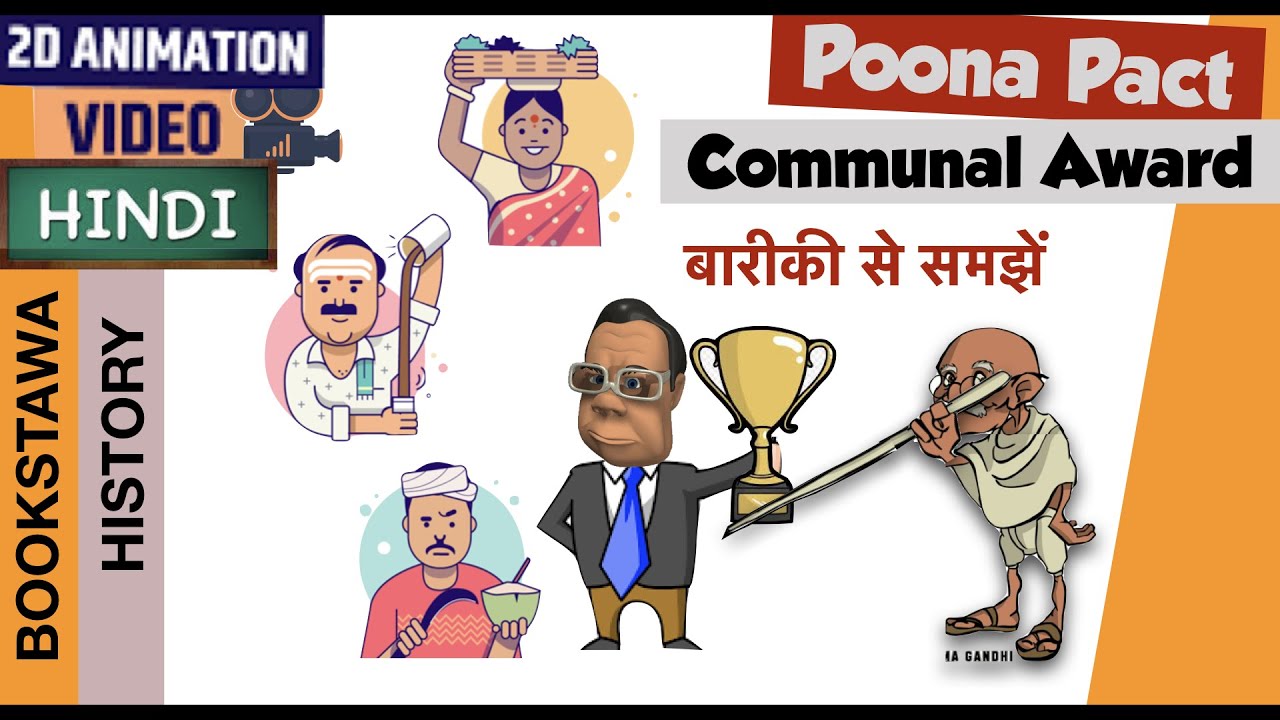
The Poona Pact signed on is a landmark agreement in Indian political history, resolving the debate over separate electorates for depressed classes. It involved prominent leaders like B.R. Ambedkar and had significant implications for Dalit representation in provincial and central legislatures, making it crucial for students preparing for history and polity exams as it shaped modern constitutional safeguards for scheduled castes.
🎯 In this chapter, you will understand:
- The origins and historical context of the 1932 agreement.
- The shift from separate electorates to joint electorates with reserved seats.
- The critical views raised by Dalit leaders regarding political autonomy.
- The lasting influence on modern constitutional rights for Scheduled Castes.
💡 Why this topic matters: It explains the foundational compromise between Mahatma Gandhi and Dr. B.R. Ambedkar that created India's modern electoral reservation system.
🧠 Core Idea: Replaced separate electorates with reserved legislative seats for depressed classes within a joint electorate framework.
The Poona Pact: Significance and Impact on Dalits in 1932
The Poona Pact marked a turning point in the struggle for political representation of depressed classes in colonial India, emerging from the tension between the Communal Award and national unity.
Following the Round Table Conferences, a deep rift emerged regarding how the depressed classes would participate in the future democratic framework of India. This led to a dramatic negotiation that fundamentally altered the political landscape.
- (i) The foundational background of this pact was the British Communal Award, which had initially granted separate electorates to the depressed classes, a move that Mahatma Gandhi vehemently opposed.
- (ii) Key developments reached a zenith on , when B.R. Ambedkar and other leaders signed the agreement at the Yerwada Central Jail to save Gandhi's life during his fast unto death.
- (iii) This context matters because it represented a massive shift from separate electorates to joint electorates, a decision that continues to influence the reservation system in Indian elections today.
Impact of the Poona Pact on Dalits: The Evolution of Leadership and Representation
The Poona Pact deeply influenced the political and social position of Dalits in India, creating a complex legacy that shaped leadership dynamics and future constitutional safeguards.

The Transformation of Depressed Classes into Political Tools
A primary narrative following the pact was the concern that the depressed classes were being converted into political tools to be leveraged by majoritarian caste Hindu organizations rather than acting as independent agents.
- (i) The shift to joint electorates meant that candidates from the depressed classes now required the support of the general (majority) population to win.
- (ii) This structural change led to allegations that the political voice of the Dalits was being diluted to fit the broader agenda of the Indian National Congress and other groups.
- (iii) Consequently, the analytical insight here is that while seats were reserved, the autonomy of those elected was often questioned by contemporary Dalit activists.
Leadership Issues and the Struggle for Authentic Representation
The Poona Pact created a paradox where genuine leaders from the depressed classes struggled to gain a foothold against candidates who were preferred by the dominant caste Hindu groups.
- (i) Leadership hurdles: The electoral system established by the pact often favored those who were seen as "safe" or "compliant" by the majority community.
- (ii) Reinforced status quo: By integrating the Dalits into the general electoral fold, the pact was criticized for reinforcing the existing Hindu social order instead of dismantling it.
Obstruction to Equality and Justice
Critics raised serious concerns regarding the social outcomes of the pact:
- (a) Critics argued that the pact hindered the creation of a society based on equality, liberty, fraternity, and justice as envisioned by Ambedkar.
- (b) The lack of a separate political existence for Dalits was seen as a major subordination within the broader Hindu political structure.
Constitutional Safeguards and the Question of Distinct Identity
The Poona Pact set the stage for how the Constitution of India would eventually handle the rights of the scheduled castes, though many felt it limited their political identity.
- (i) By not recognizing Dalits as a completely distinct political group outside of the Hindu fold, the pact influenced the specific nature of safeguards drafted in later years.
- (ii) This decision had long-term implications for how civil rights and legislative quotas were structured in the post- era.
- (iii) For students of history, this highlights the tension between social integration and political independence for marginalized communities.
Joint Electorates and Its Impact on Depressed Classes: The Great Debate
The introduction of joint electorates through the Poona Pact created intense debates regarding effective representation and fueled future demands for separate political recognition.
The All India Scheduled Caste Federation and the Critique of Joint Electorates
In the years following the pact, the All India Scheduled Caste Federation emerged as a vocal critic, arguing that the joint electorates deprived scheduled castes of any real political power.
- (i) The Federation claimed that the Hindu majority held the power to nominate and elect candidates of their choosing, essentially turning Dalit representatives into "tools."
- (ii) This led to a formal demand for the restoration of separate electorates and the complete nullification of the joint electorate system established in .
- (iii) Dr. B.R. Ambedkar himself remained a staunch critic of the Poona Pact’s outcomes, maintaining his opposition until the eve of Independence in .
⚡ Quick Revision Capsule: Key Outcomes of the Poona Pact
A structured quick reference summarizing the major aspects of the 1932 agreement:
| Feature | Communal Award (Before) | Poona Pact (After) |
|---|---|---|
| Electorate Type | Separate Electorates for Depressed Classes | Joint Electorates with Reserved Seats |
| Provincial Seats | 71 Seats | 147 Seats reserved across provinces |
| Central Legislature Share | Limited representation | 18% of total general seats reserved |
| Key Signatories | British Colonial Government proposal | B.R. Ambedkar, Madan Mohan Malaviya, and leaders |
| Long-Term Legacy | Separate political identity | Basis of modern constitutional reservations in Constitution of India |
📝 Summary
The Poona Pact of remains a pivotal moment in Indian history, shifting the trajectory of Dalit representation from separate electorates to reserved seats within joint electorates. While it increased the number of seats in the provincial legislatures to 147 and provided an 18% share in the Central Legislature, it also sparked a lifelong debate on the autonomy of Dalit leadership. Understanding this negotiation is vital for students preparing for history and civil services exams, as it demonstrates the foundational struggle for social justice and constitutional safeguards in India as cited in historical documents like the Constitution of India.
🚀 Quick Revision Points
Essential facts to review before examinations:
- (i) Signed on between leaders of depressed classes and caste Hindus.
- (ii) Replaced separate electorates with joint electorates containing reserved seats.
- (iii) Increased reserved seats in provincial legislatures from 71 to 147.
- (iv) Laid the early foundation for reservation policies later enshrined in the Constitution of India.
- 💡 Exam Tip: Focus on the distinction between separate electorates (voting only by community members) and joint electorates with reserved seats (voting by all community members for a reserved candidate).
❓ Frequently Asked Questions (FAQ)
Q1: When was the Poona Pact signed and between whom?
A1: It was signed on between Dr. B.R. Ambedkar and other leaders on behalf of the depressed classes and caste Hindu leaders like Madan Mohan Malaviya.Q2: What was the main difference between the Communal Award and the Poona Pact?
A2: The Communal Award proposed separate electorates for depressed classes, whereas the Poona Pact established joint electorates with reserved seats.Q3: How did the Poona Pact impact seat allocation in provincial legislatures?
A3: It more than doubled the reserved seats in provincial legislatures for depressed classes from 71 to 147, and granted an 18% reservation in the Central Legislature as noted in historical records regarding scheduled castes.