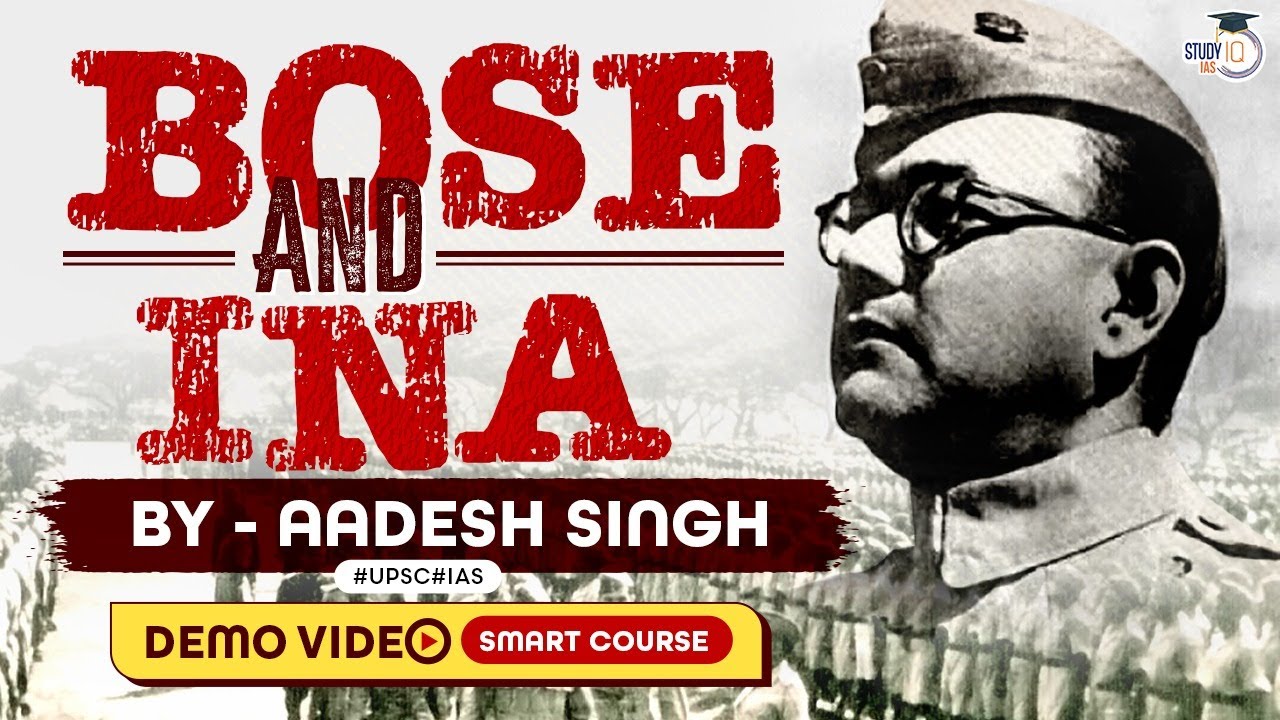
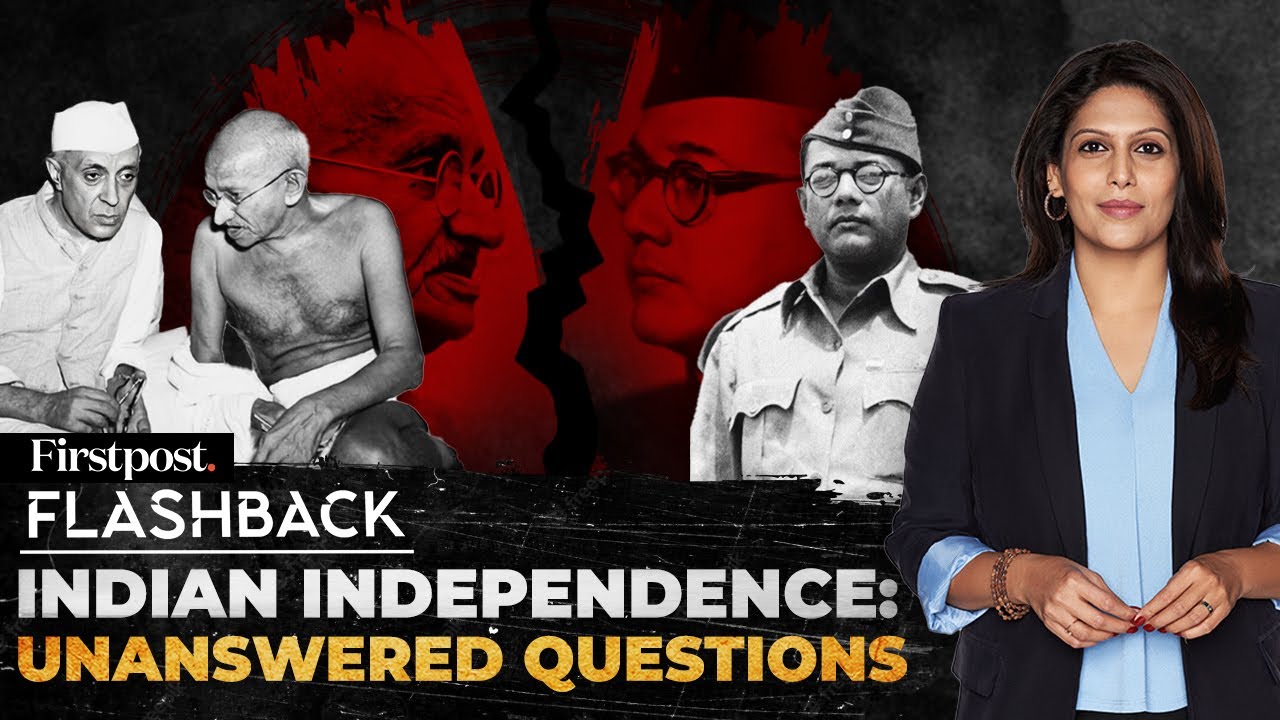
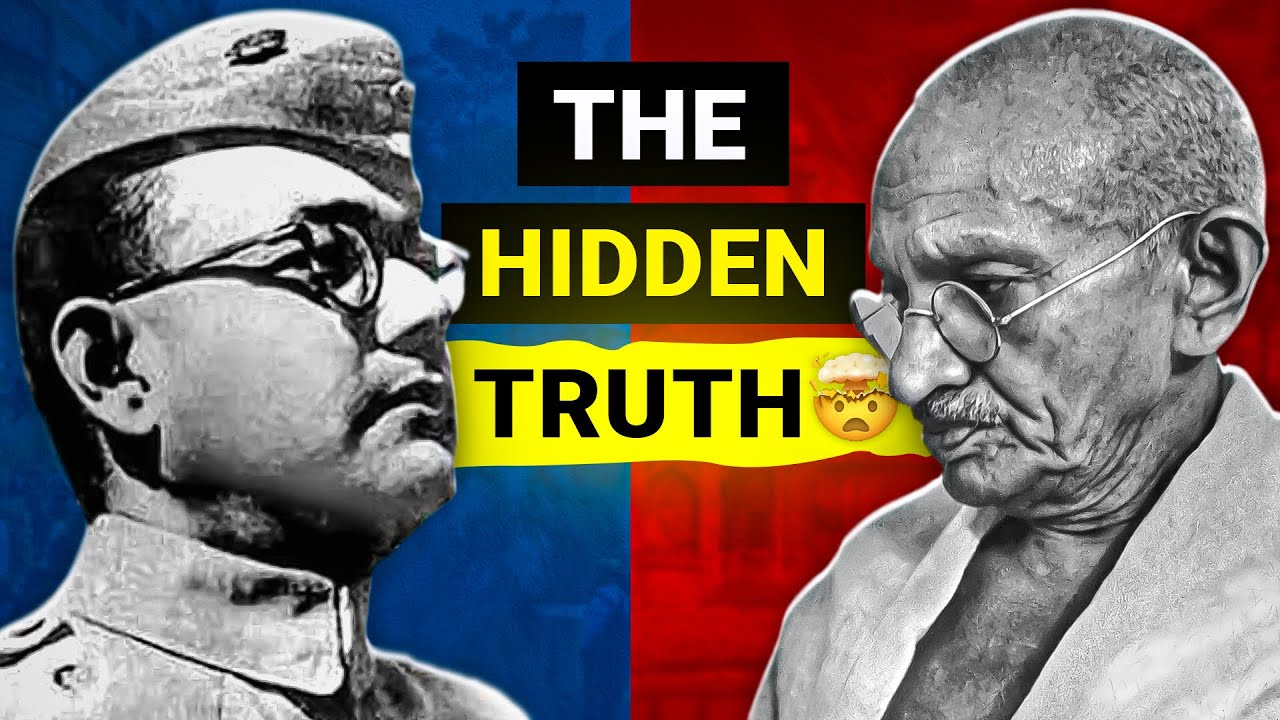
The early political journey of Subhash Chandra Bose showcases his ideological disagreements with Mahatma Gandhi and other Congress leaders, his strong demand for full independence, and his powerful role in the Indian freedom struggle. Studying Bose’s presidential elections, the Haripura and Tripuri sessions, and his actions after leaving his post helps students preparing for history and political exams learn about Congress politics and freedom movements.
🎯 In this chapter, you will understand:
- Bose's early radical ideology and opposition to dominion status.
- Economic planning and support for princely states during the Haripura Session.
- The 1939 Presidential Election contest between Bose and Pattabhi Sitaramayya.
- The Tripuri crisis, Bose's resignation, and the formation of the Forward Bloc.
💡 Why this topic matters: It highlights key debates over radical action versus gradual negotiation within India's independence movement.
🧠 Core Idea: Bose advocated for complete freedom, industrial planning, and direct mass action against British rule.
Subhash Chandra Bose: Early Ideology, Disagreements, and Push for Full Independence in the 1930s
A deep look at how Subhash Chandra Bose rose as a strong radical leader inside the Indian National Congress.
The was a changing time when Subhash Chandra Bose stepped up as a forward-thinking leader who questioned standard choices within the Indian National Congress. His path was guided by a single goal of achieving complete self-rule, known as Poorna Swaraj, alongside growing disagreement with old-style methods suggested by senior leaders.
- (i) Bose built his early political base through active work in youth groups and worker union movements, where he spoke out against the Motilal Nehru Report because it asked for dominion status instead of total freedom.
- (ii) He held a complex relationship with Mahatma Gandhi, frequently disagreeing on the exact steps and plans needed to end British rule.
- (iii) His strong beliefs led him to support the Independence League, which helped push forward the famous Poorna Swaraj goal during the Lahore Congress session.
- (iv) During the Salt Satyagraha Movement in , Bose showed great effort on the ground, but he openly criticized the Gandhi-Irwin Pact because he felt it slowed down the freedom struggle.
Haripura Session: Bose’s Presidency and Emphasis on Economic Planning
In , the Haripura session gave Bose a platform to share his vision for an industrialized India guided by clear state planning.

The Revolutionary Vision of a Planned Economy
After being chosen as President, Subhash Chandra Bose wanted to turn Congress government bodies into strong centers for big change rather than simple administrative offices. He believed political freedom must come with economic independence.
- (i) He supported setting up a national planning panel, stating that the government must lead heavy factory setup and scientific growth.
- (ii) Bose saw the Congress as a future government, preparing the nation for governance after independence through well-arranged plans.
Mass Mobilization and the Princely States
This gathering went beyond economic plans by widening the scope of the freedom effort to support people living under local kings and British rule.
Agitations Against Princely Governance
Action steps taken to support local citizens living under royal rulers:
- (a) The session passed official statements supporting the Praja Mandal movements, helping people in princely regions fight for basic democratic rights.
- (b) This step connected British-ruled regions with royal states, building a unified national movement.
1939 Presidential Election: Bose’s Victory and Internal Congress Division
The election in became an important turning point that showed clear ideological splits between the party's left and right sides.
The Battle of Ideologies: Bose vs. Sitaramayya
Bose’s decision to run for a second term faced strong pushback from senior leaders. This vote was more than a choice between two people; it was a decision on where the freedom struggle should head next.
- (i) Even with the huge support of Mahatma Gandhi for candidate Pattabhi Sitaramayya, Bose won the election, showing his strong support among regular party members.
- (ii) However, this victory created an immediate problem when Gandhi stated that Sitaramayya's loss felt like his own defeat, causing a lack of cooperation within the core leadership team.
Tripuri Session: Ultimatum, Resignation, and Formation of the Forward Bloc
The Tripuri session brought major political disagreements, leading Bose to follow a new, independent path.
The Six-Month Ultimatum to the British Empire
Even while sick at Tripuri, Bose gave a powerful speech, noticing the rising risk of World War II and urging the country to use British weakness to India's advantage.
- (i) He suggested giving a clear six-month demand to Britain to grant independence immediately or face a huge nationwide protest movement.
- (ii) Bose argued that the party should not wait for British conditions, but instead launch a full-scale Civil Disobedience movement.
The Path of Non-Cooperation and Internal Stalemate
The difference between Bose's firm plan and Gandhi's careful path could not be resolved during the meeting.
- (i) Gandhi and his followers believed the country was not yet ready for a big protest move and worried it could lead to unwanted violence.
- (ii) Bose tried to form a shared leadership group with Gandhian leaders, but his efforts were turned down when most committee members stepped down.
The Final Break and the Birth of the Forward Bloc
Seeing that he could not work freely under the restrictive Pant Resolution, Bose made the final choice to resign and uphold his principles.
- (i) After he resigned in , Rajendra Prasad became President, bringing back the influence of senior right-wing leaders.
- (ii) Staying active in politics, Bose founded the Forward Bloc group inside Congress in to bring together radical and socialist members.
Post-Resignation Developments: Disciplinary Actions and Solidarity with China
The period after his resignation brought strict political actions inside the party alongside key global statements.
Political Ostracization and Disciplinary Measures
After Bose organized a peaceful protest against certain party decisions, Congress leaders took disciplinary steps to lower his official role.
- (i) Bose was removed from his post as President of the Bengal Provincial Congress Committee.
- (ii) In , he was barred from holding any elected position within Congress for three years.
Internationalist Outlook: The Medical Mission to China
Despite internal disagreements, Congress maintained a clear stance against global colonization, focusing especially on China's struggle.
- (i) The party expressed support for China against foreign attacks, linking India's freedom movement with other Asian struggles.
- (ii) As an action step, Congress sent a medical help group to China to show international support and care.
⚡ Quick Revision Capsule: Subhash Chandra Bose (1930s Timeline)
A quick summary of key events, actions, and decisions in Bose's political journey during the 1930s:
| Timeframe | Key Event / Session | Core Outcome & Impact |
|---|---|---|
| Salt Satyagraha & Pact Criticism | Criticized the Gandhi-Irwin Pact for slowing revolutionary progress. | |
| Haripura Session | Elected President; pushed for heavy industrialization and supported Praja Mandal movements. | |
| 1939 Presidential Election | Defeated Pattabhi Sitaramayya, leading to internal party debate. | |
| Tripuri Session | Proposed a 6-month ultimatum to Britain; faced deadlock under the Pant Resolution. | |
| Resignation & Forward Bloc | Resigned as President; formed the Forward Bloc to organize socialist elements. | |
| Disciplinary Action | Barred from elective Congress offices for . |
📝 Summary
The political path of Subhash Chandra Bose in the displays his clear ideas, his leadership at the Haripura and Tripuri sessions, and his focus on full independence. These historical events offer students a clear way to study the internal debate inside Congress and the different plans that shaped the Indian freedom struggle.
🚀 Quick Revision Points
Essential facts to review before examinations:
- (i) Bose opposed dominion status suggested in the Motilal Nehru Report and supported Poorna Swaraj.
- (ii) At Haripura (), he introduced national planning ideas and backed rights for citizens in royal states.
- (iii) He won the election against Pattabhi Sitaramayya, who had the support of Mahatma Gandhi.
- (iv) After resigning due to leadership differences, he formed the Forward Bloc in .
- 💡 Exam Tip: Focus on comparing Gandhi's cautious approach with Bose's radical, time-bound ultimatum strategy during the 1939 Tripuri session.
❓ Frequently Asked Questions (FAQ)
Q1: Why did Subhash Chandra Bose oppose the Motilal Nehru Report?
A1: Bose opposed it because the report asked for dominion status instead of total independence (Poorna Swaraj).Q2: What was the main focus of the Haripura Session in 1938?
A2: The session focused on national economic planning, industrial progress, and supporting Praja Mandal movements in princely states.Q3: Why did Bose form the Forward Bloc in 1939?
A3: After resigning as Congress President due to political disagreements, Bose formed the Forward Bloc to unite radical and socialist elements within the party.