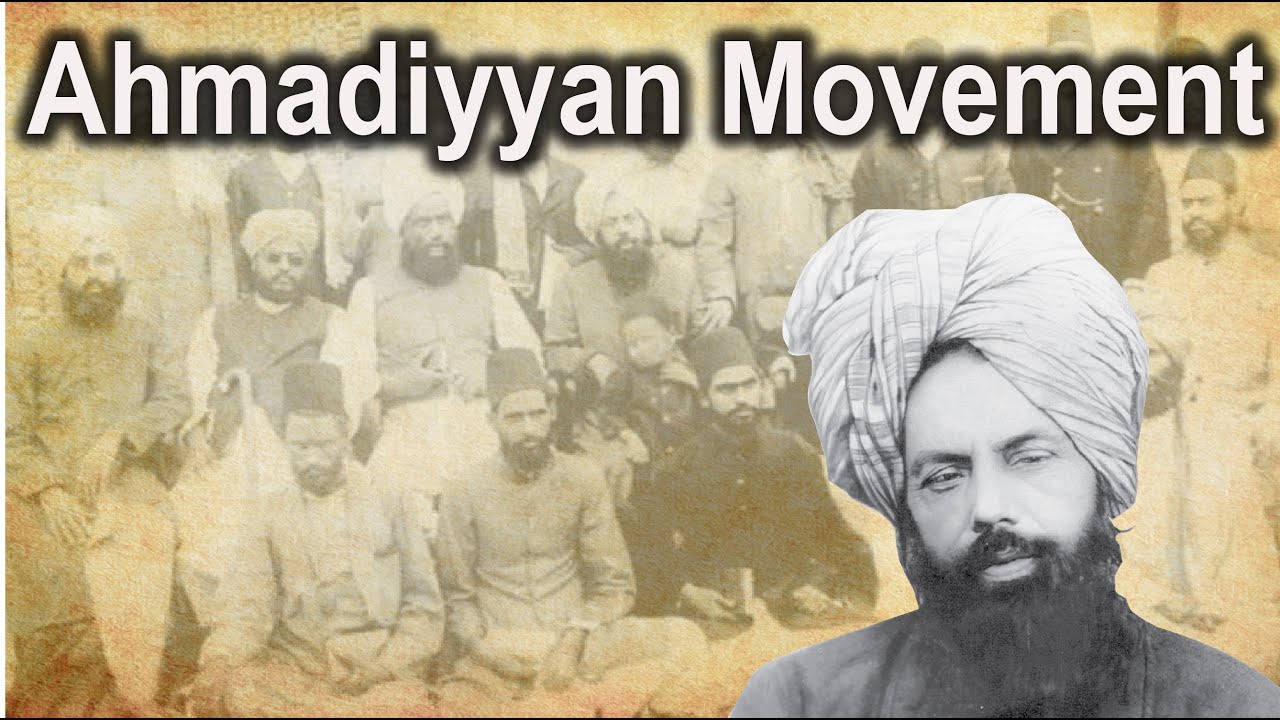
The Ahmadiyya Movement in India, which emerged in under the leadership of Mirza Ghulam Ahmad, serves as a cornerstone for understanding Islamic reform and religious renaissance within the subcontinent. By prioritizing peace, universalism, and moral upliftment, this movement redefined Islamic teachings through a modern lens, making it an essential subject for students of Indian religious movements and competitive exam preparation.
🎯 In this chapter, you will understand:
- The founding history and core spiritual goals of the Ahmadiyya Movement in .
- The teachings of Mirza Ghulam Ahmad regarding peace and the redefinition of Jihad.
- Educational reforms, scientific learning, and interfaith harmony among Indian Muslims.
- Comparative historical parallels, religious opposition, and the enduring legacy of reform.
💡 Why this topic matters: It highlights how 19th-century Indian Muslim thinkers used logical reasoning and peaceful dialogue to respond to social changes under colonial rule.
🧠 Core Idea: Reforming religious thought by replacing physical warfare with intellectual discussion and moral growth.
Ahmadiyya Movement in India: History, Foundation, and the Era of Islamic Renaissance (1889)
A transformative religious journey began in the late 19th century, aiming to harmonize traditional faith with the evolving modern world. The movement sought to address the spiritual and social stagnation of the time, positioning itself as a bridge between ancient scripture and contemporary logic.
Key foundations of the early movement included:
- (i) The movement was officially inaugurated in the small town of Qadian, marking a shift in Islamic intellectual discourse.
- (ii) It acted as a catalyst for the Mohammedan Renaissance, challenging rigid orthodoxies with liberal interpretations.
- (iii) Its primary objective was the spiritual regeneration of the Muslim community through self-reformation and moral excellence.
The Visionary Leadership and Ideological Framework of Mirza Ghulam Ahmad
At the heart of this movement lay a distinct theological shift that emphasized the internal struggle over external conflict.

The Messianic Mission and the Doctrine of Universal Peace
Followers of the movement believe that Mirza Ghulam Ahmad was the promised Messiah and Mahdi, tasked with bringing an end to the era of religious warfare and promoting global harmony.
- (i) The End of Physical Jihad: One of the most radical departures from contemporary thought was the movement's declaration that Jihad by the sword was no longer applicable.
- (ii) Jihad of the Pen: Instead, the movement advocated for a Jihad of the Pen, using logic, literature, and peaceful persuasion to spread Islamic values.
The Redefinition of Jihad
This redefinition focused on non-violent spiritual growth through two key principles:
- (a) Emphasis on the Jihad-i-Akbar (the greater struggle against one's own ego).
- (b) Absolute rejection of violence against non-Muslims in the name of religion.
Educational Reforms and the Path Toward Societal Modernization
The Ahmadiyya movement was instrumental in advocating for a secular and scientific approach to learning among Indian Muslims.
Integration of Western Liberal Education and Scientific Inquiry
Recognizing that the Indian Muslim community needed to adapt to the British colonial environment, the movement championed Western liberal education as a tool for progress.
Integration of modern scientific studies with traditional moral education. - School Establishment: Creation of educational centers teaching both religious sciences and modern secular subjects.
- Language & Science: Encouraging the study of English and Natural Sciences to compete in the modern professional world.
- Individual Autonomy: Promoting the autonomy of the individual in matters of faith and intellectual pursuit.
Advocacy for Secular Governance and Interfaith Tolerance
The movement was ahead of its time in supporting the separation of mosque and state, ensuring that human rights remained a priority over sectarian interests.
- (i) Interfaith Dialogue: Encouraged the respectful study of other faiths to foster inter-religious tolerance.
- (ii) Universal Humanity: Preached that the Ahmadiyya faith was a universal religion for humanity, transcending regional and ethnic barriers.
Mechanisms of Tolerance
Specific practical methods used to promote peaceful coexistence included:
- (a) Organizing public debates characterized by civility and logical reasoning.
- (b) Promoting the protection of minority rights within the broader Indian political landscape.
Comparative Analysis: Challenges and the Enduring Historical Legacy
The journey of the Ahmadiyya movement mirrors other mystical and reformist movements across the globe, particularly in West Asia.
Navigating Religious Opposition and Mystical Identity
Due to its mystical orientation and unique claims regarding prophethood, the movement faced significant friction from orthodox circles, much like the Baha'i faith in Persia.
- (i) Mystical Roots: Drawing heavily from Sufism, it emphasized the direct experience of the Divine.
- (ii) The Baha'ism Parallel: Both movements sought to modernize Islamic thought but were met with persecution for their unorthodox doctrines.
The Movement's Role in Shaping Modern Islamic Thought in India
Despite the challenges, the Ahmadiyya Movement in India left an indelible mark on the religious and social fabric of the nation by fostering inclusive interpretations.
- (i) It provided a peaceful framework for Muslims living in a multi-religious society.
- (ii) It influenced later reformers by demonstrating that faith and modernity are not mutually exclusive.
⚡ Quick Revision Capsule: Ahmadiyya Movement Key Takeaways
A structured quick reference guide detailing the essential facts, features, and historical impact of the Ahmadiyya reform movement.
| Aspect | Key Details & Concepts | Historical Impact |
|---|---|---|
| Founding Year & Location | Inaugurated in at Qadian, Punjab. | Initiated a major intellectual shift in the 19th-century Mohammedan Renaissance. |
| Leadership | Led by Mirza Ghulam Ahmad, regarded by followers as the Messiah and Mahdi. | Introduced a distinct theological focus centered on internal moral struggle. |
| Concept of Jihad | Replaced physical warfare with Jihad-i-Akbar and Jihad of the Pen. | Promoted peaceful dialogue, rational literature, and non-violence across communities. |
| Educational Vision | Combined religious sciences with English and Natural Sciences. | Prepared Indian Muslims to engage effectively with modern secular careers. |
| Social & Global Outlook | Supported interfaith dialogue, minority rights, and separation of mosque and state. | Established a model for peaceful living within a diverse, multi-religious society. |
📝 Summary
The Ahmadiyya Movement in India remains a vital subject for students exploring the 19th-century religious renaissance. By studying Mirza Ghulam Ahmad and his foundation, learners gain insights into the evolution of peace-oriented Islamic thought and the struggle for modern education in a colonial context. This inclusive and reform-oriented legacy continues to be a key theme in Indian Historical Studies.
🚀 Quick Revision Points
Essential facts to review before examinations:
- (i) Established in in Qadian to promote spiritual renewal and moral excellence.
- (ii) Replaced physical warfare with intellectual argument and literary outreach (Jihad of the Pen).
- (iii) Encouraged Muslims to study Natural Sciences and modern Western liberal subjects.
- (iv) Advocated for interfaith tolerance, protection of minority rights, and secular governance as documented in Indian Historical Studies.
- 💡 Exam Tip: When writing answers on 19th-century reform movements, highlight how Mirza Ghulam Ahmad redefined Jihad as an intellectual and spiritual struggle rather than a physical conflict.
❓ Frequently Asked Questions (FAQ)
Q1: When and where was the Ahmadiyya Movement founded?
A1: The movement was founded in in the town of Qadian, Punjab, India.Q2: What is the core religious concept regarding Jihad in this movement?
A2: The movement rejected armed conflict and introduced Jihad of the Pen, emphasizing peaceful discussion, publication of literature, and Jihad-i-Akbar (inner spiritual growth).Q3: How did the movement contribute to modern education in India?
A3: It encouraged Indian Muslims to learn English and study Natural Sciences alongside traditional religious studies, as highlighted in historical reviews like Indian Religious Renaissance.