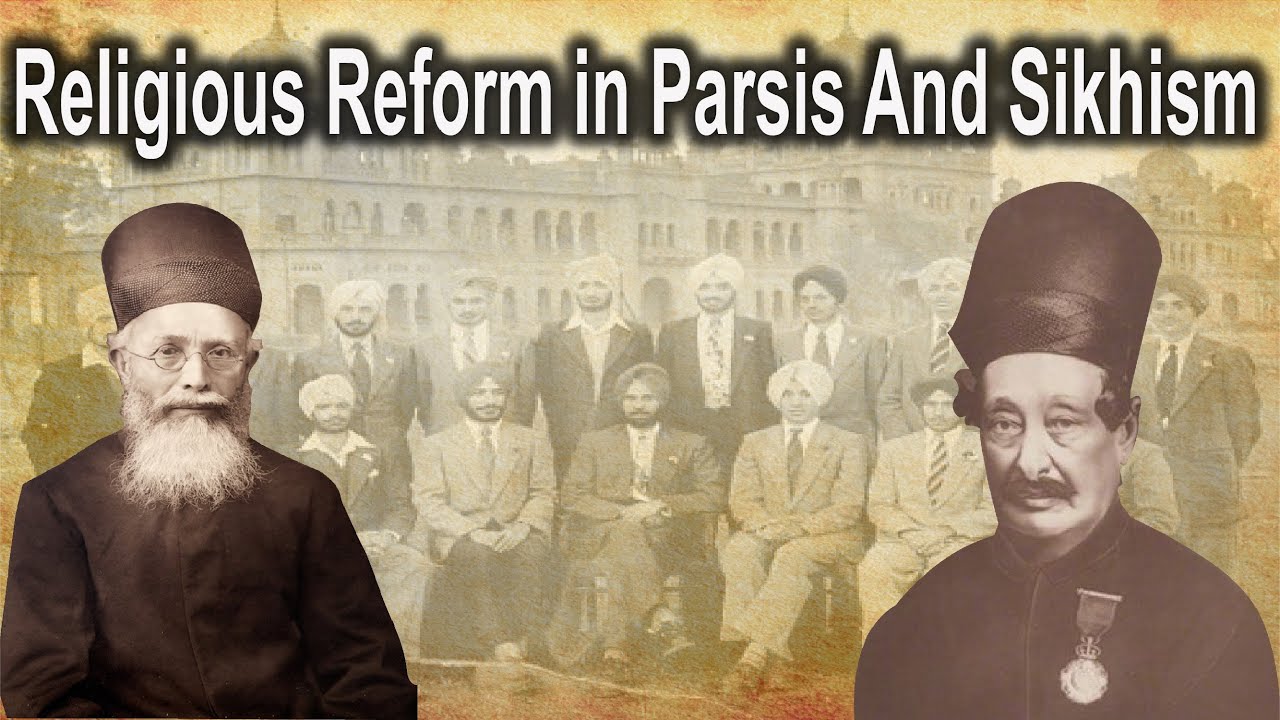
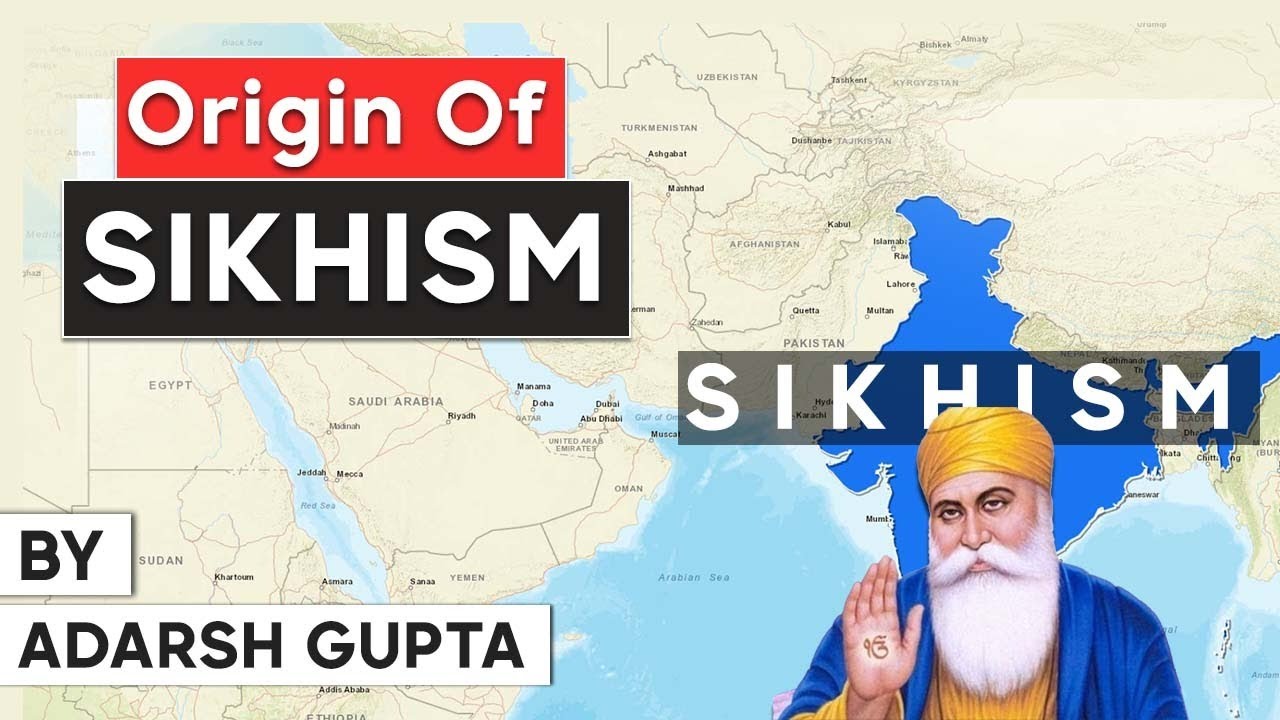
The Singh Sabha Movement (founded in ) and the subsequent Akali Movement were key Sikh reform movements. They worked to protect Sikh identity, stop Christian missionary influence, encourage Sikh education, and fix issues within gurudwaras. These movements, leading up to the Sikh Gurudwaras Act of 1922, represent a time of religious revival, social change, and political growth in Sikh history, which is very important for students.
🎯 In this chapter, you will understand:
- The founding objectives of the Singh Sabha Movement.
- The role of Khalsa schools in promoting modern learning.
- The causes and impact of the Gurudwara Reform Movement.
- The connection between Sikh reform and India’s freedom struggle.
💡 Why this topic matters: It helps you understand how a community modernized its institutions while keeping its core identity during colonial rule.
🧠 Core Idea: Organized reform movements can successfully defend religious identity and bring about democratic management of sacred institutions.
Singh Sabha and Akali Movements: Reform and Modernization (1873–1925)
The Singh Sabha Movement began the process of modernizing Sikh society while protecting its religious roots.
Founding and Objectives
Started in in Amritsar, this movement revived traditional practices and used education to reform the community. It provided a sense of security during a period of major change in colonial India.
- (i) Objectives: To share Western education among Sikhs and counter the activities of Christian missionaries and other reform groups like the Brahmo Samaj and Arya Samaj.
- (ii) Khalsa Schools: Schools were opened across Punjab to teach modern subjects alongside Sikh values.
- (iii) Custom Reforms: The movement discouraged practices that were not in line with the teachings of the Sikh Gurus.
Akali Movement and Gurudwara Reform
Also known as the Gurudwara Reform Movement, this campaign grew out of the Singh Sabha's work to free Sikh shrines from corruption.

Origins of the Akali Movement
This movement was a direct response to corrupt Udasi mahants who controlled shrines with British support. They treated sacred spaces like personal property, which angered the Sikh community.
- (i) Liberation: The goal was to remove mismanagement and restore the dignity of the shrines.
- (ii) Sanctity: The movement aimed to bring the running of shrines back in line with Sikh Maryada (the Sikh code of conduct).
- (iii) Ideology: It was based on the need for transparency and was inspired by the earlier goals of the Singh Sabha.
- (iv) Values: It focused heavily on protecting the unique Khalsa identity.
Gurudwara Reform Satyagraha (1921–1925)
The Akalis used peaceful non-cooperation satyagraha to reclaim their shrines, showing great discipline and dedication.
From Regional to National Role
While the movement started in Punjab, it became part of the larger struggle for India's independence.
Sikh participation in the Indian freedom struggle. - National Alignment: Sikh leaders worked with the Congress party and supported the Indian national movement.
- Autonomy: They balanced the need for Sikh autonomy with the broader goal of ending British rule.
- Solidarity: This period marked a massive increase in Sikh solidarity and political awareness across North India.
- Legacy: The struggle led to the Sikh Gurudwaras Act and the establishment of the Shiromani Gurudwara Prabandhak Committee (SGPC).
⚡ Quick Revision Capsule: Reform Movements Summary
Key highlights of the reform era between and .
| Movement | Primary Focus | Outcome |
|---|---|---|
| Singh Sabha | Education & Identity | Revival of traditions |
| Akali Movement | Shrine Management | Removal of corrupt mahants |
| Satyagraha | Non-violent protest | Public and national support |
| SGPC | Democratic Control | Management of shrines |
| Act of 1925 | Legal Framework | Formalized Sikh autonomy |
📝 Summary
From to , the Singh Sabha and Akali Movements fundamentally changed Sikh society by focusing on education, religious pride, and the control of their own shrines. Their success in gaining rights under the Sikh Gurudwaras Act remains a classic example of religious reform leading to political strength. For students, these events are essential to understanding the modernization of the Sikh faith and its contribution to the Indian freedom struggle.
🚀 Quick Revision Points
Essential facts to review:
- (i) The Singh Sabha focused on modern education to uplift the community.
- (ii) The Akali Movement was a reaction against corrupt shrine management.
- (iii) The SGPC became the primary body for managing Sikh religious sites.
- (iv) The Sikh Gurudwaras Act gave the community legal control over their historical shrines.
- 💡 Exam Tip: Remember that these movements were not just about religion; they were also about social modernization and political assertiveness in colonial India.
❓ Frequently Asked Questions (FAQ)
Q1: What was the main goal of the Singh Sabha Movement?
A1: Its main goal was to promote education and protect Sikh identity against outside influences.Q2: Why did the Akali Movement target mahants?
A2: The mahants were corrupt and treated sacred gurudwaras as personal property.Q3: What is the significance of the SGPC?
A3: The SGPC (Shiromani Gurudwara Prabandhak Committee) brought democratic and transparent management to historical shrines as established by the Sikh Gurudwaras Act.