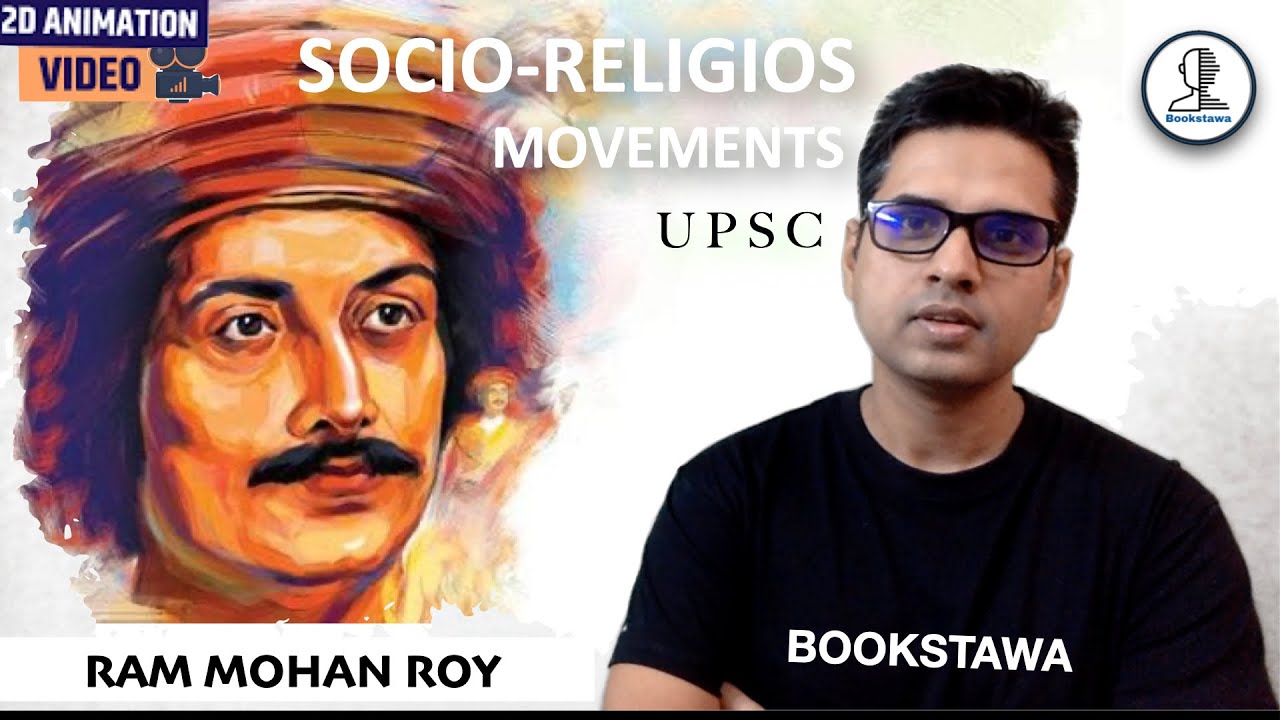
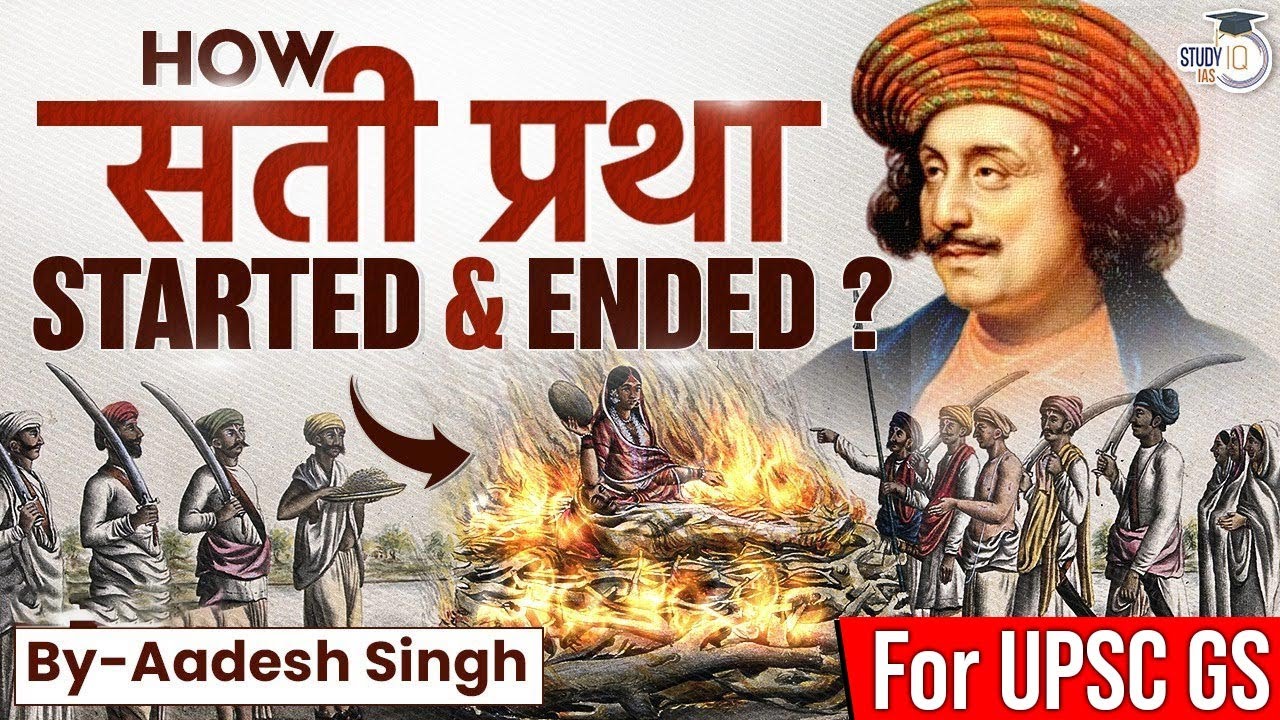
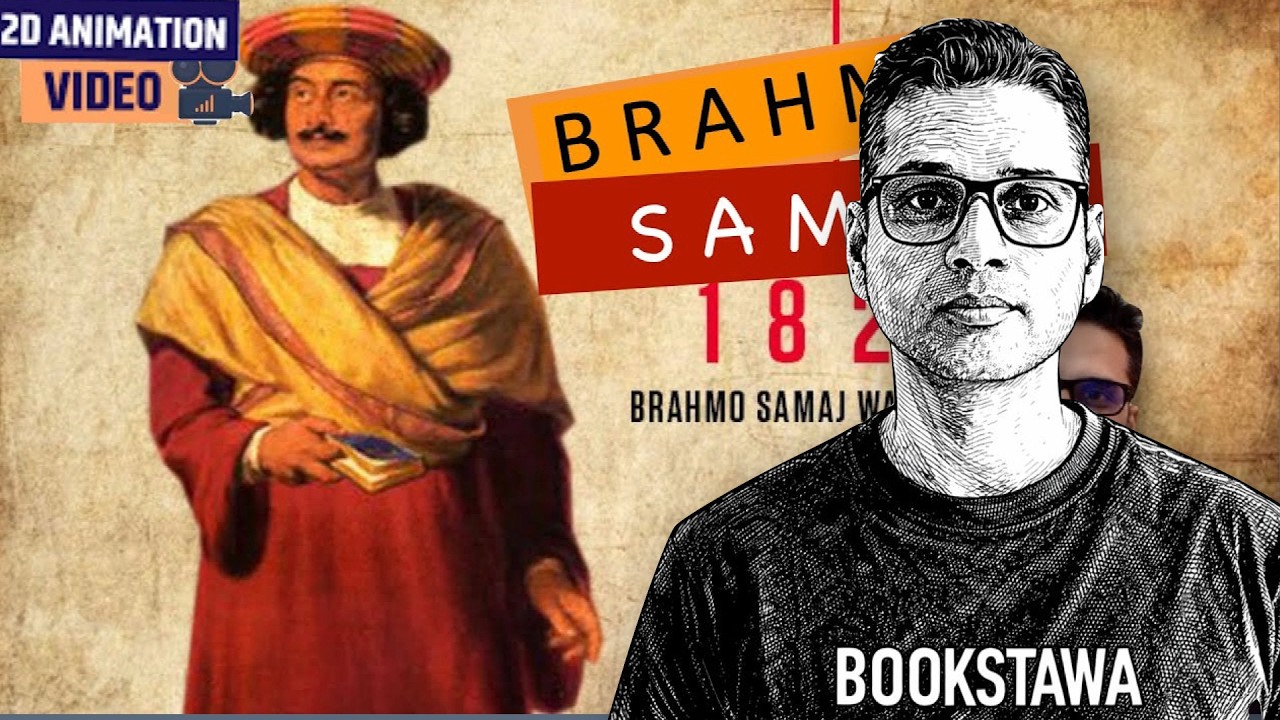
The life and legacy of Raja Rammohan Roy serve as a beacon of progress, marking him as the foundational architect of modern India. By navigating the complex social landscape of the early , he ignited a transformative Indian Renaissance that is essential reading for students preparing for history exams. His strong stance against Sati and the creation of the Brahmo Samaj represent a major turning point toward human dignity and logical thinking.
🎯 In this chapter, you will understand:
- The vision of Raja Rammohan Roy in bringing modern thinking to India.
- The main goals and spiritual principles behind the founding of the Brahmo Samaj.
- The historic campaign against Sati and the push for women's rights and education.
- How leaders like Debendranath Tagore and Keshab Chandra Sen expanded the movement.
💡 Why this topic matters: It marks the dawn of the Indian Renaissance, showing how early thinkers fought against social evils and introduced modern education and press freedoms.
🧠 Core Idea: Social progress requires combining deep ethical values with human reason, modern science, and social equality.
Raja Rammohan Roy: Social Reforms and Brahmo Samaj Initiatives in 19th Century India
The story of modern Indian thought begins with a man who dared to bridge the gap between ancient Eastern wisdom and modern Western science, creating a synthesis that would redefine a nation's identity.
The Dawn of an Era: Raja Rammohan Roy’s Intellectual and Reformist Journey
His early efforts focused on spreading rational thought and bringing people together through spiritual reform.
- (i) The Visionary Leader: Known as the father of the Indian Renaissance, Raja Rammohan Roy believed that society could only progress by using a scientific mindset and recognizing social equality.
- (ii) Literary Contributions: In , he wrote Gift to Monotheists and later worked to translate the Vedas and Upanishads into local languages to show that ancient texts favored worshipping a single God.
- (iii) The Formative Years: His effort toward community reform started in with the Atmiya Sabha in Calcutta, which was a meeting place for people challenging idol worship and rigid caste restrictions.
- (iv) Establishment of the Samaj: This momentum led to founding the Brahmo Sabha in (later renamed the Brahmo Samaj), providing an organized framework to teach faith in one God and clear Hinduism of empty rituals.
Features of Brahmo Samaj: Core Principles and Objectives
The Brahmo Samaj was not just a religious group; it was a movement that aimed to modernize how people thought by using logic and shared human ethics.

Denouncing Polytheism and Restructuring the Social Order
The Samaj strongly opposed common religious dogma, encouraging people to focus on core spiritual truths that bring humanity together.
Theological Rationalism
Reason and personal conscience were treated as the highest tests for any traditional belief.
- (i) The movement clearly rejected idol worship and faith in divine avataras, maintaining that no religious writing should replace logic and moral sense.
- (ii) It promoted worshipping the Eternal Being, highlighting a direct path to God without needing priests as intermediaries.
Social Justice and Equality
Building social unity meant directly addressing long-standing inequalities.
- (a) Roy and his supporters strongly criticized the caste system, seeing it as a major obstacle to national unity.
- (b) The movement pushed for better political awareness among the public, helping plant the early seeds of national unity through social reform.
Rammohan Roy’s Relentless Efforts at Social Reform
Beyond spiritual ideas, Raja Rammohan Roy was an active reform campaigner who fought for vulnerable groups, paying special attention to the rights of women.
The Historic Crusade: The Anti-Sati Movement
One of the most painful social issues of the was the practice of Sati, which Roy witnessed personally and resolved to stop using both legal steps and religious reasoning.
The legal ban on Sati in 1829 marked a major victory for human rights in India. - (i) Beginning in , he drew upon his deep study of sacred texts to demonstrate that Sati had no mandatory religious backing, while also forming volunteer groups to help protect widows at cremation grounds.
- (ii) His steady efforts paid off when the Government Regulation of was officially enacted, declaring Sati a punishable crime.
Empowerment Through Women’s Rights and Modern Education
Roy understood that for a country to move forward, women must be treated fairly and young people need access to modern knowledge.
- (i) He spoke out against polygamy and unfair treatment of women, insisting that women should have inheritance and property rights so they could stand on their own.
- (ii) He helped found the Hindu College and later the Vedanta College, helping Bengali literature and English education grow side by side.
The Power of the Pen: Freedom of Press and Political Activism
Understanding the impact of public news, Roy used newspapers to share public concerns with government leaders.
- (i) He published multiple newspapers to highlight civic issues, calling for more Indian involvement in public services and equal treatment under the law.
- (ii) Around the world, he supported personal freedom, speaking out against unfair colonial practices and celebrating democratic movements everywhere.
⚡ Quick Revision Capsule: Key Milestones of the Brahmo Samaj Movement
Here is a concise overview of key events, initiatives, and leaders involved in the 19th-century reform movement:
| Year / Period | Initiative / Event | Key Significance |
|---|---|---|
| Publication of Gift to Monotheists | Promoted faith in one God based on logic and scripture. | |
| Founding of Atmiya Sabha in Calcutta | Created an early forum to challenge idol worship and caste rules. | |
| Establishment of Brahmo Sabha | Formed an organized center for monotheistic spiritual practice. | |
| Passage of Anti-Sati Regulation | Made the forced burning of widows a illegal, punishable crime. | |
| Debendranath Tagore joins Brahmo Samaj | Brought strong organization while supporting widow remarriage and peasant rights. | |
| Keshab Chandra Sen joins the movement | Expanded the Samaj nationwide, which later led to the creation of the Sadharan Brahmo Samaj. |
📝 Summary
The reform movement led by Raja Rammohan Roy and the ongoing growth of the Brahmo Samaj across the reshaped India's historical path. By ending Sati, supporting women’s rights, and expanding modern education, these early leaders launched an Indian Renaissance that serves as an essential foundation for students preparing for history exams. Their dedication to logic, freedom, and human rights remains vital to modern democratic values in India.
Debendranath Tagore and Brahmo Samaj: Consolidation and Growth
After Roy passed away in , leadership shifted to Debendranath Tagore, who added clear organization and new focus to the movement.
The Institutionalization of Reform under Tagore
Joining the Samaj in , Tagore protected core Indian spiritual traditions while continuing social improvements.
- (i) He stood firm against aggressive conversions by Christian missionaries, offering people a reformed, thoughtful version of their own tradition.
- (ii) Under his guidance, the Samaj backed the widow remarriage movement, stood up for ryots (farmers), and advocated moral discipline.
Keshab Chandra Sen and Brahmo Samaj: Expansion and Division
The addition of Keshab Chandra Sen brought fresh enthusiasm that spread the message of the Brahmo Samaj far outside Bengal.
A Wave of Radicalism and the Resulting Split
Under Sen, the group took a more radical path, leading to internal differences and the creation of separate branches.
Geographic Expansion
- (i) Joining in , Sen helped set up branches across India, making the Samaj an active national movement.
- (ii) However, his radical views on changing social customs caused disagreements, leading to his removal as acharya in .
The Sadharan Brahmo Samaj
- (a) This separation resulted in the Sadharan Brahmo Samaj, which prioritized logic, moral integrity, and belief in one Supreme Being.
- (b) Despite these splits, the primary legacy of the movement was its push against superstition and its work for equality and schooling.
🚀 Quick Revision Points
Essential facts to review before examinations:
- (i) Raja Rammohan Roy is remembered as the father of the Indian Renaissance.
- (ii) The Atmiya Sabha was formed in to oppose idol worship and caste barriers.
- (iii) The Brahmo Sabha was established in and later evolved into the Brahmo Samaj.
- (iv) Anti-Sati activism helped secure the historical prohibition regulation of .
- (v) Debendranath Tagore () and Keshab Chandra Sen () expanded the reform movement nationwide.
- 💡 Exam Tip: Remember key dates like (Atmiya Sabha), (Brahmo Sabha), and (Sati Prohibition Regulation). Questions frequently test the chronological order of these milestones and the specific contributions of Debendranath Tagore versus Keshab Chandra Sen.
❓ Frequently Asked Questions (FAQ)
Q1: Who founded the Brahmo Samaj and when?
A1: It was founded by Raja Rammohan Roy in (initially called the Brahmo Sabha).Q2: What was the significance of the 1829 Government Regulation?
A2: It officially made the practice of Sati an illegal and punishable offense across India.Q3: How did Debendranath Tagore and Keshab Chandra Sen contribute to the movement?
A3: Debendranath Tagore brought structured management and defended native traditions, while Keshab Chandra Sen expanded the Brahmo Samaj nationwide and introduced more radical social ideas.