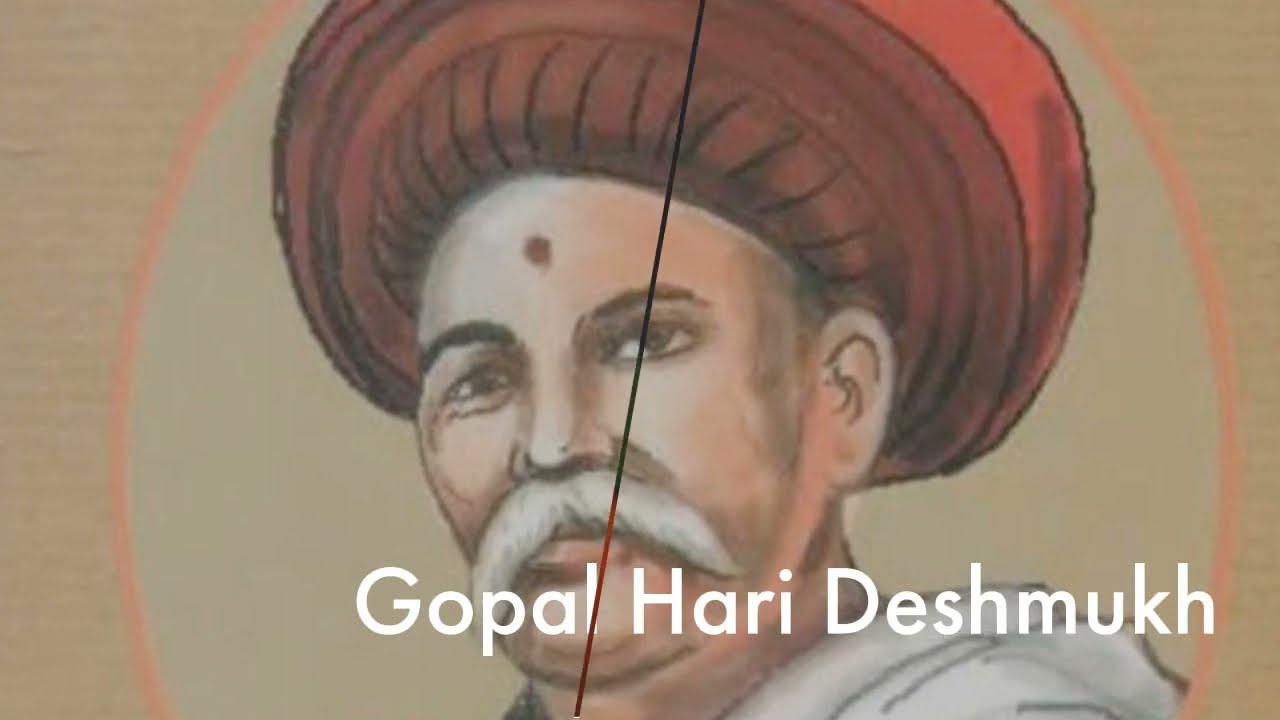
Explore the life of Gopalhari Deshmukh (–), a monumental figure in the Indian reform movement whose modern humanistic values and rationalist philosophy reshaped 19th-century Maharashtra. This detailed overview of Lokahitawadi and his Shatapatre letters is essential for students of history preparing for competitive exams and studying social justice.
🎯 In this chapter, you will understand:
- The transition of Gopalhari Deshmukh from a colonial official to a radical reformer.
- His core rationalist critique of religious orthodoxy and the caste system.
- The historical impact and key themes of the Shatapatre (Hundred Letters).
- His contributions to journalism and social activism in Maharashtra.
💡 Why this topic matters: Lokahitawadi laid the groundwork for modern social awakening in Western India by questioning blind faith and advocating for human equality.
🧠 Core Idea: True social reform requires human dignity, gender equality, and rational thought to take priority over outdated religious traditions.
Gopalhari Deshmukh: The Intellectual Legacy of Lokahitawadi and Social Reform in 19th-Century Maharashtra
The journey of Gopalhari Deshmukh represents a major shift from traditional social structures toward modern reform in Maharashtra.
A Journey from Colonial Service to Intellectual Rebellion
The story of Gopalhari Deshmukh begins in , during a time when Indian society was deeply entrenched in orthodoxy and traditional hierarchies. While he held a distinguished position as a judge under the British Raj, his true calling lay in his identity as Lokahitawadi, a name that signified his commitment to the "welfare of the people."
- (i) Born into a period of transition in , Deshmukh witnessed the intersection of colonial administration and Indian tradition.
- (ii) His dual role as a government official and a radical intellectual allowed him to critique the system from within and without.
- (iii) He is celebrated as one of the earliest fearless thinkers who bridged the gap between Western rationalism and Indian social reality.
The Radical Advocacy for Social Reform and Rational Thought
Deshmukh did not merely suggest changes; he demanded a rational restructuring of society. Using the weekly Prabhakar, he launched an intellectual crusade against the stagnation of religious thought, advocating for a world built on secularism and humanity.

The Bold Assault on Hindu Orthodoxy and Religious Injustice
In a daring challenge to the status quo, Lokahitawadi questioned the very foundation of religious authority when it stood in the way of human progress. He believed that no scripture should supersede the dignity of the individual.
- (i) He stood as a fierce opponent of Hindu orthodoxy, targeting practices that stifled intellectual freedom.
- (ii) By championing religious and social equality, he sought to unite a fragmented society under the banner of rationalism.
- (iii) He delivered one of the most provocative mandates of the era: “If religion does not sanction social reform, then change religion.”
A Systematic Critique of the Indian Caste System
Deshmukh recognized that the caste hierarchy was the primary barrier to national unity and social justice. He utilized his writings to dismantle the religious justifications that upheld systemic inequality.
The Mechanics of Caste Critique
Deshmukh broke down how caste privileges damaged national growth and social harmony.
- (i) He wrote extensively to expose how the caste system degraded human potential.
- (ii) He emphasized that equal dignity was a natural right, not a privilege of birth.
The Power of Shatapatre: The 'Hundred Letters' of Reform
The Shatapatre (meaning "Hundred Letters") remains Gopalhari Deshmukh's most significant contribution to Marathi literature and social activism. Published in the Prabhakar, these essays were a manifesto for a modern India.
- (a) Women's Emancipation: He was a vocal advocate for women's education and rights, opposing child marriage and polygamy.
- (b) Widow Welfare: He campaigned against the horrors of Sati and advocated for widow remarriage.
- (c) Rational Inquiry: Each letter invited readers to apply rational examination to their daily lives and religious rituals.
- (d) Social Legacy: His work served as a precursor to later social justice movements, inspiring a generation of reformers to question caste-based discrimination.
⚡ Quick Revision Capsule: Gopalhari Deshmukh (Lokahitawadi)
Key information regarding Lokahitawadi for quick reference and exam review:
| Aspect | Details & Contributions | Historical Impact |
|---|---|---|
| Lifespan | – | Active during early 19th-century social awakening. |
| Popular Title | Lokahitawadi (Welfare of the People) | Reflected his deep commitment to societal progress. |
| Famous Work | Shatapatre (100 Letters in Prabhakar) | Foundational manifesto for social reform in Maharashtra. |
| Key Causes | Women's education, widow remarriage, caste abolition | Laid groundwork for future anti-caste and gender rights movements. |
| Periodicals | Hitechhu, Gyan Prakash, Indu Prakash, Lokahitawadi | Used journalism as a primary medium for social change. |
📝 Summary
Lokahitawadi Gopalhari Deshmukh (–) was a visionary who saw through the orthodoxy of his era to envision a modern, secular India. His Shatapatre and various journalistic endeavors attacked the caste system at its roots and championed humanistic values. For students, his life serves as a masterclass in rational thinking and social courage, proving that the pen is indeed a mighty instrument for social equality and justice.
🚀 Quick Revision Points
Essential facts to review before examinations:
- (i) Known by the pen name Lokahitawadi, meaning advocate for public welfare.
- (ii) Authored the famous Shatapatre (Hundred Letters) published in the weekly Prabhakar.
- (iii) Championed rationalism and stated that religion should be changed if it opposes social reform.
- (iv) Founded and edited journals including Hitechhu, Indu Prakash, and Lokahitawadi.
- 💡 Exam Tip: Remember the quote: "If religion does not sanction social reform, then change religion." This is a frequently asked question in Indian history competitive exams.
❓ Frequently Asked Questions (FAQ)
Q1: Who was Lokahitawadi?
A1: Lokahitawadi was the pen name of Gopalhari Deshmukh, a 19th-century social reformer, judge, and writer from Maharashtra.Q2: What are the Shatapatre?
A2: The Shatapatre are a series of "Hundred Letters" written by Deshmukh in the publication Prabhakar, focusing on social reform, women's rights, and rationalism.Q3: Which periodicals was Gopalhari Deshmukh associated with?
A3: He contributed to and led periodicals like Prabhakar, Hitechhu, Gyan Prakash, Indu Prakash, and his own paper Lokahitawadi.