The growth of the educated middle class in India gave rise to a new group of thinkers and intellectuals inspired by Western learning, logical thinking, and care for human well-being. Reformers like Raja Rammohan Roy, Akshay Kumar Dutt, Syed Ahmed Khan, and Swami Vivekananda directed these social reform movements by combining universal truths, strong moral values, and modern ideas. This topic is essential for students preparing for competitive exams like UPSC and State PSCs as it shows how the foundation of modern India was built.
🎯 In this chapter, you will understand:
- How the 19th-century middle class driven by Western education sparked an intellectual awakening in India.
- The main ideas of rationalism, universalism, and humanism in Indian social reforms.
- The differences between reformist movements like Brahmo Samaj and revivalist movements like Arya Samaj.
- How reformers balanced ancient tradition with modern science and secular values.
💡 Why this topic matters: It explains how modern Indian social and political thought emerged through critical thinking, logic, and humanitarian values during British rule.
🧠 Core Idea: Educated thinkers re-examined religious traditions using logic and science to remove harmful practices and build a modern, united society.
The Impact of Middle Class Intelligentsia on Social Reform Movements in 19th Century India
The educated middle class provided the social support for Indian renewal in the . These intellectuals learned from Western ideas while staying deeply connected to Indian cultural roots, creating a healthy balance between the two worlds.
The Emergence of the New Middle Class and Intellectual Awakening
Unlike Europe, where the middle class grew out of trade and factories, India's new educated elite grew mainly out of professional fields.
- (i) Indian thinkers compared their vision with the European middle class that led historical changes like the European Renaissance, Reformation, Enlightenment, and democratic movements.
- (ii) In India, this professional class grew from jobs in government service, legal practice, education, journalism, and healthcare.
- (iii) Their ideas were shaped by modern education combined with the practical needs of Indian society at the time.
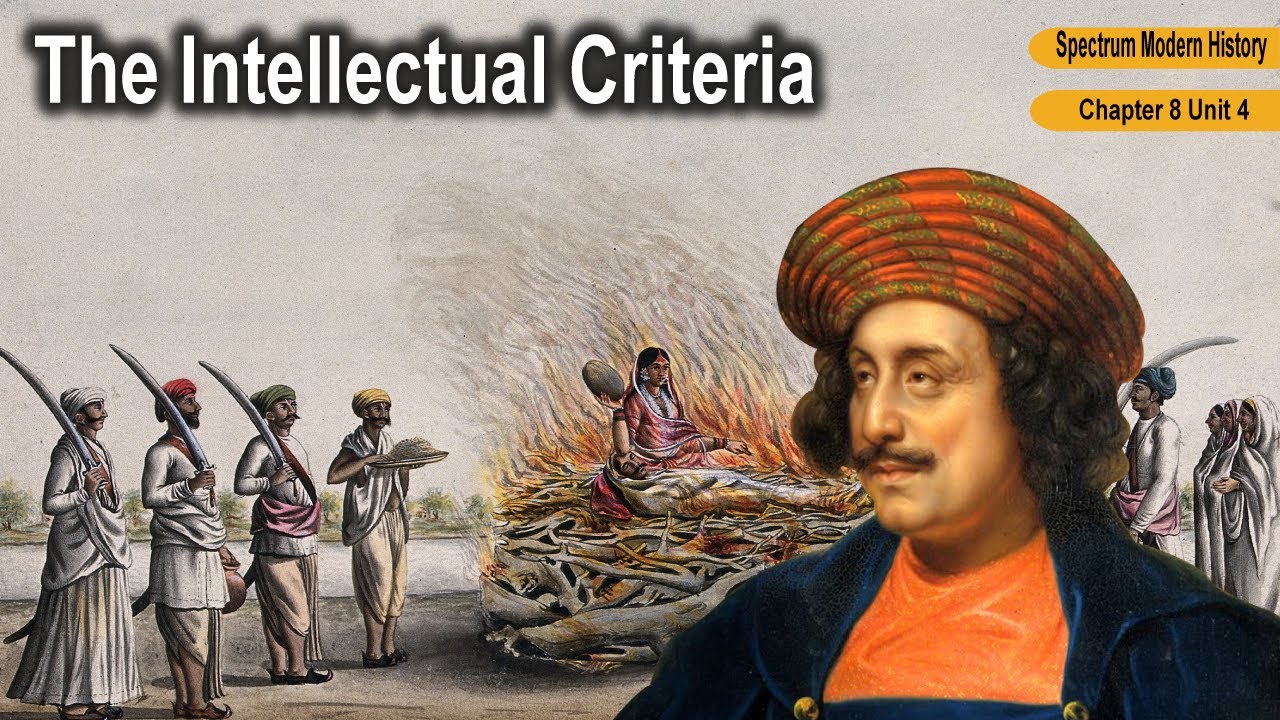
The Intellectual Criteria: Rationalism, Universalism, and Humanism
The reform movements gained clear focus by using rationalism, universalism, and humanism to question old customs and build a path for social progress.

Rationalism in Indian Reform Movements
Reformers used clear logic and evidence as their main tools to check whether social rules and religious beliefs were truly useful.
- (i) Raja Rammohan Roy insisted that cause-and-effect reasoning should be the true test for any belief or custom.
- (ii) Akshay Kumar Dutt famously stated that logic and reason should be our ultimate guide, analyzing all events scientifically.
- (iii) Thinkers applied science and clear logic to test social habits, keeping only those that helped society grow.
Reforming Religion with a Rational Approach
Applying logic changed how people viewed religious rules, shifting away from blind belief toward sensible understanding.
Scriptural Re-evaluation
Ancient books and scriptures were tested using human logic rather than being accepted without question.
- (a) The Brahmo Samaj declared that ancient scriptures like the Vedas were not infallible, placing human reason above old texts.
- (b) The Aligarh Movement worked to connect Islamic teachings with modern scientific facts and daily modern life.
- (c) Syed Ahmed Khan pointed out that religious rules must be updated if they contradict natural laws and logic.
Rational and Secular Outlook in Social Reform
The practical outlook of these thinkers was not about giving up faith, but about using faith to help society improve.
- (i) Reformers questioned unquestioned religious control using logic to remove unfair social systems.
- (ii) Swami Vivekananda stressed that true religion must stand up to scientific testing to remain useful in modern times.
- (iii) Akshay Kumar Dutt used medical facts and science to argue against social evils like child marriage.
Balanced Use of Tradition in Modernity
Instead of throwing away all old culture, educated thinkers kept useful heritage while leaving behind outdated practices.
- (a) Tradition was used carefully to encourage social improvement rather than blindly copying the past.
- (b) Reformers avoided both total revival (going completely back to ancient times) and total rejection (blindly copying the West).
- (c) Their balanced approach created a safe path connecting old heritage with modern ideas.
Universalistic Aspect: Finding Common Ground Among Religions
Reformers looked for shared values across different religions, highlighting common moral truths while rejecting narrow arguments that divided communities.
- (i) Raja Rammohan Roy promoted universal theism, viewing different faiths as regional expressions of one universal truth.
- (ii) He supported the belief in one God found in the Vedas and Christian teachings, while opposing idol worship and ritualistic divisions.
- (iii) Syed Ahmed Khan taught that all prophets shared the same core message of faith, showing that all spiritual paths share one purpose.
- (iv) Broad spiritual thinking helped counter narrow religious divisions and built mutual respect among communities.
⚡ Quick Revision Capsule: Key Pillars of 19th Century Reform
Here is a quick overview of the core intellectual principles that guided major social reform movements in India:
| Core Principle | Key Thinkers & Organizations | Main Objective & Impact |
|---|---|---|
| Rationalism | Raja Rammohan Roy, Akshay Kumar Dutt | Applied scientific logic to scrutinize social practices and reject scriptural infallibility. |
| Universalism | Raja Rammohan Roy, Syed Ahmed Khan | Promoted unity among religions by identifying shared spiritual and moral truths. |
| Humanism | Swami Vivekananda, Brahmo Samaj | Focused on practical human welfare, dignity, and reducing priest-led ritual dominance. |
| Reformist Stream | Brahmo Samaj, Prarthana Samaj, Aligarh Movement | Adapted religious and social customs to align with modern scientific needs. |
| Revivalist Stream | Arya Samaj, Deoband Movement | Sought to return to original religious purity while responding to contemporary challenges. |
📝 Summary
The growth of the educated middle class during the in India started vital movements based on logic, shared human values, and social welfare. Thinkers like Raja Rammohan Roy, Akshay Kumar Dutt, Syed Ahmed Khan, and Swami Vivekananda guided both reformist and revivalist efforts, building a bridge between traditional heritage and modern living. These intellectual achievements remain essential study topics for students learning about modern Indian history.
🚀 Quick Revision Points
Essential facts to review before examinations:
- (i) The middle-class intelligentsia grew out of professional occupations such as law, teaching, medicine, and journalism.
- (ii) Reformers used rationalism to question harmful rituals and test scriptures against logical reasoning.
- (iii) Universalism aimed to highlight common truths across all religions to encourage harmony.
- (iv) Reform movements were divided into Reformist (e.g., Brahmo Samaj) and Revivalist (e.g., Arya Samaj) streams.
- 💡 Exam Tip: In exam answers, highlight how reformers did not completely reject Indian tradition; instead, they used rationalism to separate healthy cultural roots from harmful social customs.
❓ Frequently Asked Questions (FAQ)
Q1: What was the main source of the 19th-century middle class in India?
A1: Unlike in Europe where the middle class came from trade and industry, in India it grew from modern professions like law, medicine, teaching, journalism, and government services.Q2: How did reformers use rationalism to evaluate scriptures?
A2: Reformers placed human logic and scientific evidence above ancient texts, rejecting absolute scriptural infallibility when texts contradicted human welfare or natural laws.Q3: What is the difference between reformist and revivalist movements?
A3: Reformist movements (like Brahmo Samaj) adapted practices to modern times, while revivalist movements (like Arya Samaj) aimed to restore the original purity of ancient religious teachings.