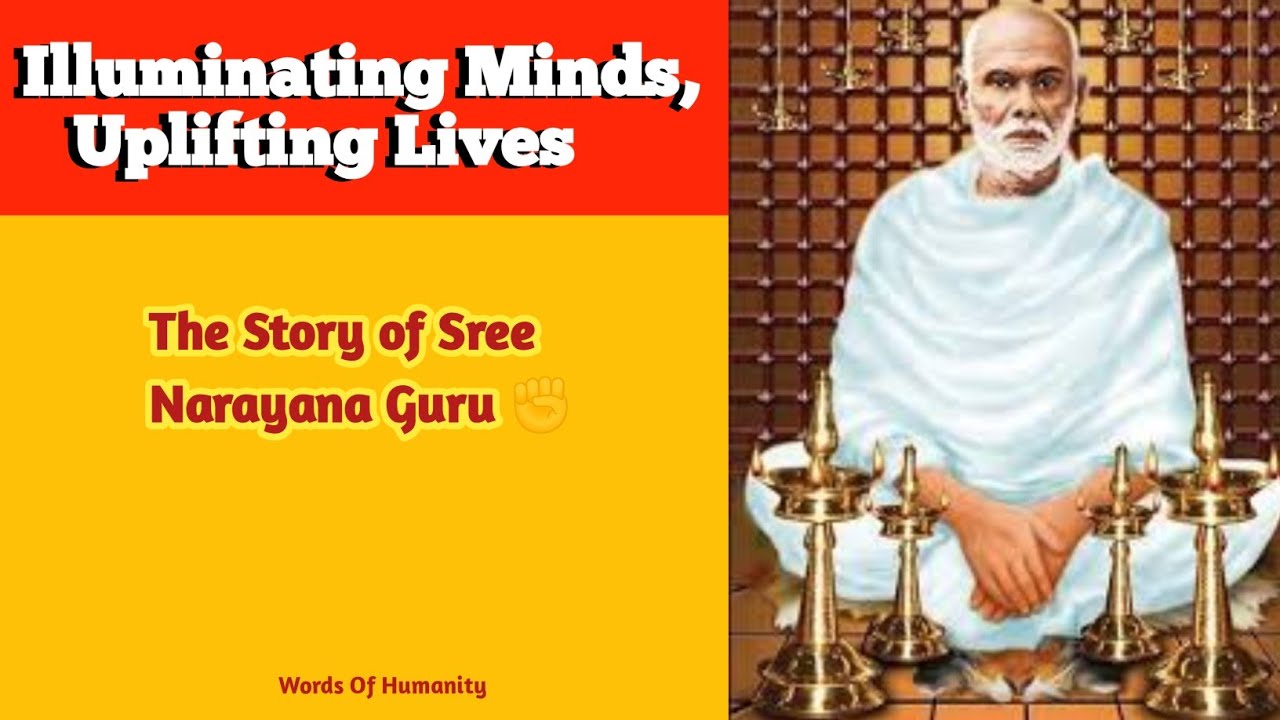
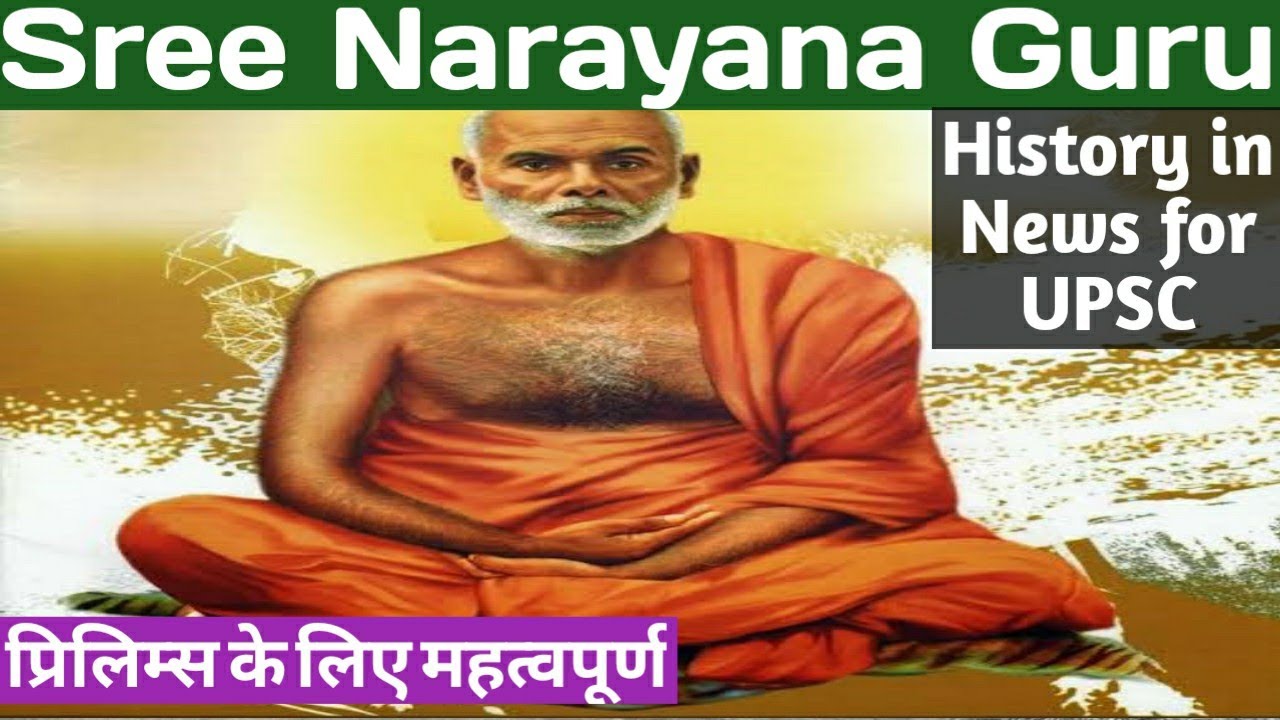
The Sree Narayana Guru Dharma Paripalana (SNDP) Movement of stands as a monumental chapter in the history of social reform in Kerala, specifically targeting the dismantling of caste hierarchies. By championing the cause of the Ezhava community, the movement introduced a new era of equality, education, and political empowerment. This comprehensive study is vital for students preparing for competitive examinations and those focusing on Modern Indian History and caste-based transformations.
🎯 In this chapter, you will understand:
- The founding background and objectives of the SNDP Movement in .
- The spiritual philosophy and social leadership of Sree Narayana Guru Swamy.
- Key milestones including the Aruvippuram Sivalinga installation and formal registration.
- The contributions of key leaders like Dr. Palpu and Kumaran Asan toward civil rights.
💡 Why this topic matters: It highlights how organized social resistance and spiritual reform altered caste dynamics and created a foundation for modern civil rights in India.
🧠 Core Idea: Combining spiritual equality with practical social reform—such as education, temple entry, and job access—empowers marginalized communities to break free from systematic oppression.
Sree Narayana Guru SNDP Movement: Social Reform in Kerala (1903)
The SNDP Movement served as the cornerstone of a spiritual and social revolution aimed at liberating the Ezhavas and other marginalized groups from caste oppression. At its core, the movement responded to systemic exclusion by demanding a society where human dignity mattered more than birth status.
Foundational Pillars of the Movement
The movement provided a clear roadmap for social equality through institutionalized reform and spiritual awakening.
- (i) Established in , the Sree Narayana Guru Dharma Paripalana Yogam became the main organization driving progress for the Ezhava community.
- (ii) The movement challenged centuries-old traditions that gave upper castes exclusive control over spiritual practices and temple rituals.
- (iii) It successfully combined demands for education, temple access, and government jobs into a single, powerful push for reform.
Founder and Background of the SNDP Movement
To fully understand the movement, one must look closely at the life of Sree Narayana Guru and the difficult social conditions faced by the Ezhavas during the late .

The Spiritual Visionary: Sree Narayana Guru Swamy
Born into a humble family, Sree Narayana Guru Swamy () became the guiding light of Kerala. His central message was "One Caste, One Religion, One God for Man," which formed the bedrock of his reform actions.
The Life and Mission of the Guru
His transition from an ascetic life to active reform reshaped Kerala's social structure.
- (a) He moved from peaceful meditation to practical social reform, realizing that spiritual growth requires basic human dignity.
- (b) His leadership linked traditional Vedantic philosophy with the everyday practical needs of the Ezhava community.
The Socio-Economic Status of the Ezhavas
Before the movement, the Ezhavas suffered under severe social exclusion. Even though they made up a large portion of the local population, they were denied rights enjoyed by higher castes.
- (i) They were categorized as an lower or oppressed caste, facing strict restrictions on movement and social interaction.
- (ii) With Ezhavas accounting for roughly 26% of the population in Kerala, their exclusion was a major demographic and human rights issue.
- (iii) Important paths to social progress, including education and entry into Hindu temples, were completely blocked to them.
Key Events and the Formal Formation of SNDP
The movement grew from local protests into a structured organization through bold symbolic actions and official legal registration.
The Aruvippuram Sivalinga Installation: A Symbolic Revolution
In , Sree Narayana Guru performed a historic act that shaken the caste system in Kerala by consecrating a Sivalinga at Aruvippuram.
- (i) This event directly broken the religious monopoly of orthodox priests, showing that idol consecration was not reserved for higher castes.
- (ii) When challenged by traditionalists, the Guru calmly replied that he was installing an Ezhava Siva rather than a Brahmin Siva, stressing that God belongs to everyone.
The Formalization: SNDP Yogam Registration
To keep the effort organized long-term, leaders registered the Aruvippuram Sree Narayana Guru Dharma Paripalana Yogam under the Indian Companies Act in .
Aruvippuram: The epicenter of Kerala's spiritual and social transformation. - Sree Narayana Guru: Served as the permanent Chairman, guiding the group's spiritual vision.
- Kumaran Asan: The famous poet and reformer served as General Secretary, bringing literary power and organizational skill.
Important Figures and the Philosophy of SNDP
While the Guru offered spiritual leadership, key associates turned his vision into practical political and social campaigns.
The Advocacy of Dr. Palpu
Dr. Palpu was a pivotal leader who saw that formal petitions and political unity were essential for winning social justice.
- (i) He drove the creation of historic petitions like the Ezhava Memorial and the Malayali Memorial to bring community concerns directly to government officials.
- (ii) His work focused on removing barriers that kept non-caste Hindus out of government service jobs.
The Ethical and Social Philosophy of the Movement
The SNDP went beyond legal rights; it worked to transform community habits and foster strong secular values.
- (i) The movement promoted the equality of all faiths and firmly rejected division based on race, creed, or caste.
- (ii) On a social level, it campaigned against harmful rituals like animal sacrifice and encouraged people to stop liquor consumption and toddy tapping for better health and dignity.
Key Issues Addressed and the Lasting Impact of SNDP
The SNDP Movement operated as a broad civil rights campaign that permanently transformed the social and political structure of Kerala.
Specific Civil Rights and Grievances Addressed
The movement targeted concrete goals to guarantee long-term social progress for marginalized groups.
- (i) Education: Winning open admission for Ezhava children into public schools.
- (ii) Employment: Securing fair hiring in government services for economic stability.
- (iii) Infrastructure: Gaining the right to walk on public roads and enter sacred temple grounds.
- (iv) Politics: Ensuring representation for the community in state legislative bodies.
The Historical Impact and Legacy
The victory of the SNDP Movement inspired similar reform movements across India, proving that unified action can change traditional power systems.
- (i) It created rapid upward social progress for Ezhavas, turning them into a strong social and political community.
- (ii) It successfully reshaped traditional authority, compelling leaders to respect the rights of the broader population.
- (iii) It served as a starting point for wider alliances among backward classes against caste discrimination.
⚡ Quick Revision Capsule: SNDP Movement Overview
Review the key highlights of the SNDP Movement below for fast exam preparation:
| Aspect | Key Details | Historical Significance |
|---|---|---|
| Year & Place | Established in in Kerala | Marked the start of organized caste reform in South India. |
| Key Founder | Sree Narayana Guru Swamy () | Promoted the core slogan: "One Caste, One Religion, One God for Man." |
| Key Organizers | Dr. Palpu and poet Kumaran Asan | Led legal petitions like the Ezhava Memorial and organizational work. |
| Major Event | Aruvippuram Sivalinga Installation () | Challenged priest monopolies over temple consecration. |
| Primary Goals | Education, public jobs, road access, and temple entry | Transformed the Ezhava community into an empowered social force. |
📝 Summary
In summary, the Sree Narayana Guru Dharma Paripalana (SNDP) Movement of was a major turning point for social equality in Kerala. By connecting spiritual philosophy with active civil rights advocacy, Sree Narayana Guru and his key partners dismantled long-standing caste barriers. For students studying Modern Indian History, this movement offers vital lessons on how education, organization, and moral leadership can remake society.
🚀 Quick Revision Points
Essential facts to review before examinations:
- (i) The SNDP Yogam was formally registered in to lift up the Ezhava community.
- (ii) The movement began after the famous Aruvippuram Sivalinga installation.
- (iii) Key leaders included Sree Narayana Guru, General Secretary Kumaran Asan, and activist Dr. Palpu.
- (iv) Main victories included securing access to public schools, government jobs, public roads, and temple entry.
- 💡 Exam Tip: Remember the core timeline: Aruvippuram Consecration occurred in , while official SNDP registration took place under the Indian Companies Act in . Questions often test the roles of Dr. Palpu (Ezhava Memorial) versus Kumaran Asan (General Secretary).
❓ Frequently Asked Questions (FAQ)
Q1: What was the main slogan of Sree Narayana Guru?
A1: His main guiding principle was "One Caste, One Religion, One God for Man," emphasizing common humanity above caste divisions.Q2: What was the significance of the Aruvippuram Sivalinga consecration in 1888?
A2: It broke the traditional monopoly of upper-caste priests over temple rituals by demonstrating that any devotee has the right to consecrate sacred symbols.Q3: What role did Dr. Palpu play in the SNDP Movement?
A3: Dr. Palpu spearheaded key petitions like the Ezhava Memorial to demand government employment, public education, and equal rights for marginalized communities in Kerala.