The rise of the Ramakrishna Movement in the brought a unique blend of Bhakti, Yoga, and service, offering emotional and spiritual fulfillment to the masses. With the guidance of Ramakrishna Paramahamsa and the later work of Swami Vivekananda, the movement emphasized practical spirituality and humanitarian service, making it highly relevant for students studying modern Indian religious reform movements.
🎯 In this chapter, you will understand:
- The spiritual foundation of the Ramakrishna Movement through devotional practices and practical work.
- The establishment of the Ramakrishna Math and Ramakrishna Mission as dual institutional pillars.
- Swami Vivekananda's role in introducing Vedanta to the global stage at Chicago in .
- The humanitarian services, social reform work, and monastic principles based at Belur Math.
💡 Why this topic matters: It explains how 19th-century spiritual ideas transformed into active social service and educational reform in modern India.
🧠 Core Idea: True spirituality blends inner devotion (Bhakti) and self-discipline (Yoga) with selfless social service to humanity, treating service to people as service to God.
The Ramakrishna Movement: Bhakti, Yoga, and Service in 19th Century India
The spiritual appeal of the Ramakrishna Movement combined devotional practices with social service, attracting both common people and intellectuals. Ramakrishna and his disciples sought to harmonize religious devotion with practical work for society, shaping modern Indian spirituality and educationally relevant ideals through a story of profound transformation.
- (i) The Appeal of Traditional Devotion: While the Brahmo Samaj largely attracted the intellectual elite, the general populace found solace in bhakti (devotion) and yoga practices that resonated with their cultural roots.
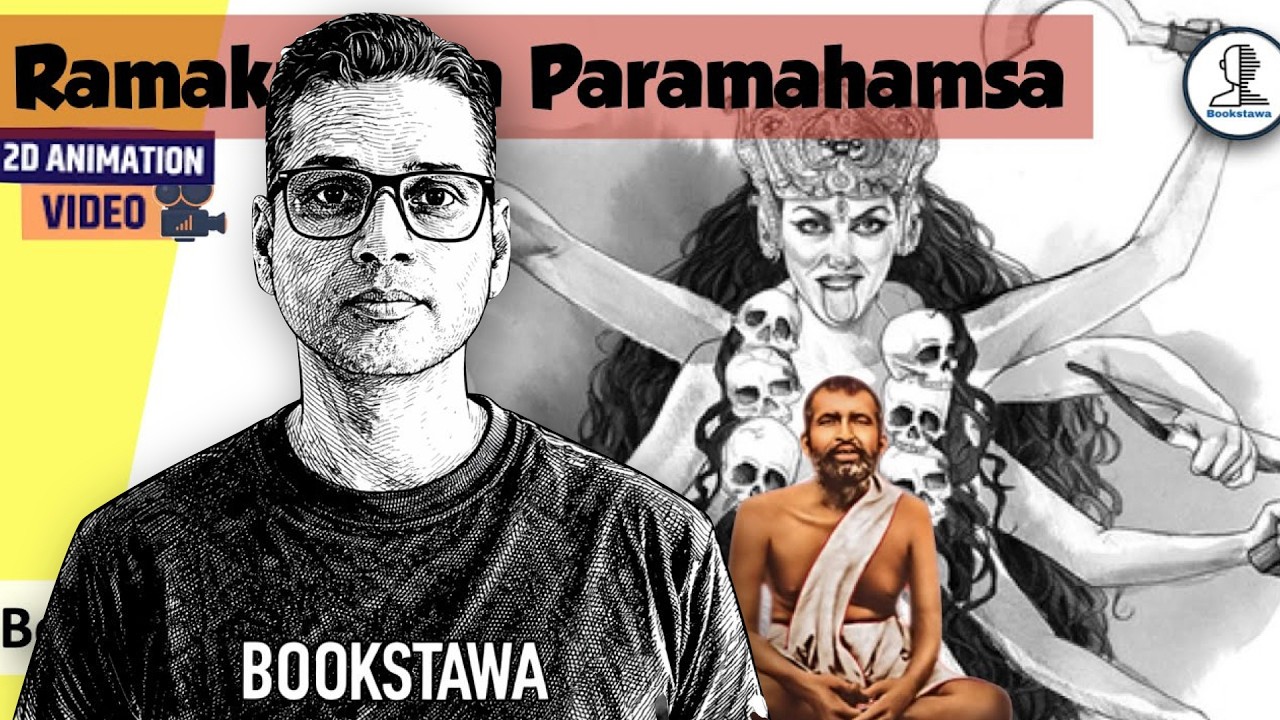
- (ii) The Saint of Dakshineshwar:Ramakrishna Paramahamsa, born in , served as a humble priest at the Kali temple in Dakshineshwar, eventually becoming a beacon of spiritual wisdom.
- (iii) Universal Parables: He conveyed the deepest Vedantic truths through simple parables, making complex Indian religious reform concepts accessible to all.
- (iv) Foundational Objectives: The movement aimed to form a dedicated band of monks for renunciation while simultaneously engaging in preaching and philanthropic work.
- (v) Divine Manifestation: A core tenet was viewing all people as manifestations of the Divine, thus equating service to humanity with service to God.
The Dual Pillars: Establishment of the Math and the Mission
The institutionalization of Ramakrishna's vision was carried out through two distinct yet complementary organizations that balanced monastic life with social activism.

The Institutional Growth of the Movement
This section explores how Ramakrishna and Swami Vivekananda structured their spiritual legacy for the and beyond.
- (i) The Monastic Root:Ramakrishna himself laid the groundwork for the Ramakrishna Math to foster spiritual growth among his disciples.
- (ii) The Social Branch: In , Swami Vivekananda founded the Ramakrishna Mission, specifically designed to pursue humanitarian service.
Personal Life and Core Beliefs
The personal example set by Ramakrishna and his partner provided a role model for spiritual stability and active support.
- (a) Path to Salvation:Paramahamsa believed in salvation through renunciation, meditation, and bhakti, emphasizing the oneness of all religions.
- (b) The Holy Mother:Ramakrishna married Sarada Devi, who became a spiritual force in her own right, supporting the disciples and the math.
Swami Vivekananda: Spreading the Message of Vedanta to the World
As the primary disciple, Swami Vivekananda played a pivotal role in extending the teachings of Ramakrishna from the banks of the Ganges to the global stage.
Early Life and the Evolution of a Monk
The journey of Narendranath Datta, later known as Swami Vivekananda, represents the reconciliation of ancient wisdom with the needs of contemporary Indian society.
- (i) Visionary Reform: He advocated bridging deep spiritualism with everyday life and collective social responsibility.
- (ii) Social Justice:Vivekananda was a fierce critic of social oppression and emphasized that the true upliftment of the country lay in the service of the poor.
- (iii) Practical Spirituality: He taught that spirituality is not for an empty stomach, urging followers to address physical suffering first.
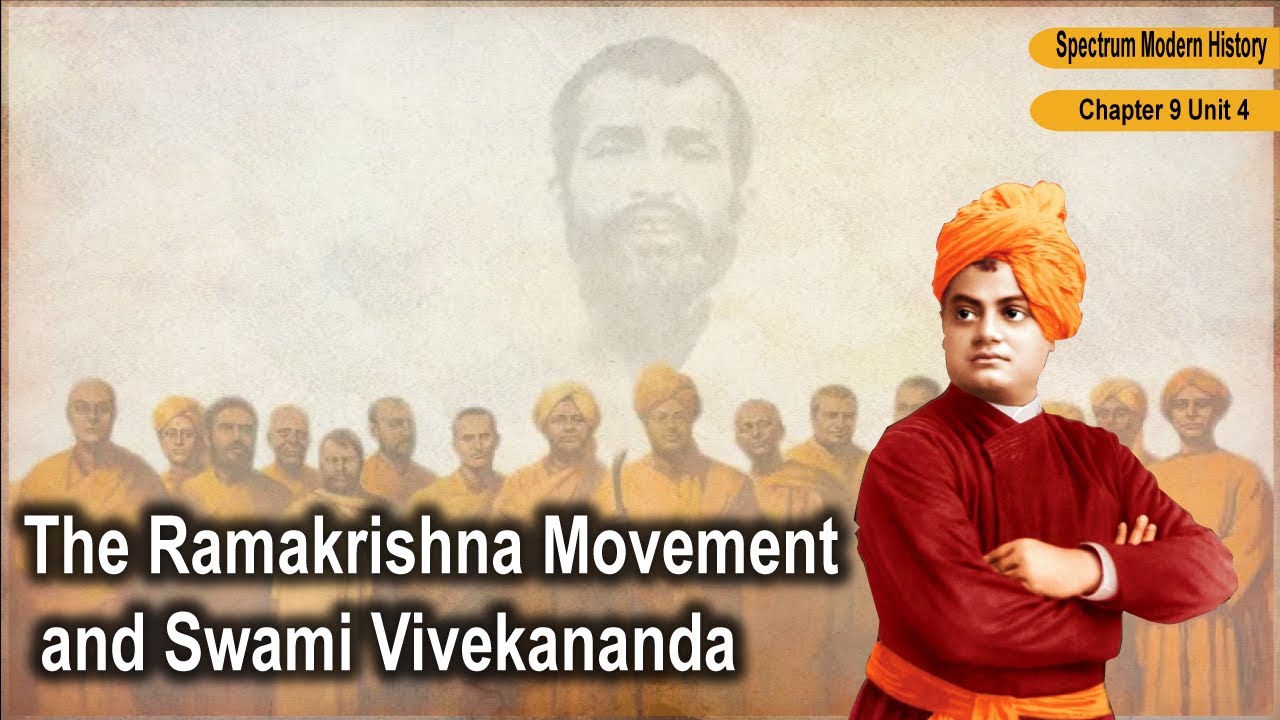
Swami Vivekananda, who carried the practical message of Vedanta worldwide
The Parliament of Religions, 1893: A Global Turning Point
In , Vivekananda represented India at the Parliament of Religions in Chicago, changing the world's perception of Eastern thought.
- (i) The Middle Path: He advocated for a perfect balance between the spiritualism of the East and the materialism of the Western world.
- (ii) Global Recognition: His speeches gained international recognition for Vedanta philosophy as a rational and universal system.
- (iii) Blended Progress: He encouraged the East to learn Western material progress while teaching the West the value of inner peace.
Humanitarian Activities and the Belur Math Legacy
The Ramakrishna Mission and its headquarters at Belur represent the physical manifestation of Vivekananda's ideals of service and unity.
- (i) The Foundation of 1897: The Ramakrishna Mission focuses on relief, social work, and Vedanta-based educational reforms.
- (ii) Global Presence: Today, the mission runs schools, hospitals, dispensaries, and disaster relief programs globally.
- (iii) The Belur Hub: In , Vivekananda acquired land at Belur to establish the permanent Ramakrishna Math.
Monastic Principles of the Math
- (a) Universal Entry: The monastic order at Belur is open to all seekers, irrespective of their caste, creed, or nationality.
- (b) Religious Respect: While promoting Vedanta, the mission respects traditional practices like image worship as valid steps toward realization.
⚡ Quick Revision Capsule: Ramakrishna Movement
A quick comparison of key milestones, leaders, and core philosophies of the movement:
| Aspect | Ramakrishna Paramahamsa | Swami Vivekananda |
|---|---|---|
| Primary Role | Spiritual inspiration & priest at Dakshineshwar | Chief disciple & global ambassador of Vedanta |
| Key Timeline | Born in | Founded Mission in ; Chicago Speech in |
| Core Focus | Inner devotion (bhakti), parables, harmony of religions | Practical spirituality, social justice, upliftment of the poor |
| Institutional Contribution | Laid foundation for Ramakrishna Math | Established Ramakrishna Mission & Belur Math hub () |
| Global Impact | Local teaching with universal spiritual truths | Represented Indian philosophy globally in Chicago Speech |
Summary of the Ramakrishna Movement and Swami Vivekananda’s Contributions
The Ramakrishna Movement successfully emphasized bhakti, yoga, and service, bridging the gap between internal spiritual experience and external social work. Through the combined efforts of Ramakrishna Paramahamsa and Swami Vivekananda, the Ramakrishna Mission became a global exemplar of humanitarian service and spiritual education. For students, mastering this movement is essential for understanding the evolution of Indian religious reform and the modern integration of spirituality with societal welfare.
📝 Summary
During the late , the Ramakrishna Movement transformed traditional devotional traditions into organized social action, establishing key institutions like Belur Math and spreading Indian philosophy internationally, as noted in historical works like Modern Indian Religious Reform Movements.
🚀 Quick Revision Points
Essential facts to review before examinations:
- (i) Ramakrishna Paramahamsa taught spiritual truth through simple parables and identified service to human beings (Jiva) as service to God (Shiva).
- (ii) Sarada Devi, known as the Holy Mother, served as an important spiritual guide and support system for the disciples.
- (iii) Swami Vivekananda established the Ramakrishna Mission in to systematically organize relief, health, and educational work.
- (iv) The speech at the Parliament of Religions () brought global attention to Vedanta and the balance between Eastern spirituality and Western science.
- 💡 Exam Tip: Focus on distinguishing the roles of the Math (monastic discipline) and the Mission (philanthropic and humanitarian service) when answering structural questions on 19th-century reform.
❓ Frequently Asked Questions (FAQ)
Q1: What is the main difference between the Ramakrishna Math and the Ramakrishna Mission?
A1: The Ramakrishna Math focuses on monastic life, spiritual training, and renunciation, whereas the Ramakrishna Mission is dedicated to public social service, healthcare, education, and humanitarian relief work.Q2: What does practical spirituality mean in the context of Vivekananda's teachings?
A2: Practical spirituality means applying spiritual values directly to social reform and removing human suffering, emphasizing that spiritual growth cannot take place without first meeting basic physical needs.Q3: When and where was the Ramakrishna Mission headquarters established?
A3: Land was acquired at Belur along the Ganges River in by Swami Vivekananda to serve as the permanent headquarters for both the Math and Mission, as referenced in records of Modern Indian History.