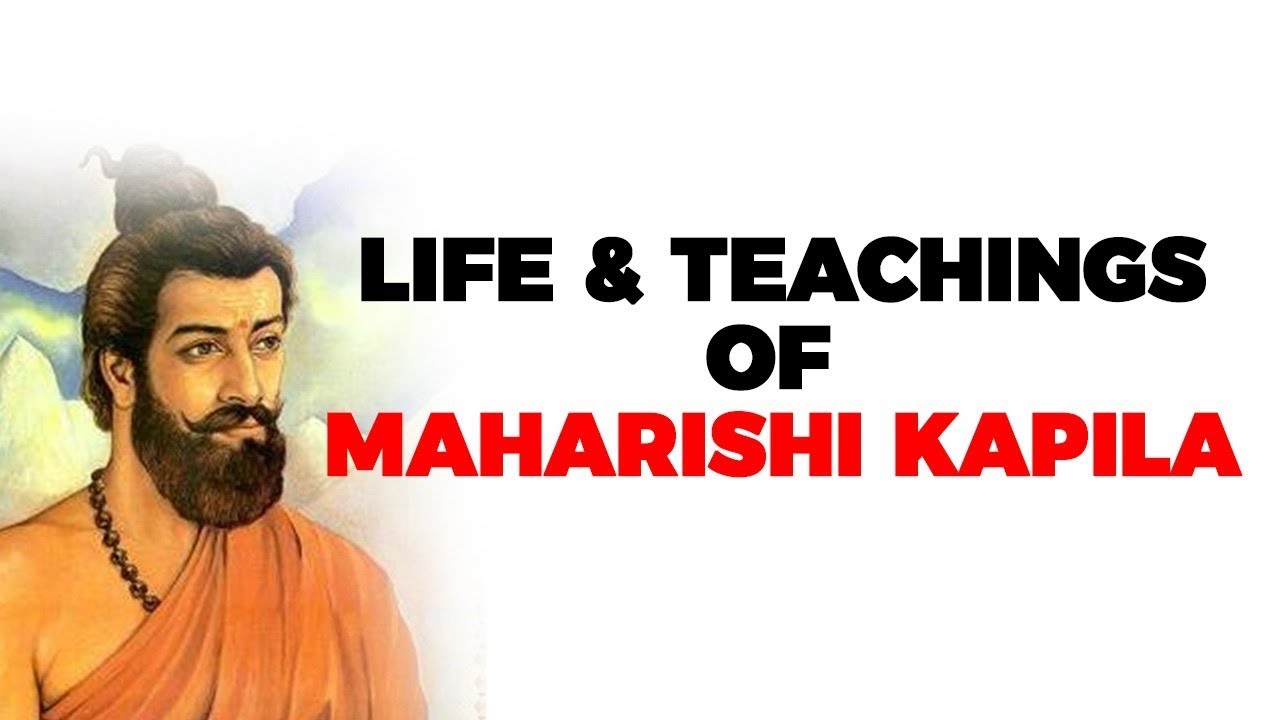
The study of Indian Philosophy offers a profound understanding of life, existence, and spiritual liberation, making it crucial for students preparing for philosophy or history exams. Key concepts such as karma, reincarnation, and moksha are central to the six major schools: Vaishesika, Nyaya, Samkhya, Yoga, Purva Mimansa, and Vedanta. This exploration highlights the origins and evolution of philosophical thought in India, emphasizing ancient Indian wisdom and its relevance for modern learning.
🎯 In this chapter, you will understand:
- The origin and foundation of the six orthodox Darshanas in Indian Philosophy.
- The dualistic core of Samkhya philosophy: Purusha (consciousness) vs. Prakriti (matter).
- The evolutionary phases of Samkhya and the dynamic role of the three Gunas.
- The influence of Samkhya on Yoga and Vedanta, and its practical path to Moksha.
💡 Why this topic matters: Mastering Indian philosophy and Samkhya provides essential conceptual clarity for competitive and academic exams in philosophy, history, and culture.
🧠 Core Idea: Realizing the distinction between eternal consciousness (Purusha) and changing matter (Prakriti) leads to ultimate freedom (Moksha).
In India, Philosophy Originated as an Exploration of Life and Existence
Across the Indian subcontinent, philosophical traditions developed to address the nature of reality, consciousness, and human purpose. The six major Darshanas—Vaishesika, Nyaya, Samkhya, Yoga, Purva Mimansa, and Vedanta—offer diverse methods of reasoning and understanding, each emphasizing moksha as the ultimate goal. These schools collectively form the foundation of Indian spiritual and intellectual heritage.
Indian Philosophy reflects centuries of intellectual and spiritual inquiry.
- (i) Shared Principles: Concepts such as karma, reincarnation, and moksha unify the six schools, guiding ethical and spiritual conduct.
- (ii) Historical Significance: These philosophical traditions date back over two millennia and influenced Indian literature, art, and social systems.
- (iii) Exam Relevance: Knowledge of these schools is essential for students studying Indian philosophy, history, and culture.
The Samkhya School of Thought in Ancient India
Samkhya is one of the oldest and most influential orthodox schools, laying the groundwork for the Yoga philosophy and Indian metaphysics.
Core Principles of Samkhya
Samkhya philosophy revolves around the dualistic nature of existence, dividing reality into Purusha (consciousness) and Prakriti (matter). Understanding these principles is crucial for grasping Indian metaphysics and spiritual liberation.
- (i) Purusha: Represents the eternal, unchanging self or consciousness that observes but does not act.
- (ii) Prakriti: The material world, including mind, body, and nature, which undergoes continuous transformation.
- (iii) Interaction: The universe exists due to the dynamic interplay between Purusha and Prakriti, with liberation achieved when the distinction is realized.
Scientific Methods and Knowledge in Samkhya
Samkhya emphasizes a systematic method for acquiring knowledge, highlighting that ignorance leads to suffering, and understanding jnana brings moksha. This rational approach makes it a foundation for logical inquiry and spiritual practice in Indian philosophy.
- (a) Pratyaksha: Direct perception of reality through senses, forming the empirical basis of knowledge.
- (b) Anumana: Inference or reasoning from observed facts, aiding in understanding cause and effect.
- (c) Shabda: Testimony or scriptural authority, validating knowledge through reliable sources.
Ultimate Goal and Cosmic Understanding in Samkhya
The philosophical aim of Samkhya is self-realization and liberation. By discerning Purusha from Prakriti, an individual transcends material attachments and achieves moksha. This knowledge is central for students exploring Indian metaphysics and spiritual disciplines.
- (i) Realization: Recognizing the distinct nature of consciousness and matter is the key to freedom.
- (ii) Philosophical Implications: Provides the basis for ethical living, meditation, and the practice of Yoga.
- (iii) Educational Importance: Essential for understanding the evolution of Indian thought and its relevance in exams.
Summary: Importance of Indian Philosophy and Samkhya
The study of Indian Philosophy provides insights into life, consciousness, and spiritual liberation, highlighting concepts like karma, reincarnation, and moksha. Samkhya philosophy, with its dualistic principles of Purusha and Prakriti, is foundational for understanding Indian metaphysics and the Yoga school. This knowledge is crucial for students preparing for philosophy and history exams, linking ancient wisdom with practical learning and self-realization.
Evolution, Phases, and Role of Gunas in Samkhya Philosophy
The evolution of Samkhya highlights its transition from materialism to spiritualism, making it a vital study for students.

Initially, Samkhya emphasized the material world (Prakriti) as the sole force governing existence. Later, the New Samkhya introduced Purusha alongside Prakriti, integrating spirituality and laying the groundwork for other Indian philosophical systems.
- (i) Early materialistic Samkhya viewed Prakriti as the origin of the universe, without invoking divine intervention.
- (ii) The New Samkhya () emphasized the spiritual aspect (Purusha) alongside material reality (Prakriti).
- (iii) The dualistic framework of Samkhya philosophy became foundational for understanding Yoga and Vedanta.
Phases of Development in Samkhya Philosophy
The phases of Samkhya explain its materialistic origin and later spiritual development, crucial for students of philosophy.
Original Samkhya (Materialistic Phase)
This phase dates to the early centuries CE. It focused purely on Prakriti as the source of creation and denied the involvement of any divine entity. Students should note its influence on scientific and rational interpretations of the universe.
- (i) Advocated the universe arises from natural elements without divine intervention.
- (ii) Emphasized observation, logic, and natural phenomena to explain cosmic processes.
- (iii) Provided a basis for the development of Indian materialist schools like Carvaka.
New Samkhya (Spiritual Phase)
Emerging around the , this phase integrates Purusha (spirit) with Prakriti (matter), introducing a dualistic spiritual perspective crucial for understanding self-liberation.
- (a) Recognized both material and spiritual elements as essential for creation.
- (b) Emphasized the role of Purusha in achieving moksha by transcending material illusions.
- (c) Formed the philosophical foundation for Yoga and influenced Vedanta.
The Role of Gunas in Samkhya Philosophy
The Gunas (qualities of nature) govern the behavior of matter and influence human experiences, making their study essential for students of Indian philosophy.
Gunas Composing Prakriti
Prakriti consists of three fundamental Gunas — Tamas, Rajas, and Sattva. Understanding these is key for interpreting both material and psychological phenomena.
- (i) Tamas: Associated with inertia, darkness, and ignorance.
- (ii) Rajas: Represents passion, activity, and energy.
- (iii) Sattva: Signifies purity, balance, and enlightenment.
Interaction of Gunas
The dynamic interaction of Gunas shapes the universe and human behavior, influencing both individual consciousness and collective existence.
- (a) Different combinations of Gunas determine personality traits and tendencies.
- (b) The balance of Gunas is essential for mental clarity and spiritual growth.
- (c) Students should note its connection to ethical behavior and self-knowledge practices.
Influence of Samkhya on Other Philosophical Systems
Samkhya philosophy has deeply influenced Yoga and Vedanta, making it crucial for understanding Indian metaphysics.
Influence on Yoga Philosophy
Yoga philosophy, as codified by Patanjali in the Yoga Sutras, adopts Samkhya's dualism and concepts of Purusha and Prakriti. Knowledge of Samkhya enhances understanding of Yoga's meditation and liberation practices.
- (i) Dualism of consciousness and matter forms the core of Yoga metaphysics.
- (ii) Role of self-awareness and detachment in attaining moksha mirrors Samkhya teachings.
- (iii) Yoga ethics and disciplines reflect Samkhya's understanding of Gunas and their influence.
Influence on Vedanta Philosophy
Although Vedanta emphasizes monism, it borrows Samkhya concepts to explain the distinction between self and matter, enriching metaphysical discourse.
- (a) Vedantic thinkers use Samkhya's framework to discuss Atman vs. material nature.
- (b) Dualistic concepts help in analyzing the illusion (Maya) in Vedanta.
- (c) Understanding Samkhya aids students in comparing dualism and monism in Indian philosophy.
Practical Application: The Path to Moksha in Samkhya
Attaining liberation (moksha) through Samkhya philosophy requires self-knowledge and discernment between Purusha and Prakriti.
Self-Knowledge (Atma-jnana)
The primary method to achieve moksha in Samkhya is Atma-jnana — the understanding of one's true self. Students should note that knowledge is emphasized over rituals or devotion.
- (i) Realization of Purusha as distinct from Prakriti breaks attachment to the material world.
- (ii) Self-awareness leads to freedom from the cycle of birth and death (samsara).
- (iii) Intellectual clarity and discrimination are essential for spiritual liberation.
Practical Exercises
Students can apply Samkhya teachings through meditation, reflection, and observation of the Gunas in themselves and surroundings.
- (a) Observing the dominance of Rajas, Tamas, or Sattva in behavior helps in self-regulation.
- (b) Meditation on Purusha vs. Prakriti enhances discernment and detachment.
- (c) Combining theory with practice bridges philosophical understanding with real-life application.
Summary of Samkhya Philosophy
The Samkhya school, through its dualism of Purusha (spirit) and Prakriti (matter), offers students a structured approach to understanding the universe, human consciousness, and the path to moksha. Its influence on Yoga and Vedanta demonstrates its lasting significance. Mastery of Samkhya concepts equips students for philosophical examinations and deepens insight into Indian metaphysics.
⚡ Quick Revision Capsule: Indian Philosophy & Samkhya School
A quick summary comparing the key components, principles, and methods of knowledge within the Samkhya framework.
| Aspect | Key Concept / Term | Core Meaning & Significance |
|---|---|---|
| Primary Dualism | Purusha vs. Prakriti | Purusha is eternal, passive consciousness; Prakriti is changing, active matter. |
| Qualities of Nature | The Three Gunas | Sattva (purity), Rajas (activity), and Tamas (inertia) govern all physical and mental phenomena. |
| Epistemology (Pramanas) | Methods of Knowledge | Uses Pratyaksha (perception), Anumana (inference), and Shabda (scriptural testimony). |
| Ultimate Goal | Moksha via Atma-jnana | Liberation from samsara attained through discriminating self-knowledge rather than rituals. |
| Key Influences | Yoga & Vedanta | Provided metaphysics for Patanjali's Yoga Sutras and enriched Vedantic discussion on Maya. |
📝 Summary
The Samkhya school of Indian philosophy has evolved over centuries, from its early materialistic interpretations to the later spiritual developments in the . Understanding Samkhya philosophy is essential for students preparing for Indian philosophy exams, as it provides a foundation for Yoga and Vedanta. This school emphasizes the dualism of Purusha (spirit) and Prakriti (matter), offering key insights into self-knowledge and the path to moksha.
🚀 Quick Revision Points
Essential facts to review before examinations:
- (i) Indian philosophy contains six orthodox schools (Darshanas): Vaishesika, Nyaya, Samkhya, Yoga, Purva Mimansa, and Vedanta.
- (ii) Samkhya divides reality into two non-reducible entities: Purusha (unattached consciousness) and Prakriti (creative matter).
- (iii) The material world evolves through three dynamic Gunas: Sattva (balance), Rajas (motion), and Tamas (inertia).
- (iv) Patanjali adopted Samkhya metaphysics as the theoretical backing for practical meditation in the Yoga Sutras.
- 💡 Exam Tip: Focus on comparing the early materialistic phase of Samkhya with the 4th century CE spiritual phase (New Samkhya), and be prepared to list the three Pramanas (Pratyaksha, Anumana, Shabda).
❓ Frequently Asked Questions (FAQ)
Q1: What are the six major schools of Indian philosophy?
A1: The six orthodox schools (Darshanas) are Vaishesika, Nyaya, Samkhya, Yoga, Purva Mimansa, and Vedanta.Q2: What is the main difference between Purusha and Prakriti in Samkhya?
A2: Purusha is eternal, unchanging consciousness that acts as an observer, whereas Prakriti is the material world consisting of mind, body, and nature undergoing constant transformation.Q3: How does Samkhya philosophy influence Yoga?
A3: As codified by Patanjali in the Yoga Sutras, Yoga adopts Samkhya's dualistic metaphysics of Purusha and Prakriti to explain mental control and liberation.