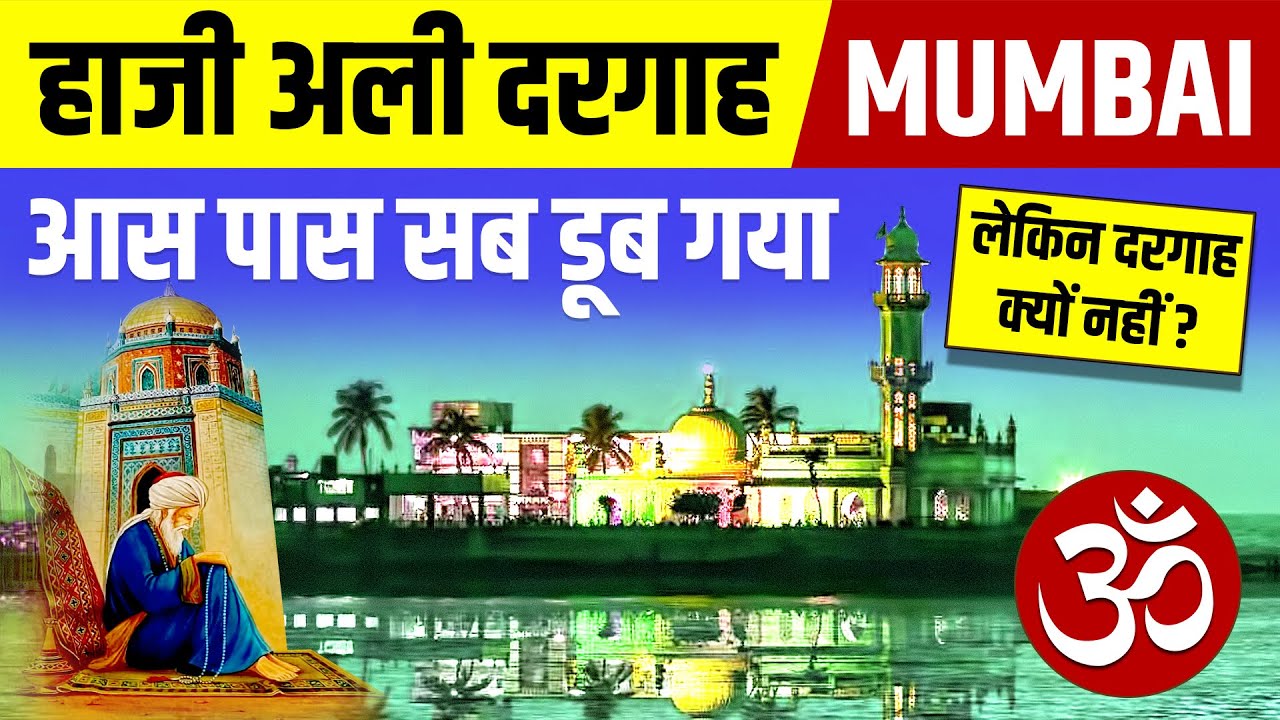
The Haji Ali Dargah, located on a serene islet off Worli, Mumbai, is a historic mosque and tomb complex dedicated to Pir Haji Ali Shah Bukhari. Renowned for its faith, spirituality, and cultural unity, it attracts thousands of pilgrims and tourists every year. This iconic landmark of Indo-Islamic architecture holds deep religious significance while serving as a symbol of love and tolerance, making it highly important for students and exam preparation.
🎯 In this chapter, you will understand:
- The founding history and legends surrounding Pir Haji Ali Shah Bukhari.
- Key features of 15th-century Indo-Islamic architecture built in the Arabian Sea.
- The social and cultural role of the shrine in promoting interfaith harmony.
- Modern legal milestones securing gender equality at religious landmarks.
💡 Why this topic matters: Haji Ali Dargah represents a vital topic for general awareness, Indian heritage, and architectural history, exemplifying religious harmony and gender movement milestones in modern India.
🧠 Core Idea: A historic 15th-century island shrine off Mumbai's coast that blends Sufi spiritual traditions, coastal Indo-Islamic architecture, and universal inclusivity.
Haji Ali Dargah: History, Architecture, and Cultural Significance
The Haji Ali Dargah stands as one of Mumbai’s most celebrated religious monuments, welcoming people from across the world.
Dedicated to the revered Sufi saint Pir Haji Ali Shah Bukhari, this mosque and tomb complex symbolizes faith, devotion, and unity. Built on a small islet in the Arabian Sea, it welcomes pilgrims from all walks of life, highlighting the city’s spiritual inclusivity.
- (i) Located off Worli, accessible by a narrow causeway during low tide.
- (ii) Acts as both a spiritual center and a tourist attraction.
- (iii) Revered for its legend, architecture, and cultural impact.
History and Legend of Haji Ali Dargah
The history of Haji Ali is deeply rooted in devotion and legend. The dargah, constructed in , commemorates Pir Haji Ali Shah Bukhari, a merchant-turned-saint from Uzbekistan who renounced worldly wealth and embraced Sufism. His miraculous journey continues to inspire millions.

Life and Spiritual Journey of Haji Ali
Haji Ali abandoned his prosperous life to pursue the path of spirituality. According to tradition, he set out for Mecca but passed away mid-journey. His body was carried by the sea to the shores of Mumbai, where the shrine was later built.
- (i) Originally a merchant from Uzbekistan.
- (ii) Became a Sufi saint after renouncing wealth.
- (iii) Miraculously associated with sea burial at Mumbai’s coast.
Legends and Miracles of Haji Ali
Several legends highlight Haji Ali’s compassion and miracles. The most famous tells of him producing oil from the earth to help a poor woman. Before his death, he requested his shroud to be cast into the sea, symbolizing humility and surrender to God.
- (a) Constructed in in memory of the saint.
- (b) Miracle of oil for the needy woman.
- (c) His shroud carried by waves to current shrine site.
Architecture and Design of Haji Ali Dargah
The architecture of Haji Ali Dargah is a striking blend of Indo-Islamic styles. Positioned on a tiny islet, the white-domed structure symbolizes purity and faith. Despite exposure to sea waves, renovation and preservation efforts have safeguarded its original beauty.
Indo-Islamic Architectural Style
The shrine’s construction reflects the fusion of Indian and Islamic motifs. The marble domes, minarets, and intricate designs represent 15th-century craftsmanship that continues to awe visitors.
Detailed marble latticework and minarets showcasing 15th-century design. - Structure Visibility: White dome visible from the Mumbai shoreline.
- Central Tomb: Central shrine houses the tomb of Pir Haji Ali.
- Design Details: Detailed latticework adds elegance and serenity.
Renovations and Preservation
Over the centuries, the dargah has endured natural wear but has been carefully restored. Preservation projects ensure both tourist appeal and religious sanctity remain intact.
- (a) Multiple phases of restoration undertaken.
- (b) Maintains architectural integrity despite sea erosion.
- (c) A living heritage site blending history and spirituality.
Social and Cultural Significance of Haji Ali Dargah
The social importance of Haji Ali Dargah lies in its message of unity, inclusivity, and devotion. Welcoming people of all faiths, it has become a cultural landmark and a major tourist attraction symbolizing Mumbai’s diverse identity.
A Pilgrimage Center for All Faiths
The dargah emphasizes interfaith harmony, attracting Hindus, Muslims, Christians, and people of other faiths. It is seen as a sanctuary of hope where devotees seek peace and blessings.
- (i) Symbol of unity in diversity.
- (ii) Famous for its serene atmosphere.
- (iii) Draws pilgrims and tourists alike.
Modern Social Relevance
In , the "Haji Ali for All" movement made headlines by ensuring women’s entry into the sanctum, reinforcing the dargah’s role as a progressive religious space.
- (a) Landmark judgment enabling women’s rights at the shrine.
- (b) Boosted the cultural significance of the dargah.
- (c) Highlighted its role in promoting gender equality.
⚡ Quick Revision Capsule: Haji Ali Dargah Key Details
Quick reference guide summarizing essential facts about Haji Ali Dargah for exam preparation:
| Aspect | Key Details | Historical & Cultural Significance |
|---|---|---|
| Location | Worli Coast, Mumbai, Arabian Sea | Connected to the mainland by a narrow causeway submerged during high tide. |
| Year Established | Constructed in memory of the saint Pir Haji Ali Shah Bukhari. | |
| Architectural Style | Indo-Islamic Architecture | Features white marble domes, minarets, and delicate latticework (jali). |
| Saint's Origin | Uzbekistan (Wealthy Merchant) | Renounced all material riches to travel and spread Sufi teachings. |
| Key Social Milestone | "Haji Ali for All" Movement () | Secured equal access for women into the main sanctum sanctorum. |
📝 Summary
The Haji Ali Dargah remains a spiritual landmark in Mumbai, embodying faith, devotion, and inclusivity. Constructed in , its Indo-Islamic architecture and cultural significance make it a crucial topic for students and exam preparation. More than a shrine, it is a living symbol of love, tolerance, and unity in India’s diverse heritage.
🚀 Quick Revision Points
Essential facts to review before examinations:
- (i) Pir Haji Ali Shah Bukhari was a saint from Uzbekistan who gave up his fortune for Sufism.
- (ii) Built in , the dargah sits on a coastal islet accessible during low tide.
- (iii) The architectural design blends Indian and Islamic styles featuring white marble domes.
- (iv) A major legal ruling affirmed equal entry rights for women inside the shrine.
- 💡 Exam Tip: Remember the year of establishment (), the geographic location (Worli causeway, Mumbai), the architectural style (Indo-Islamic), and the saint's origin (Uzbekistan) for competitive exams.
❓ Frequently Asked Questions (FAQ)
Q1: Where is Haji Ali Dargah located and how is it reached?
A1: It is located on an islet off the coast of Worli in Mumbai, reachable via a narrow walkway accessible only during low tide.Q2: Who was Pir Haji Ali Shah Bukhari?
A2: He was a wealthy merchant from Uzbekistan who renounced his possessions to become a Sufi saint and travel to India.Q3: What major social milestone occurred at Haji Ali Dargah in ?
A3: The landmark legal outcome of the "Haji Ali for All" movement granted women equal right of entry into the inner shrine.