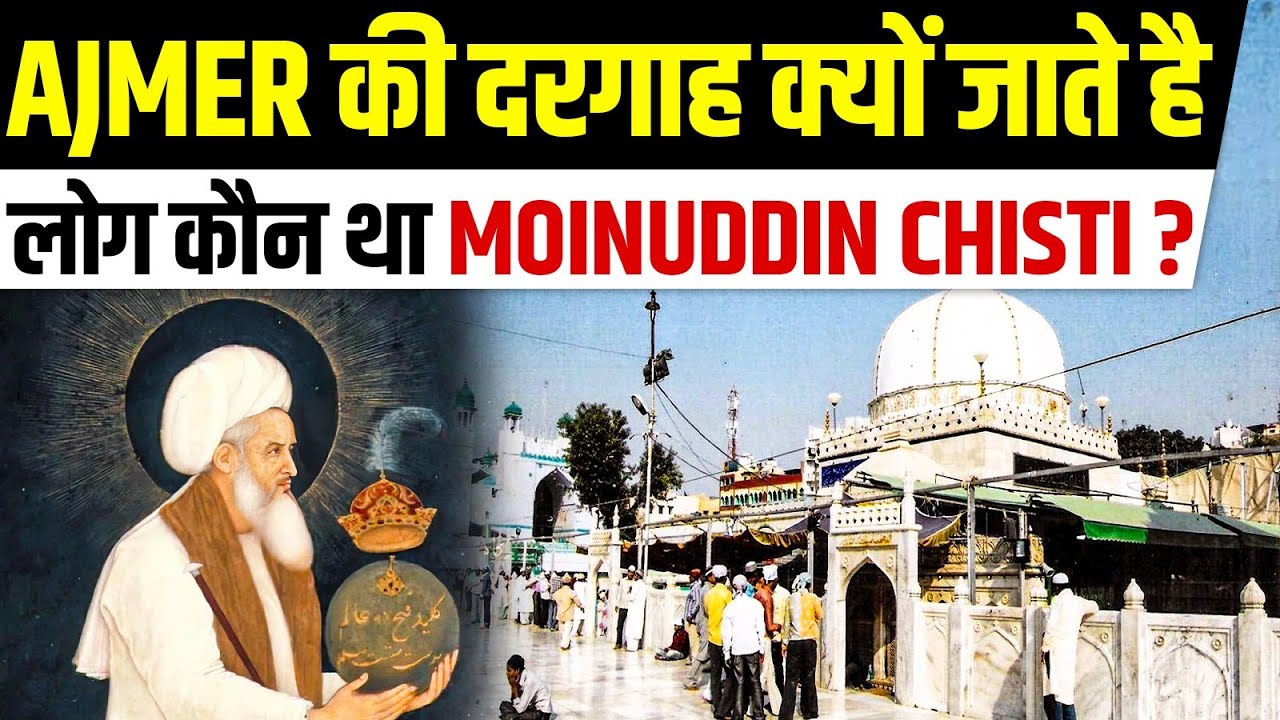
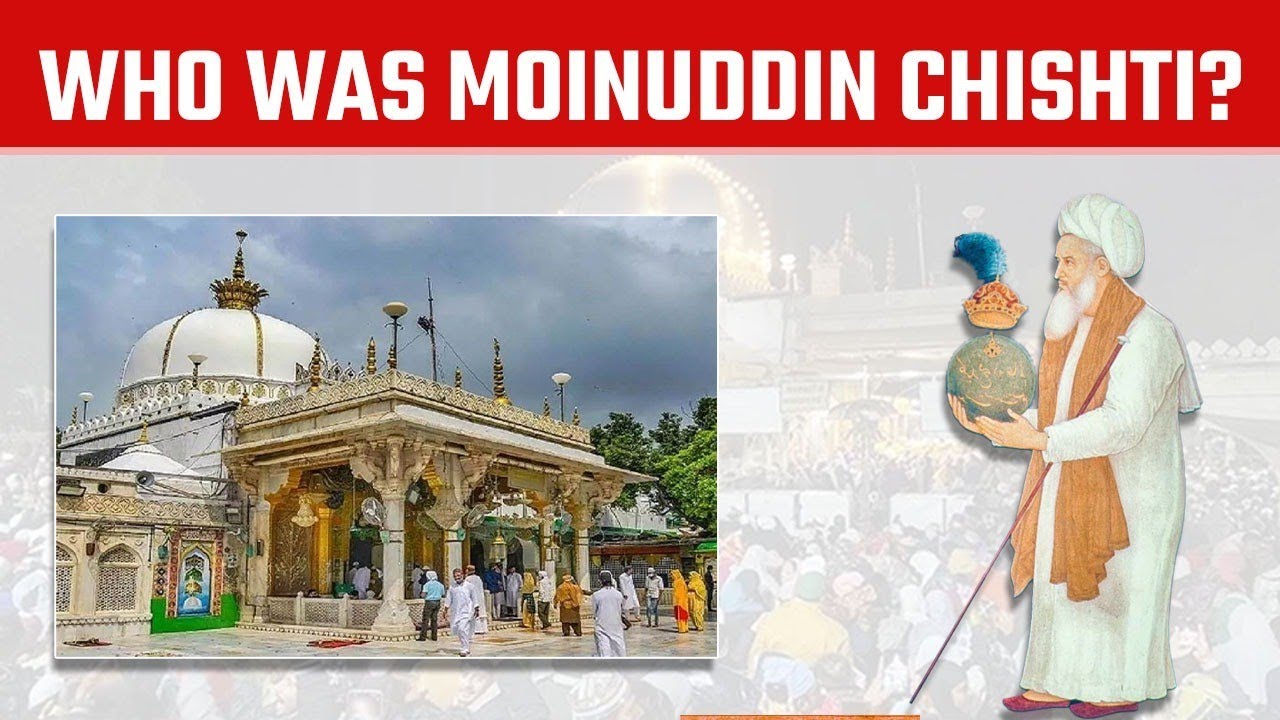
Mu'in al-Din Hasan Chishti, also known as Khwaja Gharib Nawaz, was one of the most revered Sufi saints of India. As the founder of the Chishti Order in South Asia, his spiritual teachings focused on love, service, and humility. Today, his Dargah at Ajmer stands as a vibrant center of interfaith harmony that draws millions of pilgrims, making his life and legacy essential for students of Indian history, culture, and exam preparation.
🎯 In this chapter, you will understand:
- The life, core teachings, and humanitarian principles of Khwaja Gharib Nawaz.
- The spread and expansion of the Chishti Order across the Indian subcontinent.
- The spiritual lineage (silsila) connecting early Islamic figures to the medieval Sufi masters.
- The historical and cultural significance of the Ajmer Sharif Dargah through royal patronage to modern times.
💡 Why this topic matters: Understanding Sufism and the Chishti Order is fundamental to grasping medieval Indian socio-cultural history, religious syncretism, and administrative patronage during the Sultanate and Mughal periods.
🧠 Core Idea: Divine love is best expressed through selfless service to humanity, spiritual humility, tolerance, and breaking down social barriers.
📌 Mu'in al-Din Hasan Chishti – Sufi Saint of Ajmer and Founder of Chishti Order
Mu'in al-Din Hasan Chishti was a Persian mystic who established the Chishti Order in India and became a lasting symbol of compassion and spirituality. Known widely as Khwaja Moinuddin Chishti or Khwaja Gharib Nawaz, he migrated from Sistan to the Indian subcontinent during the reign of the Delhi Sultanate. His sacred shrine in Ajmer continues to represent peace, devotion, and interfaith unity.
Key historical milestones of his early spiritual journey:
- (i) Born in in Sistan, of Persian descent.
- (ii) Established the Chishti Order of Sufism in India.
- (iii) Revered by all as Gharib Nawaz, the benefactor of the poor.
Teachings and Philosophy of Khwaja Moinuddin Chishti
His philosophy centered on genuine love for God, dedicated service to humanity, and selfless devotion. By emphasizing tolerance, humility, and inner spiritual discipline, he made his teachings universally accessible to everyone.
Core Spiritual Principles of the Chishti Order
At the heart of his message was the core belief that divine love finds its best expression in service to humanity. This message transcended traditional religious boundaries and made Sufi thought deeply appealing across diverse communities in India.
- (i) Renunciation of material wealth and worldly attachments.
- (ii) Unconditional service to the poor, suffering, and needy.
- (iii) Active promotion of tolerance and interfaith unity.
Incorporation of Music in Devotion
One of his unique contributions was introducing the spiritual use of music (sama) into devotional practice. This made Islamic mysticism more relatable to local traditions in India and later inspired great disciples such as Amir Khusrow.
- (a) Encouraged devotional music and spiritual hymns as a valid path of worship.
- (b) Helped bridge cultural gaps between Arab traditions and Indian local customs.
- (c) Laid the firm foundation for Sufi musical traditions in South Asia.
Humanitarian Values and Social Service
Khwaja Moinuddin firmly believed that serving humanity is the highest form of worshiping God. His practice of compassion, equality, and charity earned him the affectionate title Gharib Nawaz – Benefactor of the Poor.
- [Charity]: Regularly distributed food, clothing, and financial aid to the poor.
- [Equality]: Welcomed people of all faiths and backgrounds at his khanqah (monastery).
- [Compassion]: Guided his followers toward living a humble, selfless, and moral life.
📌 Early Life and Spiritual Training
Born in Sistan in , Mu'in al-Din lost his father Sayyid Ghiyath al-Din around . Although he inherited family property, he chose to give up material wealth in favor of asceticism and deeper spiritual exploration.

Education and Early Mysticism
He pursued higher learning at the famous seminaries of Bukhara and Samarkand, where he thoroughly studied Islamic scholarship and mystical traditions. His interactions with noted scholars shaped his broad worldview.
- (i) Studied classical works by scholars such as Muhammad al-Bukhari and Abu Mansur al-Maturidi.
- (ii) Received rigorous training in Islamic law, philosophy, and spiritual sciences.
- (iii) Developed strong early inclinations toward deep reflection and ascetic practices.
Spiritual Guides and Influences
During his extensive travels, he met several leading Sufi saints of the era. His primary mentor and spiritual guide was Khwaja Uthman Haruni, under whose guidance he spent two decades in dedicated spiritual training.
- (a) Guided directly by Uthman Haruni (his spiritual master or murshid).
- (b) Deeply inspired by prominent mystics including Abdul Qadir Gilani (d. ) and Najmuddin Kubra (d. ).
- (c) Associated with respected scholars and saints from the Suhrawardi, Tabrizi, and Ghaznawi traditions.
📌 Legacy of Khwaja Gharib Nawaz
Mu'in al-Din Chishti's primary legacy lies in establishing the Chishti Order as a leading spiritual movement across medieval India. His revered shrine at Ajmer Sharif continues to stand as a beacon of peace, devotion, and harmony.
- (i) Inspired prominent spiritual successors such as Nizamuddin Auliya and Amir Khusrow in the .
- (ii) His Dargah in Ajmer remains one of the most visited pilgrimage destinations in South Asia.
- (iii) His core message of love, mutual respect, and selfless service remains deeply relevant today.
📌 Life and Legacy of Mu'in al-Din Chishti in South Asia (12th–13th Century)
The arrival of Mu'in al-Din Chishti in South Asia marked a major turning point in Sufi history. In the early , Mu'in al-Din traveled through Lahore and eventually settled in Ajmer. His marriage around and his family life helped him connect closely with local society during that era.
- (i) Traveled alongside his cousin Khwaja Syed Fakhr Al-Dīn Gardezi Chishti to Lahore.
- (ii) Spent time meditating at the shrine of the early master Ali Hujwiri (d. ).
- (iii) Married the daughter of Saiyad Wajiuddin and raised three sons and a daughter in Ajmer.
Preaching of Mu'in al-Din Chishti in India
Mu'in al-Din Chishti played a critical role in expanding the Chishtiyya order across India. While he was not its global founder, his work transformed spiritual and social life across the Indian subcontinent.
Origins of the Chishtiyya Order
The Chishtiyya order originally developed as a branch of the Adhamiyya tradition, which traces back to Ibrahim ibn Adham (d. ). It took its name from Abu Ishaq al-Shami, who relocated to Chishti Sharif in Herat, Afghanistan around . Understanding this history provides essential background for students studying medieval religious movements.
- (i) Early roots connect back to the Adhamiyya order.
- (ii) Named after Abu Ishaq al-Shami (d. ).
- (iii) Expanded significantly well before Abdul Qadir Gilani formally established the Qadiriyya order.
Expansion of Chishtiyya in India
Mu'in al-Din brought the Chishtiyya order to India following a spiritual vision in which the Prophet Muhammad guided him to travel eastward. This became a foundational milestone for Sufi traditions in medieval India.
- (a) Received a dream of Prophet Muhammad instructing him to travel to India.
- (b) Steadily built and expanded the order during the early .
- (c) Established lasting foundations for devotional culture throughout the Indian subcontinent.
Spiritual Lineage of the Chishtiyya Order
The Chishtiyya spiritual lineage maintains a continuous line of transmission extending from Prophet Muhammad through Ali (d. ) and subsequent Sufi figures. This spiritual chain (silsila) is fundamental to understanding Sufi authority and Islamic mysticism.
Complete Spiritual Lineage
The Chishti silsila represents a respected chain of succession. It illustrates how spiritual knowledge and moral authority passed down through generations, making it an important topic for exam preparation.
- (i) Muhammad ()
- (ii) Ali b. Abi Talib ()
- (iii) Hasan al-Basri (d. )
- (iv) Abdul Wahid bin Zaid (d. )
- (v) Ibrahim ibn Adham (d. ) → linked to the early Adhamiyya tradition
- (vi) Abu Ishaq Shami (d. ) → settled at Chishti Sharif
- (vii) Usman Harooni (d. ) → spiritual mentor of Mu'in al-Din
Dargah Sharif in Ajmer and Its Historical Importance
The Dargah Sharif in Ajmer, Rajasthan, grew into one of the most revered Sufi centers following Mu'in al-Din’s death in . Supported by rulers ranging from the Delhi Sultanate to the Mughal Empire, it remains an enduring symbol of spiritual devotion and religious unity.
Royal Patronage of Ajmer Dargah
Monarchs such as Muhammad bin Tughluq and Akbar held the shrine in high esteem. This sustained royal interest turned the Ajmer Dargah into an important socio-political landmark.
- (i) Muhammad bin Tughluq paid a pilgrimage visit in .
- (ii) Akbar (d. ) visited the shrine 14 times during his reign.
- (iii) Illustrated the strong intersection between state authority and spiritual respect.
Modern Relevance of Ajmer Dargah
In modern times, the shrine continues to welcome hundreds of thousands of pilgrims, including both Hindus and Muslims. It serves as a focal point for annual urs gatherings and exemplifies India’s syncretic culture.
- (a) The annual urs brings together pilgrims from all across South Asia.
- (b) Reflects shared reverence across different faith communities.
- (c) Continues to preserve and promote Sufi heritage in India.
Ajmer Dargah Bomb Blast (2007)
A tragic bomb blast at Ajmer Dargah on resulted in three deaths and fifteen injuries. A NIA court in Jaipur subsequently convicted those responsible, pointing to the shrine's ongoing social and political significance.
- (i) The explosion occurred during an evening Iftar gathering.
- (ii) Two individuals were convicted and handed life sentences.
- (iii) Highlighted national security efforts to protect heritage sites.
Summary of Mu'in al-Din Chishti’s Contribution
Mu'in al-Din Chishti made lasting contributions to Sufism in India through his teachings, the expansion of the Chishtiyya order, and the establishment of the Ajmer Dargah. His core values of love, tolerance, and peaceful coexistence remain essential study topics for students examining Indian history, culture, and religion.
⚡ Quick Revision Capsule: Chishti Order & Ajmer Dargah
Key facts and historical dates summarizing the life and legacy of Khwaja Moinuddin Chishti for rapid revision:
| Aspect | Key Details | Historical Significance |
|---|---|---|
| Founder / Saint | Mu'in al-Din Hasan Chishti (Khwaja Gharib Nawaz) | Established the Chishti silsila in India. |
| Birth & Origin | Born in Sistan, Persian lineage | Studied at Bukhara and Samarkand. |
| Spiritual Master | Khwaja Uthman Haruni | Spent 20 years in spiritual discipline. |
| Core Center | Ajmer Sharif Dargah, Rajasthan | Major pilgrimage site promoting interfaith unity. |
| Royal Patrons | Muhammad bin Tughluq, Akbar | Visits in and multiple visits by Akbar (d. ). |
📝 Summary
The life and work of Mu'in al-Din Chishti marked a defining era in South Asian history during the . His journey from Central Asia to Ajmer enabled the growth of a devotional movement centered on humanitarian service, spiritual music (sama), and religious tolerance. The continuing prominence of the Ajmer Dargah highlights the deep roots of syncretic culture in India.
🚀 Quick Revision Points
Essential facts to review before examinations:
- (i) Known as Gharib Nawaz (Benefactor of the Poor) for his commitment to social welfare.
- (ii) Introduced spiritual music (sama) to convey mystical teachings in an accessible manner.
- (iii) Traced spiritual lineage back to early figures including Hasan al-Basri and Ali b. Abi Talib.
- (iv) Maintained strong influence over later masters, as recorded in classic texts like Siyar al-Auliya.
- 💡 Exam Tip: Questions on medieval Indian history frequently focus on royal visits to Ajmer (e.g., Muhammad bin Tughluq in 1332, Akbar's 14 visits) and the distinction between the Chishti and Suhrawardi orders regarding material wealth.
❓ Frequently Asked Questions (FAQ)
Q1: Who was Mu'in al-Din Chishti?
A1: He was a revered 12th–13th century Sufi saint who founded the Chishti Order in South Asia and taught universal love and selfless service.Q2: What does the term Gharib Nawaz mean?
A2: It translates to Benefactor of the Poor, a title given to him due to his lifelong dedication to helping the needy.Q3: Why is the Ajmer Dargah historically significant?
A3: It serves as an enduring symbol of interfaith harmony, attracting devotees from all religious backgrounds and receiving patronage from various rulers throughout Indian history.