The operational link between news outlets and voting in India forms the main foundation of the biggest democratic setup on Earth. From the time official dates are declared until voting counts finish, sharing correct facts keeps the process clear and fair. For students and people preparing for civil service examinations, understanding how news organizations, the Election Commission of India, and statutory voting laws work together is very important to learn how the national electoral setup functions.
🎯 In this chapter, you will understand:
- How media acts as an information bridge between voters and election authorities.
- The enforcement of the Model Code of Conduct (MCC) and watchdog functions during campaigns.
- Important statutory laws under the Representation of the People Act, 1951 and Indian Penal Code.
- The role of public broadcasters like Prasar Bharati in ensuring fair political exposure.
💡 Why this topic matters: Elections require an informed public. Media ensures that every citizen knows who is running for office, how to vote safely, and whether rules are being followed properly.
🧠 Core Idea: The media acts as a public eye and a school for voters. It shares information about voting procedures while keeping an eye out for illegal campaign tricks or rule violations.
Role of Media in the Indian Electoral Process and Democratic Management
News sharing during elections acts like a main bridge for people across the country. It makes sure every citizen knows the exact schedule, rules, and methods of the voting cycle. Media organizations explain complex logistical steps, candidate backgrounds, and official announcements so everyone can take part easily.
- (i) Detailed news reports keep citizens informed about critical steps like candidate nominations, official checks, daily speeches, local booth setup, and final counting days.
- (ii) Reporting works like an alert system that lets both the public and the Election Commission of India know about violations of the Model Code of Conduct (MCC), local problems, or unexpected changes in voting rules.
- (iii) By making things clear and open, newspapers and news channels display candidate affidavits detailing school backgrounds, money details, and legal records, building on data shared by election officials.
Enforcement of MCC and Statutory Electoral Laws through Media Watchdogs
Besides reporting general facts, news outlets work as alert guardians. They make sure political parties and candidates stick to the laws throughout the whole campaign season.

The Watchdog Role in Maintaining Integrity
News reports protect fairness by exposing illegal uses of large cash amounts, physical threat tactics, harmful speeches, and fake news updates.
- (i) Media guides people on why voting should be done honestly without accepting illegal money, gifts, or favors from candidates.
- (ii) The Election Commission of India regularly checks news reports about rule violations, taking direct legal actions based on investigative stories.
- (iii) Continuous news coverage helps political leaders and citizens learn the detailed guidelines of the MCC and statutory campaign rules.
Compliance and Regulatory Adherence of Election Laws by Media Entities
Even though the Election Commission of India does not directly control private news organizations, all media companies must follow strict provisions written in the Representation of the People Act, 1951 and related penal laws.
A Detailed Breakdown of Key Legal Provisions
Special legal sections prevent media broadcasts from influencing voters unfairly right before they drop their votes into the ballot boxes.
Section 126A: The Exit Poll Embargo
This rule blocks media outlets from running or publishing exit polls (predictions based on interviews with voters who just left polling booths) from the moment the first phase starts until thirty minutes after all voting ends across all states and union territories.
Section 126: The 48-Hour Silence Period
This section mandates a full ban on showing any election-related material on television, cinema screens, or digital streaming networks during the cooling-off window leading up to the end of polling in a given voting area.
Section 127A: Regulation of Print Media
This statutory law controls the printing of posters, pamphlets, and handbills. It requires every pamphlet to display the clear names and addresses of both the printer and publisher to stop secret smear campaigns.
Section 171H of IPC: Financial Accountability
This section of the Indian Penal Code makes it illegal to spend money on advertisements, posters, or promotional publications without written permission from the official election candidate.
Media’s Strategic Contribution to Voter Education and Inclusive Participation
In a growing democratic setup, news media acts as a helpful learning tool. It links official government rules with daily citizen knowledge so that everyone feels confident participating.
Empowering the Voter through Logistical Clarity
Informational drives explain simple voting mechanics so that attempt at illegal voter influence is neutralized by clear knowledge.
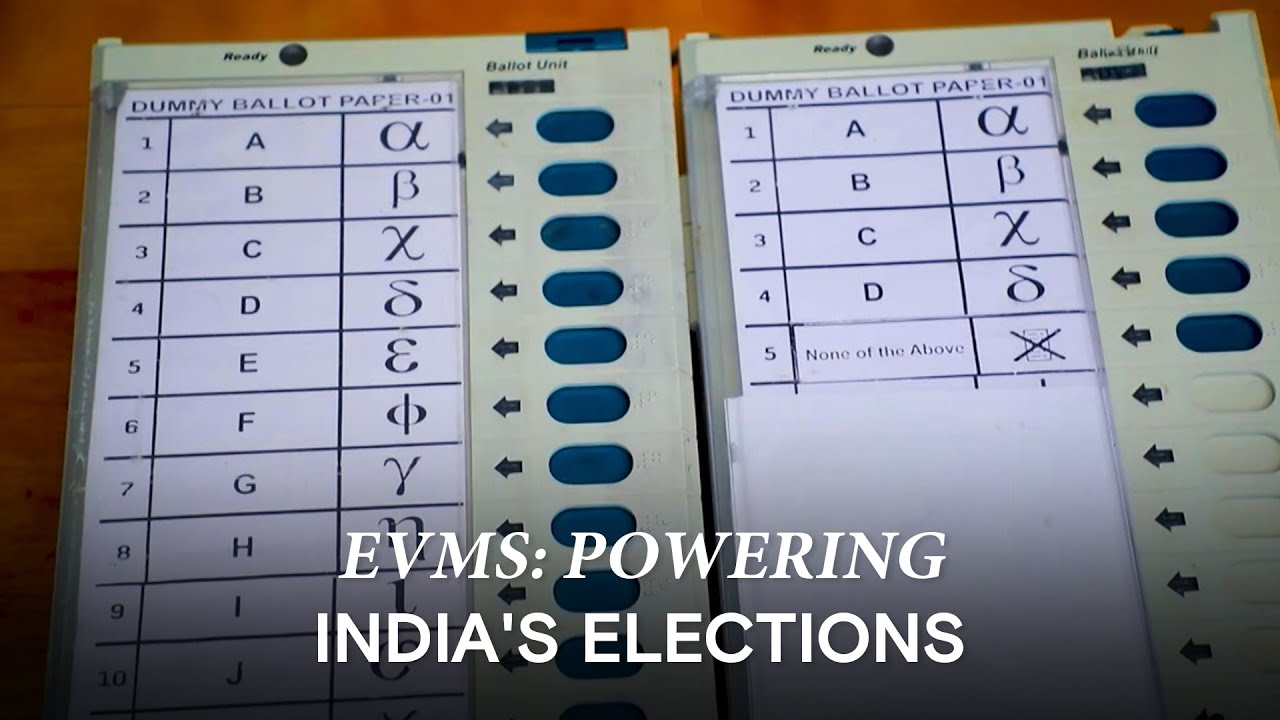
- (i) Educational posts explain voter list enrolment, Elector Photo Identity Card (EPIC) rules, finding assigned voting locations, operating an Electronic Voting Machine (EVM), and checking official booth timings.
- (ii) Joint awareness campaigns between election officers, media companies, and local citizen groups encourage people from every background to go out and vote safely.
Target Groups for Focused Voter Awareness Initiatives
Targeted message campaigns ensure that groups that are often left out get full information about their rights.
- (a) Youth voters: Reaching out to new young electors to help them build a regular habit of voting.
- (b) Vulnerable sections: Guiding citizens with low literacy or lower income levels so they understand that their single vote holds equal power.
- (c) Remote demographics: Sending simple instructions to communities living in distant hilly areas or hard-to-reach rural places.
⚡ Quick Revision Capsule: Key Election Laws for Media
This overview table summarizes the essential laws regulating media conduct during election periods in India.
| Statutory Law / Code | Core Focus Area | Key Restriction or Requirement |
|---|---|---|
| Section 126A (RPA 1951) | Exit Polls | Complete ban on conducting or publishing exit polls during the voting process until after the final phase closes. |
| Section 126 (RPA 1951) | Silence Period | No display of campaign material on TV, radio, or electronic media during the before voting ends. |
| Section 127A (RPA 1951) | Print Media | Mandatory printing of printer and publisher names on all election pamphlets and posters. |
| Section 171H (IPC) | Campaign Spending | Prohibits advertisement spending without written consent from the candidate. |
| Model Code of Conduct | Ethical Guidelines | Prevents government media abuse and ensures equal broadcasting time for political parties. |
Mandatory Responsibilities and Neutrality of Government-Owned Media
Publicly funded channels carry a major duty to stay completely neutral and balanced, providing fair information without favoring any political party.
Ensuring a Level Playing Field via Prasar Bharati
State broadcasters serve the public interest rather than whichever party holds office, giving fair airtime to all recognized contestants.
- (i) Prasar Bharati organizations, including All India Radio and Doordarshan, offer free fixed airtime slots to recognized national and state parties for equal campaign speeches.
- (ii) Public media networks broadcast voter instruction programs in multiple local languages across every state.
- (iii) Other state agencies like the Press Information Bureau (PIB) and national film departments help share clear facts without political bias.
📝 Summary
The close relationship between news organizations and elections keeps democratic voting healthy and fair across India. By following rules written in the Representation of the People Act, 1951 and the official Model Code of Conduct, reporters help citizens stay informed while keeping political candidates honest. For students, mastering these guidelines shows how media coverage helps maintain public trust, openness, and equality across the nation.
🚀 Quick Revision Points
Essential facts to review before examinations:
- (i) The Model Code of Conduct (MCC) regulates campaign practices and ensures fair media access for all recognized parties.
- (ii) Section 126 enforces a quiet window where no campaign broadcasts are allowed on electronic media.
- (iii) Section 126A completely bans publishing exit poll estimates while voting phases are actively taking place.
- (iv) Public broadcasting networks under Prasar Bharati provide balanced, non-partisan campaign time to major political groups.
- 💡 Exam Tip: When answering exam questions about voting laws, make sure to separate statutory rules (like Section 126 of RPA 1951) from moral guidelines (MCC). Remember that statutory rules carry direct criminal penalties, while MCC violations lead to administrative action by the Election Commission.
❓ Frequently Asked Questions (FAQ)
Q1: What is the main difference between an opinion poll and an exit poll?
A1: An opinion poll asks voters who they plan to vote for before election day, whereas an exit poll asks voters who they actually voted for right after they step out of the polling booth.Q2: Why is there a 48-hour silence period before voting ends?
A2: Section 126 creates a quiet window so voters can think calmly about their choices without being bombarded by last-minute media ads or political speeches.Q3: Does the Election Commission directly punish private newspapers?
A3: No, the Election Commission of India refers private print media violations to self-regulatory bodies like the Press Council of India (PCI) or reports legal infractions to police under statutory acts like RPA 1951.