The polling-day roles, observer categories, and election timeline form the practical backbone of India’s voting machinery. Every single national and state election is carefully organized so that millions of citizens can vote safely and fairly. This easy-to-understand guide explores the vital work of the Election Commission of India in managing elections, from setting voting schedules to the final constitution of the House. It provides clear and helpful facts for civil services aspirants and students of Indian polity.
🎯 In this chapter, you will understand:
- The main responsibilities and powers of the Presiding Officer inside a polling station.
- The six special types of Observers sent by the Election Commission to keep polls fair.
- The step-by-step legal timeline of an election, starting from the notification to the final result.
- How rules like the Model Code of Conduct protect the voting environment for everyone.
💡 Why this topic matters: India is the world's largest democracy. Understanding how elections are managed on the ground helps us appreciate how peaceful handovers of governmental power take place every few years.
🧠 Core Idea: The Election Commission of India uses strict ground-level rules, team appointments, special monitoring officers, and fixed legal schedules to make sure elections are totally free, honest, and peaceful.
📌 1. Introduction to Ground-Level Voting and Administration
The journey of every vote starts right inside the polling station room, where local officers work hard to protect the safety of the ballot box and electronic voting machines. This administrative setup ensures that every single election for Parliament or State Assemblies takes place with total honesty, equal rules for all parties, and smooth execution on the ground.
Foundational Local Setup: To run a smooth election day, specific government officers are appointed to take charge of each voting station and guide voters through the steps.
Systematic Monitoring: Specialized inspectors called Observers act as the direct eyes and ears of the Election Commission of India to stop cheating, illegal spending, or violence.
Legal Rules and Fixed Dates: The whole process must follow strict timing rules written in the Constitution of India, making sure power moves safely from one government to the next.
📌 2. The Presiding Officer: The Polling Station In-Charge
The Presiding Officer is the chief government official in charge of a single polling booth on voting day. They hold full authority inside that room to keep the voting area safe and running smoothly.

Duties and Appointment Authority
Think of the Presiding Officer as the director of the voting booth. They work together with team members called Polling Officers to make sure that valid and orderly polling happens without anyone causing trouble, forcing people to vote a certain way, or disrupting the line.
- (i) In most districts across Indian states, the local official called the District Election Officer (DEO) has the legal authority to choose and appoint Presiding Officers and Polling Officers.
- (ii) In Union Territories, this power to appoint polling officers is given to the Returning Officer who manages that specific area.
📌 3. Categories of Observers Appointed by the Election Commission
To make sure local political leaders or officers do not show bias toward any party, the Election Commission of India sends senior neutral officers called Observers into election areas.
General Observers: The Guardians of Neutrality
Sent in calculated numbers, General Observers keep a watch over whole voting districts during Parliamentary and Assembly elections to guarantee a free and fair conduct of the entire election.
- (i) They watch over every important step, starting from the preparation of voting machines up to the final day when votes are counted.
- (ii) Their main duty is to make sure local police and administrative staff follow every single instruction given by the Election Commission of India without taking sides.
Expenditure Observers: Monitoring Financial Integrity
Chosen from senior financial departments of the Central Government, Expenditure Observers check campaign money to stop rich candidates from buying votes or spending more cash than allowed by law.
- (i) Their main job is to track money spent on campaign rallies, posters, vehicles, and ads, while watching out for illegal gifts or cash bribes given to voters.
- (ii) They enforce strict election expenditure limits and must report any illegal money usage straight to the Central Commission.
Police Observers: Maintaining Security and Order
Keeping voters safe from threats or fighting is super important. Senior officers from the Indian Police Service (IPS) are assigned as Police Observers to manage law and order.
- (i) These police leaders are posted at district or state levels, with extra officers assigned to sensitive areas where fights might break out.
- (ii) Main Security Duties:
- (a) Directing where state police and central security forces should be stationed.
- (b) Watching over local security actions to prevent violence.
- (c) Coordinating between local police and civil officers to keep the integrity of the polls safe.
Awareness Observers: Facilitating the Voter
A modern type of official, Awareness Observers were first brought into service during the 16th Lok Sabha national elections in .
- (i) They focus on encouraging citizens to go out and vote, checking that voter assistance booths are working well in local neighborhoods.
- (ii) They check if public awareness programs are helping raise voter turnout and monitor newspapers and TV to stop illegal fake stories or paid news.
Micro Observers: The Granular Oversight
For an even closer level of checking, Micro Observers are placed inside specific polling booths that are marked as sensitive or risky.
Selection and Origin
- (i) These officers are chosen from Central Government offices or Central Public Sector Undertakings (central government companies).
- (ii) They work directly under the guidance of the main General Observers and report directly to them.
Technical Functions and Verification
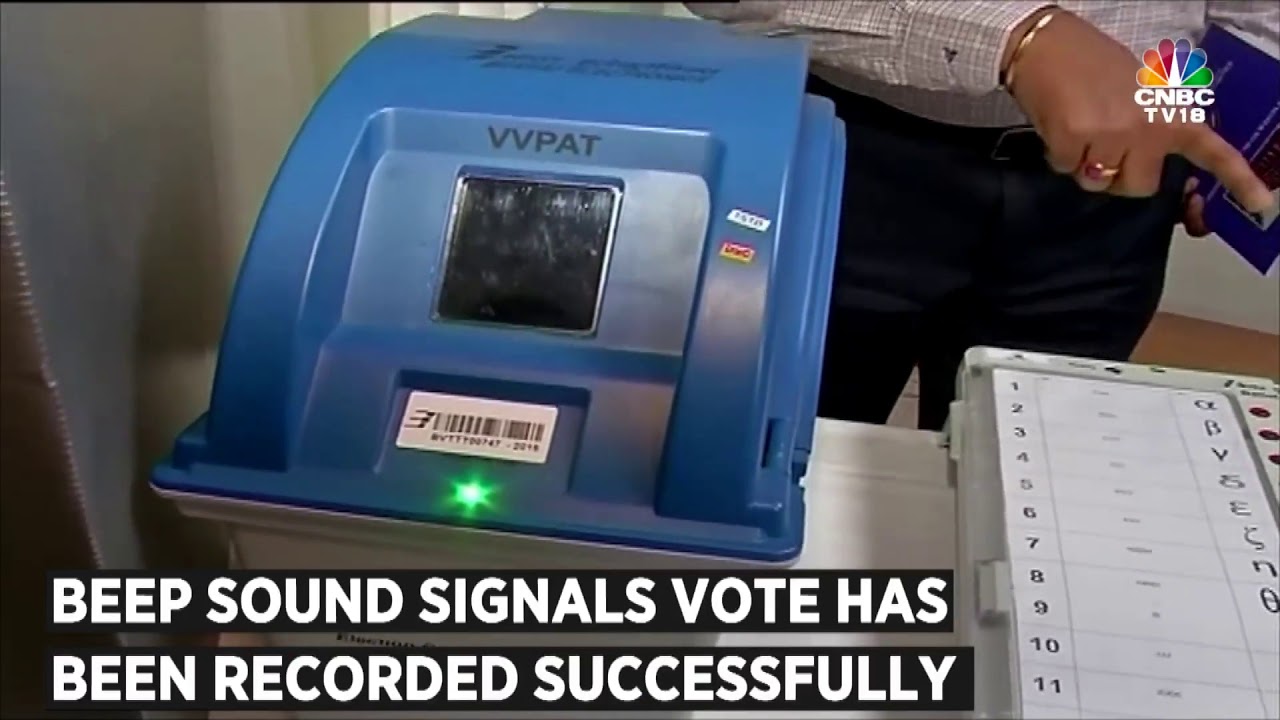
- (i) A huge part of their job is to check and verify the Ballot Mock Function/Mock Poll (BMF) before actual voting starts, proving that electronic machines are working correctly without pre-saved votes.
- (ii) They sit inside the booth all day, watching everything from the morning practice test to the final sealing of Electronic Voting Machines (EVMs) and paperwork.
- (iii) If anyone tries to cheat or break voting rules, Micro Observers immediately inform higher election leaders.
Assistant Expenditure Observers: Ground Level Audit
To help with local money checks, Assistant Expenditure Observers are placed in every individual Assembly area segment.
- (i) They make sure all big political rallies, speaker stages, and public events are recorded on video so costs can be calculated later.
- (ii) They quickly visit sites when citizens report that candidates are handing out illegal items or cash nearby.
📌 4. The Systematic Election Process — From Timing to Results
The whole election cycle in India follows a clear schedule step by step, making sure hundreds of millions of voters can vote without confusion.
Constitutional Timing and Duration
In India, elections normally happen on a predictable cycle, though special constitutional rules can sometimes change this timing.
- (i) Elections for the Lok Sabha (National Parliament) and State Legislative Assemblies take place every , unless the house is ended early.
- (ii) Under the Constitution of India, the President has the legal power to dissolve the Lok Sabha early if a government loses its majority vote and no other group can form a working government.
Scheduling, Notification, and the Code of Conduct
An official public announcement by election leaders marks the official start of the voting season.
- (i) When a government's term is almost finished, the Election Commission of India holds a big press meeting to announce the full schedule and voting dates.
- (ii) The Model Code of Conduct (MCC) turns on immediately the moment voting dates are announced, giving strict conduct rules that all political parties and leaders must follow.
- (iii) The formal legal step starts with official government Notifications, which legally call upon voters to choose their leaders.
The Candidate Journey: Nomination to Campaigning
People who want to become elected leaders must go through careful checks before they are allowed to ask citizens for votes.
- (i) After official notifications are printed, candidates submit their nomination forms, which are then carefully examined by the Returning Officer during the official check stage called Scrutiny.
- (ii) Candidates who pass the background checks are given a short time window (usually two days) if they decide to withdraw their names from the race.
- (iii) To ensure candidates can talk to voters, a campaign window of at least is allowed before voting day arrives.
Phased Polling and the Final Constitution of the House
Because India has so many voters, voting takes place over several days, but counting and results follow a unified timeline.
- (i) Voting in Phases: Because India is so big, voting is usually done in multiple phases across different calendar dates so security forces can move safely between regions.
- (ii) Counting Votes: On a fixed date, votes stored in Electronic Voting Machines are counted, and the Returning Officer in each area announces the local winner.
- (iii) Final House Setup: After counting finishes, the Election Commission of India prints a final notification with all winners' names. This completes the due constitution of the House, allowing the President (for Parliament) or Governors (for States) to invite the new leaders to start working.
⚡ Quick Revision Capsule: Key Electoral Roles and Timeline
This reference summary table breaks down the main roles, officers, and steps in India's election machinery for quick learning.
| Role / Stage | Main Authority / Official | Primary Responsibility |
|---|---|---|
| Presiding Officer | Appointed by DEO (States) / RO (UTs) | In charge of a single polling booth on voting day; conducts mock poll and seals EVMs. |
| General Observer | Senior IAS / Central Officer | Keeps overall watch on neutrality and ensures Election Commission guidelines are followed. |
| Expenditure Observer | Central Revenue / Audit Services | Tracks candidate campaign spending and stops money power or bribes. |
| Police Observer | Senior IPS Officer | Monitors security force placement and maintains peace in sensitive areas. |
| Micro Observer | Central Govt / PSU Staff | Watches specific risky booths; checks Ballot Mock Function before voting begins. |
| Model Code of Conduct | Enforced by Election Commission | Starts immediately on schedule announcement date to ensure fair competing rules. |
| Final House Setup | Notification by Election Commission | Marks the official legal constitution of the House so new sessions can begin. |
📝 Summary
The election process in India is a carefully planned system that uses local officers like the Presiding Officer and various independent Observers to guarantee a free and fair conduct. By following terms and constitutional steps outlined in the Constitution of India—from the official notification stage to the final constitution of the House—the Election Commission of India keeps democracy strong and stable. Learning this step-by-step structure is essential for students of Indian polity and competitive examination preparation.
🚀 Quick Revision Points
Essential facts to review before examinations:
- (i) The Presiding Officer oversees everything inside a single polling booth on election day.
- (ii) General, Expenditure, Police, Awareness, Micro, and Assistant Expenditure Observers act as independent eyes for the election management body.
- (iii) The Model Code of Conduct starts working the exact moment the election schedule is announced to the public.
- (iv) Candidates get at least for campaigning after nominations and withdrawals are finished.
- (v) Elections are officially complete when the Election Commission of India publishes the notification for the constitution of the House.
- 💡 Exam Tip: Remember who appoints the Presiding Officer! In states, it is the District Election Officer (DEO). In Union Territories, it is the Returning Officer (RO). This is a common trap question in polity exams!
❓ Frequently Asked Questions (FAQ)
Q1: Who appoints the Presiding Officer for a polling booth?
A1: In state constituencies, the District Election Officer (DEO) appoints the Presiding Officer. In Union Territories, the Returning Officer makes the appointment.Q2: What is the main job of a Micro Observer?
A2: Micro Observers are central government employees placed in sensitive polling stations. They inspect the Ballot Mock Function (mock poll) in the morning and ensure fair voting throughout the day.Q3: When does the Model Code of Conduct (MCC) come into force?
A3: The Model Code of Conduct comes into force immediately when the Election Commission of India announces the official election schedule during its press conference.