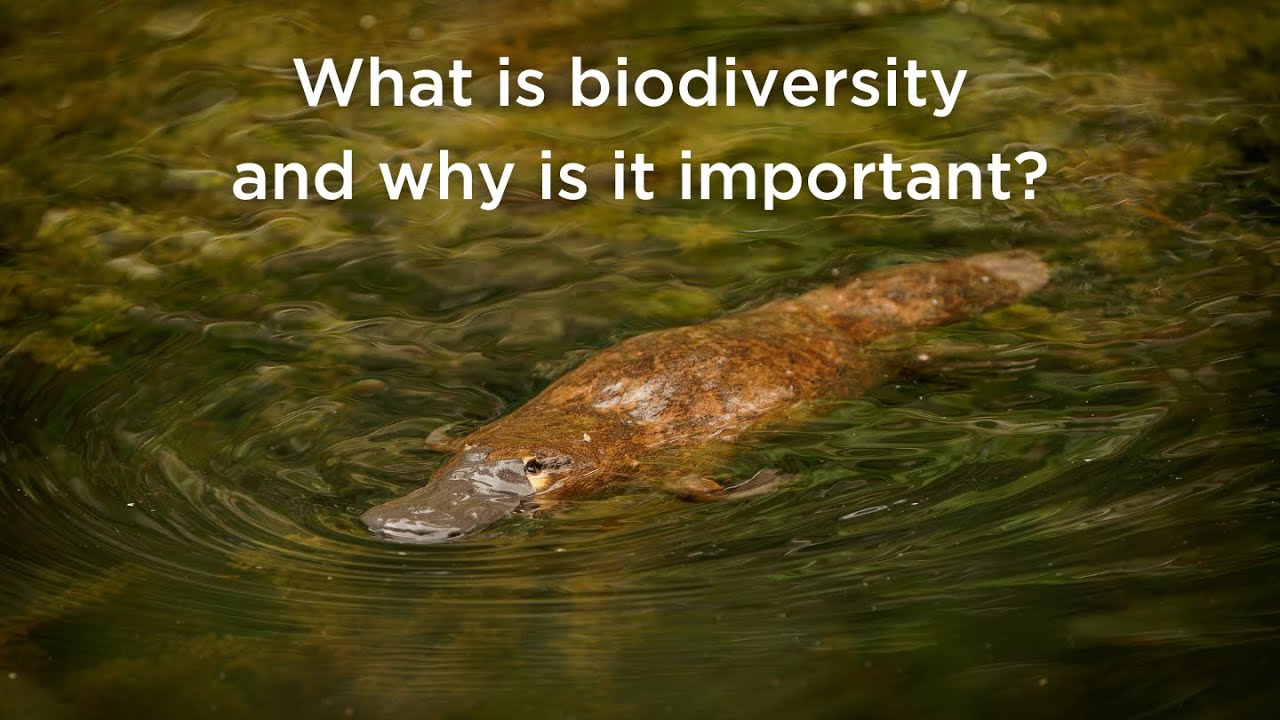
The concept of biodiversity serves as a cornerstone of environmental geography and remains indispensable for analyzing the complex interconnectedness of ecosystems. First coined in by the visionary environmentalist Raymond F. Dasmann, this framework addresses the immense variety and variability of life forms that collectively support human survival and secure our global ecological balance. Developing a thorough grasp of biodiversity's core significance, compounding threats, and strategic preservation policies is critical for students preparing for exams and researchers evaluating contemporary environmental trends.
🎯 In this chapter, you will understand:
- The academic origin, meaning, and multi-layered scope of biodiversity across biomes.
- The direct ecological and economic benefits that biological variety provides for human survival.
- The primary drivers of biodiversity loss and habitat destruction caused by human actions.
- Key conservation strategies and policy measures used to protect global natural systems.
💡 Why this topic matters: Biodiversity maintains the living infrastructure of our planet. Understanding how life forms interact enables researchers and students to address pressing issues like habitat loss, climate disruption, and environmental degradation.
🧠 Core Idea: Biodiversity spans genetic, species, and ecosystem variation. Protecting this rich diversity is vital to ensure long-term food security, climate stability, and human well-being.
Concept of Biodiversity: Definition, Significance, and Loss in Environmental Geography
A comprehensive examination of how living systems function reveals that biodiversity is directly linked to the health of the biosphere and the advancement of human welfare.
- The Structural Integrity of the Global Biosphere
Biodiversity represents the extensive variety of living organisms thriving across diverse terrestrial, aquatic, and marine ecosystems. This complex network includes everything from microscopic organisms to large flora and fauna. Studying these systems reveals how biological variety enhances ecosystem stability and resilience, ensuring that natural habitats continue to provide the essential resources necessary to sustain life on Earth.
- (i) Biodiversity includes species richness alongside critical genetic diversity within individual populations, which provides the adaptive capacity needed to survive changing environmental conditions.
- (ii) This biological variation extends across multiple biomes, driving essential ecosystem services like climate regulation, soil enrichment, and oxygen production.
- (iii) A clear scientific understanding of these systems helps environmental planners design effective conservation strategies and practical sustainable development policies.

Definition and Scope of Biodiversity
This structural dimension clarifies the precise academic definitions, historical benchmarks, and primary areas of study within the field of biodiversity.
Origin and Meaning of Biodiversity
The term ‘biological diversity’—which was later shortened to ‘biodiversity’—was originally introduced by Raymond F. Dasmann in within his seminal book “A Different Kind of Country”. Building upon this foundation, the scholar Heywood () described the concept simply as “the total variability of life on the Earth.”
- (i) The core framework measures both the total number of species present in a specific geographic zone and their underlying genetic variation.
- (ii) The study covers all forms of living matter, cataloging flora, fauna, and microorganisms across terrestrial, marine, and freshwater habitats.
- (iii) Analyzing these biological variations provides insights into ecosystem functionality and the complex species interdependence that keeps environments stable.
Scope of Biodiversity Study
Comprehensive environmental assessments consistently track three interconnected layers: species richness, genetic variability, and ecosystem diversity. Each layer is vital for monitoring ecosystem health and human well-being across the following primary environments:
- (a) Terrestrial ecosystems: Expansive forests, open grasslands, and arid deserts that contain specialized plant and animal communities.
- (b) Marine ecosystems: Highly productive coral reefs, coastal mangroves, and open oceans that support diverse aquatic life.
- (c) Freshwater ecosystems: Flowing rivers, inland lakes, and seasonal wetlands that offer high species variability and provide valuable ecological services.

Importance of Biodiversity for Human Survival
Healthy, biodiverse systems provide the essential resources and environmental safety nets that support human existence.
Ecological and Economic Benefits
Biodiversity provides the foundation for food security, industrial raw materials, and long-term environmental stability, which connects ecological health directly to economic sustainability.
- (i) Food and resources: A diverse gene pool ensures a steady supply of resilient edible plants, domestic livestock, and natural medicinal ingredients.
- (ii) Soil and air quality: Decomposing organic matter from various species enriches agricultural soils, supporting natural carbon dioxide absorption and continuous oxygen release.
- (iii) Climate regulation: Dense forests function as major carbon sinks, preventing widespread soil erosion and stabilizing local weather patterns.
- (iv) Disaster mitigation: Resilient natural structures like coastal wetlands and thick mangroves form physical buffers that reduce the destructive impact of floods and monsoonal storms.
Biodiversity and Human Welfare
Any sudden decline in regional biodiversity directly compromises human welfare, degrades vital ecosystem services, and disrupts the broader environmental balance.
- (a) Food security: A drop in native species diversity leaves crops and livestock highly vulnerable to targeted pest outbreaks and disease epidemics.
- (b) Health and medicine: The rapid loss of rare medicinal plants restricts pharmaceutical breakthroughs and undermines traditional healthcare practices.
- (c) Environmental stability: Fragmented habitats lower an ecosystem's natural resilience, increasing the frequency and severity of climate extremes and natural disasters.

Understanding Biodiversity Loss and Its Causes
Unsustainable human activities are accelerating the destruction of global habitats, reducing the biosphere's capacity to support future generations.
Definition and Impact of Biodiversity Loss
The term biodiversity loss refers to the permanent extinction of species within specific habitats, which leads directly to the breakdown of the surrounding ecological balance.
- (i) Severe loss occurs when local species disappear much faster than their natural reproductive rates, which can trigger an irreversible ecosystem collapse.
- (ii) These extinctions harm both flora and fauna, causing a sharp drop in overall species richness and biological abundance.
- (iii) The resulting ecological damage weakens the environment's defense against natural disasters and reduces the reliability of essential ecosystem services.
Major Causes of Biodiversity Loss
Modern industrial and urban development generates intense pressures that accelerate the decline of vulnerable species:
- (a) Deforestation: Clearing massive tracts of native forest to secure land for commercial agriculture, timber production, and urban sprawl.
- (b) Pollution: Releasing toxic chemical contaminants into the air, water systems, and soils, which damages species health.
- (c) Urbanization and infrastructure expansion: Replacing complex natural habitats with concrete residential spaces, highways, and industrial hubs.
- (d) Over-exploitation: Driving wildlife and marine populations down through unsustainable hunting, commercial overfishing, and aggressive resource extraction.
- (e) Coastal development: Draining fragile wetlands and clearing mangrove structures to build commercial projects, which compromises marine nurseries.
Biodiversity Conservation Efforts
Although modern extinction rates remain high, organized community action and strategic preservation policies offer viable pathways to recover degraded biomes.
- (i) Protected areas: Establishing secure national parks, strict wildlife sanctuaries, and biosphere reserves keeps sensitive species safe in their natural habitats.
- (ii) Afforestation and habitat restoration: Launching structured tree-planting campaigns and restoring damaged wetlands helps rebuild native species populations.
- (iii) Policy measures: Enforcing strict national environmental laws and participating in international treaties encourages the sustainable management of global natural resources.
⚡ Quick Revision Capsule: Biodiversity Core Framework
This reference matrix highlights key historical benchmarks, primary domains, key threats, and mitigation strategies essential for academic study.
| Domain / Area | Key Elements & Definition | Ecological Significance |
|---|---|---|
| Origin & Terminology | Coined by Raymond F. Dasmann () in “A Different Kind of Country”; defined by Heywood (). | Established biological variety as a critical metric in environmental geography. |
| Three Levels of Study | Includes genetic diversity, species richness, and ecosystem diversity. | Ensures adaptive survival capacity, population health, and habitat stability across biomes. |
| Ecological & Human Services | Encompasses climate regulation, soil fertility, oxygen output, and disaster defense. | Protects food security, medicine sources, clean water, and coastal infrastructure. |
| Primary Human Threats | Deforestation, toxic pollution, habitat fragmentation, and commercial over-exploitation. | Accelerates extinction rates, breaks ecological links, and risks systemic ecosystem collapse. |
| Conservation Pathways | Protected biomes, targeted afforestation, wetland revival, and environmental legislation. | Restores damaged habitats and promotes sustainable long-term resource stewardship. |
📝 Summary
In summary, biodiversity represents the complete variety of life forms that are essential for maintaining ecosystem stability and ensuring long-term human survival. From the formal establishment of the concept in to current challenges like deforestation, urbanization, and pollution, analyzing these ecological relationships is essential for students and researchers working in environmental geography. Actively implementing science-based conservation strategies remains critical for protecting the global ecological balance and safeguarding our shared future.
🚀 Quick Revision Points
Essential facts to review before examinations:
- (i) The term 'biodiversity' was coined by Raymond F. Dasmann in to define the total variability of life on Earth.
- (ii) The discipline operates across three distinct, interconnected levels: genetic variation, species richness, and ecosystem diversity.
- (iii) Healthy ecosystems provide indispensable survival benefits, including food security, climate regulation, and natural disaster mitigation.
- (iv) The primary drivers of modern species decline include deforestation, widespread pollution, over-exploitation, and urban growth.
- (v) Mainstream mitigation strategies focus on expanding protected areas, pursuing habitat restoration, and enacting global environmental treaties.
- 💡 Exam Tip: Pay close attention to the distinction between genetic, species, and ecosystem diversity. Questions often ask students to evaluate how specific human activities, such as coastal development or deforestation, impact each of these three levels differently.
❓ Frequently Asked Questions (FAQ)
Q1: Who originally coined the term biodiversity and how was it defined?
A1: The term was first introduced by conservationist Raymond F. Dasmann in in his book “A Different Kind of Country”. It was later described by Heywood () as the total variability of life on Earth.Q2: What are the three primary levels analyzed within biodiversity studies?
A2: The three essential levels are genetic diversity (variation within a single species), species diversity (the variety of species in a region), and ecosystem diversity (the mix of distinct habitats and communities).Q3: How do natural ecosystems help mitigate environmental disasters?
A3: Complex ecosystems like coastal wetlands and mangroves act as physical shock absorbers that reduce the energy of floodwaters and severe storms, protecting nearby human settlements.