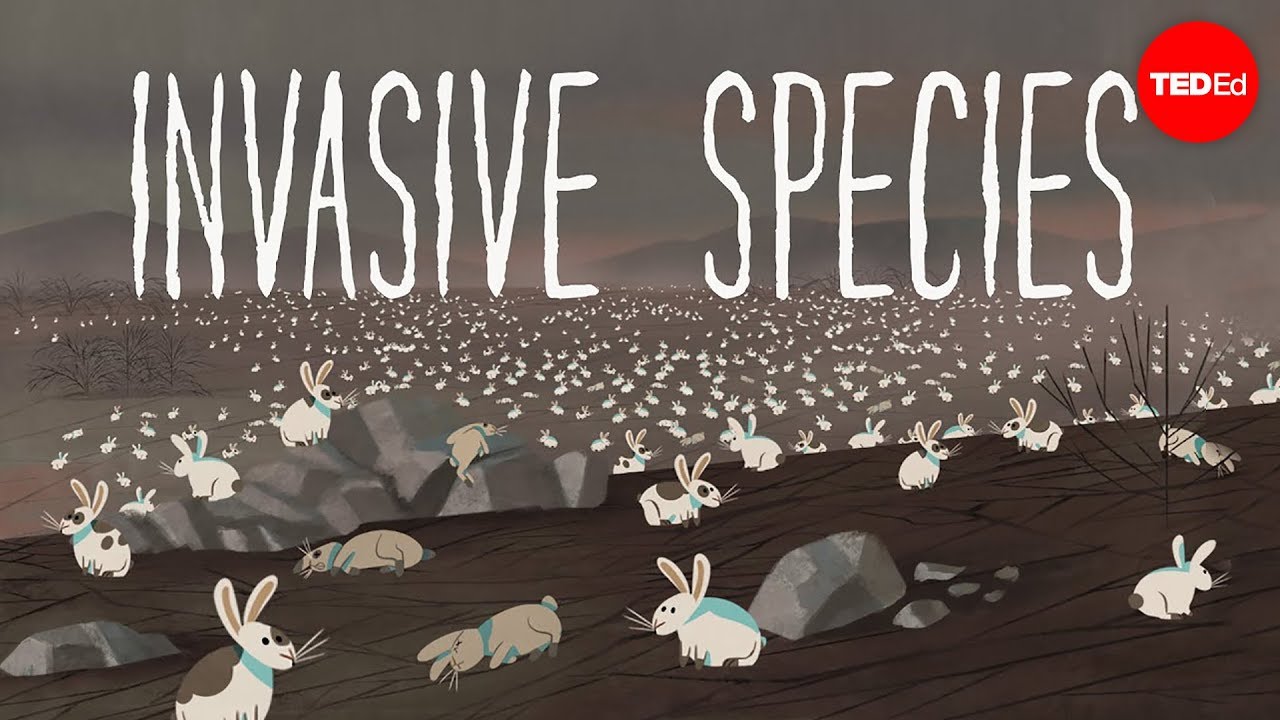
The growing harm from invasive species and heavy human activity on global biodiversity is now a major concern in environmental geography. Severe forest fires in countries like India and Australia, along with large volcanic eruptions in the USA, show how human choices and extreme natural events break down native ecosystems. Learning about biodiversity loss, what causes it, and its money-related impacts is essential for students studying environmental science and geography.
🎯 In this chapter, you will understand:
- How foreign plants and animals disrupt native natural spaces.
- The damage caused by intense forest fires to global habitats.
- The sudden breakdown of nature during volcanic eruptions.
- The economic and financial loss caused by declining biodiversity.
💡 Why this topic matters: Protecting natural habitats keeps our air clean, water fresh, and economies stable for the future.
🧠 Core Idea: Both human actions and extreme natural events harm local wildlife and plant life, causing environmental instability and financial loss worldwide.
Invasive Species and Human Impact on Biodiversity: Ecological and Economic Effects
Human activities and extreme natural events strongly harm ecosystems around the world, leading to nature imbalances and high economic costs.
Bringing foreign species into new lands, uncontrolled forest fires, and sudden volcanic eruptions are the top causes of plant and animal loss today. These problems harm native species and destroy the natural support systems that human societies rely on every day.
- (i) Invasive Species: Foreign species moved outside their natural lands often take food and space from native animals, hunt them, or spread new illnesses.
- (ii) Habitat Alteration: Large forest fires and cutting down trees permanently change local environments, forcing animals to move and causing their numbers to drop quickly.
- (iii) Natural Disasters: Volcanic eruptions can instantly wipe out whole natural areas, leaving long-lasting damage on regional life.
Effects of Invasive Species on Native Ecosystems
Invasive species steadily ruin the delicate balance of local environments, often leading to the permanent loss of native plants and animals.

Exotic Species Introduction and Ecological Imbalance
Exotic species brought in on purpose through business trade or by mistake through global travel can alter native environmental systems. Lands that lack natural local predators face the highest risk, letting these new organisms multiply without control.
- (i) Resource Competition: Native animals struggle to find food and space because foreign species consume resources aggressively.
- (ii) Predation: Dangerous non-native hunters, such as the Burmese python in the Florida Everglades, quickly lower the numbers of local mammals and birds.
- (iii) Genetic Disruption: Breeding between foreign and local species weakens the original genetic strength of native wildlife.
- (iv) Disease Spread: Non-native creatures carry new germs, spreading sicknesses to local wildlife that have no natural protection against them.
Forest Fires and Ecosystem Loss
Forest fires, made worse by changing global weather patterns, damage sensitive plant and animal life, leading to severe habitat loss and fast decline in living species.

Major Forest Fire Incidents and Ecological Impact
Wildfires are happening more often in warm and mild weather zones, causing animals to lose their homes and destroying large forest areas.
⚡ Quick Revision Capsule: Forest Fire Incidents
This capsule outlines major historical wildfire events along with their environmental consequences on local ecosystems:
| Historical Fire Incident | Primary Ecological & Environmental Consequence |
|---|---|
| Russian Wildfires | Increased carbon dioxide levels in the air, changed water temperatures, and ruined critical river grounds where salmon lay eggs. |
| Australian Bushfires | Burned vast areas of old forest, killed millions of native animals, and created environmental concerns globally. |
| India’s Fire Season | More than 30,000 forest fires occurred, including a massive fire at the Bandipur Tiger Reserve that damaged sensitive local ecosystems. |
Volcanic Eruptions and Biodiversity Collapse
Volcanic eruptions cause immediate physical damage, wiping out whole plant and animal communities in nearby areas.

Historic Volcanic Eruptions and Environmental Consequences
Volcanoes throw out poisonous gases, heavy ash, and hot melted rock, causing complete destruction to surrounding land and water bodies.
- (i) Mount St. Helens (): This huge eruption instantly killed about 1,500 elk, 5,000 deer, and nearly 12 million salmon, while heavily damaging nearby farms downwind.
- (ii) Agricultural Losses: Important regional crops, including wheat, apples, and alfalfa, were buried under ash layers, harming local farming businesses.
- (iii) Long-Term Recovery: Damaged natural habitats took decades to grow back, showing how deep and long-lasting volcanic destruction can be.
Economic and Recreational Impact of Biodiversity Decline
Loss of plant and animal species directly hurts commercial forest industries and lowers earnings from nature tourism, causing global financial loss.

Impact on Commercial Industries
The worldwide production of wood, natural rubber, and other forest goods relies on rich, healthy forests. Losing species harms supply chains and manufacturing stability.
- (i) Southeast Asian Economies: Countries like Malaysia depend heavily on forest resources to support national income and job growth.
- (ii) Supply Chain Instability: Damaged forest land limits raw material supplies, directly reducing business profits and factory jobs around the world.
Decline in Ecotourism and Recreational Benefits
Nature travel businesses rely entirely on healthy wildlife and clean natural sites. The decay of popular outdoor spots lowers travel income and limits chances for environmental learning.
- (i) The Great Barrier Reef: Adds about 6 billion dollars each year to the Australian economy; current coral damage puts thousands of coastal tourism jobs at risk.
- (ii) Wildlife Sanctuaries: Famous bird reserves and protected forests draw millions of global travelers; their damage hurts local income and lowers conservation interest.
Global Sustainability Threatened by Biodiversity Loss
The total effect of global biodiversity loss weakens Earth's ecological stability and slows long-term human development.
Importance of Biodiversity for Human Survival
Protecting wild species and habitats is essential to maintain strong nature systems, secure daily natural resources, and support future human life.
- (i) Resource Security: Rich natural systems keep soil fertile, filter fresh water, and enable insects to pollinate farm crops naturally.
- (ii) Climate Regulation: Stable, healthy natural environments store carbon safely, keeping global weather patterns balanced and reducing severe storm impacts.
- (iii) Academic Relevance: Understanding these connections gives students the core analytical skills needed to succeed in geography and environmental studies exams.
📝 Summary
Invasive plant and animal species, intense wildfires, and volcanic eruptions work together to disturb nature and harm ecosystem stability. Major past events like the Mount St. Helens eruption and the bushfires in Australia show how environmental damage creates large economic losses. Learning about these connections helps students, researchers, and planners build better protection plans for nature and support worldwide sustainability.
🚀 Quick Revision Points for Students
Essential facts to review before examinations:
- (i) Invasive species multiply quickly without local natural predators, taking food from local wildlife and spreading new sicknesses.
- (ii) Changing climate patterns make forest fires worse, as seen in the fires in Australia and India's Bandipur Tiger Reserve.
- (iii) Extreme natural events like the Mount St. Helens volcano cause instant environmental collapse, harming local farms for years.
- (iv) Species loss leads to huge financial hits, hurting timber supplies and damaging major tourism assets like Australia's Great Barrier Reef.
- 💡 Exam Tip: Focus on how ecological damage connects directly to financial losses in industries like timber, rubber, and ecotourism.
❓ Frequently Asked Questions (FAQ)
Q1: Why do exotic species cause such massive ecological imbalances when introduced to new areas?
A1: Foreign species often move into areas that have no local predators to hunt them. This allows them to multiply fast, take food and nesting spots from native animals, and spread new diseases that local wildlife cannot fight off.Q2: How do forest fires impact aquatic ecosystems like salmon populations?
A2: Hot forest fires, like the Russian fires, burn away plants along riverbanks. Soil then washes into rivers, water temperatures rise, ash blocks streams, and river grounds where salmon lay eggs get ruined.Q3: What makes biodiversity critical for long-term human economic survival?
A3: Rich plant and animal life supports human businesses. It provides raw materials for timber, rubber, and medicine industries, fuels nature tourism, and keeps basic planetary functions working like crop pollination and water cleaning.