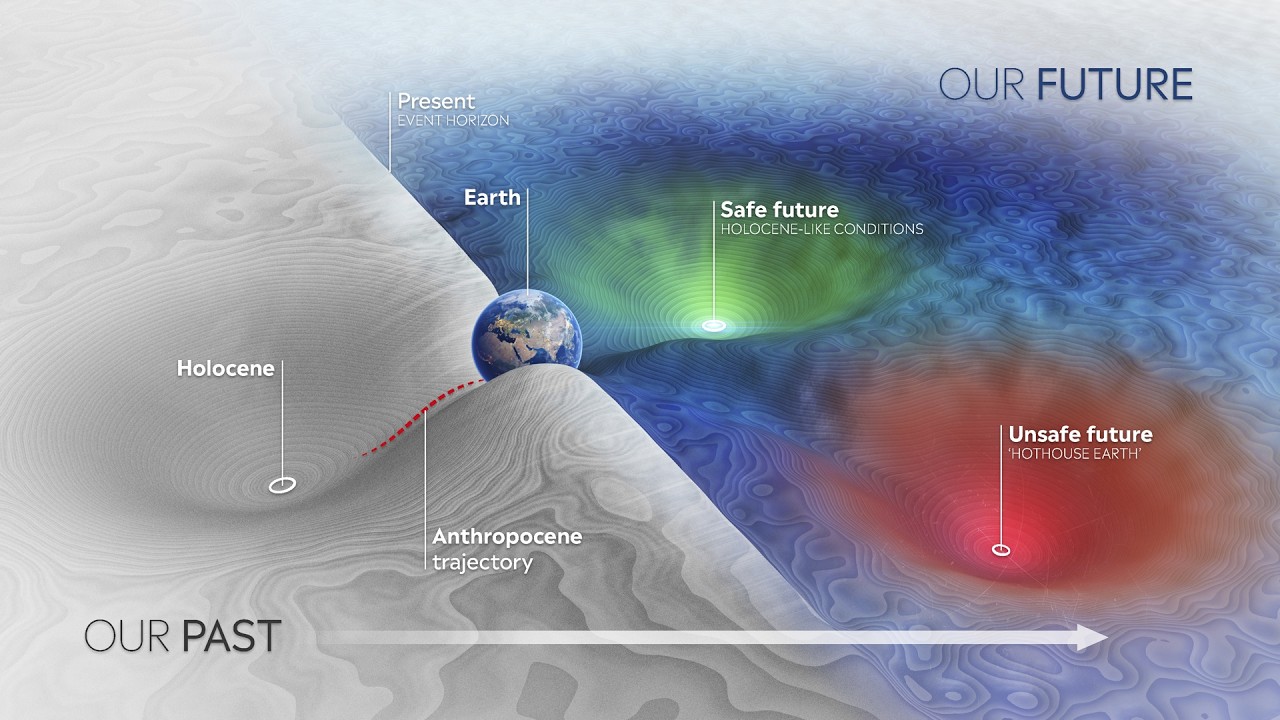
Human activities have driven shifts in global weather patterns since the pre-industrial era, making climate change one of the most critical environmental challenges today.
🎯 In this chapter, you will understand:
- The fundamental definition and drivers of global climate shifts.
- Primary human and natural factors influencing atmospheric heating.
- Widespread impacts of global warming on ecosystems and human society.
- Key strategies for mitigating emissions and transitioning to clean energy.
💡 Why this topic matters: Accelerating global warming threatens ecosystems, rising sea levels threaten coastal communities, and extreme weather impacts global food security and public health.
🧠 Core Idea: Burning fossil fuels releases greenhouse gases that trap heat in the atmosphere, creating long-term weather changes that require immediate mitigation through renewable energy and sustainability practices.
What is Climate Change?
Climate change refers to long-term shifts in temperatures and weather patterns, primarily caused by human activities such as the burning of fossil fuels. While climate naturally changes over time, current trends—especially global warming—are occurring at an accelerated rate due to increased greenhouse gas emissions.

Causes of Climate Change
Human activities release heat-trapping gases into the atmosphere, accelerating the natural warming cycle of the planet through several primary channels:
- (i) Burning of Fossil Fuels: Combustion of coal, oil, and natural gas releases carbon dioxide (CO2), the primary greenhouse gas driving global warming.
- (ii) Deforestation: Reduces the planet’s ability to absorb CO2, accelerating atmospheric carbon buildup.
- (iii) Industrial Emissions: Release CO2, methane (CH4), nitrous oxide (N2O), and fluorinated gases.
- (iv) Agriculture: Produces methane from livestock and rice paddies, and nitrous oxide from fertilizer use.
- (v) Waste: Decomposing organic waste in landfills emits methane.
Factors Affecting Climate Change
Both natural phenomena and human-induced land modifications influence how heat is absorbed, reflected, and distributed across the planet.
- Greenhouse Gas Concentration: Higher levels of CO2, CH4, and N2O trap more heat in the atmosphere.
- Solar Radiation Variability: Changes in the sun’s energy output can slightly influence Earth’s climate.
- Volcanic Eruptions: Inject aerosols into the stratosphere, reflecting sunlight and temporarily cooling Earth.
- Land Use Changes: Urbanization and agriculture alter surface reflectivity (albedo) and water cycles.
- Ocean Currents: Distribute heat globally; disruptions (e.g., El Niño) impact global climate patterns.
Impacts of Climate Change
Rising atmospheric temperatures lead to severe environmental and socio-economic consequences across the globe.
- Rising Global Temperatures: Earth's surface has warmed ~1.1°C since pre-industrial times.
Mitigation Strategies
Addressing climate change requires targeted actions to limit greenhouse gas emissions and enhance natural carbon sinks:

Key Mitigation Strategies for Global Warming - Sea Level Rise: Caused by melting glaciers and thermal expansion of seawater.
- Extreme Weather: Increases in heatwaves, floods, hurricanes, and droughts.
- Ecosystem Disruption: Loss of biodiversity, coral bleaching, and altered migration patterns.
- Human Health and Livelihood: Climate-linked disease spread, food insecurity, and displacement.
- Transition to Renewable Energy: Use of solar, wind, hydro, and geothermal energy.
- Energy Efficiency: Improved appliances, vehicles, and buildings reduce emissions.
- Afforestation and Reforestation: Planting trees to absorb CO2.
- Carbon Pricing: Taxes or cap-and-trade systems to limit emissions.
- Sustainable Transport and Agriculture: Reducing dependency on fossil fuels and promoting climate-smart farming.
⚡ Quick Revision Capsule: Climate Change Essentials
A structured overview comparing key elements, causes, impacts, and solutions in global climate studies.
| Aspect | Primary Factors / Causes | Observed / Target Impact |
|---|---|---|
| Primary Greenhouse Gas | Combustion of coal, oil, and gas (CO2) | Drives long-term atmospheric warming |
| Agricultural Drivers | Livestock farming and rice paddies (CH4) | High short-term heat trapping potential |
| Natural Cooling Factor | Volcanic aerosol injection into the stratosphere | Reflects sunlight, causing temporary cooling |
| Global Surface Temperature | Accelerated industrial emissions | Warmed ~1.1°C since pre-industrial times |
| Mitigation Focus | Solar, wind, hydro, and geothermal energy transition | Reduces reliance on fossil fuels |
📝 Summary
Climate change driven by human actions has caused Earth's surface temperature to rise by approximately 1.1°C since pre-industrial times, triggering weather extremes, rising sea levels, and ecological shifts that demand rapid mitigation.
🚀 Quick Revision Points
Essential facts to review before examinations:
- (i) Climate change is mainly driven by human activities like burning fossil fuels.
- (ii) Earth's surface temperature has already increased by ~1.1°C compared to pre-industrial levels.
- (iii) Methane (CH4) is heavily produced by agriculture and landfill waste.
- (iv) Renewable energy adoption and afforestation are critical mitigation measures.
- 💡 Exam Tip: Differentiate clearly between primary greenhouse gases (CO2, CH4, N2O) and their specific sources (fossil fuels vs. agriculture/landfills) in descriptive questions.
❓ Frequently Asked Questions (FAQ)
Q1: What is the main cause of modern climate change?
A1: The primary cause is human activity, specifically burning fossil fuels like coal, oil, and gas, which releases heat-trapping greenhouse gases into the atmosphere.Q2: How do natural factors influence climate compared to human activities?
A2: Natural factors like volcanic eruptions and solar radiation changes can cause temporary cooling or slight shifts, but human emissions of CO2 and CH4 are driving rapid, sustained global warming.Q3: What are the effective ways to mitigate global climate change?
A3: Key solutions include shifting to renewable energy (solar, wind), improving energy efficiency, planting trees (afforestation), and enforcing carbon pricing.