Environmental Conservation and Management is one of the most crucial topics in environmental geography, focusing on the meaning, scope, assessment, and management strategies for natural resources. With growing industrialization, population pressure, and rapid technological advancements, the importance of resource conservation and sustainable management has increased manifold. For students and competitive exam preparation, this topic provides a holistic understanding of ecosystem balance, global environmental challenges, and mitigation strategies.
🎯 In this chapter, you will understand:
- The fundamental meaning and core scope of environmental conservation.
- Primary causes of resource depletion and principles of sustainable management.
- Essential structural components of an Environmental Management Plan (EMP).
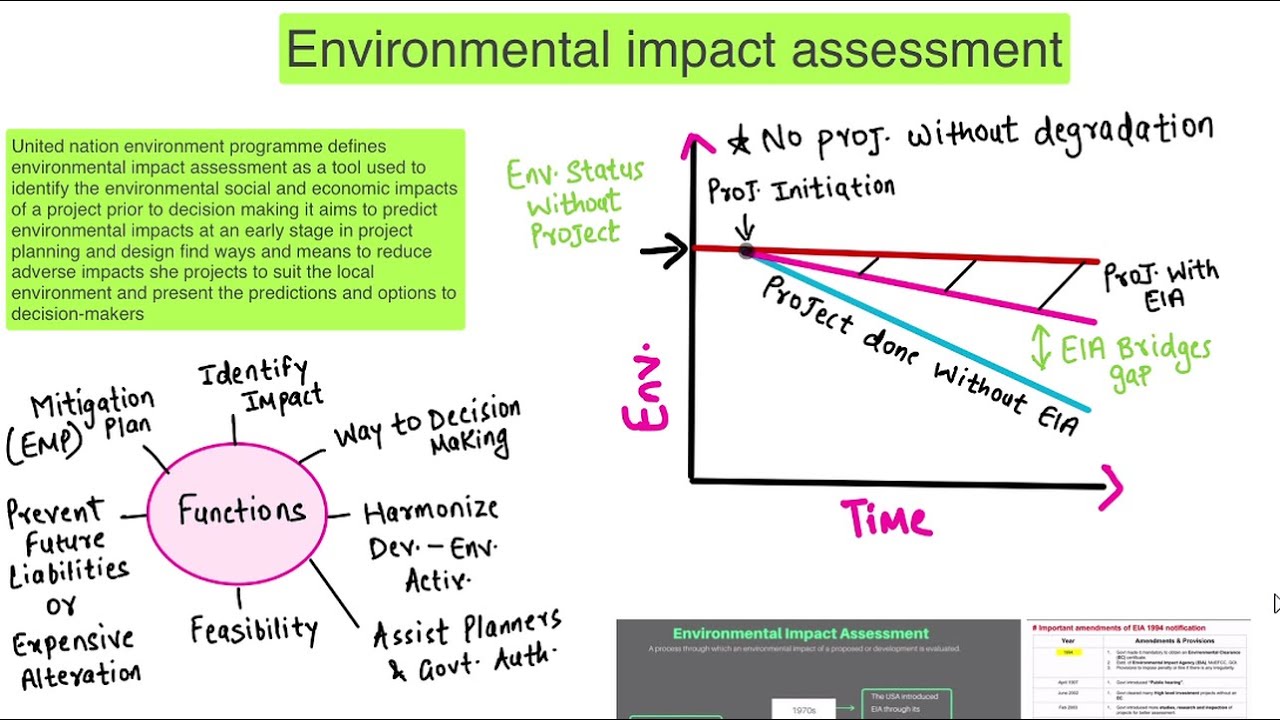
- The crucial role and process of Environmental Impact Assessment (EIA).
💡 Why this topic matters: Unregulated development and population stress deplete vital non-renewable resources, making structured environmental management necessary for planetary survival.
🧠 Core Idea: Environmental management blends scientific, legal, and economic tools to balance human growth with nature's protection.
Meaning, Scope, and Assessment of Environmental Conservation and Management in Environmental Geography
The concept of environmental conservation revolves around ensuring optimum utilization of scarce resources while minimizing degradation of the ecosystem. Overexploitation of coal, petroleum, minerals, and forests has disturbed ecological balance, highlighting the urgency for conservation initiatives and sustainable practices.
- (i) Rapid technological growth and industrial development have caused immense pressure on non-renewable resources.
- (ii) Population pressure and unregulated development have accelerated resource depletion.
- (iii) Non-renewable resources like coal and petroleum require millions of years to form, hence urgent conservation is essential.
- (iv) Strategies like Reduce, Reuse, and Recycle form the backbone of sustainable conservation methods.
- (v) Over the past , growing concerns such as climate change, global warming, and ecosystem degradation have become critical.
Meaning of Environmental Conservation and Management
Environmental conservation signifies the planned use, protection, and regeneration of natural resources, ensuring that the environment remains productive and balanced for future generations.

Causes of Resource Depletion and Environmental Stress
The depletion of resources is linked to human overexploitation, lack of sustainable policies, and environmental negligence.
- (i) Overpopulation leading to excessive consumption of resources.
- (ii) Unplanned urbanization resulting in degradation of land, water, and air.
- (iii) Industrial exploitation of minerals, forests, and fossil fuels.
- (iv) Climate change induced stress on ecosystems.
Principles of Environmental Conservation
Conservation focuses on wise management and scientific approaches for maintaining ecological sustainability.
- (a) Optimum utilization of natural resources without exploitation.
- (b) Application of the 3R Principles—Reduce, Reuse, Recycle.
- (c) Scientific management through laws, policies, and awareness.
Key Elements of an Environmental Management Plan
An Environmental Management Plan (EMP) acts as a blueprint for minimizing environmental damage while promoting sustainable development.
Institutional and Administrative Setup
Strong institutions are essential for enforcing environmental responsibilities and regulatory norms.
- (i) Government frameworks for environmental regulation.
- (ii) Dedicated environmental cells in organizations.
- (iii) Clear responsibility hierarchies and accountability.
Collaborative Arrangements
Coordination across multiple organizations ensures effective plan execution.
- (a) Partnership with government agencies.
- (b) Public-private collaborations for monitoring.
- (c) Community involvement in environmental initiatives.
Self-Monitoring and Environmental Audits
Monitoring systems are integral to measure progress and rectify gaps.
- (i) Self-assessment tools to track compliance.
- (ii) Audits for evaluating mitigation strategies.
- (iii) Protocols for measuring environmental impact.
Scope and Assessment of Environmental Conservation
Environmental conservation integrates science, technology, economics, and social studies, making it an interdisciplinary discipline with wide-ranging scope.
Controlling Environmental Pollution
Effective pollution control is the foundation of environmental conservation.
- (i) Air pollution monitoring and regulation.
- (ii) Water conservation and wastewater treatment.
- (iii) Soil management through scientific methods.
Disaster and Hazard Management
Natural and human-induced hazards demand preparedness and mitigation strategies.
Disaster Preparedness and Hazard Risk Reduction - (a) Earthquake and flood management.
- (b) Drought mitigation through conservation of water.
- (c) Extreme event preparedness to reduce human and ecological loss.
Ecosystem and Habitat Conservation
Protecting biodiversity and natural habitats is critical for ecological stability.
- (i) Flora and fauna conservation through sanctuaries and reserves.
- (ii) Sustainable forestry and afforestation projects.
- (iii) Marine and wetland conservation programs.
Functions of Environmental Management
Environmental management integrates ecological priorities into policy frameworks, business strategies, and development projects.
Goal Setting and Monitoring
Establishing measurable goals and continuously monitoring outcomes is central to environmental management.
- (i) Setting realistic targets for emission reduction.
- (ii) Regular monitoring of environmental indicators.
- (iii) Using data-driven analysis for improvements.
Communication and Information Systems
Efficient communication is vital for policy execution and public participation.
- (a) Awareness campaigns for conservation.
- (b) Use of ICT tools for monitoring and reporting.
- (c) Sharing of research and best practices.
Environmental Impact Assessment (EIA)
EIA is a powerful tool for evaluating adverse environmental effects of development projects and ensuring mitigation measures are implemented.
- (i) Baseline studies before project implementation.
- (ii) Impact prediction on air, water, and biodiversity.
- (iii) Mitigation planning to reduce ecological risks.
⚡ Quick Revision Capsule: Environmental Management Core Components
A structured breakdown of core concepts, implementation mechanisms, and key objective areas in environmental geography.
| Core Focus Area | Primary Strategy / Instrument | Key Objective |
|---|---|---|
| Resource Conservation | Application of 3R Principles (Reduce, Reuse, Recycle) | Prevent depletion of non-renewable resources like coal and petroleum |
| Environmental Management Plan | EMP Frameworks and internal responsibility cells | Enforce regulatory compliance and organizational accountability |
| Pollution & Hazard Control | Monitoring networks and disaster risk protocols | Mitigate risks from air, water, soil pollution and severe natural events |
| Ecosystem Protection | Wildlife sanctuaries, reserves, and afforestation | Preserve regional biodiversity and delicate habitat balance |
| Impact Assessment | EIA baseline studies and predictions | Identify potential ecological risks before executing development projects |
📝 Summary
Environmental conservation and management highlight the urgent need to balance development and sustainability. Over the past , issues such as climate change, pollution, and biodiversity loss have become critical global challenges. For students, mastering this topic is essential for understanding core concepts in environmental geography, excelling in competitive examinations, and promoting sustainable environmental practices for the future.
🚀 Quick Revision Points
Essential facts to review before examinations:
- (i) Environmental conservation aims for optimum, sustainable resource utilization without ecosystem degradation.
- (ii) Rapid industrialization and population pressure accelerate the depletion of non-renewable fossil fuels.
- (iii) An EMP provides the administrative structure, monitoring tools, and auditing methods required to minimize impact.
- (iv) EIA is mandatory prior to major project launches to predict and prevent ecological harm.
- 💡 Exam Tip: Focus on understanding the sequential steps of Environmental Impact Assessment (EIA) and how the 3R principles apply to non-renewable resource management; these are frequently asked in competitive exams.
❓ Frequently Asked Questions (FAQ)
Q1: What is the main objective of environmental conservation?
A1: The primary objective is to protect, manage, and wisely use natural resources so that ecosystems remain healthy and productive for future generations.Q2: What role does an Environmental Management Plan (EMP) play?
A2: An EMP serves as an operational roadmap that sets organizational responsibilities, defines monitoring standards, and implements audits to keep environmental damage to a minimum.Q3: Why is Environmental Impact Assessment (EIA) critical for new projects?
A3: EIA evaluates the potential environmental consequences of a proposed project before it begins, allowing planners to design strategies that prevent or reduce environmental damage.