Gaseous cycles represent vital natural mechanisms where the primary storage reservoir exists in the atmosphere or the hydrosphere. Key global pathways include the water cycle, carbon cycle, nitrogen cycle, and the methane cycle.
🎯 In this chapter, you will understand:
- The five primary stages of the atmospheric carbon cycle.
- How nitrogen fixation transforms inert gas into plant nutrients.
- The step-by-step soil nitrification pathway.
- Natural and human sources of methane and how sinks clear it from the air.
💡 Why this topic matters: Gaseous biogeochemical cycles regulate global climate, soil fertility, and life-supporting elements across the planet.
🧠 Core Idea: Key elements like carbon, nitrogen, and methane continuously move between living organisms, oceans, soil, and the air.
Carbon Cycle (Gaseous Cycle): The Role of Carbon in the Atmosphere and Ecosystems
In gaseous cycles, the natural reservoir is mainly found in the air or water systems — such as the water cycle, carbon cycle, nitrogen cycle, and methane cycle.
Steps in the Carbon Cycle and Their Environmental Impact
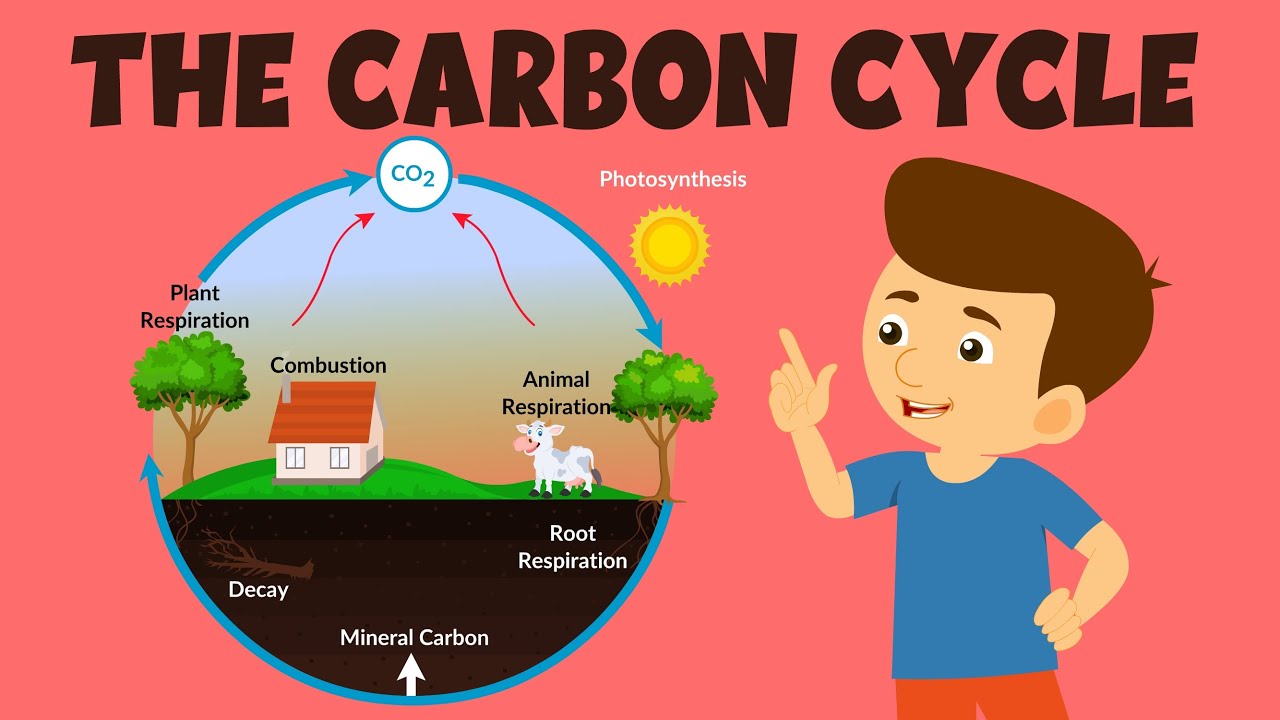
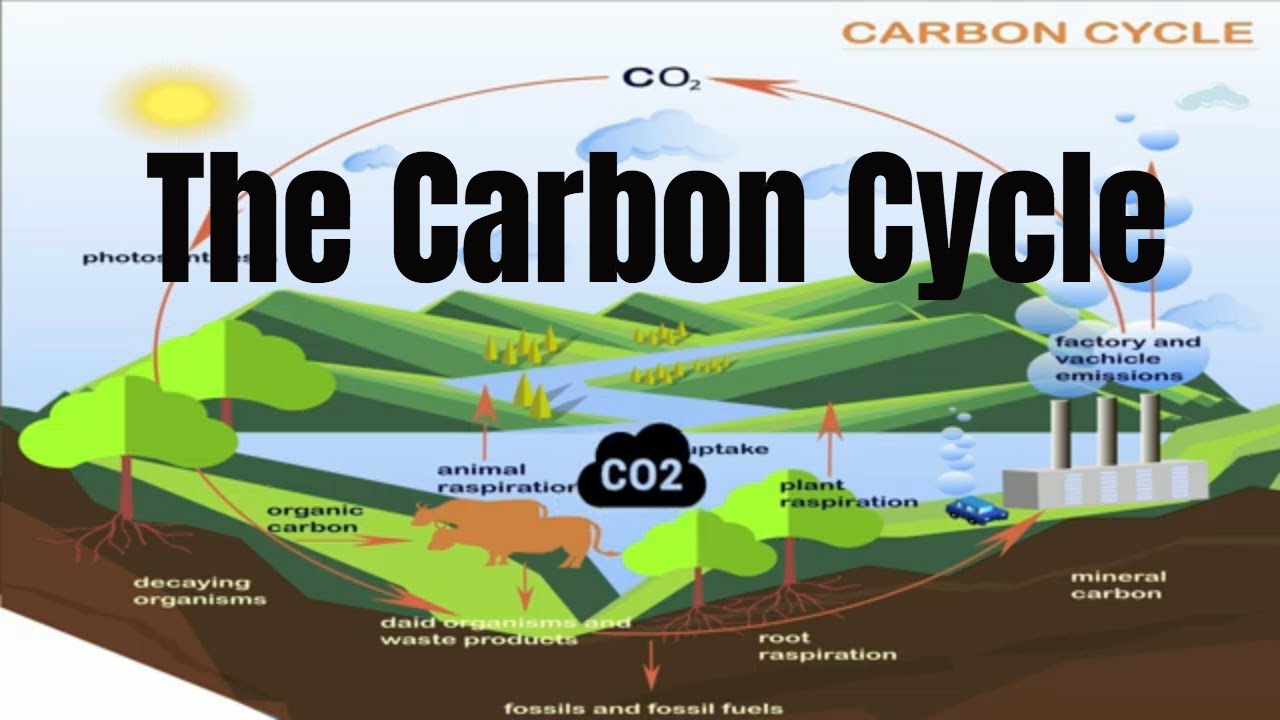
The carbon cycle describes how carbon continuously flows between the atmosphere, oceans, land surface, and living organisms.
- (i) Carbon Fixation:Plants take in carbon dioxide (CO2) from the atmosphere during photosynthesis to create essential organic compounds.
- (ii) Respiration: Living organisms release carbon dioxide back into the atmosphere as a natural byproduct of cellular respiration.
- (iii) Decomposition: When plants and animals die, decomposers break down their organic matter, returning carbon dioxide into the soil and atmosphere.
- (iv) Combustion: Burning fossil fuels and organic biomass releases stored carbon dioxide straight into the atmosphere.
- (v) Carbon Sequestration: A portion of carbon gets trapped long-term inside natural storage reserves such as forests, oceans, and sedimentary rock layers.
Nitrogen Fixing – Converting Atmospheric Nitrogen (N2) into Ammonia (NH3)
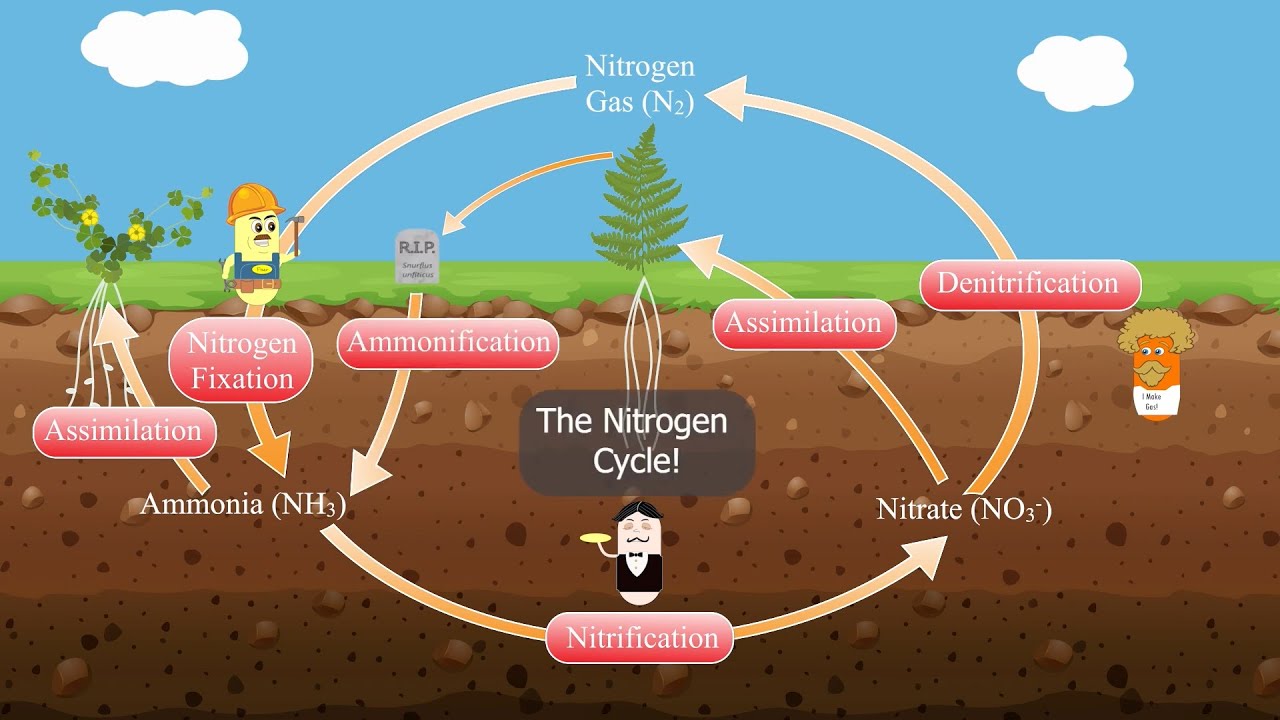
Nitrogen fixation is the biological or industrial conversion of inert atmospheric nitrogen gas (N2) into usable ammonia (NH3) by specialized nitrogen-fixing bacteria.

- Process: Specialized nitrogen-fixing bacteria living in the soil or within root nodules of leguminous plants convert N2 gas into ammonia through biological pathways or industrial methods.
- Importance:Ammonia acts as a fundamental nutrient for plants, supporting their ongoing healthy growth and tissue development.
Nitrification – The Conversion of Ammonia to Nitrites and Nitrates
Nitrification is two-step bacterial oxidation that converts ammonia (NH3) first into nitrites (NO2-) and subsequently into nitrates (NO3-).
Bacterial Oxidation Steps
In oxygen-rich environments, nitrifying bacteria oxidize ammonia into nitrite, and then convert that nitrite into nitrate.
- (i) Oxidation of ammonia into nitrite by specialized bacteria.
- (ii) Further conversion of nitrite into nitrate in the presence of oxygen.
- Ecological Role:Nitrites and nitrates are crucial nitrogen compounds that plants readily absorb through their roots as essential growth nutrients.
Methane Cycle (Gaseous Cycle): Understanding the Movement and Impact of Methane
The methane cycle outlines the release, transformational journey, and eventual atmospheric removal of methane across aquatic and terrestrial systems.
Natural Sources of Methane Emissions in Ecosystems
Methane is produced naturally by anaerobic bacteria during the breakdown of organic matter in wetlands, oceans, and the digestive systems of animals.
- (i) Methanogenic archaea: Microorganisms break down organic material without oxygen, generating methane as a byproduct.
- (ii) Environmental Impact:Methane is a potent greenhouse gas that traps heat and contributes directly to global warming and broader climate change.
Human Sources of Methane Emissions and Their Environmental Consequences
Human practices like agriculture, livestock farming, flooded rice cultivation, and fossil fuel extraction significantly boost global methane emissions.
Agricultural and industrial activities contributing to atmospheric methane. - Enteric Fermentation: Digestive processes in livestock release high levels of methane into the air.
- Rice Fields & Landfills: Flooded agricultural areas and decaying waste sites continuously off-gas methane into the atmosphere.
- Climate Stress: Elevated levels of atmospheric methane worsen climate instability and speed up environmental damage.
Methane Sink: How Methane is Removed from the Atmosphere
A methane sink removes active methane from the atmosphere primarily through chemical oxidation driven by hydroxyl radicals (OH-) and specialized soil bacteria.
- (i) Atmospheric Reaction:Methane reacts with atmospheric hydroxyl radicals to form water vapor and carbon dioxide, which are less potent greenhouse gases.
- (ii) Regulatory Role: Natural sinks help balance atmospheric methane levels and reduce its overall impact on global climate change.
⚡ Quick Revision Capsule: Gaseous Biogeochemical Cycles
A side-by-side comparison of the core processes, driving mechanisms, and environmental impacts of carbon, nitrogen, and methane cycles.
| Cycle Name | Primary Processes | Key Ecological Role |
|---|---|---|
| Carbon Cycle | Photosynthesis, Respiration, Combustion, Sequestration | Regulates global climate and provides basic organic building blocks. |
| Nitrogen Fixation | Bacterial conversion of N2 into NH3 | Turns unusable atmospheric gas into essential plant fertilizer. |
| Nitrification | Bacterial conversion of ammonia into nitrates | Prepares soil nutrients so plants can readily absorb them. |
| Natural Methane Cycle | Methanogenesis in wetlands and animal digestive systems | Natural carbon cycling in oxygen-poor environments. |
| Methane Sinks | Chemical oxidation via atmospheric hydroxyl radicals | Cleans the air and mitigates extreme global warming. |
📝 Summary
Gaseous cycles continuously pass elements through living systems, air, and water. While carbon and nitrogen sustain life and plant development, methane plays a critical role in atmospheric heat retention and climate regulation.
🚀 Quick Revision Points
Essential facts to review before examinations:
- (i) Carbon fixation turns atmospheric carbon dioxide into plant biomass via photosynthesis.
- (ii) Nitrogen-fixing bacteria in root nodules transform nitrogen gas into usable ammonia.
- (iii) Nitrifying bacteria need oxygen to turn ammonia into plant-friendly nitrites and nitrates.
- (iv) Hydroxyl radicals act as key atmospheric sinks by converting methane into weaker greenhouse gases.
- 💡 Exam Tip: Remember that gaseous cycles store their primary reserves in the air or oceans, whereas sedimentary cycles store theirs in rocks and soil.
❓ Frequently Asked Questions (FAQ)
Q1: What makes a biogeochemical cycle a gaseous cycle?
A1: A cycle is considered gaseous when its main storage reservoir is located in the atmosphere or oceans, such as the carbon or nitrogen cycles.Q2: How do bacteria help during nitrogen fixation?
A2: Nitrogen-fixing bacteria break the strong bonds of atmospheric nitrogen gas and transform it into ammonia, which plants can use to grow.Q3: What is the main atmospheric sink for methane?
A3: The primary sink is chemical reaction with atmospheric hydroxyl radicals, which breaks down methane into water vapor and carbon dioxide.