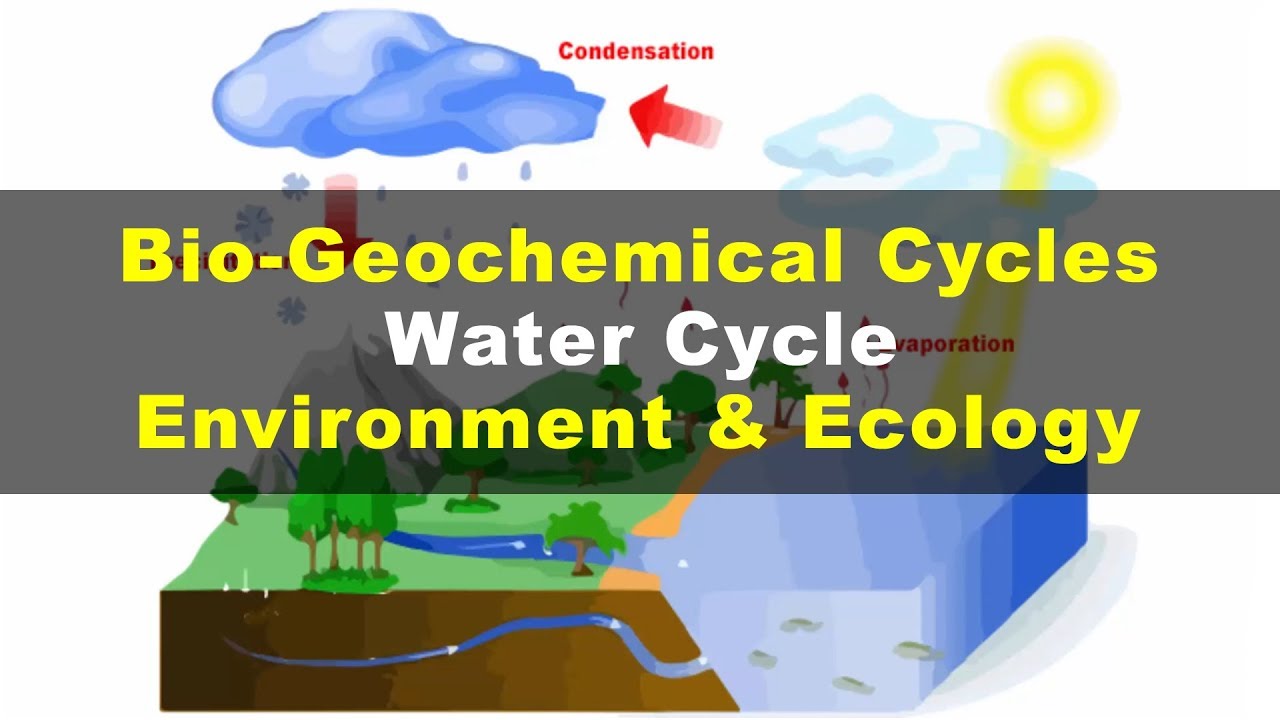
Climate systems and Earth's water cycle go hand in hand. Climate strongly affects how water moves around our planet, while the moving water continuously shapes local and global weather patterns.
🎯 In this chapter, you will understand:
- How scientists group different types of world climates.
- The simple stages of how water travels through Earth and the air.
- How local temperatures and rain change water movement.
- How oceans, trees, and water bodies shape local weather.
💡 Why this topic matters: Understanding how water moves helps us manage freshwater resources, predict weather changes, and protect crops and nature.
🧠 Core Idea: Water moves in an endless cycle through heat, air, and ground, directly forming the climate of every region on Earth.
Climate Classification Systems
Scientists group world weather patterns into named systems to easily study how temperature and rainfall affect different lands.
Climate Classification Systems
Two main systems are widely used to categorize regional weather patterns:
- Köppen Climate Classification: Divides world climates into five main groups: Group A (tropical), Group B (dry), Group C (temperate), Group D (continental), and Group E (polar). Further smaller groups depend on local rain and temperature patterns.
- Thornthwaite Climate Classification: Focuses on how useful rainfall is for plant growth by measuring potential evapotranspiration (how much water evaporates versus how much plants actually use).
The Hydrological Cycle
The hydrological cycle (or water cycle) is the continuous movement of water from Earth's surface into the atmosphere and back down again.

- Water changes forms between liquid, gas, and ice as it travels around the globe.
The Hydrological Cycle Processes
The movement of water relies on seven key processes:
- (i) Evaporation: Liquid water turns into water vapor gas, mainly taking place over warm oceans, lakes, and rivers.
- (ii) Transpiration: Plants release extra water vapor from their leaves directly into the surrounding air.
- (iii) Condensation: Floating water vapor cools down and turns back into liquid water droplets, creating clouds in the sky.
- (iv) Precipitation: Condensed water drops become heavy and fall from clouds as rain, snow, sleet, or hail.
- (v) Infiltration: Fallen rain sinks downward into the dirt and topsoil layers.
- (vi) Runoff: Excess rainwater flows across the land surface into streams, rivers, and oceans instead of soaking in.
- (vii) Groundwater Flow: Deep water slowly moves through deep underground rocks and soil layers.
Interconnections
Climate and the water cycle constantly push and pull on one another, changing both regional weather and local water levels.
- Both systems work together to keep Earth's environment balanced and habitable.
Climate Influences Hydrological Cycle
How climate features directly change water movement:
Specific Climate Factors
Climate drives the water cycle through three main factors:
- (a) Temperature: Warmer air speeds up evaporation, putting more moisture into the sky, which leads to heavier rainfall events.
- (b) Precipitation: Regional climate patterns set rainfall limits, deciding how much water enters soils, rivers, and underground aquifers.
- (c) Seasonality: Normal seasonal shifts alter when and how heavily water processes happen throughout the year.
Hydrological Cycle Influences Climate
Moving water directly affects the air temperature and humidity of local surrounding lands.
- Large bodies of water like lakes and seas keep nearby air from getting too hot or too cold.
Water Cycle Effects on Climate
Key ways water movement changes local climate:
How Oceans and Forests Influence Air Temperature - Evapotranspiration: Lakes and ocean surfaces add humidity to local air, keeping coastal weather mild.
- Vegetation: Dense forests release water vapor through transpiration, creating local cloud cover and regional rain patterns.
- Ocean Currents: Massive ocean currents carry warm or cold water around Earth, shaping regional climates and weather trends.
⚡ Quick Revision Capsule: Climate & Water Cycle Connections
Here is a quick overview summarizing how water cycle stages and climate rules interact:
| Concept | Key Definition / Function | Impact on Environment |
|---|---|---|
| Köppen System | Groups climates into 5 categories (A, B, C, D, E) | Classifies world regions by temperature and rain. |
| Thornthwaite System | Focuses on potential evapotranspiration | Measures how well rain supports local plant growth. |
| Evaporation & Transpiration | Lifts water vapor into the atmosphere | Increases air humidity and builds clouds. |
| Infiltration & Runoff | Water soaking into ground vs flowing over land | Fills underground aquifers and river beds. |
| Ocean Currents | Carries warm and cold ocean water across Earth | Moderates coastal climate temperatures globally. |
📝 Summary
The climate system and the water cycle are permanently bound together. Climate dictates where, when, and how much rain or snow falls, while water movement in oceans, plants, and rivers cools or warms surrounding land masses over long periods.
🚀 Quick Revision Points
Essential facts to review before examinations:
- (i) Köppen System categorizes global climates primarily using temperature and precipitation.
- (ii) The water cycle consists of seven main stages: evaporation, transpiration, condensation, precipitation, infiltration, runoff, and groundwater flow.
- (iii) Higher temperatures accelerate evaporation, directly increasing moisture in the air.
- (iv) Large forests and ocean currents carry heat and moisture, shaping regional rainfall levels.
- 💡 Exam Tip: Always remember that transpiration comes from plants, while evaporation comes directly from water surfaces like oceans and lakes!
❓ Frequently Asked Questions (FAQ)
Q1: What is the main difference between evaporation and transpiration?
A1: Evaporation is liquid water turning into gas from open surfaces like oceans or lakes. Transpiration is water vapor released directly by plants through their leaves.Q2: How does temperature affect the water cycle?
A2: Warmer air increases the rate of evaporation, holding more water vapor in the sky, which can cause heavier storms and rain.Q3: What is the difference between Köppen and Thornthwaite climate systems?
A3: The Köppen system groups climates mainly by basic temperature and rainfall totals. The Thornthwaite system looks at how rain interacts with plant growth and water evaporation.