Embark on a geographical journey to understand the foundational process of how our planet maintains its comfortable climate through Insolation, the Earth's Heat Budget, and overall Temperature Distribution. This guide details the core concepts of solar energy, atmospheric heating processes like Conduction and Advection, and the critical phenomenon of Temperature Inversion. These topics are very helpful for students preparing for geography and environmental science examinations, offering a clear framework for grasping global energy balance mechanisms.
🎯 In this chapter, you will understand:
- How solar energy reaches the Earth and heats up our air.
- The ways heat moves around using conduction, convection, and advection.
- How the Earth maintains a balanced temperature budget without overheating.
- What temperature inversion is and why cold air gets trapped near the ground.
💡 Why this topic matters: Without solar energy and air movement, our planet would freeze at the poles and boil at the equator. Understanding heat distribution helps us know how weather works.
🧠 Core Idea: The Earth takes in short-wave energy from the Sun and gives back long-wave heat, creating a balanced thermal system that makes life possible.
📌 Insolation, Earth's Heat Budget, and Temperature Distribution
Our planet's weather engine works using light and warmth from the Sun. Earth stays at a steady overall temperature because it sends back about as much energy as it takes in over time.
- A Story of Balance: How the Earth Receives and Redistributes Solar Energy
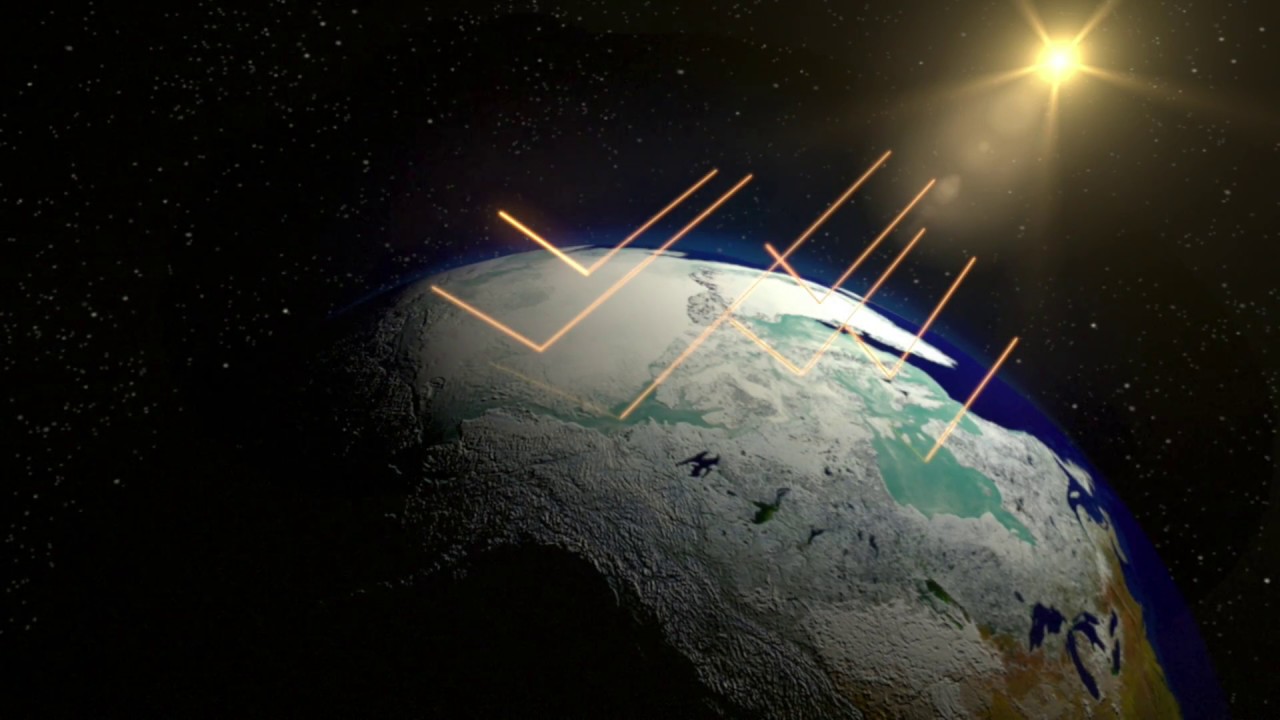
The climate system operates in dynamic balance. The planet continuously receives short-wave radiation energy from the Sun and emits long-wave heat energy back into outer space.
- (i) The continuous cycle involves receiving short-wave solar radiation and sending back long-wave thermal heat.
- (ii) Sunlight hits Earth unevenly, creating warm and cold areas. This uneven heat creates air pressure differences that drive winds to move heat around.
- (iii) Understanding atmospheric heating, cooling, and temperature patterns helps us clearly see how global weather and climate remain stable over time.
☀️ Solar Radiation (Insolation) and the Angle of Incidence
Insolation stands for incoming solar radiation. It is the solar energy that reaches Earth in short waves and serves as the main engine for all weather.

Measuring Insolation and the Influence of Earth's Orbital Position
Even though the Sun is huge, Earth is a small, slightly flattened ball (shaped like a geoid) located far away. Because of this, Earth catches only a tiny part of the total sun energy. At the top of our air layer, energy arrives at about 1.94 calories per square centimeter every minute.
- (i) Aphelion: Around , Earth reaches its farthest distance from the Sun, about 152 million kilometers away.
- (ii) Perihelion: Around , Earth comes closest to the Sun, at about 147 million kilometers.
- (iii) Because Earth is closer on , it receives slightly more solar warmth than on . However, ocean-land layouts and air movements hide these small changes, making latitude differences much more important.
The Dynamics of Insolation Variability and Distribution Factors
The amount of solar energy reaching any single spot changes every hour, every season, and throughout the year due to several natural causes.
- (a) Axial Tilt and Day Length: Earth spins while tilted at an angle of 66½ degrees to its path around the Sun. This tilt controls day length and shifts energy amounts across the globe.
- (b) Angle of Inclination: The angle of the Sun's rays is very important. Places far from the equator get slanted rays. Slanted rays spread their energy across a much larger ground area, giving less heat per spot.
- (c) Atmospheric Path Length: Slanted rays must travel through a thicker layer of air. This causes more sunlight to get absorbed, scattered, or bounced away before touching the ground.
The Journey of Solar Radiation through the Atmosphere
The atmosphere lets short-wave sunlight pass right through to the ground, but some gases and particles intercept parts of it on the way down.
- (i) Absorption: Gases like water vapor and ozone soak up near-infrared heat waves, mostly inside the lowest air layer called the troposphere.
- (ii) Scattering: Fine dust and floating bits in the air scatter light waves around. This scattering gives us our blue sky and causes bright red or orange sunrises and sunsets.
Global Spatial Distribution of Surface Insolation
The amount of warmth reaching the ground changes based on latitude and weather conditions, creating distinct thermal belts on our planet.
- (i) Latitudinal Contrast: Tropical regions receive plenty of sunlight, averaging around 320 Watts per square meter, while the cold North and South Poles get only about 70 Watts per square meter.
- (ii) Subtropical Deserts: Surprisingly, desert zones get more direct sunlight than the equator because equatorial areas frequently have thick clouds, while dry deserts have clear skies that let all sunlight through.
- (iii) Land vs. Ocean: Land heats up much faster than water due to differences in heat capacity. Because of this, continents generally receive and show more surface warmth than ocean waters at the same latitude.
🔥 Heat Budget: Heating and Cooling Mechanisms of the Atmosphere
The atmosphere is not warmed directly by sunlight passing through it. Instead, the ground absorbs sunlight first and then heats the air above it.
Terrestrial Radiation: The Primary Heater
After taking in short-wave light from the Sun, the ground gets warm and releases long-wave heat radiation back out. This heat coming off the ground is called terrestrial radiation, and it warms our atmosphere from the bottom up.
- (i) Greenhouse Gas Absorption: Important gases in the air, especially carbon dioxide and water vapor, soak up this long-wave heat coming off the ground.
- (ii) Atmospheric Reradiation: After taking in heat, the air sends energy back into space and down to the ground. This trapping process keeps Earth warm through the greenhouse effect.
The Trio of Heat Transfer: Conduction, Convection, and Advection
Warmth moves through our air vertically and horizontally using three main natural methods.
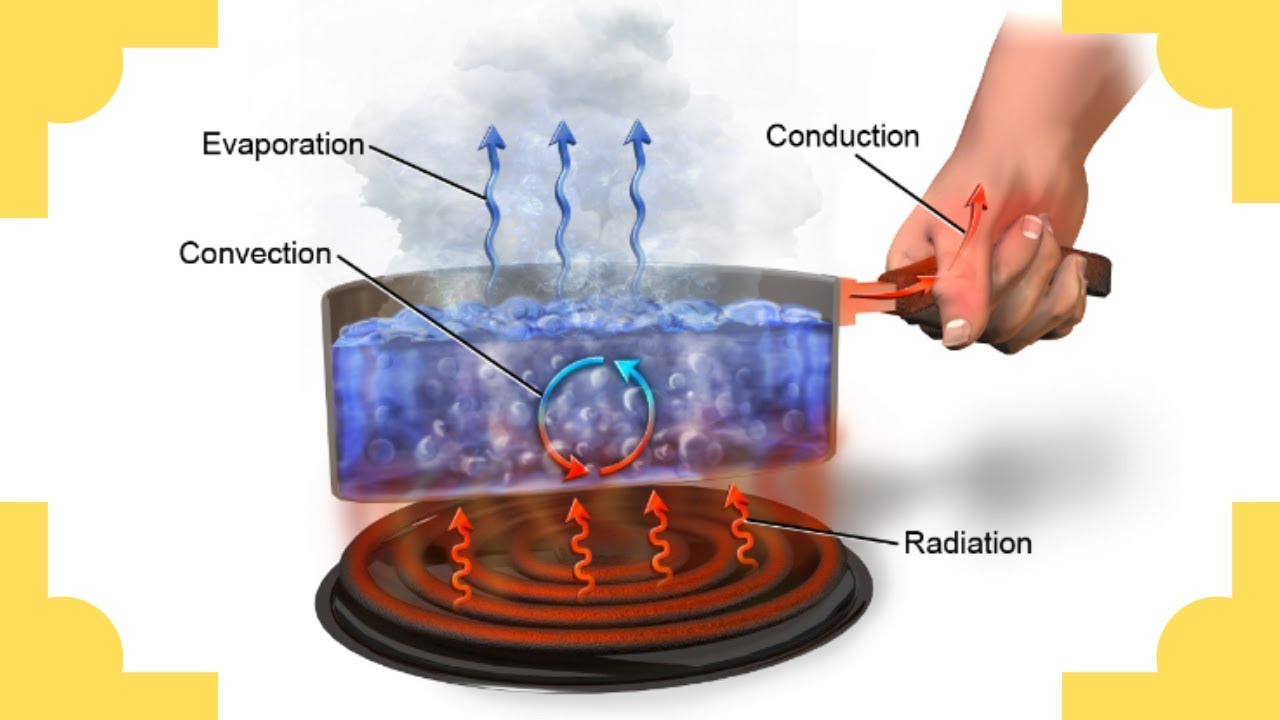
- (a) Conduction: Heat transfers when two things with different temperatures touch each other directly. The warm ground touches the lowest layer of air and passes warmth into it. This warms the air layer right near the soil.
- (b) Convection: Warm air near the ground expands, becomes lighter, and rises upward in vertical streams. This vertical movement carries heat up through the lowest atmospheric layer, the troposphere.
- (c) Advection: This means heat moving sideways with horizontal winds. Sideways heat transfer is very powerful. One example is the hot summer wind called loo in northern India, or daily temperature changes caused by moving air masses.
The Planetary Heat Budget: Achieving Equilibrium
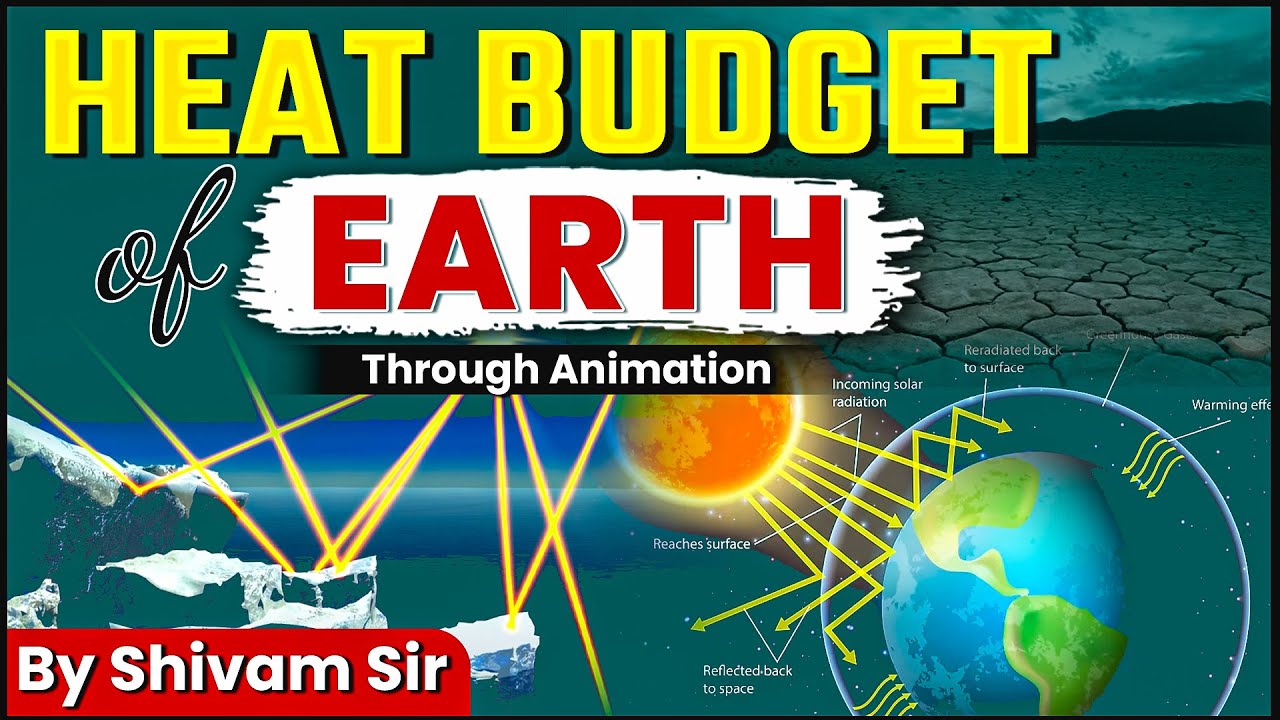
The Heat Budget of the Planet Earth explains how 100 units of incoming solar energy are perfectly balanced by 100 units going back out, keeping our world from becoming continuously hotter or colder.
The incoming 100 units of solar energy equal the outgoing units returned to space. - (i) Reflection (Albedo): About 35% of all incoming solar light bounces straight back into space without warming Earth. This reflected fraction is called albedo. Cloud tops bounce back 27%, while snow and ice bounce back 2%.
- (ii) Absorption: The remaining 65% gets absorbed—14% stays inside the atmosphere, and 51% reaches and warms the ground.
- (iii) Outgoing Terrestrial Radiation: The ground sends its 51 units back as long-wave heat: 17 units pass directly into space, while 34 units get soaked up by the air (through direct absorption, rising currents, and the latent heat released when water vapor condenses into water droplets).
- (iv) Final Balance: The atmosphere eventually releases all its accumulated heat (14 + 34 = 48 units) out to space. The total heat returned to space (17 from ground + 48 from air) equals 65 units, which balances the 65 units absorbed. This creates a complete net zero energy budget.
Variation in Net Heat Budget and Latitudinal Transfer
Even though the whole planet balances its heat, local regions have energy surpluses or deficits. The warm zones between 40 degrees North and 40 degrees South receive a surplus of solar energy, while regions near the cold poles lose more heat than they receive.
- (i) Preventing Extremes: Without a way to share warmth, the tropics would get hotter every day while the polar regions would freeze solid.
- (ii) Global Heat Transfer: Winds and ocean currents carry extra warmth from the equator towards the cold poles, keeping our global climate safe and livable everywhere.
⚡ Quick Revision Capsule: Earth's Thermal Energy System
Here is a simplified snapshot of how solar energy arrives, moves, and leaves our planet's system:
| Concept | What It Means in Simple Words | Key Example or Value |
|---|---|---|
| Insolation | Short-wave solar energy arriving from the Sun to Earth. | Averages 1.94 cal/sq. cm/min at atmosphere top. |
| Albedo | The fraction of sunlight reflected straight back out into space. | Earth's total albedo is about 35% (clouds bounce 27%). |
| Conduction | Heat moving through direct touch between the warm ground and air. | Heats the lowest air layer right above the soil. |
| Advection | Warmth moving sideways across regions due to wind flow. | The warm, dry loo wind in summer. |
| Lapse Rate | The steady cooling of air as you climb higher up a mountain. | Cools by 6.5°C for every 1,000 meters reached. |
🌡️ Temperature: Controlling Factors and Global Distribution Patterns
Temperature tells us how hot or cold the air feels in a specific place. While heat is the total energy stored inside air molecules, temperature is the measurement we read on a thermometer.
Five Key Factors Controlling Air Temperature Distribution
Air temperature across different places depends on five main geography controls working together.
- (i) The Latitude: This is the main control. Places near the equator receive direct sunlight and stay warm, while places near the poles get weak, slanted light and stay cold.
- (ii) The Altitude: Air gets warmer from the ground up. Because of this, high mountain tops are always colder than places down at sea level. Air cools at the Normal Lapse Rate of about 6.5°C for every 1,000 meters you climb up.
- (iii) Distance from the Sea (Continentality): Water takes a long time to warm up and a long time to cool down. Places near the sea enjoy pleasant, mild weather, while land far inland gets extremely hot in summer and freezing cold in winter (known as Continentality).
- (iv) Air-mass and Ocean Currents: Moving air masses and ocean currents carry their temperature with them. Warm ocean currents keep nearby coasts warm, while cold currents bring chilly weather.
- (v) Local Aspects: Local slope directions and local mountain winds create unique micro-climates in small areas.
The Horizontal and Vertical Distribution of Temperature
Scientists map temperatures across the globe using lines called Isotherms, which connect places with equal air temperature readings.
- (a) Northern Hemisphere in January: Huge landmasses make winter very cold. Isotherm lines bend sharp north over warm ocean streams like the Gulf Stream, and bend far south over freezing land like Siberian plains, where air drops down to -48°C.
- (b) Southern Hemisphere in January: Because the Southern Hemisphere is covered mostly by water, temperatures change smoothly and isotherm lines run almost straight along lines of latitude.
- (c) Global Patterns in July: During Northern summer, land areas heat up intensely, rising past 30°C in subtropical zones. The biggest annual temperature difference—over 60°C between summer and winter—happens over north-eastern Eurasia due to strong distance from oceans.
🔄 Temperature Inversion: A Reversal of the Thermal Norm
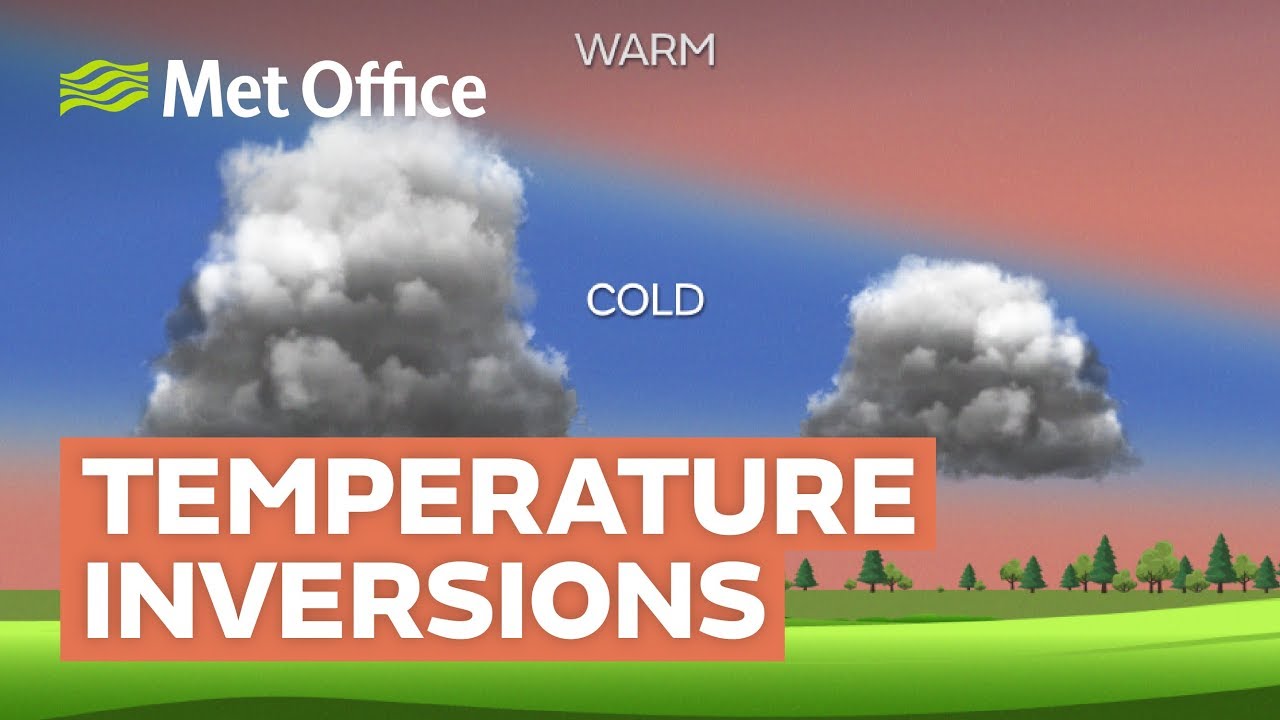
Temperature Inversion happens when normal weather rules flip upside down: instead of getting colder as you go higher, the air actually gets warmer above the ground.
Conditions for Surface Inversion and its Atmospheric Impact
Inversion usually happens on long, calm winter nights when the sky is clear. The ground cools off very fast by radiating its heat away, making the ground and the lowest air colder than the air sitting above it.
- (i) Stability and Pollution: Cold heavy air stays trapped right against the ground under a cap of warm air. Smoke, dust, and vehicle exhaust get trapped near the ground, creating dark haze layers.
- (ii) Fog Formation: Trapped moisture near the cold ground forms thick winter fog that stays until morning sunlight warms up the land.
- (iii) Polar Regions: Over snow-covered polar lands, temperature inversion is a normal, year-round event because the ground is almost always frozen.
Air Drainage: Inversion in Hilly and Mountainous Terrain
In hilly regions, gravity causes a special kind of inversion called Air Drainage.
- (a) Gravity Flow: At night, air on mountain slopes cools down rapidly. Heavy, cold air glides downhill into valley bottoms like water flowing down a slide.
- (b) Valley Pockets: Cold air pools at the bottom of the valley and pushes lighter, warmer air upward into the middle slopes.
- (c) Agricultural Protection: Farmers plant crops and build fruit orchards on mountain slopes instead of valley floors. Warm air on the slopes protects plants from frost damage, while freezing air settles at the bottom.
📝 Summary
Understanding Insolation, the Heat Budget, and global Temperature Distribution gives us a clear picture of how Earth's energy system stays in balance. The Sun warms our world with short-wave light, and the ground sends long-wave heat back out to space. Factors like latitude, altitude, and oceans control local weather, while events like Temperature Inversion flip normal air temperatures on cold nights. These core geography topics help us understand weather and prepare for examinations.
🚀 Quick Revision Points
Essential facts to review before examinations:
- (i) Insolation arrives as short-wave solar radiation, while Earth cools itself using long-wave terrestrial radiation.
- (ii) Earth's albedo is 35%, which means 35 units of incoming solar light are reflected back out into space instantly.
- (iii) The atmosphere is heated from below by ground radiation, not directly by incoming sunlight.
- (iv) Temperature inversion traps cold air and pollution near the ground under a warmer air layer during long, clear winter nights.
- 💡 Exam Tip: Remember that conduction warms only the thin air layer touching the ground, convection moves heat vertically, and advection carries heat sideways with winds!
❓ Frequently Asked Questions (FAQ)
Q1: What is insolation in simple terms?
A1: Insolation is simply the solar warmth and light energy that reaches Earth from the Sun.Q2: Why is the atmosphere heated from below rather than from above?
A2: Sunlight passes right through air without warming it much. The ground absorbs sunlight, gets warm, and radiates long-wave heat back into the air layer above it.Q3: What causes temperature inversion on winter nights?
A3: On long, clear winter nights, the ground loses heat very quickly. The land gets colder than the air above it, trapping cool air at the bottom under a layer of warmer air.