India has a wonderful and varied climate that changes smoothly throughout the entire year. This changing weather brings four distinct seasons that shape the weather patterns, nature, and daily life across the country. During the southwest monsoon season, moisture-laden winds blow across the vast seas straight toward the landmass, bringing heavy rainfall that is vital for farming crops and filling up rivers. This amazing natural cycle helps support India's rich natural heritage, including famous spots like Mawsynram in Meghalaya, which currently holds the global record for receiving the highest average annual rainfall in the world.
🎯 In this chapter, you will understand:
- How four main annual seasons create diverse climate conditions across India.
- The five unique categories of natural vegetation growing throughout the country.
- Why forest preservation and soil protection are vital for maintaining human life.
- How government conservation initiatives protect rare animals and native species.
💡 Why this topic matters: Learning about climate, forests, and animals helps everyone discover how nature supports human lives and how we can preserve natural resources for future generations.
🧠 Core Idea: Seasonal rainfall and varying temperature zones directly shape the specific types of natural plants, forests, and wild animals found living across different regions of India.
Seasons in India
The weather patterns in India change over regular time periods, creating four major seasons that bring unique temperatures, winds, and rainfall across different regions throughout the year:
Four Major Annual Seasons
Each season stays for a few months and completely changes the daily environment:
- (i) Cold Weather Season or Winter: Experienced from , bringing cool breezes and lower temperatures.
- (ii) Hot Weather Season or Summer: Occurring from , featuring high temperatures and bright sunny weather.
Monsoon Seasons
Rainfall patterns are driven by shifting seasonal wind directions across the land and sea:
- (a) Southwest Monsoon Season: Running from , bringing heavy rain as moist sea winds strike land.
- (b) Autumn or Retreating Monsoon Season: Lasting through , as rain-bearing winds turn back.
Natural Vegetation & Forest Types
Because of these diverse climates and rainfall patterns, India is home to incredible natural vegetation. This plant life includes all the trees, plants, and bushes that grow naturally on their own without human help or farming.

- Natural plants automatically adapt to local temperatures and the amount of water available in their surroundings.
Five Major Types of Natural Vegetation
Scientists group India's plant life into five primary ecosystem types based on rain, soil, and land height:
- (i) Tropical Rainforests: Also known as evergreen forests, these grow in regions with very heavy rainfall. Because they get continuous water and warmth, these trees stay green all year round without shedding their leaves together. They feature thick, layered tops called canopies where sunlight barely reaches the ground, housing tall, valuable timber trees like mahogany, ebony, and rosewood.
- (ii) Tropical Deciduous Forests: Often called monsoon forests, these trees drop all their leaves at the same time during a specific dry season to save water. They are less dense than rainforests and contain useful shade and timber trees like sal, teak, peepal, neem, and shisham.
- (iii) Thorny Bushes: Found in dry, arid regions where rainwater is very scarce. These clever plants survive with very little water by growing sharp, spiny, needle-like leaves instead of flat leaves, stopping precious moisture from evaporating into hot air. Common spiny plants include cacti, khair, babool, and keekar.
- (iv) Mountain Vegetation: Located in high, cold mountain regions where plant life changes step-by-step as altitude increases. Higher up, you find cold-hardy, cone-bearing coniferous trees like chir, pine, and deodar that handle chilly winds easily.
Importance of Forests
Forests are extremely important to our planet because they act like the Earth's lungs, cleaning the air, making oxygen, and holding soil firmly in place with roots so it does not wash away during heavy rains.
- Forests supply raw timber for building homes, fuel for heating, fodder for farm animals, and natural herbal medicines.
Coastal Mangrove Forests
Special plant ecosystems thrive in coastal areas where freshwater mixes with salty seawater:
Dense root structures of coastal mangrove forests holding tidal soil. - Saline Water Adaptation:Mangrove forests can survive comfortably while growing inside salty ocean water and muddy tidal areas.
- Coastal Protection: These strong coastal trees shield shorelines from harsh oceanic storm waves and beach erosion.
- Sunderbans Region: The most famous mangrove forest area is the Sunderbans in eastern India, along with forests across the Andaman and Nicobar Islands.
- Habitat Security: Dense tree roots provide safe nurseries for small marine life and shelter coastal wild animals.
⚡ Quick Revision Capsule: Climate and Vegetation
This quick review table highlights the main features of India's five natural plant groups, weather patterns, and famous regional trees:
| Vegetation / Feature | Key Climate & Location Factors | Famous Trees or Species Included |
|---|---|---|
| Tropical Rainforests | Heavy annual rainfall; stay green all year | Mahogany, ebony, and rosewood |
| Tropical Deciduous Forests | Monsoon climate; drop leaves in dry season | Sal, teak, peepal, neem, and shisham |
| Thorny Bushes | Dry, arid desert areas with scarce rainfall | Cacti, khair, babool, and keekar |
| Mountain Vegetation | High altitude, chilly mountain zones | Chir, pine, and deodar |
| Mangrove Forests | Salty coastal water and muddy deltas like Sunderbans | Sundari trees and coastal saltwater plants |
📝 Summary
India's unique weather cycles, variable rainfall throughout different , and varied landscapes create an incredibly diverse natural environment. From the record-breaking rains of Mawsynram to the dense mangrove trees of the Sunderbans, this rich variety of plant life and protected animal species forms a priceless natural heritage that requires careful conservation efforts for the future.
Wildlife and Conservation Projects
Essential facts to review about Indian animal life and protective laws:
- (i) Rich Biodiversity: India is home to iconic animals including Bengal tigers, Asiatic lions, wild elephants, one-horned rhinoceroses, camels, wild asses, snow leopards, bears, and thousands of bird species.
- (ii) Protected Reserves: The government created protected areas like national parks, wildlife sanctuaries, and tiger reserves to stop illegal hunting and deforestation.
- (iii) Project Tiger: A dedicated wildlife conservation scheme launched to save Bengal tigers from disappearing.
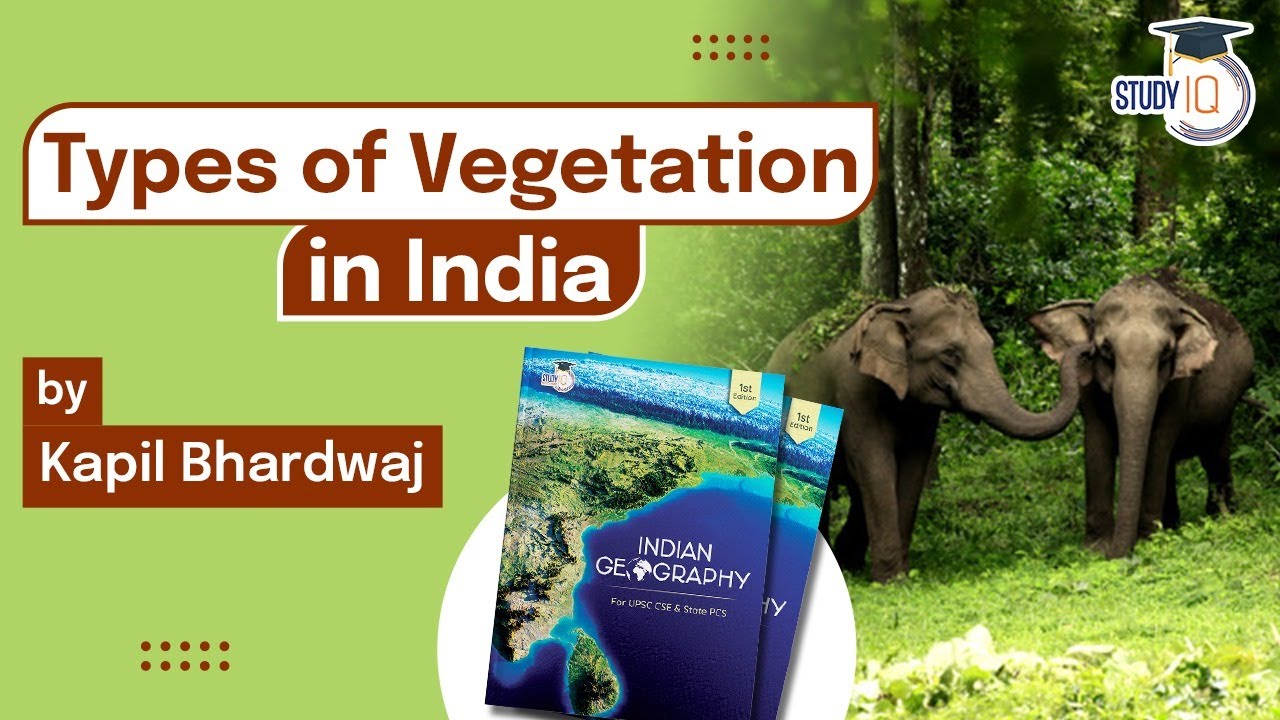
- (iv) Project Elephant: A national protection effort started to shield wild elephant herds and secure their natural forest paths as noted in Wildlife Protection Guidelines.
- 💡 Exam Tip: Remember that tropical rainforests stay green year-round because individual trees shed leaves at different times, whereas deciduous trees drop all their leaves together during one dry season!
❓ Frequently Asked Questions (FAQ)
Q1: Which winds bring rainfall in India, and why is it so significant?
A1: The southwest monsoon winds blow from the sea to the land, bringing vital rains needed for watering crops, filling rivers, and supporting farming across India.Q2: What is the main difference between tropical evergreen and tropical deciduous forests?
A2: Evergreen forests stay green all year because their trees do not shed leaves at the same time, while deciduous forests drop all their leaves together during a set dry season to save water.Q3: Where is the world's highest average rainfall recorded?
A3: According to global weather records documented in Climatic Studies, the world's highest average annual rainfall occurs at Mawsynram in Meghalaya.