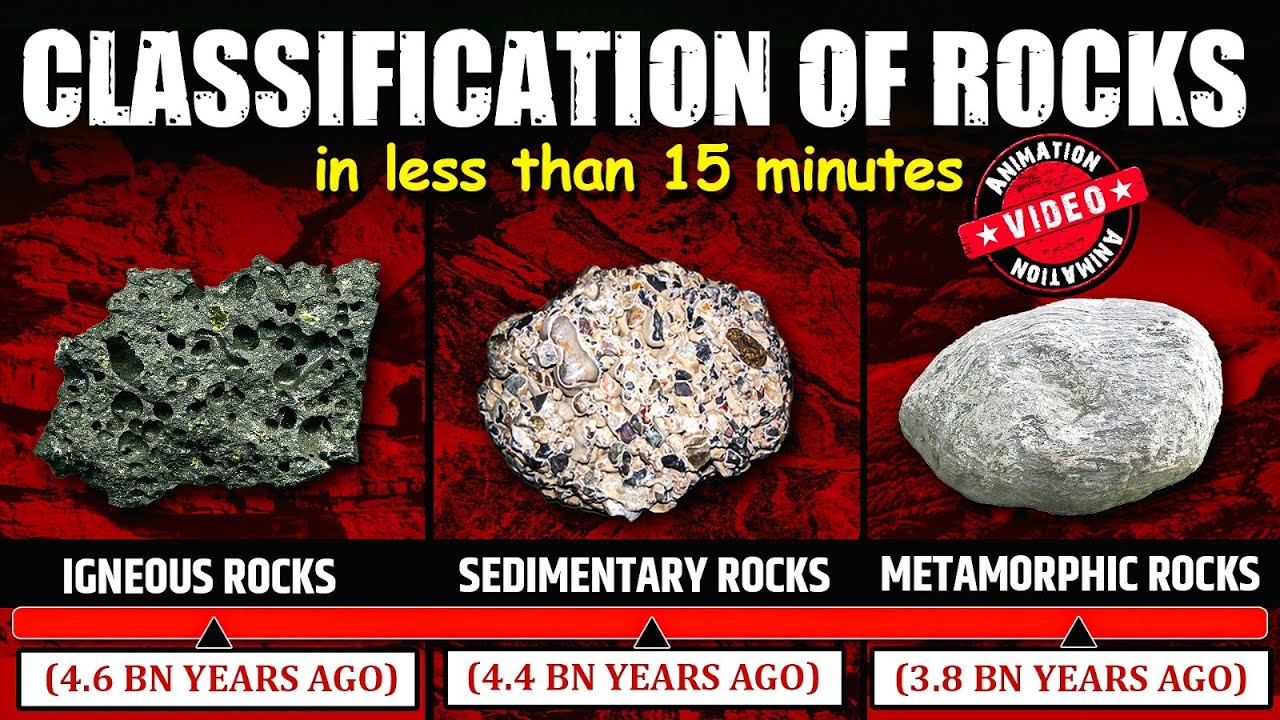
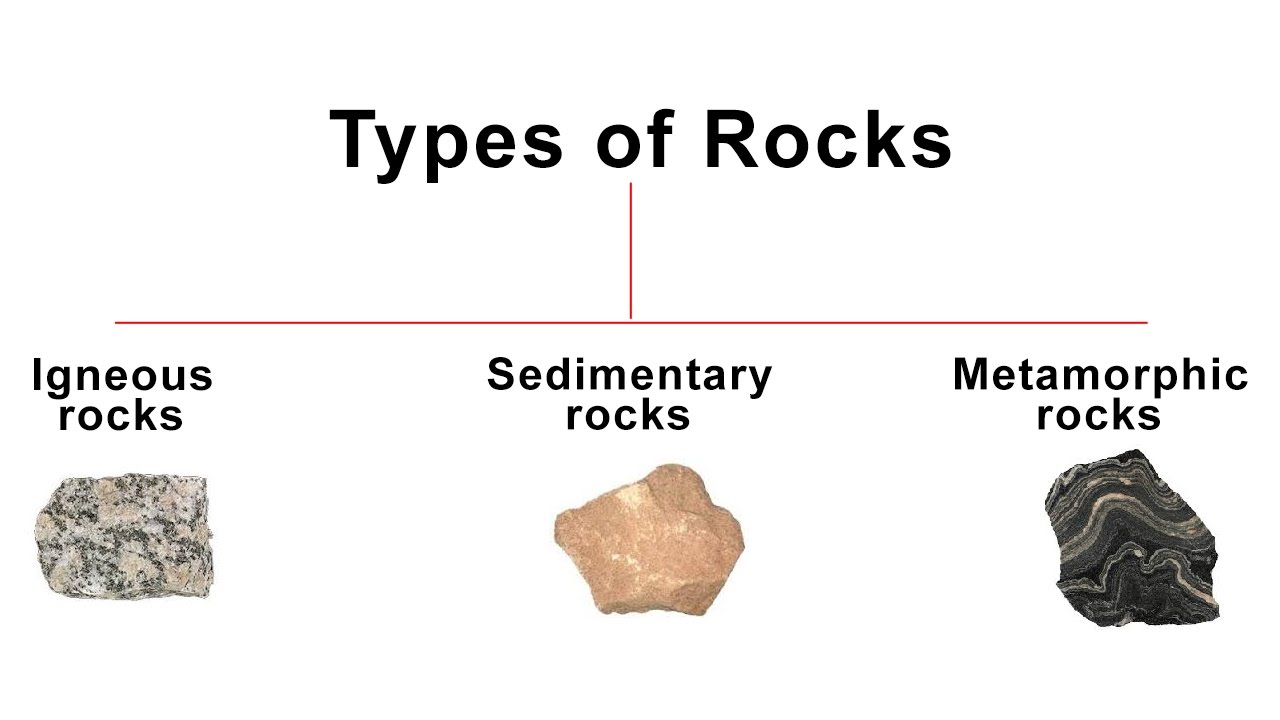
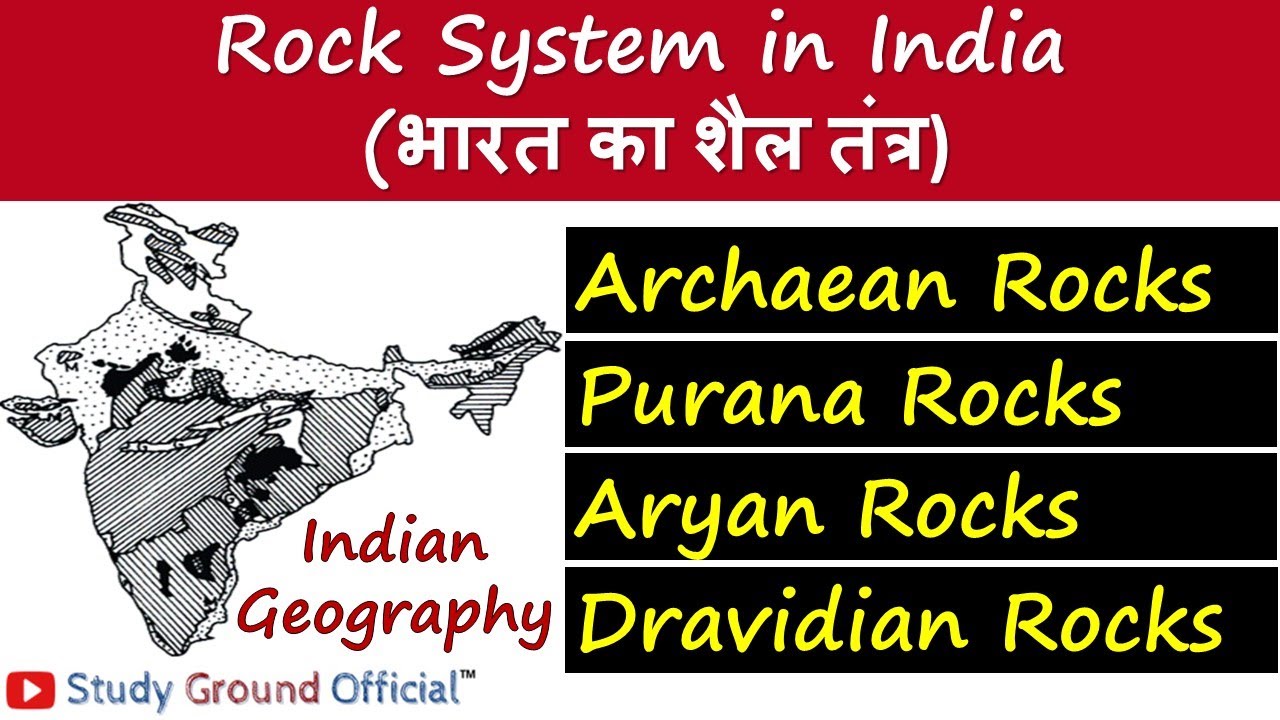
India has a very rich and long geological history. Millions of years ago, the land underwent giant changes through hot melted lava cooling down, rivers carrying mud and sand, and huge mountain-building forces. Official geological surveys track these changes from more than up to recent times. Scientists use terms like igneous rocks, metamorphic rocks, and sedimentary rocks to describe how our land was shaped.
🎯 In this chapter, you will understand:
- How the Geological Survey of India divides Indian rocks into four major age groups.
- The oldest rocks on Earth formed from hot liquid magma during the Archaean era.
- The transformation of early sediments into rich mineral grounds like the Dharwar system.
- The formation of Cuddapah and Vindhyan systems which give us valuable stones, cement, and diamonds.
💡 Why this topic matters: Rocks tell the secret story of how our continent was built and where we can find precious minerals like gold, iron ore, and diamonds.
🧠 Core Idea: Earth's outer crust cooled down over billions of years, creating layers of foundation rocks that continuously melted, broke down, and stacked up over time.
Rock Systems of India
Long ago, Earth was extremely hot and covered with liquid rock. Over billions of years, the crust cooled down and formed hard land. The Geological Survey of India studies this ancient history and groups the country's rocks into four main age groups based on how and when they were made.

Based on India's complex geological history, the Geological Survey of India classifies the rock systems into four major divisions:
- The Archaean Rock System
- The Purana Rock System
- The Dravidian Rock System
- The Aryan Rock System
Major Rock Systems in India
Let us look closely at the primary rock systems that form the very baseline foundation of the Indian landmass. These systems range from extremely old volcanic layers to settled lake and seabed deposits.
Archaean Rock System
The earliest structural changes happened when the Earth's upper crust cooled and became solid. This happened during the ancient Precambrian Period over . These rocks form the core center of the land known as the Indian Craton, which was once part of the giant southern supercontinent Gondwanaland. Geologist J.D. Dana introduced the word 'Archaean' in to mean the very oldest rocks in Earth's crust.

Archean Rock System The Archaean rocks consist of two primary divisions:
- (i) Archaean System: Ancient granites and gneisses formed directly from molten material.
- (ii) Dharwar System: The earliest mud and sand layers that turned into hard sedimentary rock.
Archaean Gneisses and Schists
These are the absolute oldest rocks found on our land, formed nearly . When Earth was super hot, liquid lava called magma cooled down into solid masses. Geologists call this layer the Basement Complex because it sits at the very bottom and acts as a foundation floor for all newer rocks built on top of it. Because Earth had no living plants or animals back then, these rocks are completely azoic (without fossils). They are also foliated (arranged in thin pressed sheets), crystalline, and volcanic in origin. Deep underground volcanic rocks of this group are known as plutonic intrusions.
Dharwar System
Formed between , these represent highly changed rocks called metamorphosed sedimentary rocks. They started as loose sand and mud washed down by rivers, which then got baked and squeezed under giant heat and pressure. They are named after the Dharwar district in Karnataka where they were first studied in detail.

Dharwar Rock System These rocks are economically super valuable because they hold rich deposits of metal ores:
- (i) High-grade iron ore and manganese
- (ii) Copper, lead, and gold deposits
Purana Rock System
The word Purana means old. This group includes the Cuddapah and Vindhyan rock systems, formed between . As wind and rain broke down the older Archaean and Dharwar rocks, tiny bits of stone settled down in water bodies over time to form these mainly sedimentary rocks.
Cuddapah System
This system gets its name from Cuddapah district in Andhra Pradesh, where huge rock layers are exposed on the surface. They were created when washed-up sediment settled down inside big downward land bends called synclinal folds located between ancient mountain ranges.

Cuddappah Rock System The Cuddapah rocks contain important resources:
- (i) Iron ores, manganese, and copper
- (ii) Cobalt and nickel minerals
- (iii) Huge reserves of strong limestone used for making cement
Vindhyan System
Formed between , this system is named after the Vindhyan mountains. It consists of ancient sedimentary layers sitting directly above the Archaean base floor, with broad areas covered by lava flows called the Deccan trap. Most of these rocks do not have fossils (unfossiliferous). While they lack heavy metals like iron or copper, they give us incredible building material such as beautiful ornamental stones, strong limestone, sand for making glass, and famous diamond mines at Panna and Golconda.
⚡ Quick Revision Capsule: Rock Systems Classification
Here is a neat comparison summary of India's major rock divisions, their ages, and primary mineral features:
| Rock System | Age & Formation Time | Key Features & Mineral Contents |
|---|---|---|
| Archaean System | Over | Original crust formed by cooling magma; crystal-like gneisses and granites with no fossils. |
| Dharwar System | Oldest metamorphosed sediments; extremely rich in iron ore, gold, copper, and manganese. | |
| Cuddapah System | Sediments in mountain folds; contains nickel, cobalt, copper, and cement-grade limestone. | |
| Vindhyan System | Layered sedimentary rocks over Archaean base; famous for diamond mines (Panna), glass-sand, and building stones. |
📝 Summary
India's land layout is made up of rock layers built across billions of years. From the ancient volcanic foundation floor of the Archaean era formed over to the squeezed sedimentary beds of the Dharwar, Cuddapah, and Vindhyan systems, each rock group tells us how mountains rose and oceans moved. These formations give India its rich metals, cement limestone, building stones, and precious gemstones.
🚀 Quick Revision Points
Essential facts to review before examinations:
- (i) Archaean rocks are the Basement Complex of Earth's crust and contain no fossils (azoic).
- (ii) The Dharwar rock system in Karnataka is the primary storehouse of metallic wealth like gold and high-grade iron ore.
- (iii) Cuddapah rocks are famous for giant deposits of cement-grade limestone and minerals like cobalt and nickel.
- (iv) Vindhyan rock systems hold famous diamond mines in Panna and Golconda along with durable construction stones.
- 💡 Exam Tip: Remember that Archaean rocks are azoic (no fossils) because life had not evolved yet when hot liquid magma cooled down into Earth's initial crust.
❓ Frequently Asked Questions (FAQ)
Q1: Why are Archaean rocks called the Basement Complex?
A1: They are called the basement complex because they formed first when Earth cooled down, acting as the deep bottom floor upon which all newer rock layers sit.Q2: Which rock system in India is richest in metallic minerals?
A2: The Dharwar System is the richest in metals, providing high-grade iron ore, gold, manganese, and copper.Q3: Where are diamonds found among Indian rock systems?
A3: Diamonds are found in the Vindhyan System, specifically in famous mining regions like Panna in Madhya Pradesh and Golconda.