Take a simple journey to understand the building blocks of our home planet by exploring the composition of rocks and minerals on Earth. This guide breaks down Earth's hard outer shell, mineral features, three main rock types (Igneous, Sedimentary, and Metamorphic), and the endless Rock Cycle. This easy reading is super helpful for students getting ready for school geography or geology tests.
🎯 In this chapter, you will understand:
- The main building blocks making up Earth's outer surface shell.
- How minerals form and the simple traits used to tell them apart.
- How fire, water, wind, and underground heat make three distinct rock families.
- How the continuous rock cycle recycles every rock over millions of years.
💡 Why this topic matters: Everything we build on—from soil for crops to stone for roads—comes directly from rocks and minerals.
🧠 Core Idea: The Earth acts like a massive recycling machine that constantly creates, breaks down, and remakes rocks.
Geological Composition of Earth's Crust, Minerals, and Rocks
Exploring what makes up Earth's outer ground and deep inside helps us learn how our planet behaves. The Earth has two main parts: a hard, solid ground layer on the outside called the crust, and super hot, melted liquid layers far deeper inside called the mantle and core.
- (i) The crust is the hard outer shell where natural forces like wind weather down land and rainwater washes away loose dirt.
- (ii) Almost the entire weight of this ground layer comes from just a tiny list of ingredients.
- (iii) Nearly 98% of Earth's ground layer is made from just 8 elements: oxygen, silicon, aluminium, iron, calcium, sodium, potassium, and magnesium. The remaining 2% comes from rare ingredients like titanium, carbon, sulphur, and nickel.
Understanding Minerals: Properties, Formation, and Types
A mineral is a pure, naturally occurring substance made by nature that serves as a building block for all rocks. Many minerals form when liquid rock underground cools down into solid crystals.
Defining and Composing Earth's Minerals
A mineral can come from non-living things or old living matter. It has a neat atomic pattern inside, a fixed chemical makeup, and identical physical traits every time you find it.

Volcanic eruption, showcasing a volcanic cloud formed by the expulsion of ash, gas, and lava during an eruption. - (i) Most minerals are team combinations made of two or more combined elements.
- (ii) A few rare minerals are made of just one single element, such as sulphur, copper, silver, gold, and graphite.
- (iii) Most non-living minerals grow when boiling liquid rock called magma cools down and hardens into tiny crystals.
- (iv) Energy fuels like coal, oil, and natural gas are formed over long periods from ancient decayed plants and tiny sea creatures.
Physical Characteristics for Mineral Identification
Geologists use a checklist of simple physical clues to test and name minerals when studying rocks in petrology.
- (a) Crystal Shape: The geometric outer shape created as the mineral grows, like small cubes, double-pyramids, or six-sided columns.
- (b) Cleavage and Fracture:Cleavage means breaking neatly along smooth, flat paths. Fracture means snapping apart in rough, jagged chunks.
- (c) Lustre and Colour:Lustre describes how shiny a surface looks in light (like shiny metal, silky thread, or glass). Colour is what your eye sees, though tiny impurities can change it.
- (d) Streak and Transparency:Streak is the true color left behind when scraping a mineral on tile. For instance, malachite always leaves a green powder trail. Transparency measures if light passes straight through, gets blurry, or stops completely.
- (e) Hardness and Heavy Weight: Hardness is ranked on the Mohs scale from soft talc (rated 1) up to scratch-proof diamond (rated 10). Specific gravity simply compares how heavy the mineral feels compared to an equal splash of water.
Classification of Minerals: Metallic and Non-Metallic Types
Minerals are grouped based on whether they hold valuable metals useful for building things.
- Metallic Minerals: These hold strong metal elements and fall into three everyday groups:
- (i) Precious Metals: Super rare and high-value metals like gold, silver, and platinum.
- (ii) Ferrous Metals: Metals that contain iron, which are melted to manufacture strong steel.
- (iii) Non-ferrous Metals: Industrial metals with zero iron, like copper, lead, zinc, tin, and aluminium.
- Non-Metallic Minerals: These do not hold metal ingredients. They are key for building materials and farm fertilizers. Examples include sulphur, phosphate, and nitrate. Common construction cement is a blended mix made from these non-metallic mineral powders.
- Metallic Minerals: These hold strong metal elements and fall into three everyday groups:
The Three Major Rock Types: Igneous, Sedimentary, and Metamorphic
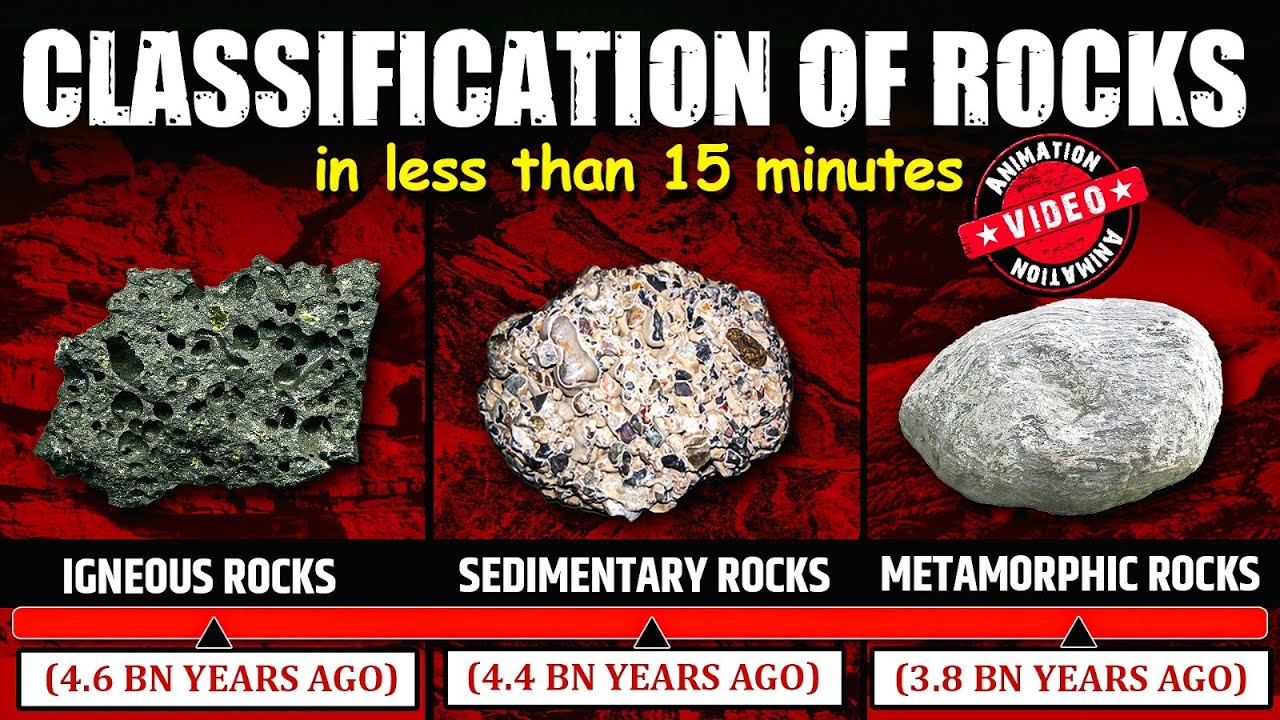
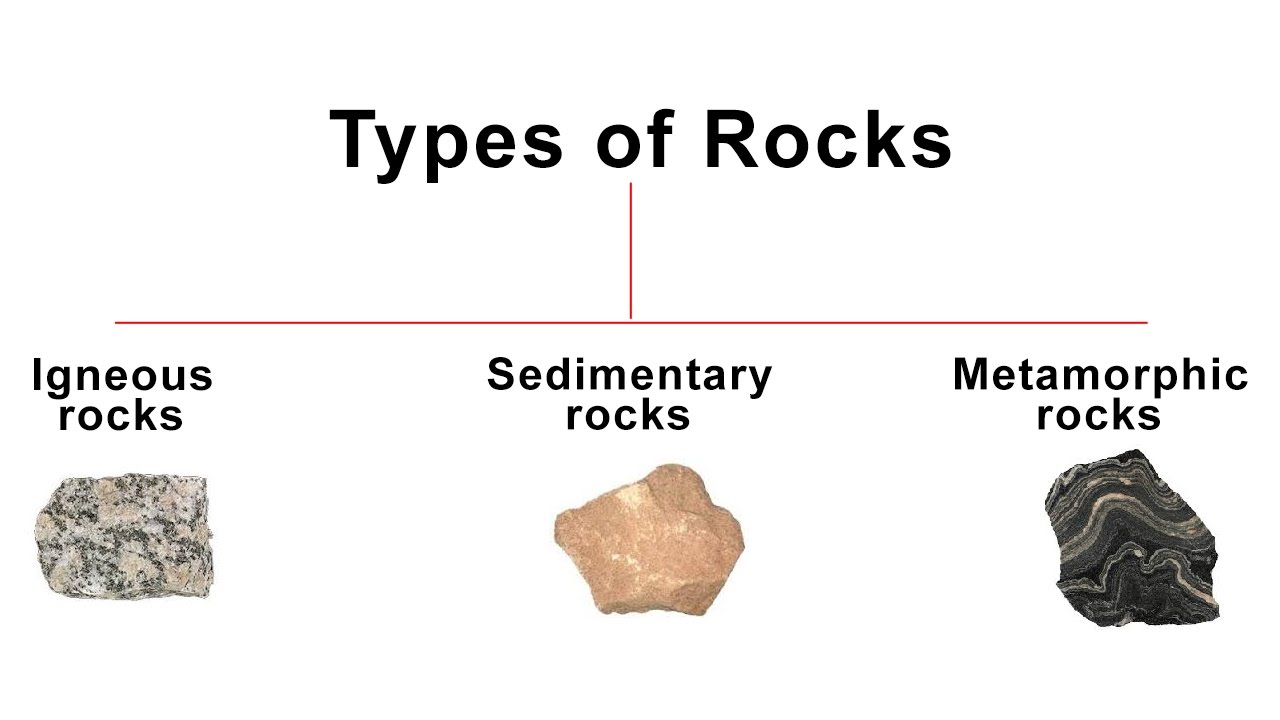
A rock is simply a mixture made of one or more minerals stuck together. Rocks constantly change form across thousands of years.
Igneous Rocks: The Primary Formation from Fire
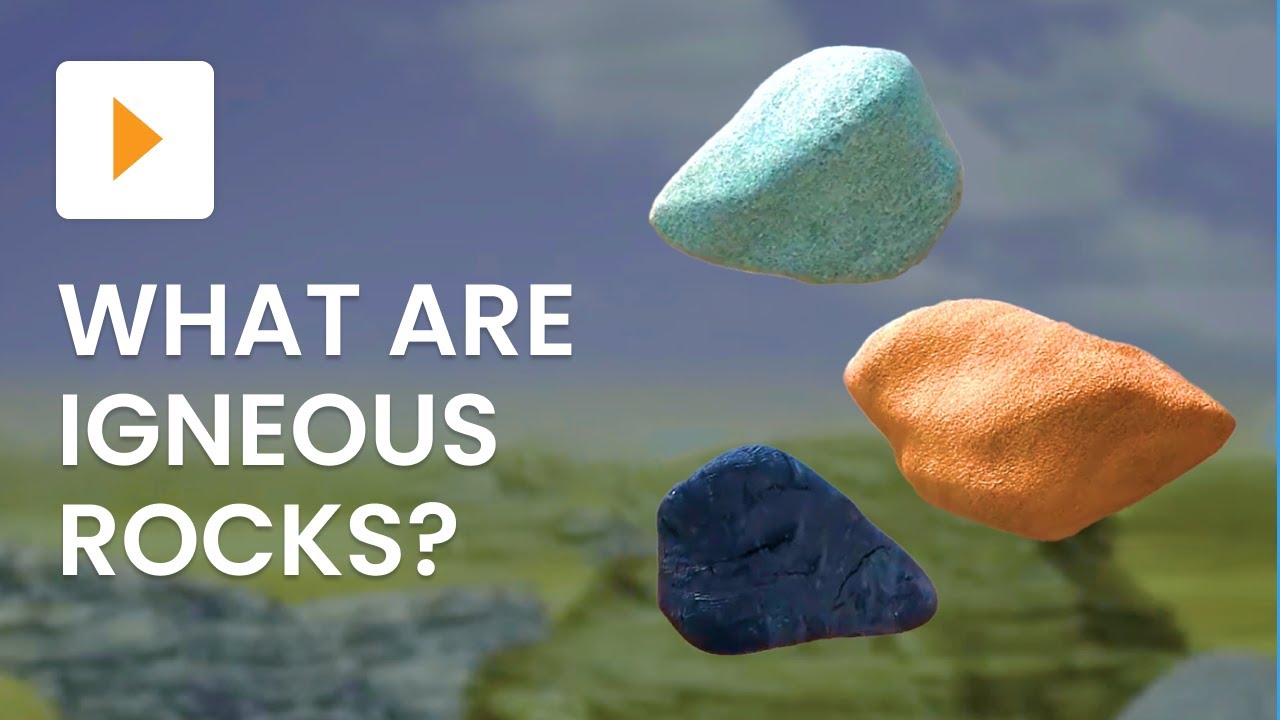
Taking their name from the Latin word ignis (which means fire), igneous rocks are called primary rocks because they are the very first rocks born directly when liquid magma or lava freezes solid.

Formation of igneous rocks, highlighting how varying silica content influences the classification and properties of igneous rocks. - (i) Intrusive vs. Extrusive: Where and how fast the liquid rock cools sets its pattern. Slow cooling underground makes large, coarse grain rock like granite. Fast cooling on the open surface makes fine, smooth grain rock like basalt.
- (ii) Grain Texture: The size of tiny mineral spots inside the rock depends directly on cooling time.

How igneous rocks are formed, illustrating the process of cooling and solidification of molten magma or lava. - (a) Granite: A coarse rock with big visible spots, forming most of our land continents.
- (b) Basalt: A fine, dark rock that forms most of the deep ocean floor.
- (c) Pegmatite: A rock with giant crystal chunks caused by super slow cooling underground.
Sedimentary Rocks: Formation by Settling and Compaction
The name comes from the Latin word sedimentum (which means settling). Sedimentary rocks are built when small broken bits of older rocks sink, stack up, and glue together.

Sedimentary rocks formation, depicting the process of sediment accumulation, compaction, and cementation over time. - (i) Carried and Dropped: Wind, river water, and moving ice glaciers break down old rocks, carry the tiny grains away, and drop them down in low places.
- (ii) Squishing into Stone: Heavy weight squishes these loose piles over time. Through lithification (turning loose sand into hard stone), the layers lock together tightly, creating striped rocks like sandstone and shale.

How sedimentary rocks are formed, detailing the process of sediment deposition, compaction, and lithification. - (iii) Three Way Categories:
- (a) Mechanically formed: Squeezed from solid crushed rock bits (like sandstone, conglomerate, and shale).
- (b) Organically formed: Built from squished shells, bones, or dead plants (like coal, chalk, and limestone).
- (c) Chemically formed: Left behind when drying water leaves salt and mineral crusts behind (like chert, rock salt, and potash).
Metamorphic Rocks: The Change of Form Under Pressure and Heat
Metamorphic rocks take their name from a word meaning "change of form." These rocks form when older rocks get baked by hot heat and squeezed by heavy underground pressure without fully melting.

Factors of metamorphism, highlighting the role of heat, pressure, and chemical processes in the transformation of rocks. - (i) How Changes Happen: Rocks transform when deep earth movements push them far underground, when heavy ground presses down on them, or when nearby hot magma bakes them.
- (ii) Two Main Ways to Change:

Metamorphism process, illustrating how intense heat and pressure alter the composition and texture of rocks to form metamorphic types. - (a) Dynamic Change: Powerful crushing forces break and rearrange mineral spots inside the rock without changing its chemical makeup.
- (b) Thermal Change: High heat bakes the rock, growing new crystal patterns. Contact change happens right next to hot magma touches. Regional change happens across huge areas during deep mountain-building squishes.
- (iii) Stripes and Bands: Mineral grains often line up under pressure. Foliation means mineral spots line up in flat paper-thin layers (like slate or schist). Banding shows alternating light and dark stripe lines across the rock surface.
Examples: Striped rocks include slate and gneiss. Smooth un-striped rocks include marble and quartzite.

Foliated and non-foliated metamorphic rocks, showing the differences in texture and structure due to varying formation processes.
⚡ Quick Revision Capsule: Comparing the Major Rock Types
Use this quick guide to compare how the three main rock families form and look.
| Rock Family | How It Forms | Common Examples |
|---|---|---|
| Igneous | Cooling and hardening of hot liquid magma or surface lava. | Granite, Basalt, Pegmatite |
| Sedimentary | Settling, squishing, and gluing of crushed sand, shells, or mud (lithification). | Sandstone, Shale, Coal, Limestone |
| Metamorphic | Baking and squeezing existing rocks under high heat and heavy underground pressure. | Slate, Gneiss, Marble, Quartzite |
📝 Summary
Earth's outer crust is a solid shell built mostly from 8 basic chemical elements. These elements combine to make pure minerals, which group together to build rocks. Driven by heat from inside Earth and weather on the outside, rocks never stay the same forever. Through the Rock Cycle, fire-born igneous rocks break down into layered sedimentary rocks, which can bake under deep heat into metamorphic rocks, before eventually melting back into hot liquid magma to start all over again.
The Continuous Rock Cycle: Earth's Dynamic Geology
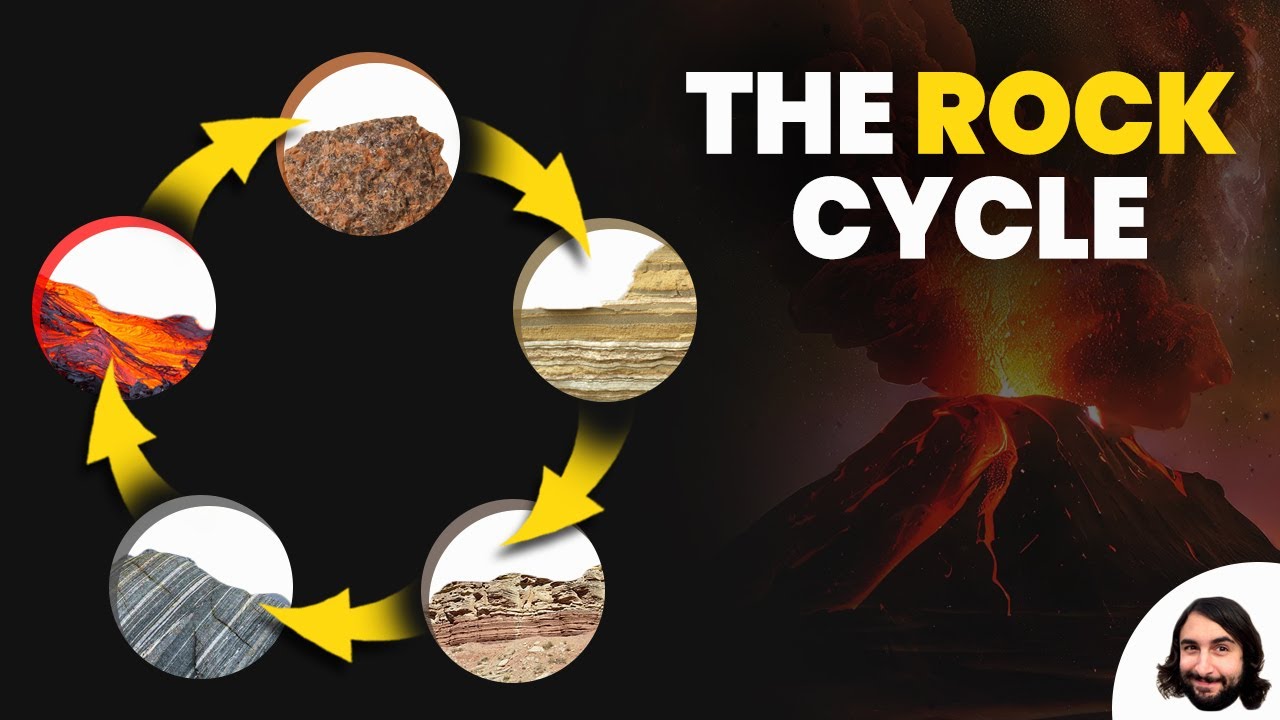
The Rock Cycle shows that Earth is constantly active. It describes how rocks slowly change from one type into another across millions of years.

Pathways of Rock Transformation and Subduction
Every rock type can be changed into any other rock type through different Earth pathways.
- (i) Igneous rocks can crumble down into dirt to build sedimentary rocks, or bake under deep heat to become metamorphic rocks.
- (ii) Sedimentary and metamorphic rocks can crumble into new dirt layers, or get pushed deep down where they melt into liquid magma again.

How metamorphic rocks are formed, describing the transformation of existing rocks under extreme heat and pressure conditions. - (iii) Subduction Power: Deep Earth movements carry solid rocks down into the hot inner mantle during subduction. The intense heat deep below melts stone back into liquid magma, providing fresh material to make brand new igneous rocks.
- (iv) Quick Recycling Paths:
- Igneous rocks → Metamorphic rocks (via deep heat and pressure)
- Igneous & Metamorphic rocks → Sedimentary rocks (via rain weather, wind, and squishing)
- All rock types → Deep melting → Liquid Magma → Brand new Igneous rocks

Steps of the rock cycle, illustrating the processes that transform rocks from one type to another over time.
🚀 Quick Revision Points
Essential facts to review before examinations:
- (i) Eight elements build 98% of Earth's outer ground crust, led by oxygen and silicon.
- (ii) Minerals are pure natural crystals, tested by scratch hardness using the Mohs scale.
- (iii) Igneous rocks are fire-born primary rocks formed directly from cooling magma or lava.
- (iv) Sedimentary rocks form when loose bits settle, squish, and turn into stone through lithification.
- 💡 Exam Tip: Remember that igneous rocks are "primary" rocks because all other rock types are eventually formed from them or their recycled bits!
❓ Frequently Asked Questions (FAQ)
Q1: What are the two most common elements in Earth's crust?
A1: Oxygen and silicon are the top two elements, together making up the majority of Earth's crustal mass.Q2: What is the main difference between magma and lava?
A2: Magma is hot liquid rock trapped underground, while lava is hot liquid rock that breaks through onto Earth's surface.Q3: How does a rock turn into a metamorphic rock?
A3: Existing rocks turn into metamorphic rocks when they are squeezed by heavy underground pressure and baked by deep Earth heat without fully melting.