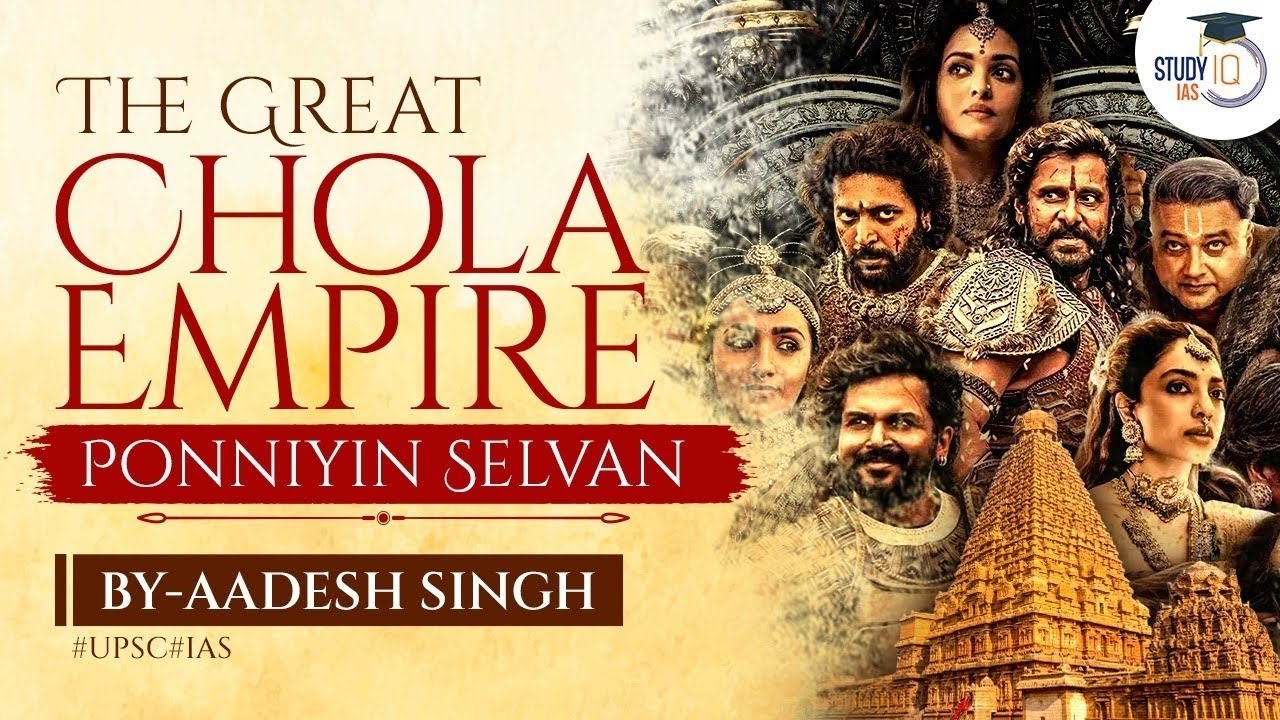
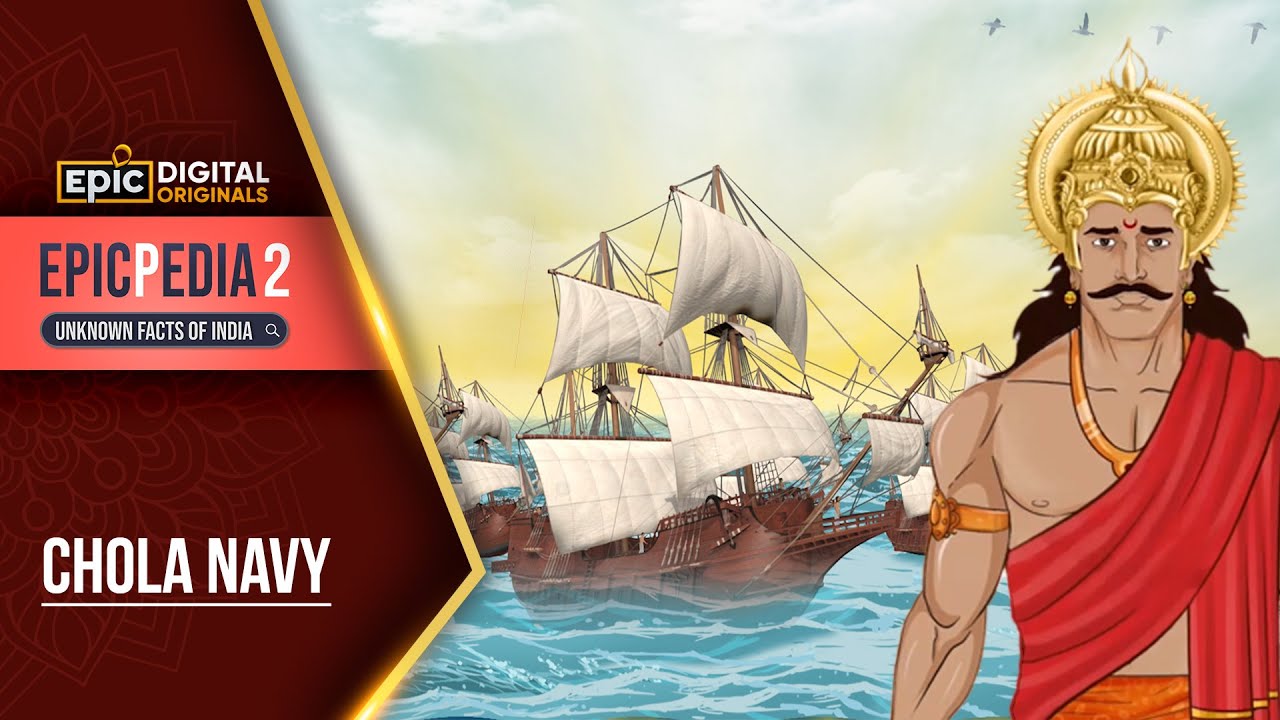
The Chola Empire, emerging in the ninth century, represents a vital and game-changing milestone in South Indian history. They are celebrated globally for launching a powerful naval expansion deep into Sri Lanka, the Maldives, and parts of Southeast Asia. This massive geopolitical footprint, paired with a highly effective internal administration and breathtaking architectural marvels like the famous Brihadeeswarar Temple, makes the study of the Chola dynasty absolutely essential for students tackling history modules and competitive examinations.
In this chapter, you will understand:
- The transition of the Chola lineage from regional rulers into a massive maritime superpower.
- The distinct difference between the Sangam Era Cholas and the Imperial Cholas of Tanjore.
- The military triumphs and architectural milestones achieved by builders like Vijayalaya, Aditya I, and Parantaka I.
- The local governance systems and local village administrative networks highlighted in historical inscriptions.
Why this topic matters: This historical phase is a high-yield focus area for competitive exams like UPSC. It lays bare the mechanics of early Indian naval warfare, long-distance maritime trade connections, and sophisticated local self-governance models that operated centuries ago.
Core Idea: The resurgence of the Cholas in the ninth century brought a profound political shift to South India. By building a dominant navy, they broke past traditional mainland limits to secure trade channels and annex island territories. Despite occasional setbacks against rival kingdoms, their deep systemic foundations paved the path for a true golden age.
The Resurgence of Chola Empire: From Early Dynasty to Imperial Glory (850–1014 CE)
The rise of the Cholas fundamentally reorganized the power dynamics of the region, introducing a state apparatus that relied heavily on maritime supremacy to expand its boundaries.
The Naval Frontier and Territorial Expansion
Chola dominion was never restricted to just the mainland Deccan landscapes; their absolute command over open waters allowed them to execute far-reaching campaigns.
- (i) The rulers systematically deployed their powerful navy to target and control vital strategic islands like Sri Lanka and the Maldives to safeguard lucrative merchant routes.
- (ii) Their deep political and merchant interactions spread far across the Indian Ocean, anchoring their status as a dominant regional superpower.
- (iii) While ancient roots provided them cultural legitimacy, their true imperial phase gained aggressive momentum during the territorial consolidations of the ninth century.
The Roots of Chola Power: Early Mentions and Imperial Foundations
To trace the trajectory of this empire, historians separate their history into two structural phases: the ancient Early Cholas of the Sangam Age and the later Imperial Cholas who ruled from Tanjore.

- The Early Lineage vs. The Imperial Foundations
Early Cholas: References and Legacy Before the Imperial Era
Ancient records confirm that the early Chola family line held deep respect and authority among older kingdoms long before their medieval resurgence.
Epigraphic and Literary Footprints
Early historical tracks are preserved securely within Ashokan rock inscriptions and classic Tamil anthologies.
- (i) Mention in Ashokan Edicts: The empire is explicitly highlighted within the II and XIII Rock Edicts of Emperor Ashoka alongside neighbors like the Pandyas and Cheras, proving they existed as a friendly but sovereign power outside direct Mauryan rule.
- (ii) Sangam Literature Documentation: Their ancient governance, cities, and local chiefdoms find exhaustive mentions across the classic corpus of Sangam literature, highlighting their baseline importance in early Tamil polity.
- (iii) The Great King Karikala Chola: The standout titan of this initial era was Karikala Chola. He is credited with constructing the major economic port town of Puhar (also known as Kaveripattinam) at the mouth of the Cauvery River and pioneering vital irrigation infrastructure by raising strong river embankments.
- (iv) Post-Sangam Obscurity: Following the twilight of the Sangam Age, the direct lineage sinks into historical obscurity, making the exact family link to the medieval rulers an ongoing debate among research scholars.
Vijayalaya Chola: Founder of the Imperial Chola Dynasty (850–871 CE)
The medieval resurgence of the Imperial Chola dynasty was sparked by the vision of Vijayalaya Chola, who found the perfect opening amidst regional chaos to establish a brand-new imperial capital.
- Reclaiming the Heartlands and Building the Base
Aditya I: Expansion and Pallava Conquest (871–907 CE)
Building directly upon these foundations, Aditya I successfully removed old overlords to elevate the kingdom's status to an unmatched regional powerhouse.
- (a) Consolidation at Uraiyur: Vijayalaya originally structured his operations around the ancient ancestral base of Uraiyur, waiting for the ideal window to expand.
- (b) Capture of Tanjore: He struck a monumental blow by wresting Tanjore away from the Muttaraiyar chieftains, who were close allies of the Pandyas. This city was promptly turned into the dynamic new capital of the growing empire.
- (c) Laying the Foundation: Though he started out acknowledging the nominal superiority of the Pallavas, his steady absorption of lands along the lower Kaveri region built the foundation for the Chola Empire’s future might. He also commissioned the construction of the famous Nishumbhasudini Temple.
- (i) Defeat of the Pallavas: Aditya I took a massive stride around 893 CE by crushing the last standing Pallava monarch, Aparajita, which allowed the outright annexation of the entire Tondamandalam territory.
- (ii) Further Territorial Acquisitions: He systematically annexed adjacent lands, capturing Kongudesa (covering modern Coimbatore and Salem districts) and taking over Talakad, the administrative hub of the Western Gangas.
- (iii) Strategic Alliances: He reinforced his battlefield victories with smart marriage alliances with the Pallavas, masterfully balancing physical force with diplomatic tact.
Quick Revision Capsule
A concise snapshot of early imperial Chola builders, their military milestones, and architectural footprints:
| Ruler & Timeline | Core Strategy & Mechanism | Primary Objective & Metric Achieved |
|---|---|---|
| Vijayalaya Chola (850–871 CE) | Captured the stronghold of Tanjore from Muttaraiyar chiefs. | Established the imperial capital and built the Nishumbhasudini Temple. |
| Aditya I (871–907 CE) | Defeated the Pallava ruler Aparajita and used marriage diplomacy. | Annexed Tondamandalam, Kongudesa, and captured Talakad. |
| Parantaka I (907–953 CE) | Crushed Pandyan forces and pushed campaigns into Sri Lanka. | Earned the title 'Maduraikonda' and structured local village councils. |
| Interregnum Rulers (953–985 CE) | Survived three decades of weak decentralized control. | Maintained core dynastic line amid severe political stability challenges. |
| Rajaraja I (985 CE Onward) | Reorganized central administration and expanded naval fleets. | Initiated the Chola Golden Age and documented exploits in Tanjore inscriptions. |
Summary
The historical trajectory of the medieval Chola rulers offers an illustrative model of state-building, turning an old local lineage into an expansive international empire. By integrating vast mainland assets with unmatched open-ocean naval groups, they dominated trade routes throughout the Indian Ocean. Their rulers successfully blended aggressive territorial conquests with sophisticated domestic innovations, creating self-governing village setups and timeless religious monuments that fundamentally defined South Indian cultural history.
Quick Revision Points
Keep these fundamental historical parameters mapped in mind for your exam prep:
- (i) The Cholas are placed as an independent sovereign power right outside Mauryan jurisdiction in the early Rock Edicts of Ashoka.
- (ii) Vijayalaya Chola is the definitive founder who revived the medieval lineage by seizing Tanjore around 850 CE.
- (iii) Parantaka I earned the crown title 'Maduraikonda' after storming Madurai and driving the Pandyan king into exile.
- (iv) The historic Battle of Takkolam (949 CE) dealt a sharp blow to the Cholas when Rashtrakuta Krishna III seized their northern outposts.
- Exam Tip: Pay very close attention to the Uttarameruru inscriptions under Parantaka I's reign. They outline the exact blueprint of early Chola village administration and election processes, making them a recurring favorite for descriptive history questions.
Frequently Asked Questions (FAQ)
Q1: Who was the most notable ruler of the early Sangam Cholas?
A1: Karikala Chola stands out as the most prominent early ruler, celebrated for founding the port city of Puhar and developing extensive irrigation walls along the Cauvery River.Q2: What caused the temporary decline of Chola power in 949 CE?
A2: The kingdom suffered a massive northern breakdown at the Battle of Takkolam in 949 CE, where the Rashtrakuta King Krishna III defeated Parantaka I and occupied vital northern territories.Q3: What makes the Uttarameruru inscriptions highly significant?
A3: These stone epigraphs provide an exceptionally clear, detailed look at the democratic sub-committees and qualifications tracking inside the Chola village administration system.
The Interregnum and the Rise of Rajaraja I (953–985 CE)
Following the sudden passing of Parantaka I, the state slid into an unstable phase, with weak governance systems prevailing for nearly thirty years before a monumental revival occurred.
Parantaka I: The Conqueror of Madurai (907–953 CE)
Known as the primary structural architect of the early empire, Parantaka I mixed aggressive campaigns with vast cultural patronage across the south.
- (a) Title of Maduraikonda: He pushed the southern front line by beating the Pandyas and conquering Madurai, earning him the title ‘Maduraikonda’.
- (b) Expansion to Sri Lanka: When the Pandyan ruler fled to island territories, Parantaka I followed up with a decisive victory at the Battle of Vellur against a combined local coalition.
- (c) Cultural Legacy and Administration: He gilded the roof of the Vimana of the Nataraja Temple at Chidambaram with pure gold. His governance era is also immortalized via the Uttarameruru inscriptions detailing local rural administrative models.
- (i) Period of Decline: The three decades after 953 CE saw deep internal instability, allowing close competitors to chip away at outlying imperial assets.
- (ii) The Revival: This stagnation ground to a halt when Arumolivarman stepped onto the throne in 985 CE, adopting the immortal title of Rajaraja I.
- (iii) Foundation of the Mighty Empire: Rajaraja I fully re-engineered the state apparatus, initiating vast conquests meticulously etched across the walls of his Tanjore inscriptions.
Conclusion: Importance of Imperial Cholas for History Students
The epic historical run of the Imperial Cholas serves as a primary foundation case study in South Indian political history. Their deep systemic blueprint of a far-reaching maritime empire, combined with structured autonomous village frameworks and landmark contributions to Dravidian architecture, turns the dynasty into an incredibly high-yield topic for all serious students preparing for the UPSC and state civil service exams.