The Pallava administration system was a meticulously structured political framework that governed their vast empire in South India, offering profound insights for students preparing for historical and competitive examinations. Spanning from the to the , this highly organized rule established a centralized monarchy supported by a council of ministers and featured an elaborate hierarchy of administrative divisions, such as the Mandalam, Kottam, Nadu, and Oor, ensuring peace and efficient governance across the region.
In this chapter, you will understand:
- The central administration and hereditary powers of Pallava monarchs
- Territorial divisions including Mandalam, Kottam, Nadu, and village units
- Grassroots self-governance via local assemblies like the Sabha and Urar
- Taxation models, land tenure systems, and military strategy
Why this topic matters: Understanding Pallava administrative history forms a foundation for civil services and academic examinations, highlighting early models of decentralized village governance and land revenue management in South India.
Core Idea: The Pallavas combined a centralized monarchy with autonomous local governance structures. The King served as the supreme authority with ministerial support, while territorial divisions ensured tax collection, public works maintenance, and law enforcement. Local assemblies managed grassroots operations, sustaining long-term regional stability.
Detailed Study of Pallava Kingdom Administrative Structure and System (6th–9th Century CE)
The Pallava dynasty established a systematic and well-organized framework to govern their extensive realm in South India. Adapting classical administrative principles from earlier northern empires like the Mauryan system, they integrated regional innovations to maintain long-term stability and economic growth.
Role of the Pallava King and Central Government
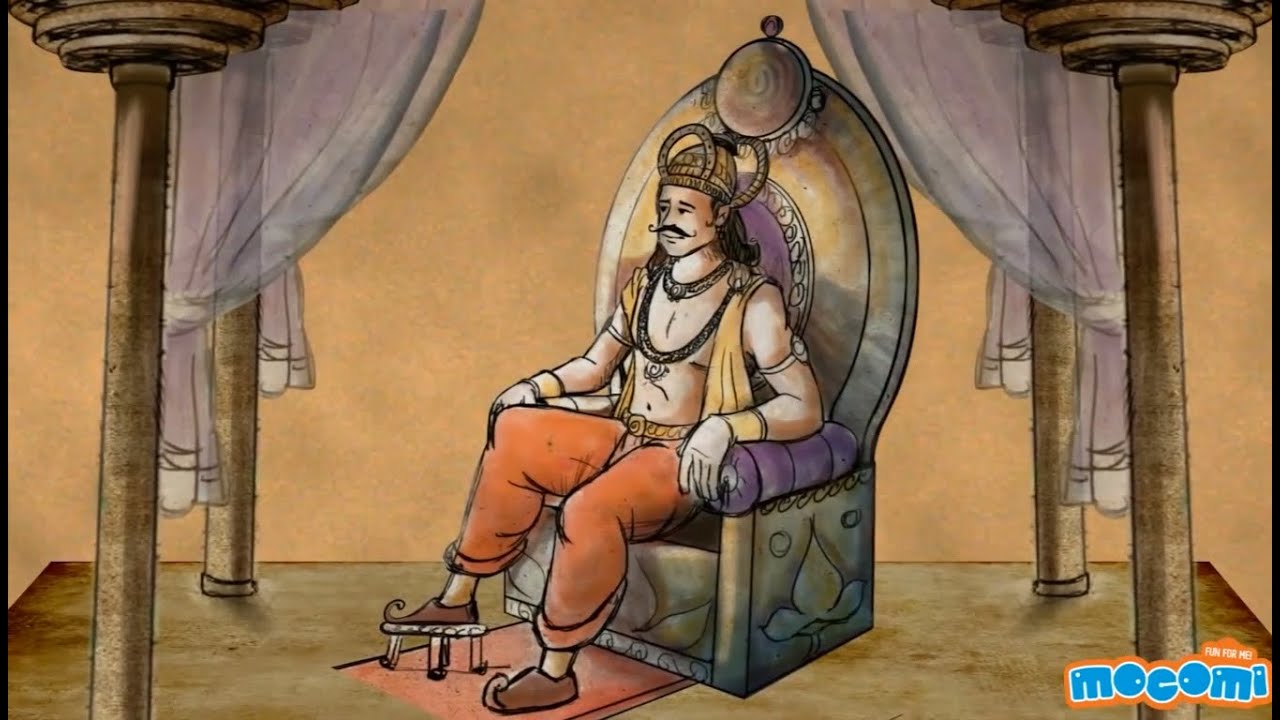
The monarch stood at the head of the empire, holding executive, judicial, and military authority while relying on administrative councils to handle routine governance.
The King's Supremacy and Scholarly Patronage
The sovereign ruled with recognized supreme authority, reinforced by mythological ties and formal religious rites.
- Divine Descent and Titles: Monarchs claimed descent from the God Brahma and assumed titles such as maharajadhiraja and dharma-maharajadhiraja, performing Vedic rituals like asvamedha-yaji to signify imperial authority.
- Hereditary Rule: Kingship was normally hereditary, though historical records note occasional instances where ministers or elites chose a ruler during succession gaps.
- Scholarly Accomplishments: Many rulers were distinguished scholars. For instance, authored the famous play Mattavilasa Prahasana, demonstrating royal support for literature and art.
Ministerial Support and Imperial Policies
Administrative execution depended on organized advisory bodies, standing forces, and state-sponsored public works.
- (i) Ministerial Council: A council of experienced ministers assisted the monarch in framing state policies and making administrative decisions.
- (ii) Military Organization: The crown maintained a professional standing army rather than relying entirely on feudal levies for regional defense.
- (iii) Land Grants and Irrigation: The state issued land grants, including Devadhana (temple grants) and Brahmadeya (grants to Brahmins). It also funded irrigation works, such as the water reservoirs excavated during the reign of .
Religious Flourishing under Pallavas
The era witnessed widespread devotional growth, receiving direct patronage from the central administration.
- Bhakti Movement Prominence: The reign coincided with the rise of the Bhakti Movement, supported by devotional poets including the Vaishnava Alvars and Saiva Nayanars.
Administrative Divisions of the Pallava Empire
The empire stretched from Nellore in the north down to the South Pennar River, and from the Western Ghats to the Bay of Bengal. To manage this territory, the state was structured into distinct administrative units.

Mandalam: The Provincial Unit
The largest division in the administrative hierarchy was the province, which held significant internal operational latitude.
- (i) Largest Administrative Unit: The province, known as Mandalam or Rashtra, operated as the primary territorial division under central oversight.
- (ii) Royal Governors: The King frequently appointed royal princes, titled Yuvaraja, as viceroys to govern these provinces.
Kottam: Sub-division of Mandalam
Provinces were divided into district-level administrative segments based on regional population and geography.
- (i) District Level Units: Each Mandalam was divided into multiple Kottams, also called Vishayas.
- (ii) Variable Numbers: The total number of Kottams per province varied depending on territorial size and administrative demands.
Nadu and Oor: Village Units
Grassroots administration depended on small local structures that managed day-to-day affairs directly.
- Nadu: The unit above individual villages was the Nadu, which comprised a group or cluster of settlements.
- Oor (Village): The basic administrative unit was the Oor (village), managed primarily through local assemblies called Sabhas.
Officials and Local Self-Governance under the Pallavas
A organized executive apparatus implemented central directives at district and regional levels, collaborating closely with traditional village councils.
Provincial and Central Officials
Administrative officers carried out fiscal, judicial, and civic management across all territorial subdivisions.
- (i) Official Hierarchy: District officers assisted provincial governors to enforce royal decrees and collect revenue.
- (ii) Village Headman: The head of the village served as the primary official liaison between central authorities and local assemblies.
Village Assemblies: Sabha and Urar
Grassroots self-governance was a hallmark of Pallava administration, executed through well-organized village institutions.
Local assembly assemblies (Sabha and Urar) deliberating on public works and tax administration. - Role of the Sabha: The Sabha managed local endowments, regulated irrigation tanks, resolved local disputes, conducted census records, and preserved administrative registers.
- Collaboration with the Urar: The Sabha coordinated with the urar, a general assembly representing non-brahmin villagers, ensuring community participation in local affairs.
Judicial System and King as Supreme Arbiter
Legal procedures were administered at multiple levels, with local courts handling routine disputes and the sovereign serving as the final appellate authority.
- (i) Local Courts: Specialized judicial bodies functioned at town and district levels, presided over by government officers.
- (ii) King's Final Authority: The monarch functioned as the ultimate arbiter of justice and the highest court of appeal.
Quick Revision Capsule: Pallava Administration
A high-level summary of administrative levels, responsible authorities, and primary functions across the empire:
| Administrative Unit | Governing Officer / Body | Key Administrative Function |
|---|---|---|
| Central State | King & Ministerial Council | Supreme judicial authority, military command, and high-level policy making |
| Mandalam (Province) | Yuvaraja (Royal Viceroy) | Provincial oversight, law enforcement, and regional tax governance |
| Kottam (District) | District Officers (Vishayapatis) | Sub-provincial administrative execution and land revenue assessment |
| Nadu (Cluster) | Nattar (Regional Representatives) | Coordinating inter-village land boundaries, tax distribution, and records |
| Oor (Village) | Sabha / Urar Assemblies | Local public works, irrigation tank upkeep, dispute settlement, and local levies |
Summary
The Pallava administration stood out as a stable political structure that blended strong centralized monarchy with effective local self-governance. By dividing the empire into Mandalam, Kottam, Nadu, and Oor, the state managed its territories efficiently. Religious land grants like Brahmadeya and Devadhana encouraged agricultural development, while autonomous local bodies like the Sabha handled local affairs. Supported by a professional standing army, a developing navy, and organized tax collection, the administrative model created lasting regional stability across South India.
Quick Revision Notes
Key checkpoints to remember for examinations:
- (i) Administrative Units: Empire → Mandalam (Province) → Kottam (District) → Nadu (Village Cluster) → Oor (Village).
- (ii) Revenue Sources: Land tax (one-sixth to one-tenth of produce) was the primary income, supplemented by professional taxes.
- (iii) Land Tenure Types:Brahmadeya (Brahmin grants), Devadhana (temple grants), and Sripatti (irrigation tank maintenance lands).
- (iv) Local Governance: The Sabha managed local village affairs, maintenance, legal matters, and public registries.
- Exam Tip: Questions frequently focus on the distinct functions of local assemblies (Sabha vs. Urar) and land grant categories (Brahmadeya, Devadhana, and Sripatti). Focus on memorizing these administrative terms and their roles.
Frequently Asked Questions (FAQ)
Q1: What were the major administrative divisions in the Pallava Empire?
A1: The empire was divided into provinces called Mandalam, which were subdivided into districts called Kottam. Districts were further divided into village groups called Nadu, down to individual villages called Oor.Q2: How did village self-governance function under the Pallavas?
A2: Villages were managed by local assemblies, primarily the Sabha (in scholarly/brahmin villages) and the Urar (in general villages). These bodies maintained local irrigation tanks, kept land records, collected local taxes, and settled minor disputes.Q3: What was Sripatti land in the Pallava tax system?
A3: Sripatti was land specifically allocated for village irrigation tanks. Revenue gathered from these plots was reserved exclusively for maintaining and repairing local water infrastructure.